
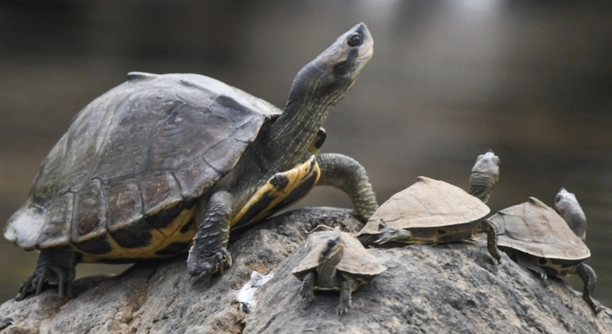
The Indian Roofed Tortoise is known for its unique shell structure and fascinating characteristics. Understanding these key features can help you provide better care for them, especially if you are considering adopting one into your home.
The Indian Roofed Tortoise has a domed shell with a noticeable “roof” shape. This distinct structure provides protection and helps regulate body temperature, ensuring the tortoise stays healthy. Their shells are also quite durable, making them resilient to environmental changes.
Proper care of an Indian Roofed Tortoise involves understanding how its shell functions. This knowledge can improve your ability to keep your tortoise safe and comfortable throughout its life.
Shell Structure and Protection
The Indian Roofed Tortoise has a strong, durable shell that provides excellent protection from predators and environmental threats. Its shell’s shape is unique, with a domed top that forms a protective roof-like structure. This design is important as it helps the tortoise maintain a healthy body temperature and shields it from harm. The tough outer layer of the shell is made of keratin, providing a strong barrier that can withstand minor impacts and rough conditions. This protection is especially vital in the wild, where the tortoise may face danger from larger animals.
In captivity, it’s essential to ensure that their environment supports this natural need for protection. A safe space with minimal risk of injury and consistent temperature is key to maintaining the tortoise’s health.
Proper care of their shell is also necessary. Regular monitoring for cracks or damage can prevent potential health issues that might arise if the shell is compromised. Always ensure your tortoise has a balanced diet to maintain strong shell growth and overall vitality.
Habitat and Temperature Needs
Temperature plays a major role in the well-being of your tortoise. A temperature-controlled habitat is essential for their growth and development.
Providing a warm area for basking and a cooler space for retreating allows the tortoise to regulate its body temperature naturally. This balance supports digestion, activity levels, and overall health. Ensure the enclosure is large enough to accommodate this temperature gradient, giving the tortoise space to move between warm and cooler areas. The right setup mimics their natural environment, promoting a more comfortable life in captivity.
Diet and Nutrition
An Indian Roofed Tortoise thrives on a varied diet. They primarily eat plants, including leafy greens, vegetables, and fruits. Offering a balance of these foods ensures they get the necessary nutrients for healthy growth. It’s important to avoid feeding them processed foods or those high in sugar.
A diet high in fiber from grasses and leafy vegetables is ideal. Calcium is also essential for shell development, so offering foods like dandelion greens and clover can help. Occasionally, you can feed fruits, but only in moderation to prevent obesity. Fresh water should be available at all times, and make sure to remove any uneaten food to prevent spoilage.
Occasionally, adding calcium supplements to their food can help prevent shell deformities. If your tortoise shows signs of shell issues or poor health, adjusting its diet may be necessary. Keep a consistent feeding routine and monitor for any signs of imbalance.
Exercise and Enrichment
Physical activity is crucial for the Indian Roofed Tortoise. They need space to roam and explore, as it helps them stay healthy and active. Regular movement promotes good circulation, digestion, and overall well-being.
Providing a larger enclosure with natural hiding spots and areas to climb will keep your tortoise entertained and mentally stimulated. In addition to free-roaming space, occasional supervised outdoor time can also help mimic their natural environment. Keeping them active in captivity is vital to prevent stress and obesity.
Enrichment activities like hiding food or offering safe obstacles can provide mental stimulation. Regular outdoor exposure, if safe and controlled, can also allow them to experience different terrain, which can benefit their shell and overall health.
Handling and Interaction
Indian Roofed Tortoises can be sensitive to handling, so it’s important to be gentle. Approach them slowly and avoid sudden movements that might startle them. Handling should be limited to prevent stress, but occasional interaction helps with bonding. Always wash your hands before and after touching them.
While they may tolerate being handled, it’s essential to respect their space. Handling should be kept brief and gentle to avoid stressing the tortoise. Over-handling can lead to anxiety, which can affect their health. Let the tortoise explore its environment at its own pace to maintain its comfort.
Health Monitoring
Regularly checking the health of your tortoise is key. Look for signs of illness, such as lethargy, loss of appetite, or unusual behavior. A healthy tortoise should be active, eat well, and move without difficulty.
Ensure the shell remains free of cracks, cuts, or soft spots. These could be signs of health issues requiring attention. Regular checks on their weight and activity levels can also indicate how well they are adjusting to their habitat. If you notice any changes, it’s best to consult a vet.
Lifespan and Longevity
Indian Roofed Tortoises can live for several decades when cared for properly. They generally have a long lifespan, often exceeding 50 years in captivity. Their longevity depends on factors like diet, habitat, and health care.
A long life is achievable when their environment is properly managed, with adequate space, temperature, and nutrition. Regular health checks, appropriate enrichment, and preventing stress are also essential in helping them live a long, healthy life.
FAQ
What is the ideal habitat for an Indian Roofed Tortoise?
The ideal habitat for an Indian Roofed Tortoise is a spacious enclosure with both warm and cooler areas. They require a temperature range between 80-90°F during the day, with a drop to around 70°F at night. A UVB light source is essential for proper shell and bone development, simulating natural sunlight. The enclosure should include substrates like coconut husk or soil that allows them to burrow and move freely. Adding natural hiding spots or climbing areas will keep the tortoise stimulated and comfortable.
How often should I feed my Indian Roofed Tortoise?
Feed your Indian Roofed Tortoise daily. Offer a variety of leafy greens, grasses, and vegetables. You can introduce fruits in moderation, ensuring the diet remains balanced. A high-fiber diet promotes healthy digestion, and calcium-rich foods support shell growth. Avoid feeding them processed foods or anything too high in sugar. Ensure fresh water is always available, and monitor how much your tortoise is eating. Overfeeding can lead to obesity, while underfeeding can cause nutritional deficiencies.
Can I handle my Indian Roofed Tortoise regularly?
Indian Roofed Tortoises can tolerate gentle handling, but it should not be excessive. Handling should be brief, with a slow and calm approach. Frequent handling may cause stress, so it’s best to let them roam and explore their environment at their own pace. Make sure their habitat is enriched enough to keep them entertained without needing constant interaction. Always wash your hands before and after handling them to avoid transferring bacteria.
What signs indicate that my Indian Roofed Tortoise is unwell?
Common signs of illness in an Indian Roofed Tortoise include lethargy, lack of appetite, and unusual behavior. If your tortoise starts staying in one spot for long periods or refuses food, it could indicate a health issue. Shell abnormalities such as softness, cracks, or discoloration are also warning signs. If you notice any of these symptoms, it’s best to consult a reptile vet immediately to address any potential health problems.
How do I care for my Indian Roofed Tortoise’s shell?
The shell is an important aspect of an Indian Roofed Tortoise’s overall health. Ensure their environment has proper humidity and temperature control to keep the shell in optimal condition. Avoid excessive handling, which could cause harm to the shell. Regularly check for cracks or signs of infection, such as redness or softness. Offer a diet rich in calcium to promote strong, healthy shell growth. In case of any shell damage, seek veterinary care promptly.
Can I let my Indian Roofed Tortoise roam outdoors?
You can let your Indian Roofed Tortoise roam outdoors, but it’s important to ensure the area is safe. A secure, enclosed area is essential to protect the tortoise from predators or escape. Outdoor time also provides mental stimulation and allows them to experience different types of terrain, benefiting their health. Always supervise their outdoor time to ensure they don’t get injured or lost. Make sure the weather is appropriate, as extreme heat or cold can be harmful.
What should I do if my Indian Roofed Tortoise is not eating?
If your Indian Roofed Tortoise is not eating, check the environment for any issues such as temperature, humidity, or lighting. Stress, improper habitat conditions, or illness could be reasons behind loss of appetite. If the environment is suitable and they still refuse food, it may be time for a vet check-up. Sometimes, a tortoise may go through brief periods of fasting, but if this persists for several days, it’s best to address the issue.
How long do Indian Roofed Tortoises live?
Indian Roofed Tortoises can live for several decades, with an average lifespan of 50 years or more when properly cared for. Their longevity depends on factors such as diet, habitat, and regular health monitoring. With a balanced diet, an appropriate environment, and routine veterinary care, your tortoise can live a long, healthy life. It’s important to provide continuous care throughout their entire life span, as they can live well into adulthood.
Do Indian Roofed Tortoises need special lighting?
Yes, Indian Roofed Tortoises need UVB lighting to help them synthesize Vitamin D3, which is necessary for calcium absorption and shell development. Without proper UVB exposure, they could develop metabolic bone disease. It’s recommended to provide a UVB light for 10-12 hours a day, simulating natural sunlight. Ensure the light is not too far from the tortoise’s basking area to ensure effective exposure.
How do I ensure my Indian Roofed Tortoise gets enough calcium?
Calcium is crucial for shell and bone health. To ensure your Indian Roofed Tortoise gets enough calcium, feed them calcium-rich foods like dark leafy greens (e.g., collard greens, dandelion leaves). You can also supplement their diet with a calcium powder, sprinkled on their food. Make sure to balance calcium intake with phosphorus to avoid an imbalance that could lead to health problems. If you’re unsure about the right balance, consulting a vet can help.
Can my Indian Roofed Tortoise share an enclosure with other pets?
Indian Roofed Tortoises should not be housed with other pets, especially aggressive ones. Tortoises can be easily stressed by the presence of other animals, which may impact their health. Additionally, certain species of reptiles may not get along with others, and the interaction could lead to injury. If you plan to house more than one tortoise together, ensure they are of the same species and size to reduce the risk of aggression. Keep the enclosure spacious and monitor their behavior closely.
Final Thoughts
Caring for an Indian Roofed Tortoise requires attention to detail and a commitment to providing the right environment. These tortoises can thrive for many years if their habitat, diet, and health needs are consistently met. Ensuring the enclosure is spacious with proper temperature and humidity levels will help prevent stress and promote healthy growth. Regular health check-ups and monitoring their behavior will allow you to spot any potential issues early on. With proper care, these tortoises can live long, healthy lives, offering joy to their owners for decades.
In addition to providing the right environment, it’s important to focus on their diet. A balanced, varied diet will keep your tortoise healthy and active. While offering a mix of greens, fruits, and vegetables, it’s essential to avoid high-protein foods or sugary treats, as these can lead to health problems. Calcium and fiber are key components of their diet, supporting strong shells and healthy digestion. The water provided must also be clean and fresh to prevent dehydration and other health concerns. Regularly offering the right food will help keep your tortoise in great condition.
While caring for an Indian Roofed Tortoise can take time and effort, the rewards are worth it. These creatures are fascinating and can develop a unique personality, often showing affection in their own way. Their long lifespan means you are making a long-term commitment, but the bond you create with your tortoise can be incredibly fulfilling. By being patient, informed, and dedicated, you’ll provide a home where your tortoise can thrive and live a long, happy life.

Hello,
If you enjoy the content that we create, please consider saying a "Thank You!" by leaving a tip.
Every little bit helps us continue crafting quality advice that supports the health, happiness, and well-being of pets around the world, for pets of all shapes, sizes, and species.
We really appreciate the kindness and support that you show us!