
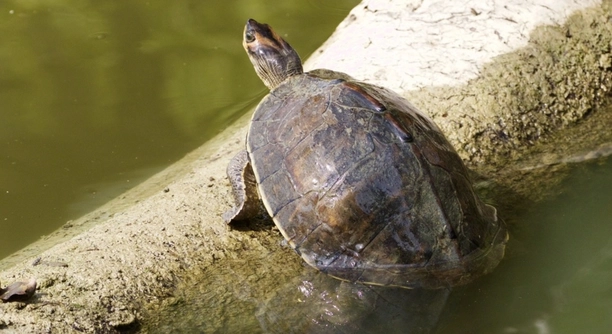
Is your Indian Roofed Tortoise basking excessively or showing signs of discomfort under its UVB light? Understanding the effects of too much exposure can help ensure your pet stays healthy and comfortable in its enclosure.
Excessive UVB exposure can lead to eye damage, shell discoloration, lethargy, and abnormal behavior in Indian Roofed Tortoises. Prolonged exposure may also contribute to dehydration and vitamin imbalances, affecting their overall well-being and long-term health.
Recognizing these warning signs early can help you adjust your tortoise’s lighting setup for optimal care. Understanding the right balance of UVB light is essential for maintaining a thriving and happy pet.
Signs of Overexposure to UVB Light
Too much UVB light can cause stress in Indian Roofed Tortoises. They may start closing their eyes frequently, avoiding their basking spot, or trying to escape their enclosure. Shell discoloration, such as fading or unusual spots, may also appear. If they seem less active, have trouble eating, or show signs of dehydration, their UVB exposure might be too high. Long-term overexposure can even lead to more serious health issues like metabolic imbalances or skin irritation. Observing these changes can help you determine if adjustments to their lighting setup are necessary for their well-being.
A tortoise that receives too much UVB may become unusually lethargic. Instead of exploring its habitat, it might spend most of its time hiding or remaining motionless. A decrease in appetite could also indicate discomfort caused by excessive exposure. These changes should not be ignored.
Providing proper lighting is essential for your tortoise’s health. Too much UVB can disrupt their natural behavior and cause long-term harm. If you notice any unusual signs, it’s important to check the placement, intensity, and duration of the light source. Adjusting these factors can prevent further issues and help maintain a balanced environment for your pet.
How to Adjust UVB Lighting
Start by evaluating the distance between the UVB bulb and your tortoise’s basking area. If the light is too close, it can increase exposure beyond safe levels. A good rule of thumb is to follow the manufacturer’s recommendations for distance. Reducing exposure time by turning the light off for part of the day may also help.
The strength of the UVB bulb matters. High-output bulbs can be too intense if used in a small enclosure. Switching to a lower-intensity bulb or using a fixture with a protective screen can reduce excessive exposure. It’s also helpful to provide shaded areas within the habitat so your tortoise can regulate its UVB intake naturally.
A well-balanced setup includes both UVB and heat sources. The combination of proper lighting and temperature supports digestion, shell health, and activity levels. Monitoring your tortoise’s behavior will help you determine if changes are needed. If you are unsure, consulting a reptile specialist can provide guidance on the best lighting conditions for your pet’s specific needs.
Common Mistakes in UVB Lighting
Placing the UVB bulb too close can lead to excessive exposure. Tortoises need UVB, but too much can cause stress and health issues. If they have no shaded areas to retreat to, they may struggle to regulate their exposure properly.
Using the wrong type of UVB bulb can also be a problem. Some bulbs emit stronger UVB than needed, especially in small enclosures. A high-output bulb meant for larger reptiles might overwhelm a tortoise. Checking the UV index and choosing a suitable bulb can prevent overexposure. It’s also important to replace UVB bulbs regularly, as they lose effectiveness over time. Even if the bulb still emits light, the UVB output may have diminished, leading to improper regulation of exposure. Keeping track of the bulb’s age and replacing it as recommended ensures your tortoise gets the right amount of UVB.
Leaving the UVB light on for too long can create an imbalance. In the wild, tortoises experience natural sunlight cycles with periods of rest. Mimicking this with a proper lighting schedule is essential. A timer can help regulate the photoperiod, ensuring the tortoise gets enough UVB without overexposure. Without a schedule, excessive lighting may cause stress, disrupt sleep patterns, and contribute to dehydration.
Best Practices for UVB Lighting
Position the UVB bulb at a safe distance based on manufacturer guidelines. Too close can lead to overexposure, while too far reduces effectiveness. Creating a well-structured enclosure with shaded areas allows the tortoise to self-regulate its UVB intake naturally. A balanced setup ensures they receive the benefits without the risks.
Choose the right UVB bulb for your tortoise’s habitat. A 5.0 or 10.0 UVB bulb is typically used, depending on enclosure size and design. Compact bulbs, linear tubes, and mercury vapor bulbs all have different outputs. Checking UV index readings and replacing bulbs as needed ensures a stable environment. Consistently monitoring their behavior helps determine if adjustments are required.
Controlling the lighting schedule is just as important as selecting the right bulb. Mimicking natural daylight cycles supports their health and behavior. A 10-12 hour cycle works well, but adjustments may be needed based on your tortoise’s response. Pairing UVB with a heat source creates a more natural environment. Observing their activity levels can help fine-tune the setup.
Signs Your Tortoise Is Recovering
A tortoise that was previously lethargic but starts moving around more is showing improvement. Increased appetite is another positive sign. If they begin basking normally again and no longer avoid their UVB light, it means their lighting setup is now more comfortable for them.
Shell color returning to normal indicates proper UVB balance. If their eyes were irritated but now appear clear and open, that’s another sign of recovery. Gradual behavioral changes, such as exploring their enclosure more and showing interest in food, mean they are adapting well to the adjustments.
When to Consult a Vet
If your tortoise continues to show signs of distress despite adjusting the UVB setup, seeking professional help is necessary. Ongoing lethargy, shell damage, or unusual behavior could indicate underlying health problems. A reptile veterinarian can assess their condition, check for vitamin imbalances, and provide guidance on further adjustments.
Final Adjustments to UVB Setup
Monitoring your tortoise daily helps ensure their lighting needs are met. Small changes, like adjusting the bulb’s height or modifying the enclosure layout, can make a big difference. Keeping an eye on their activity and shell condition will help maintain a balanced and healthy environment.
FAQ
How much UVB light does my Indian Roofed Tortoise need?
Your tortoise needs around 10-12 hours of UVB exposure daily to ensure healthy bone growth and metabolism. The exact duration can vary depending on the strength of the bulb and the size of your enclosure. A 5.0 or 10.0 UVB bulb is typically ideal for most tortoises. Make sure to provide a 12-hour light and dark cycle to mimic natural day and night patterns.
Can I leave the UVB light on all day?
It’s not recommended to leave the UVB light on continuously. Tortoises need a day-night cycle to regulate their sleep and activity. Keeping the light on for 10-12 hours daily, with a timer to turn it off, is ideal. Prolonged exposure without a break can cause stress and health issues.
What happens if my tortoise gets too much UVB light?
Too much UVB can cause various health problems, including eye irritation, shell discoloration, dehydration, and lethargy. It may also lead to metabolic bone disease if not corrected. The signs include your tortoise avoiding its basking area, hiding more, or acting sluggish. Adjust the distance of the light or use a dimmer bulb if necessary.
Can UVB light cause skin damage to my tortoise?
Yes, overexposure to UVB light can cause skin damage. It may lead to sunburn-like symptoms, including redness, swelling, or blisters. Always ensure the UVB light is positioned correctly and monitor your tortoise’s skin and behavior for signs of discomfort. If skin damage occurs, it’s essential to reduce exposure and seek veterinary advice.
How do I know if the UVB light is too strong?
The UVB light should be at an appropriate distance from your tortoise’s basking area. If the light is too close, it can cause overexposure. Use a UV meter to check the UVB levels at different distances. If you don’t have a UV meter, look for signs like eye irritation or lethargy. If these occur, move the light farther away or switch to a lower-output bulb.
How often should I replace the UVB bulb?
UVB bulbs lose their effectiveness over time, even if they still emit visible light. Replace the bulb every 6-12 months, depending on the manufacturer’s recommendation. If you’re unsure, a UVB meter can help you check the output. Always replace bulbs before they lose effectiveness to ensure your tortoise gets proper UVB exposure.
Can my tortoise get UVB from the sun?
Yes, direct sunlight provides natural UVB exposure, which is crucial for tortoises. If you have a safe outdoor space, allowing your tortoise to bask in the sun for 30 minutes to an hour a few times a week is ideal. However, make sure your tortoise is protected from predators and has access to shade if it gets too hot.
Do I need a separate heat source besides UVB light?
Yes, UVB light is important, but it doesn’t provide enough heat for your tortoise. You’ll need a separate heat lamp to create a basking spot with a temperature of around 90°F to 95°F (32°C to 35°C). This allows your tortoise to regulate its body temperature and helps with digestion.
Can a tortoise be exposed to UVB light at night?
No, UVB light should only be used during the daytime. At night, tortoises need darkness to rest and regulate their circadian rhythm. Exposure to UVB light at night can interfere with their sleep and lead to stress. Be sure to turn off the UVB light when the day cycle ends.
What are the signs my tortoise is getting enough UVB light?
A healthy tortoise that is getting enough UVB light will exhibit normal activity levels, clear eyes, and a good appetite. They will bask regularly and show interest in their surroundings. Their shell will be bright and evenly colored, and their behavior will be typical for their species.
Can UVB lighting cause dehydration in my tortoise?
While UVB light itself doesn’t directly cause dehydration, excessive exposure can contribute to dehydration if it causes the tortoise to become overly stressed or lethargic. Additionally, if the basking area is too hot, it can cause the tortoise to lose moisture. Ensure your tortoise has access to water at all times and that the environment is not too dry.
Do I need a specific UVB bulb for my tortoise’s species?
While most tortoises can benefit from a 5.0 or 10.0 UVB bulb, it’s important to match the bulb strength with the size of the enclosure and the needs of the species. Indian Roofed Tortoises generally do well with these bulbs. Check the manufacturer’s recommendations and consult with a vet if you’re unsure.
How can I avoid overexposing my tortoise to UVB light?
To prevent overexposure, keep the UVB bulb at the recommended distance from your tortoise’s basking area. Use a timer to ensure the light is on for no more than 12 hours per day. Provide shaded areas in the enclosure where your tortoise can retreat to if it needs relief from the light.
Final Thoughts
Proper UVB lighting is essential for the health and well-being of your Indian Roofed Tortoise. Too much or too little UVB light can cause a range of issues, from shell discoloration to metabolic bone disease. By monitoring the amount and duration of UVB exposure, you can create a more balanced environment for your tortoise. Ensuring that they have access to both UVB light and a heat source will help maintain a healthy habitat. Regularly checking your tortoise’s behavior and adjusting the lighting setup as needed can help prevent any problems that might arise.
It’s important to understand the signs of overexposure, like lethargy or eye irritation, so that you can make timely changes. Your tortoise’s activity levels, appetite, and shell condition are good indicators of how well it is adjusting to the lighting. If you notice any changes, adjusting the distance of the UVB bulb or the lighting schedule might be necessary. Pay attention to your tortoise’s behavior and make the necessary adjustments to ensure they remain comfortable. Having a balanced light setup can also reduce stress and keep your tortoise happier.
In addition, always keep in mind that UVB lighting needs to be replaced regularly. UVB bulbs lose their effectiveness over time, and using an old bulb can have negative effects on your tortoise’s health. Keep track of when you installed the bulb and replace it as recommended by the manufacturer. If you ever feel unsure about your tortoise’s UVB setup, consulting a veterinarian can provide useful guidance. By keeping your tortoise’s environment properly lit, you help ensure they live a long, healthy, and comfortable life.

Hello,
If you enjoy the content that we create, please consider saying a "Thank You!" by leaving a tip.
Every little bit helps us continue crafting quality advice that supports the health, happiness, and well-being of pets around the world, for pets of all shapes, sizes, and species.
We really appreciate the kindness and support that you show us!