
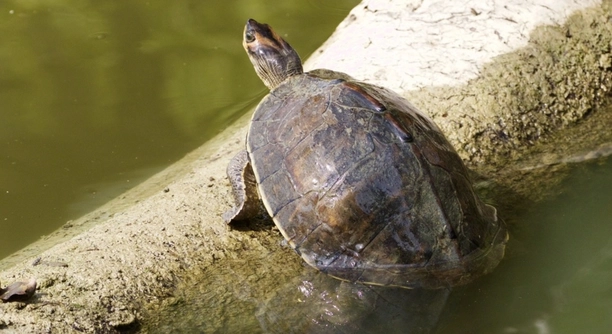
Indian Roofed Tortoises are fascinating pets, but sometimes their behavior can leave you wondering what’s going on. Hissing is a common behavior, but understanding why they do it can help you provide the best care for them.
Hissing in Indian Roofed Tortoises usually occurs when they feel threatened, stressed, or uncomfortable. It is their way of communicating distress and defending themselves from perceived danger. This sound is often made during moments of anxiety or when they feel cornered.
This article will help you understand why your tortoise might be hissing and offer advice on how to improve their well-being and comfort.
Reasons Your Tortoise Might Be Hissing
Hissing in your Indian Roofed Tortoise is their way of expressing discomfort or fear. It’s important to understand that this behavior isn’t always aggressive; it’s often a form of communication when they feel threatened. It may happen when your tortoise is startled or trying to protect itself. Hissing can also be a sign of stress, such as changes in their environment or handling.
If you notice your tortoise hissing frequently, consider any recent changes in their setup or behavior. A loud noise, an unfamiliar person, or even a shift in the enclosure’s temperature could make your tortoise uneasy. Another reason could be that they are not used to being handled. This often leads them to make hissing noises in an attempt to get you to back off.
As a pet owner, it’s essential to respect their personal space. Understanding their body language and responding calmly can help reduce their stress and improve their comfort in their environment.
How to Respond to Hissing
When your tortoise hisses, it’s best not to panic. Staying calm helps prevent making the situation worse. A soft, quiet approach can help to ease their anxiety.
If your tortoise is hissing because of discomfort in its environment, check for temperature or humidity issues in their enclosure. Sometimes, adjusting their space can make a big difference in their comfort levels. Offering a safe place where your tortoise can retreat to when feeling threatened will also help them feel more secure.
It’s also essential to minimize sudden movements. Tortoises are not as social as some pets and may take longer to trust you. Over time, they can become more comfortable with gentle handling, but rushing the process can lead to stress. By being patient and observant, you’ll understand their needs better. Keep interactions minimal until they show signs of feeling more relaxed.
When Is Hissing a Sign of Illness?
In some cases, excessive hissing can indicate a health problem. If your tortoise is hissing more than usual and showing other signs of distress, it might be time for a vet visit. Look for signs like loss of appetite, lethargy, or difficulty moving. If your tortoise appears ill, it’s important to take swift action to ensure they don’t suffer further.
Sometimes hissing is linked to respiratory infections or other conditions that affect their breathing. These infections can cause discomfort, leading your tortoise to express their distress through hissing. In this case, getting professional help is crucial. A vet can diagnose the problem and provide the right treatment.
Regular check-ups can help ensure your tortoise stays healthy and free from illness. Monitoring their behavior, along with making sure they are in a safe, comfortable environment, can help prevent any major health issues. If you’re ever unsure, it’s always better to consult with a vet.
How to Prevent Excessive Hissing
To prevent your tortoise from hissing, ensure its environment is comfortable and secure. Proper temperature and humidity levels can help ease stress. Make sure your tortoise has enough space and hiding spots to retreat when it feels threatened. Avoid handling them too much, especially if they are not used to it.
Over time, your tortoise will become accustomed to its environment, and less hissing will occur. Ensure their living space is quiet, free from sudden disturbances, and that they feel safe in their surroundings. Providing hiding spots can give them control over their space. You’ll notice less stress if their needs are met.
Handling should be minimal, particularly in the beginning. Allow your tortoise to feel comfortable and safe in its environment first. If you need to move them, do so gently and slowly. Over time, this will help your tortoise trust you more and reduce hissing.
The Importance of a Balanced Diet
A balanced diet plays a role in preventing hissing by keeping your tortoise healthy and less stressed. If they are not getting the right nutrition, it can affect their overall well-being, leading to irritability or discomfort. Providing a variety of leafy greens, vegetables, and occasional fruit is essential.
Feeding them too many high-protein foods can lead to health issues, which might cause stress or discomfort. Ensure the diet is tailored to your specific tortoise’s needs. Fresh water should always be available to prevent dehydration, which can also trigger hissing. Be sure to research the best diet for your tortoise’s age and size.
An imbalance in their diet can also affect their digestion, causing them to feel unwell or stressed. When your tortoise feels unwell due to improper nutrition, it may result in hissing as a sign of distress. A well-balanced diet will not only promote a healthy life but also help to minimize stress.
Creating a Comfortable Habitat
The environment plays a big role in how your tortoise feels. Make sure the temperature is right for their species and that humidity levels are consistent. Having a clean and spacious enclosure is key to reducing stress.
A well-maintained habitat will help your tortoise feel secure, reducing the likelihood of hissing. Providing hiding spots and enough room to move around allows them to feel in control. Avoid placing them in an area with too much noise or activity, as this can also cause stress and result in hissing.
The right substrate, lighting, and humidity should match your tortoise’s needs. When the habitat is comfortable, they are less likely to feel threatened and will be less vocal.
Understanding Your Tortoise’s Behavior
Each tortoise is different, so it’s important to learn your specific pet’s body language. Pay attention to their posture and signs of discomfort. Some tortoises are naturally more defensive and will hiss when they feel unsure.
Understanding their limits is key to preventing unnecessary stress. When your tortoise hisses, it’s often a sign they’re feeling vulnerable. Take time to learn how to respond appropriately to calm them.
With patience, you’ll be able to distinguish between hissing due to discomfort and other behavioral signs. This will help you respond effectively and avoid escalating the situation.
When to Seek Professional Help
If your tortoise’s hissing continues despite changes in their environment, it may be time to consult a vet. A consistent hissing sound could indicate an underlying health issue. Look for other symptoms, such as changes in appetite, lethargy, or difficulty breathing.
Having your tortoise checked by a professional ensures they receive the proper treatment. A veterinarian can help identify any health concerns and guide you on how to support their recovery. Regular vet visits also help monitor their overall health, which can prevent future issues.
FAQ
Why does my Indian Roofed Tortoise hiss when I try to pick it up?
Hissing when you try to handle your tortoise is common, especially if it’s not used to being picked up. Tortoises are naturally more solitary and can feel threatened when handled. They may not enjoy being touched or moved without warning, leading them to hiss as a defense mechanism. It’s important to give them time to get used to your presence. Start by sitting near them and allowing them to approach you on their own terms. Gradually, they may feel more comfortable with gentle handling.
Is hissing always a sign of stress?
While hissing is often associated with stress, it’s not always the case. Some tortoises hiss as a form of communication or to protect themselves. If your tortoise hisses when it feels cornered or threatened, it’s likely a sign of stress or discomfort. However, some hissing can be a natural vocalization during certain situations, like when they’re startled. Keep an eye on other signs of stress, such as pacing or hiding, to understand whether the hissing is related to a more serious concern.
Can hissing be caused by poor diet?
Yes, a poor diet can contribute to stress in your tortoise, which may lead to hissing. If your tortoise isn’t getting the right nutrients, it could feel unwell or uncomfortable. A lack of proper nutrition can lead to digestive problems, poor health, or even dehydration. These health issues can make your tortoise more stressed, triggering hissing as a response. Ensure you’re providing a balanced diet suited to your tortoise’s needs, including the right amount of leafy greens, vegetables, and occasional fruits, and always provide fresh water.
How can I tell if my tortoise is sick and not just hissing from stress?
If your tortoise’s hissing is accompanied by other symptoms, such as lethargy, loss of appetite, or difficulty breathing, it could indicate illness rather than stress. Respiratory infections, for example, can cause hissing as the tortoise struggles to breathe properly. It’s important to observe your tortoise closely for any additional signs of illness. If you notice anything unusual, it’s best to consult with a vet. Regular check-ups are also key to maintaining your tortoise’s health and catching any potential issues early.
Should I be worried if my tortoise hisses a lot?
Excessive hissing might be a cause for concern, especially if it’s a recurring behavior. If your tortoise is constantly hissing, it may be a sign that it is frequently stressed, anxious, or uncomfortable in its environment. Consider factors like temperature, humidity, and noise levels in their enclosure. You may also want to reduce the amount of handling and give your tortoise more space to feel safe. If you’ve tried making these changes and the hissing persists, a visit to the vet could help rule out any health issues.
Can I stop my tortoise from hissing altogether?
It may be difficult to eliminate all hissing, but you can reduce it by ensuring your tortoise feels safe and comfortable. Create a calm environment by adjusting their habitat to the right temperature and humidity. Give them enough space to hide and retreat when they feel threatened. Additionally, avoid overhandling them, especially if they’re not used to it. Gradually, with patience and a calm approach, your tortoise will become more comfortable and may hiss less frequently.
Is it okay to pick up my tortoise if it’s hissing?
If your tortoise is hissing, it’s best to avoid picking it up immediately, as this can add to its stress. Instead, try to observe from a distance and give it some time to settle down. Hissing is often a sign that your tortoise feels threatened, and forcing contact may make the situation worse. Let your tortoise approach you on its own terms. If you need to move them, do so slowly and gently, without causing further distress.
How long does it take for a tortoise to stop hissing?
The time it takes for your tortoise to stop hissing depends on its individual temperament and the changes you make to its environment. Some tortoises may take a few days to feel comfortable in a new setting, while others may take weeks to adjust. It’s important to be patient and consistent with creating a calm environment and avoiding too much handling. Over time, as your tortoise becomes more familiar with you and its surroundings, it may hiss less frequently.
Can hissing be a sign of territorial behavior?
Yes, hissing can be a sign of territorial behavior in tortoises. If your tortoise feels that its space is being invaded, it may hiss as a warning. This behavior is common when tortoises feel their territory is being threatened by other animals or even people. Make sure your tortoise has a comfortable and secure space in its enclosure to prevent this kind of stress. It’s also a good idea to avoid overcrowding their habitat or introducing new animals without gradual adjustments.
Do Indian Roofed Tortoises hiss when they’re mating?
While hissing is more commonly a sign of stress or discomfort, some tortoises may make noises during mating. Male tortoises, in particular, may hiss or grunt while trying to attract a female. If you notice this behavior during mating season, it’s likely not a cause for concern. However, if hissing happens outside of mating, or if it’s accompanied by other concerning symptoms, it’s worth investigating further to ensure your tortoise is healthy and comfortable.
Final Thoughts
Understanding why your Indian Roofed Tortoise hisses is key to making sure they’re comfortable and healthy. While hissing is often a sign of stress or discomfort, it’s important to pay attention to other signs your tortoise may show. Factors like temperature, humidity, handling, and diet all play a role in how your tortoise feels. By providing a secure and calm environment, you can help reduce the chances of excessive hissing. Tortoises are naturally shy and may feel threatened by sudden changes, so taking things slow and allowing them time to adjust can make a significant difference.
If your tortoise hisses often, it may be worth assessing their living conditions. Ensure their habitat is set up properly, with appropriate temperature and humidity levels. Offering hiding spots and avoiding loud or stressful environments will also help them feel more secure. Remember, tortoises are not as social as some pets, and they prefer to have their own space. Regular, gentle handling will help your tortoise become more comfortable with you over time, but it’s important not to rush this process. Every tortoise is different, and patience is key when it comes to building trust.
In some cases, hissing can be a sign of a health issue. If your tortoise’s behavior seems out of the ordinary, it’s always best to consult with a vet. Signs of illness, such as lethargy, loss of appetite, or difficulty breathing, should not be ignored. A vet can help diagnose and treat any health problems, ensuring your tortoise stays healthy and happy. By staying observant and providing a proper environment, you’ll be able to reduce stress and help your tortoise live a long, healthy life.

Hello,
If you enjoy the content that we create, please consider saying a "Thank You!" by leaving a tip.
Every little bit helps us continue crafting quality advice that supports the health, happiness, and well-being of pets around the world, for pets of all shapes, sizes, and species.
We really appreciate the kindness and support that you show us!