
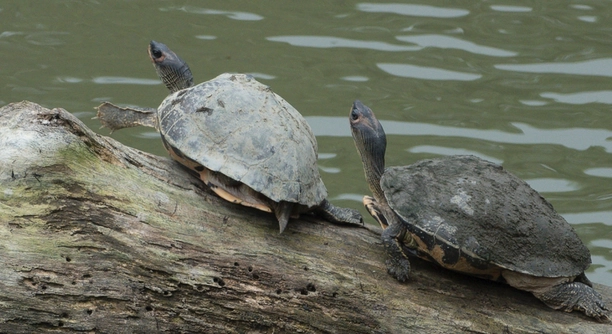
Is your Indian roofed tortoise in need of a suitable flooring option for its enclosure? Choosing the right substrate is essential for maintaining proper hygiene, comfort, and safety. The right flooring ensures a stable, healthy, and enriching habitat for your pet.
The best flooring options for an Indian roofed tortoise enclosure include coconut coir, cypress mulch, topsoil, and a mix of sand and soil. These materials provide adequate moisture retention, prevent impaction risks, and mimic the tortoise’s natural habitat, promoting overall well-being.
Providing the right flooring enhances your tortoise’s comfort and helps maintain humidity levels. Exploring the best options will ensure a safe and enriching environment for your pet.
Coconut Coir Flooring
Coconut coir is a natural, absorbent substrate that helps maintain humidity levels in your tortoise enclosure. It is soft, making it gentle on your tortoise’s shell and limbs. This material is also excellent at retaining moisture without becoming too damp, reducing the risk of bacterial growth. Additionally, it is lightweight and easy to clean, allowing for regular spot cleaning without disrupting the enclosure. When used in combination with other substrates like soil or mulch, coconut coir provides a balanced flooring option that supports burrowing behavior. It is an eco-friendly choice that creates a comfortable and safe environment for your tortoise.
Replacing coconut coir every few weeks helps maintain a clean enclosure. Spot cleaning daily removes waste and prevents unpleasant odors. Mixing it with other substrates, such as topsoil, enhances its texture and stability, making it a versatile flooring option for your pet.
Coconut coir is widely available in compressed bricks that expand when soaked in water. Once hydrated, it creates a soft, earthy bedding that mimics natural conditions. It holds moisture well without becoming overly wet, ensuring proper humidity levels. Additionally, it prevents respiratory issues by keeping dust levels low. Choosing coconut coir is a simple way to provide a comfortable, natural habitat for your tortoise.
Cypress Mulch Flooring
Cypress mulch is a popular flooring choice due to its ability to retain moisture without molding. It helps maintain the proper humidity levels necessary for your tortoise’s health. This substrate is also soft and comfortable, reducing the risk of shell or limb injuries.
A significant advantage of cypress mulch is its ability to resist mold and decay, making it a long-lasting option for enclosures. It holds moisture well while still allowing for adequate airflow, preventing excessive dampness. Additionally, it has a natural appearance, closely resembling the tortoise’s native environment. Regular spot cleaning is necessary to remove waste, and replacing the mulch every few weeks ensures a fresh, hygienic habitat.
To use cypress mulch effectively, spread a layer about three to four inches thick across the enclosure floor. This depth provides a soft surface for movement while retaining enough moisture to support proper humidity. Mixing it with other substrates, such as coconut coir or soil, enhances its effectiveness. Avoid using artificially dyed or chemically treated mulch, as these can be harmful. Cypress mulch is an excellent choice for maintaining a natural, moisture-balanced enclosure that supports your tortoise’s well-being.
Topsoil Flooring
Topsoil is a natural and effective flooring option that closely mimics the tortoise’s natural habitat. It provides a firm but comfortable surface for movement and encourages natural digging behavior. Choosing organic, chemical-free topsoil ensures a safe environment for your tortoise without exposure to harmful additives.
This flooring helps retain moisture, maintaining ideal humidity levels in the enclosure. A well-mixed blend of topsoil and sand prevents excessive compaction, allowing your tortoise to burrow comfortably. The slightly loose texture supports natural behaviors while keeping the enclosure clean. Regular misting prevents dryness, but the soil should never become overly damp. Spot cleaning daily and replacing the soil as needed will help maintain hygiene. A layer about four inches deep provides the best results.
Topsoil is widely available and easy to maintain, making it a convenient choice for tortoise owners. It is essential to choose a pesticide-free variety to avoid potential health issues. Mixing it with coconut coir or mulch can improve its texture and moisture retention. This flooring option supports your tortoise’s natural behaviors, providing a safe and enriching environment while helping regulate temperature and humidity levels.
Sand and Soil Mix Flooring
A mix of sand and soil creates a stable yet natural flooring option for your tortoise enclosure. The combination allows for burrowing while maintaining adequate moisture retention. Using a 60% soil and 40% sand ratio prevents excessive compaction, ensuring a balanced substrate that is neither too loose nor too dense.
This flooring promotes natural digging behavior, helping to keep your tortoise active and engaged. The mixture provides a firm surface for movement, reducing stress on the limbs. It also helps regulate humidity, preventing overly dry conditions. Regular misting maintains moisture levels, but proper drainage is necessary to prevent standing water. Spot cleaning is essential to remove waste and prevent bacterial buildup. Avoid using beach sand or chemically treated materials, as they can pose health risks.
The sand-to-soil ratio can be adjusted based on humidity levels and the specific needs of your tortoise. Adding organic matter, such as leaf litter or coconut coir, enhances the substrate’s moisture retention. A depth of four to five inches provides enough room for burrowing. This flooring option is easy to maintain, cost-effective, and offers a natural feel that encourages healthy behaviors in your tortoise.
Grass Flooring
Natural grass provides a soft and comfortable surface for your tortoise. It allows for natural movement while preventing excessive wear on the shell and limbs. Regular watering and trimming help maintain a healthy growth pattern, ensuring a clean and suitable environment for your tortoise’s daily activities.
Using grass flooring requires proper drainage to prevent excess moisture buildup. Choose a hardy, non-toxic grass variety that can withstand regular grazing. Combining grass with soil or sand ensures stability and supports burrowing behavior. Regular maintenance, including spot cleaning and occasional reseeding, helps keep the enclosure fresh and suitable for long-term use.
Pebble Flooring
Pebble flooring provides a sturdy, well-draining surface that prevents excessive moisture buildup. The smooth texture is gentle on your tortoise’s shell and feet, reducing the risk of injuries. Selecting rounded, medium-sized pebbles ensures comfort while allowing for easy cleaning and maintenance in an outdoor or indoor enclosure.
Reptile Carpet Flooring
Reptile carpet offers a soft, non-slip surface that prevents injuries and provides a clean enclosure setup. It is easy to wash and reuse, making it a cost-effective option. Regular cleaning and drying prevent bacterial buildup, ensuring a hygienic environment. Avoid frayed edges to prevent accidental ingestion or entanglement.
FAQ
What is the best flooring for an Indian roofed tortoise enclosure?
The best flooring depends on humidity levels, enclosure type, and your tortoise’s specific needs. Natural substrates like topsoil, a sand-soil mix, and grass provide a comfortable, enriching environment. Pebbles and reptile carpet offer easy maintenance but lack the burrowing benefits of loose substrates.
Can I use sand alone as flooring?
Pure sand is not recommended because it can cause impaction if ingested. A mix of sand and soil provides a safer alternative, balancing stability and moisture retention. This mixture allows for burrowing while reducing the risk of respiratory and digestive issues.
How often should I clean the enclosure flooring?
Spot cleaning should be done daily to remove waste and prevent bacterial buildup. A deep clean, including substrate replacement, is recommended every few weeks depending on the flooring type. Reptile carpets should be washed frequently, while natural substrates require periodic replacement.
Does the flooring affect humidity levels?
Yes, flooring plays a key role in humidity regulation. Topsoil, coconut coir, and sand-soil mixes retain moisture, helping maintain ideal humidity levels. Dry substrates like pebbles and reptile carpets require misting or additional humidity control to prevent dehydration and shell issues.
Are wood chips or mulch safe for tortoise enclosures?
Some wood chips and mulches can be used, but they must be non-toxic and free of chemicals. Cypress mulch and coconut husk are safe options, but avoid pine, cedar, or any aromatic woods that release harmful oils. Always monitor for accidental ingestion.
Can I use artificial grass for flooring?
Artificial grass is easy to clean but does not provide the same enrichment as natural substrates. It lacks burrowing opportunities and may become too hot in outdoor enclosures. If used, ensure it is securely attached and cleaned regularly to prevent bacterial growth.
What depth should the flooring be for burrowing?
For tortoises that enjoy burrowing, the substrate should be at least four inches deep. A mix of topsoil and sand allows for proper digging while maintaining stability. Deeper layers may be needed if your tortoise frequently burrows for thermoregulation or nesting.
Is newspaper or paper towel flooring a good option?
While newspaper and paper towels are easy to replace and clean, they do not provide natural enrichment. They lack the texture needed for proper movement and do not support burrowing. These materials are best used temporarily, such as during quarantine or medical treatment.
How do I prevent mold or bacteria growth in the flooring?
Proper ventilation, regular spot cleaning, and substrate replacement help prevent mold and bacterial buildup. Avoid excessive moisture, and ensure the enclosure has good drainage. Mixing natural substrates with sand or coconut fiber improves airflow and reduces the risk of mold formation.
Should the flooring be different for indoor and outdoor enclosures?
Yes, outdoor enclosures benefit from natural flooring like grass, soil, or pebbles to maintain humidity and drainage. Indoor setups may require reptile carpets or sand-soil mixes for easier maintenance. Choose a flooring type that suits your enclosure’s climate and cleaning needs.
Can tortoises digest small pebbles or gravel?
Small pebbles can be accidentally ingested, leading to digestive issues. If using pebbles, choose larger, smooth stones that cannot be swallowed. Always monitor your tortoise’s behavior to prevent accidental ingestion and adjust flooring materials if needed.
What is the easiest flooring to maintain?
Reptile carpet and pebbles are the easiest to clean and require minimal maintenance. However, they do not provide the same natural benefits as soil or sand mixes. Balancing convenience with enrichment ensures a healthy environment for your tortoise.
Final Thoughts
Providing the right flooring for an Indian roofed tortoise enclosure is essential for maintaining their health and comfort. The best choice depends on factors like humidity, ease of cleaning, and your tortoise’s natural behaviors. Natural substrates like soil, sand-soil mixes, and coconut coir offer burrowing opportunities while helping regulate humidity levels. Reptile carpets and pebbles provide easier maintenance but may lack enrichment. Selecting a flooring type that supports movement, retains moisture, and mimics their natural habitat will contribute to their overall well-being.
Regular cleaning and maintenance are necessary regardless of the flooring type. Spot cleaning should be done daily to remove waste, while deep cleaning depends on the material used. Natural substrates need periodic replacement to prevent bacterial buildup, while artificial flooring like reptile carpets should be washed regularly. Proper ventilation and drainage also help prevent mold and bacterial growth, ensuring a safe and hygienic environment for your tortoise. Monitoring their behavior can help identify any discomfort or issues with the flooring, allowing adjustments as needed.
Balancing practicality with your tortoise’s needs will create a suitable enclosure. A flooring setup that provides stability, comfort, and proper humidity control supports their long-term health. Choosing the right material, maintaining cleanliness, and observing their behavior ensures a safe and enriching habitat. Providing the best possible flooring helps keep your tortoise active, comfortable, and thriving in its enclosure.

Hello,
If you enjoy the content that we create, please consider saying a "Thank You!" by leaving a tip.
Every little bit helps us continue crafting quality advice that supports the health, happiness, and well-being of pets around the world, for pets of all shapes, sizes, and species.
We really appreciate the kindness and support that you show us!