
Paragraph 1:
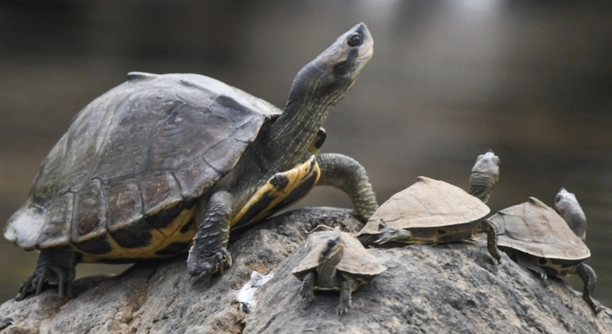
Are you caring for an Indian Roofed Tortoise and wondering if its diet is balanced enough for its health?
Paragraph 2:
The simplest way to ensure your tortoise is getting the right nutrition is by offering a variety of fresh vegetables, leafy greens, and occasional protein. Also, consider proper hydration and calcium supplements to keep its bones strong and healthy.
Paragraph 3:
By following the right feeding habits and observing a few key signs, you can rest assured your tortoise is thriving. Understanding these signs helps keep your pet in great shape for the long run.
1. Healthy Weight and Steady Growth
One of the clearest signs that your Indian Roofed Tortoise is getting enough nutrition is its weight and growth rate. A healthy tortoise should gradually gain weight and size as it matures. This can be observed by looking at its shell, which should not appear sunken or too shallow. A well-nourished tortoise will have a strong, robust shell with a nice rounded shape. If your tortoise is growing too slowly or losing weight, it could indicate poor diet or underlying health issues. It’s important to provide the right balance of nutrients to ensure healthy development.
If your tortoise is consistently growing and not showing signs of weight loss or stunted growth, it’s likely getting the right amount of food. Keep track of its size over time to catch any potential issues early.
Regularly monitor your tortoise’s growth and weight by weighing it on a scale. This will give you a good indication of whether it’s getting the necessary nutrition. If there are signs of slow growth or sudden weight loss, consult with a vet to rule out any medical issues. It’s crucial to address these concerns promptly, as improper growth or weight loss can indicate problems like dehydration, poor feeding habits, or even parasites. In the long run, ensuring proper nutrition will lead to a healthy, thriving tortoise.
2. Active Behavior and Alertness
An active tortoise that actively explores its environment is another indicator of good nutrition.
When a tortoise receives adequate nutrition, it will remain alert, show curiosity, and regularly engage in activities like walking or foraging. If it is lethargic or less active, the cause may be linked to a nutrient deficiency or other health issues. A well-fed tortoise is more likely to be active and curious, demonstrating healthy instincts.
3. Healthy Shell Appearance
A strong, smooth, and clean shell is a good sign of proper nutrition.
If your Indian Roofed Tortoise has a healthy diet, its shell will appear strong and well-formed. It should not have soft spots or visible cracks. Additionally, the shell’s color should be vibrant, not faded or dull. This is a sign that the tortoise is getting enough vitamins and minerals, particularly calcium.
Calcium plays a key role in shell health, and a lack of it can lead to soft, weak shells that may become deformed over time. If the shell looks too thin, weak, or develops abnormalities, it’s crucial to adjust the diet. Offering calcium-rich foods, such as dandelion greens or adding calcium supplements, can help maintain a strong and healthy shell. Regular exposure to natural sunlight or UVB lighting also plays a significant role in shell maintenance.
4. Proper Digestion and Healthy Feces
When your tortoise is getting enough nutrition, it should have regular bowel movements with healthy-looking feces.
The consistency and color of your tortoise’s feces can give you an indication of its digestive health. Well-fed tortoises typically have firm, brownish, and solid droppings. Loose, runny, or unusually smelly stool may be a sign of poor digestion or an imbalance in the diet. Healthy digestion depends on providing fiber-rich foods like grasses, leaves, and certain vegetables.
If your tortoise’s stool appears abnormal, consider adjusting its diet to include more fiber-rich foods. Avoid overfeeding protein, as it can cause digestive problems. Also, ensure your tortoise has access to clean water daily to promote proper digestion. If the issue persists, a visit to the vet might be necessary to rule out other health concerns. Proper nutrition will keep the digestive system functioning smoothly, ensuring your tortoise remains comfortable and healthy.
5. Bright, Clear Eyes
Healthy eyes are another sign your tortoise is getting enough nutrition.
If your Indian Roofed Tortoise has bright, clear eyes, it’s likely receiving the right nutrients. Cloudy or sunken eyes can indicate dehydration or malnutrition. Always keep an eye on your tortoise’s eyes for any changes.
If you notice any signs of eye discharge or swelling, it could mean your tortoise is not getting enough vitamins, particularly vitamin A. Adjusting the diet to include more leafy greens or carrots can help improve eye health. Regular access to proper lighting, such as UVB light, also supports overall eye health.
6. Good Appetite and Feeding Habits
A healthy tortoise will have a good appetite and eat consistently.
If your tortoise is eating regularly and showing interest in food, it’s a good sign that it’s getting the necessary nutrition. However, a loss of appetite can signal a nutrient imbalance, stress, or illness. Make sure to provide fresh, nutritious foods daily.
Keep a close watch on feeding times. Offering a variety of fresh, leafy greens, vegetables, and the occasional fruit ensures a balanced diet. A well-fed tortoise will maintain a healthy weight and energy levels. If it refuses food for a prolonged period, it may be time for a vet check-up.
7. Healthy Skin and Shed
Proper nutrition affects your tortoise’s skin and shedding process.
A well-fed tortoise should shed its skin smoothly, without irregularities or retained old skin. When the tortoise is getting enough nutrition, its skin will look healthy and vibrant. Poor diet, on the other hand, can lead to issues with shedding, such as patches of old skin that are difficult to remove.
FAQ
What should I feed my Indian Roofed Tortoise to ensure it gets enough nutrition?
A balanced diet for your tortoise includes a variety of leafy greens like dandelion greens, collard greens, and mustard greens. You can also offer vegetables such as carrots, squash, and bell peppers. Occasionally, you may give fruits like strawberries or apples in moderation. It’s also important to provide a calcium supplement, as tortoises need calcium to maintain a healthy shell and bones. Avoid feeding too much fruit or high-protein foods, as these can disrupt the nutritional balance and lead to health problems.
How do I know if my tortoise is dehydrated?
Signs of dehydration in a tortoise include dry, flaky skin, sunken eyes, and a lack of interest in food. If your tortoise is not drinking enough water, its overall health can be affected. To ensure your tortoise stays hydrated, provide a shallow water dish that it can easily access. You can also soak your tortoise in lukewarm water for 15-20 minutes a few times a week to help with hydration. Make sure to monitor the water and change it daily.
Can I give my tortoise vegetables from my garden?
Yes, you can feed your tortoise vegetables from your garden, but make sure they are free of pesticides or harmful chemicals. Organic vegetables are a safer option, as they are less likely to contain harmful residues. Always wash the vegetables thoroughly before feeding them to your tortoise. It’s also important to avoid giving certain plants that could be toxic to tortoises, like tomatoes, eggplants, and certain types of ornamental flowers. Stick to safe leafy greens and vegetables for the best results.
How often should I feed my Indian Roofed Tortoise?
Indian Roofed Tortoises typically eat every day, but younger tortoises may need more frequent meals to support their growth. For adult tortoises, feeding them 4 to 5 times a week is often sufficient. You should aim to offer fresh food daily and remove any uneaten food after a few hours to prevent spoilage. The amount of food should be enough to last the tortoise for the day without excess waste. Adjust the amount based on your tortoise’s age and activity level to ensure it is eating enough but not overfed.
Can I give my tortoise treats?
Treats, like fruit or flowers, can be given to your tortoise occasionally, but they should not make up the majority of its diet. Treats should only be given as a small part of its overall nutritional intake. Fruits, while tasty, are high in sugar and can cause digestive problems if given too often. A variety of safe, fresh vegetables should be the main staple of your tortoise’s diet to ensure it gets the proper balance of nutrients.
What is the best way to offer calcium to my tortoise?
Calcium is essential for your tortoise’s shell and bone health. You can provide calcium in two ways: by offering calcium-rich foods such as collard greens or dandelion greens, or by dusting its food with a calcium supplement powder. Calcium powder is available in pet stores and should be sprinkled lightly on your tortoise’s food a few times a week. Additionally, ensure that your tortoise has access to natural sunlight or UVB lighting to help it metabolize calcium effectively.
How can I tell if my tortoise has a vitamin deficiency?
If your tortoise is lacking essential vitamins, it may show symptoms like lethargy, lack of appetite, soft or deformed shells, and poor skin shedding. A common deficiency is vitamin A, which can lead to swollen or cloudy eyes. To prevent deficiencies, offer a diet rich in leafy greens, carrots, and other vegetables. You may also consider adding a vitamin supplement designed for reptiles to your tortoise’s diet, particularly during the winter months when natural sunlight is limited.
Should I be concerned if my tortoise doesn’t eat every day?
Tortoises can have varying appetites, and it’s not always a cause for concern if your tortoise skips a meal every now and then. However, if your tortoise refuses food for several days or appears lethargic, it could indicate a problem. Check for signs of illness, dehydration, or environmental stress. Make sure its habitat is the correct temperature, humidity, and lighting. If your tortoise continues to refuse food or shows any unusual symptoms, consult with a veterinarian.
What are some common feeding mistakes to avoid?
One common mistake is offering too much protein or fruit. These foods can cause imbalances in your tortoise’s diet, leading to issues like obesity or shell deformities. Another mistake is feeding your tortoise foods that are high in oxalates, like spinach or beet greens, which can interfere with calcium absorption. Additionally, some owners may forget to offer a calcium supplement, which can lead to weak bones and shells. Always aim for a balanced, varied diet and make sure to monitor your tortoise’s health regularly.
How much water should my tortoise drink?
Your tortoise needs access to clean, fresh water at all times. Some tortoises drink from a shallow dish, while others may prefer to soak in water. Make sure the water dish is shallow enough for your tortoise to climb in and out of easily, but deep enough to provide hydration. It’s also important to monitor the water’s cleanliness and change it daily. If your tortoise is not drinking water, it might be a sign of dehydration or a need for more water-based foods in its diet.
Can I feed my tortoise store-bought salads?
Store-bought salads can be convenient, but they may not provide the full range of nutrients your tortoise needs. Many pre-packaged salads contain iceberg lettuce, which offers little nutritional value for tortoises. It’s better to offer a variety of leafy greens like kale, collard greens, and dandelion greens. Always check the ingredients in pre-packaged salads and avoid those with added dressings or preservatives, as these can harm your tortoise. Stick to fresh, natural vegetables and greens for the healthiest diet.
What are the signs that my tortoise is overweight?
An overweight tortoise will often have a round, bulging body, and its movements might appear slower than usual. Its shell may also become stretched or misshapen. Obesity can lead to serious health issues like heart disease and shell problems. To prevent obesity, ensure you’re offering the right portion sizes and that the tortoise is getting regular exercise. If you’re unsure about your tortoise’s weight, consult with a veterinarian for advice on managing its diet and weight.
Final Thoughts
Maintaining the right nutrition for your Indian Roofed Tortoise is essential for its overall health and well-being. A balanced diet that includes a variety of leafy greens, vegetables, and occasional fruits will provide the necessary vitamins, minerals, and fiber. Calcium is especially important for shell health, so ensuring your tortoise gets enough through food or supplements is crucial. A proper diet, along with adequate hydration and exposure to UVB light, will help your tortoise thrive and grow to its full potential. Regular observation of its weight, activity level, and overall behavior will help you spot any signs of poor nutrition early on.
While feeding your tortoise, be mindful of portion sizes and avoid overfeeding or offering too many high-protein foods or fruits. Too much of these can lead to imbalances that might cause health problems like obesity or digestive issues. Offering fresh food daily and removing any uneaten portions helps keep your tortoise’s diet clean and safe. It’s also important to rotate the types of greens and vegetables offered to prevent boredom and ensure it gets a wide range of nutrients. Regularly reviewing your tortoise’s diet will help you stay on track with meeting its nutritional needs.
Remember, every tortoise is different, so what works for one may not always be ideal for another. By closely monitoring your tortoise’s health and making adjustments to its diet as needed, you can ensure it stays strong and happy. If you ever notice any concerning signs, like loss of appetite or changes in behavior, don’t hesitate to consult a vet. With the right care and attention to nutrition, your Indian Roofed Tortoise can live a long, healthy life.

Hello,
If you enjoy the content that we create, please consider saying a "Thank You!" by leaving a tip.
Every little bit helps us continue crafting quality advice that supports the health, happiness, and well-being of pets around the world, for pets of all shapes, sizes, and species.
We really appreciate the kindness and support that you show us!