
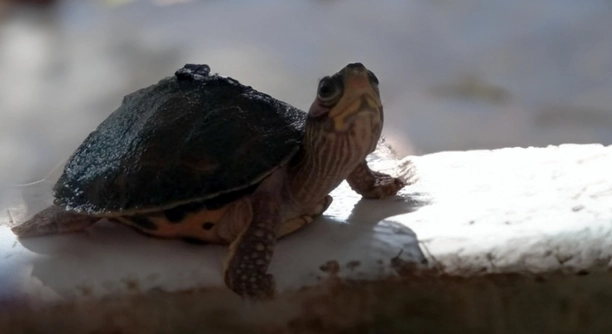
Your Indian Roofed Tortoise may climb on its tank mates for several reasons, ranging from social behavior to environmental factors. Understanding these actions can help ensure your tortoise’s well-being and its interactions with tank mates.
Climbing is often a natural behavior in tortoises, driven by territorial instincts or a need for space. It may also be a sign of stress or an attempt to explore their environment. Ensuring a suitable tank setup can minimize these behaviors.
Understanding why your tortoise climbs can help you create a more comfortable environment for both it and its tank mates. This knowledge is essential for maintaining a peaceful and healthy habitat.
Common Reasons for Climbing Behavior
Climbing is a natural instinct for many animals, including the Indian Roofed Tortoise. They may climb on their tank mates due to the desire for more space, exploring their environment, or asserting dominance. Tortoises often display territorial behavior and may use climbing as a way to find higher ground or access food sources. These actions, though seemingly odd, are typically harmless if your tortoise is not overly aggressive. However, constant climbing may indicate that the tank is too small or lacks sufficient hiding spots for the animals to feel safe.
The behavior can also be linked to the tortoise’s need for physical exercise or stimulation. Without adequate space or objects to climb on, a tortoise might use its tank mates as a source of movement. This could be disruptive for both the tortoise and the tank mate, leading to stress or even injury.
Creating a more enriching environment with proper hiding spots and climbing structures will reduce the need for the tortoise to climb on its tank mates. The more comfortable the tortoise feels, the less likely it will engage in such behaviors.
The Role of Stress and Social Interaction
Tortoises are solitary by nature, but they can show interest in their tank mates. When stressed, they may climb on others to seek comfort or reassurance. This is often seen when they are introduced to new environments or tank mates. The unfamiliarity of a new setting can trigger climbing behavior as the tortoise searches for stability and reassurance.
If your tortoise seems overly stressed, it’s important to assess the tank setup and ensure it provides a safe, stable environment. Stressors such as overcrowding, inappropriate tank temperature, or lack of hiding spots can exacerbate the climbing behavior. Additionally, introducing new tank mates slowly can help reduce the stress caused by territorial instincts.
By observing your tortoise’s behavior closely and making adjustments, you can create a more peaceful and balanced habitat for all tank inhabitants.
Tank Size and Space Limitations
A small tank often leads to tortoises feeling confined. When the available space is limited, they may try to climb on their tank mates as a way to escape or find more room. A larger tank with more space can help reduce these behaviors, as it allows the tortoise to move freely and explore.
Without enough room to roam, your tortoise may also engage in repetitive behaviors, like climbing, out of frustration or boredom. Ensuring the tank is appropriately sized for the number of tortoises can help alleviate this issue. Providing ample space for each animal will encourage natural behaviors, reducing unnecessary climbing.
Adding enrichment to the tank, such as rocks, branches, or platforms for climbing, can give your tortoise the physical exercise and stimulation it needs. This can help redirect its attention from climbing on tank mates to exploring and climbing on these objects instead.
Proper Tank Setup
Proper tank setup is crucial for minimizing stress and unwanted behaviors. If the temperature, humidity, and lighting conditions aren’t ideal, your tortoise may become anxious, leading to climbing on tank mates. Tortoises are sensitive to changes in their environment, and an uncomfortable setup can trigger stress.
To keep your tortoise comfortable, make sure the tank has adequate hiding spots, basking areas, and a cool zone. Temperature gradients are essential for regulating their body temperature, while proper humidity levels ensure hydration. Overcrowding or insufficient resources can increase anxiety and the likelihood of climbing on others.
It’s also important to monitor the tank mates’ compatibility. If certain species are not well-matched, stress can result in disruptive behaviors like climbing. Ensure that each tank mate has enough space and resources, as this will create a harmonious environment for all animals.
Behavior and Social Hierarchy
Tortoises have their own social structures, and climbing can be a way of asserting dominance. When one tortoise climbs on another, it may be a form of establishing hierarchy within the tank. This behavior is more common in environments where there are multiple tortoises competing for resources.
While this can sometimes result in aggression, it’s typically not dangerous if your tortoises have enough space and access to food and water. If the climbing is excessive, it could indicate that one tortoise is trying to dominate the other, which may lead to stress or harm.
Monitoring interactions and ensuring that each tortoise has its own territory can help reduce dominance-related behaviors. This may involve rearranging the tank to create clear boundaries and ensure that no one tortoise is continuously challenged by others.
Tank Mates Compatibility
Not all species of tank mates are compatible. If your tortoise is frequently climbing on its tank mates, it could be a sign that the species aren’t suited for cohabitation. Certain tank mates may stress out your tortoise, causing it to act out.
Choosing compatible tank mates is key to minimizing stress. Tortoises of similar size and temperament usually get along better, while species with differing needs can cause tension and unnecessary climbing behavior. It’s important to research each species’ requirements before placing them in the same tank to ensure their comfort and safety.
The Impact of Improper Feeding
Feeding plays a significant role in your tortoise’s behavior. Improper feeding habits can lead to obesity, stress, or territorial disputes over food. If your tortoise is climbing on others, it may be a sign of competition for food or an unbalanced diet.
Ensuring that each tortoise receives an appropriate amount of food will help prevent climbing caused by hunger or competition. Providing a variety of fresh vegetables, and avoiding overfeeding, can promote healthier behaviors and reduce the likelihood of climbing.
FAQ
Why is my Indian Roofed Tortoise climbing on its tank mates?
Climbing can be a natural behavior for tortoises, as they may do it for territorial reasons or to seek out more space. It may also be a sign of stress or boredom, especially if the tank is too small or lacks enrichment. Tortoises sometimes climb on each other as a way of asserting dominance or looking for a higher vantage point. If this behavior seems excessive, it could indicate that your tortoise feels crowded or uncomfortable in its environment.
Can climbing be harmful to the other tortoises in the tank?
While climbing is usually not harmful, it can become problematic if it leads to aggression or stress between tank mates. Continuous climbing might irritate the other tortoises, especially if one feels threatened or unable to retreat to a safe area. If the climbing is frequent and causes signs of stress, such as biting or hiding, it’s best to reevaluate the tank setup.
How can I stop my tortoise from climbing on its tank mates?
First, ensure your tank is large enough to accommodate all the tortoises comfortably. Adding hiding spots, climbing structures, and more space can reduce the urge to climb on each other. You can also divide the tank into territories to prevent excessive competition. If the behavior continues, observe your tortoise for signs of stress and address any potential environmental issues, like temperature or humidity, that could be triggering it.
Is climbing a sign of aggression?
Climbing can sometimes be linked to aggression, especially if a tortoise is trying to establish dominance. However, it is more often a way to explore or find a better spot. If climbing is accompanied by biting, chasing, or other aggressive behaviors, it might indicate territorial disputes. In that case, separating the tortoises or adjusting the tank setup might help.
Do tortoises climb when they are stressed?
Yes, stress can lead to climbing behavior. If the tank environment isn’t ideal, or if there are too many tortoises in a small space, they may climb on each other to find safety or comfort. Stressful conditions, like fluctuating temperatures or improper humidity, can also cause a tortoise to engage in climbing as a coping mechanism.
Can a lack of food cause my tortoise to climb on others?
Hunger can sometimes cause tortoises to become more aggressive or competitive. If your tortoise is climbing on its tank mates, it could be trying to get access to food or space. Make sure each tortoise is getting enough food and that there is no competition for resources. Overfeeding can also lead to stress or behavioral issues, so it’s important to balance their diet.
How can I tell if my tortoise is feeling stressed?
Signs of stress in tortoises include constant hiding, lack of appetite, aggressive behaviors, or excessive climbing. If your tortoise is regularly climbing on its tank mates, it could be a sign that it is stressed or not comfortable in its environment. Look for other signs like pacing or excessive scratching, which can also indicate stress.
Can my tortoises live together peacefully, or should I separate them?
Tortoises can live together peacefully if they have enough space and are compatible species. However, not all tortoises are suited to live with others, especially if they have different needs or temperaments. If one tortoise is climbing excessively or displaying aggressive behaviors, it may be best to separate them to reduce stress and prevent injury.
How much space does my tortoise need to avoid climbing?
The minimum tank size for one tortoise should be at least 40 gallons, with an additional 10 gallons for each additional tortoise. However, providing more space is always beneficial. A larger tank with hiding spots, basking areas, and climbing structures can help reduce climbing behavior. The more room your tortoise has to roam, the less likely it is to climb on its tank mates.
Should I be concerned if my tortoise climbs on its tank mate occasionally?
Occasional climbing is typically not a cause for concern. Tortoises may climb on each other from time to time as part of normal behavior, especially if they are curious or exploring. However, if this behavior becomes frequent or aggressive, it’s worth assessing the tank environment and making adjustments to prevent potential stress or injury.
How can I tell if my tank setup is causing stress?
If your tortoise is climbing on its tank mates, it may be a sign that something in the setup is causing stress. Check for issues like inadequate space, poor temperature regulation, insufficient hiding spots, or overcrowding. If your tortoise is consistently climbing, there may be underlying environmental problems that need to be addressed.
What type of tank mates are best for my Indian Roofed Tortoise?
When selecting tank mates, it’s important to choose species that have similar care requirements and temperaments. Generally, tortoises of similar size and species are the best options. Avoid mixing tortoises with more aggressive or territorial species, as they may cause stress or injury. Always research the species thoroughly before placing them together to ensure compatibility.
Can adding enrichment reduce climbing behavior?
Yes, providing enrichment like climbing structures, rocks, and plants can help reduce the need for your tortoise to climb on its tank mates. Tortoises are naturally curious and enjoy exploring their environment. Giving them objects to climb on and interact with will allow them to express their natural behaviors in a safe way.
Final Thoughts
Climbing is a common behavior for tortoises, especially if they are placed in environments where they feel crowded or stressed. In the case of the Indian Roofed Tortoise, this behavior can be driven by various factors such as territorial instincts, social hierarchy, or even boredom. While it’s natural for tortoises to occasionally climb on each other, excessive climbing could be a sign that something in the environment needs attention. Whether it’s adjusting tank size, providing more hiding spots, or ensuring a balanced diet, these small changes can go a long way in reducing climbing behavior.
One important aspect to consider is the compatibility of tank mates. Not all tortoises or reptiles are suited for living together. Some may have different social structures or care needs that lead to stress when cohabiting. If you notice that your tortoises are frequently climbing on each other, it might be time to reevaluate their living arrangements. This could involve separating them or rearranging the tank to create designated spaces for each tortoise. Keeping an eye on their behavior and ensuring they have enough space to move around can help minimize conflicts and ensure their well-being.
Finally, understanding the root causes of climbing behavior is essential for creating a peaceful environment for your tortoises. Stress from overcrowding, improper feeding, or unsuitable tank conditions can all contribute to this issue. Providing enrichment, like rocks or logs to climb on, can help satisfy your tortoise’s natural curiosity and reduce climbing on tank mates. By addressing the factors that lead to climbing, you can help ensure your tortoises are happy, healthy, and living in an environment that suits their needs.

Hello,
If you enjoy the content that we create, please consider saying a "Thank You!" by leaving a tip.
Every little bit helps us continue crafting quality advice that supports the health, happiness, and well-being of pets around the world, for pets of all shapes, sizes, and species.
We really appreciate the kindness and support that you show us!