
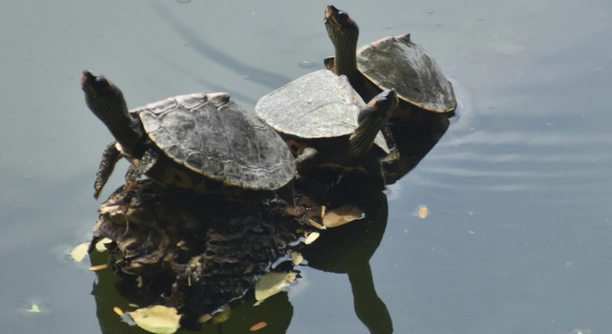
Creating a suitable habitat for your Indian roofed tortoise is essential for their well-being. One important aspect is selecting the right plants to enrich their environment and provide a natural, safe setting for them.
The best plants for an Indian roofed tortoise habitat are those that are non-toxic and provide natural shelter and food sources. Plants like dandelion, clover, and grasses offer the right nutrition and a safe environment for your tortoise.
Choosing the right plants ensures a healthier and more enjoyable habitat for your tortoise. Keep reading to find out which plants are ideal and which ones to avoid for their safety.
7 Best Plants for an Indian Roofed Tortoise Habitat
When selecting plants for your Indian roofed tortoise habitat, it’s essential to choose species that are safe, nutritious, and easy to maintain. The plants should not only be non-toxic but also provide enrichment through natural food sources and shelter. Choosing the right plants is key to recreating a healthy environment for your tortoise. Plants that grow in a tortoise’s natural habitat can help mimic the conditions they are used to. This ensures they remain happy and healthy in their enclosure.
Grasses such as Bermuda and Timothy are excellent choices for your tortoise’s habitat. They not only add greenery but also serve as a natural food source. You can also add dandelion, which is rich in nutrients and can provide a varied diet. Avoid plants that are too hard to maintain or might require excessive pruning, as this could introduce toxins or stress for your tortoise.
Adding a variety of plants to your tortoise habitat can provide a balanced diet and natural shelter. Consider planting clover, which is both edible and helpful for hiding spots. Mixing a range of plant types keeps the environment stimulating for your tortoise and can encourage natural foraging behavior.
What to Avoid in Your Tortoise Habitat
Certain plants are harmful to your Indian roofed tortoise, so it’s important to be aware of which ones to avoid. Avoid plants like azaleas, oleander, and foxglove, as these can be toxic if ingested by your tortoise. While these plants might look attractive, they pose significant risks to your pet.
Not all plants will benefit your tortoise habitat. For example, some ornamental plants contain chemicals that may be harmful. Stick to plants that are known to be safe and non-toxic to avoid any health issues. Always do research before introducing any new plant to your tortoise’s living space. This will ensure you are providing the safest and most suitable environment for them.
Best Plants for Shelter and Hiding Spots
Plants like low-growing shrubs and vines work well for providing shelter and hiding spots in your tortoise’s habitat. These plants create areas where your tortoise can feel secure. They also contribute to a more natural environment that encourages your tortoise to exhibit instinctive behaviors.
Hiding spots are important as they offer your tortoise a safe place to rest and retreat. Plants such as creeping thyme or ivy can work well in this regard. Both of these are low-maintenance and offer adequate coverage. Additionally, they help mimic the natural environment that tortoises are accustomed to, making them feel more at ease.
When selecting plants for shelter, consider their ability to grow and spread naturally within the enclosure. This provides your tortoise with a greater sense of security. Climbing plants such as creeping fig can also help provide an additional layer of shelter, ensuring your tortoise can move freely without feeling exposed.
Plants That Help with Digestion
Plants like dandelion, clover, and chickweed are great for aiding in digestion. These plants contain fiber, which is important for a tortoise’s digestive health. Including them in their habitat helps ensure they receive a balanced diet that promotes regular digestion.
Dandelion leaves, for example, contain essential nutrients and can be consumed by your tortoise directly from the habitat. Clover, known for its soft texture and high fiber content, supports digestive function while offering a pleasant, natural food source. Chickweed is another safe option that can help with digestion and prevent constipation.
Providing these plants in your tortoise’s habitat will offer nutritional benefits. The plants also encourage foraging behavior, which is vital for their mental stimulation and overall well-being.
Easy-to-Maintain Plants
Some plants require little attention and can thrive in a tortoise habitat with minimal care. Grasses like Bermuda and Timothy are perfect for this. They grow easily and provide both food and shelter without much effort. These plants do not require frequent pruning, making them ideal for busy tortoise owners.
Succulent plants like aloe vera and sedum also make for low-maintenance options. They are drought-tolerant and can withstand various conditions, making them great additions to the habitat. They can withstand neglect and offer both aesthetic value and natural hiding spots.
Plants That Provide Variety
Adding a variety of plants to your tortoise’s habitat keeps things interesting for them. Plants such as mustard greens, dandelions, and clover provide a range of textures and flavors. This encourages your tortoise to forage, promoting natural behaviors.
Having a mix of plant types also ensures a balanced diet. The diversity of plants will contribute to a well-rounded nutrition plan. Including both edible and ornamental plants makes the environment feel richer and more natural, providing mental stimulation along with nourishment.
Toxic Plants to Avoid
It’s important to stay away from plants like oleander, azaleas, and ivy, as they can be toxic to tortoises. These plants can cause poisoning if ingested, leading to serious health issues. Make sure to research any plant you introduce into their environment.
FAQ
What are the best plants for an Indian roofed tortoise habitat?
The best plants include grasses like Bermuda and Timothy, along with dandelion, clover, and chickweed. These plants are non-toxic, easy to grow, and provide both nutrition and shelter. They mimic a tortoise’s natural environment and offer essential nutrients that support their health and well-being.
Can I use flowering plants in my tortoise’s habitat?
Flowering plants can be used, but you need to be cautious. Some flowers are toxic, while others are beneficial. Safe flowers like hibiscus or marigold can be introduced, but always make sure they are non-toxic. Be mindful of your tortoise’s diet and remove any flowers that might not be safe for them to eat.
Are all types of grass safe for tortoises?
Not all grasses are safe. Grass types like Bermuda, Timothy, and Meadow grass are ideal because they are rich in fiber and suitable for a tortoise’s diet. However, grasses that are sprayed with pesticides or chemicals should be avoided, as they can harm your tortoise.
Can I plant vegetables in my tortoise’s habitat?
Yes, you can plant certain vegetables, but you should avoid those that are high in oxalates or acids. Plants like mustard greens, dandelion, and clover are good choices, but lettuce should be limited due to its low nutritional value. It’s important to plant vegetables that complement your tortoise’s diet without overwhelming them.
How do I care for the plants in my tortoise’s habitat?
Plant care in a tortoise’s habitat involves keeping the soil healthy and ensuring plants get enough sunlight. Make sure to water the plants regularly but avoid overwatering, as it can lead to mold or pests. Trim any dead or excessive plant material to prevent it from becoming a hazard.
Do I need to change the plants in my tortoise’s habitat frequently?
Generally, plants should not need to be changed frequently. As long as the plants remain healthy and non-toxic, they can stay in the habitat for an extended period. However, you should monitor the plants for signs of disease or overgrowth and remove any unhealthy plants promptly.
Can I add artificial plants to my tortoise’s habitat?
Artificial plants can be used to add decoration and additional hiding spots, but they should never replace real plants. Tortoises need the natural benefits of real plants, such as foraging opportunities and proper nutrition. If using artificial plants, ensure they are free of sharp edges or harmful materials.
Should I avoid certain types of soil for my tortoise’s habitat?
Yes, avoid using soil with harmful chemicals, like fertilizers or pesticides, as these can harm your tortoise. Opt for organic, pesticide-free soil that can retain moisture and support healthy plant growth. You can also mix in sand for better drainage, depending on the plants you choose.
What if my tortoise starts eating plants that are not safe for them?
If your tortoise eats a plant that is not safe, remove it immediately and monitor your tortoise for any signs of distress, such as lethargy, vomiting, or changes in behavior. If any of these symptoms occur, contact a veterinarian immediately. Always ensure that harmful plants are completely removed from the habitat.
Can I use plants that grow in my backyard?
You can use plants from your backyard, but you need to be careful. Not all backyard plants are safe for tortoises. Make sure to research the plants before introducing them to your tortoise’s habitat. If you’re unsure, it’s always better to stick with known, safe plants for tortoises.
How do I prevent pests in my tortoise’s habitat plants?
To prevent pests, maintain a clean habitat. Remove any dead leaves or plant matter regularly, as these can attract insects. You can also use natural pest repellents, like neem oil, but avoid chemical pesticides. Ensure your plants are not overwatered, as stagnant water can attract unwanted pests.
Is it necessary to provide a variety of plants in my tortoise’s habitat?
Providing a variety of plants is beneficial for both your tortoise’s diet and their mental stimulation. A range of edible plants encourages foraging behavior, which is a natural activity for tortoises. Variety also ensures a balanced diet, offering different textures and flavors that contribute to overall health.
Final Thoughts
Creating a suitable habitat for an Indian roofed tortoise involves more than just choosing the right plants. It’s about providing a balanced environment that supports both their physical and mental well-being. Plants play a crucial role in this process, offering food, shelter, and even entertainment for your tortoise. The plants you select should mimic their natural habitat, offering a variety of textures and nutritional benefits while avoiding those that could harm them. When planning the habitat, consider not only the types of plants but also their care needs, such as sunlight and watering requirements.
Choosing the right plants ensures that your tortoise gets the nutrients it needs. Edible plants like dandelions, clover, and grasses provide essential fiber, while other plants can help create a more natural environment for them. These plants promote natural foraging behaviors, allowing your tortoise to engage in activities that it would normally do in the wild. However, it’s also essential to avoid plants that are toxic. Some common garden plants, such as oleander or azalea, can be dangerous for tortoises if ingested. Always research any plant before introducing it to your tortoise’s habitat to ensure its safety.
While the plants you choose are important, maintaining the overall habitat environment is equally essential. Regular care, such as proper watering, sunlight, and pest control, will ensure the plants thrive and continue to provide benefits to your tortoise. Remember to remove any dead or unhealthy plant material promptly to keep the habitat clean and safe. Additionally, be sure to monitor your tortoise’s behavior to make sure the plants are having a positive effect on their health. By creating a well-balanced and carefully managed habitat, you’ll be helping your tortoise live a healthy, happy life.

Hello,
If you enjoy the content that we create, please consider saying a "Thank You!" by leaving a tip.
Every little bit helps us continue crafting quality advice that supports the health, happiness, and well-being of pets around the world, for pets of all shapes, sizes, and species.
We really appreciate the kindness and support that you show us!