
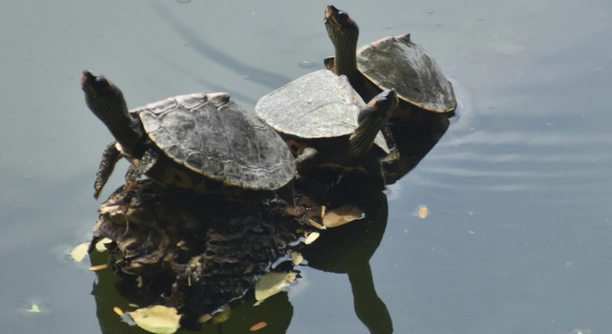
The Indian Roofed Tortoise undergoes fascinating growth stages that every pet owner should understand. Learning about its development can help ensure it thrives as it matures. This article covers essential information for its care.
The growth of an Indian Roofed Tortoise progresses through distinct stages. From hatchling to adult, it experiences changes in size, diet, and behavior. Understanding these stages is vital for providing proper care and promoting the tortoise’s well-being.
As the tortoise grows, you’ll discover key milestones to keep in mind. This knowledge is essential for creating the ideal environment and ensuring a healthy life for your pet.
The Hatchling Stage: The Beginning of Growth
At birth, Indian Roofed Tortoises are small and fragile. Hatchlings usually measure around 1.5 inches in length. During this stage, they are highly dependent on their environment and need specific care to thrive. Their diet mainly consists of soft greens and vegetables. Maintaining a warm and humid environment is essential to support proper growth.
The early stages are crucial as the tortoise develops its immune system. Keeping hatchlings in a safe, clean habitat will reduce the risk of infections and health problems. A consistent temperature of 80-85°F is necessary for optimal development.
As they grow, they begin to show more activity. Tortoises at this stage are very curious and will explore their environment. Providing hiding spots and areas to bask will help them feel secure. Care during this time ensures a strong foundation for their future growth.
The Juvenile Stage: Building Strength
As the tortoise transitions into the juvenile stage, it starts to grow rapidly. This phase typically begins around 6 months to a year. At this point, their size increases significantly, and they may measure up to 4 inches long.
The juvenile Indian Roofed Tortoise requires a varied diet to meet its energy needs. While leafy greens remain essential, it’s important to introduce fruits, flowers, and small amounts of animal protein. Proper calcium intake supports shell development and overall health.
This period is when the tortoise starts to show more independence. They are often more active and can handle a broader range of activities. It is crucial to ensure their enclosure remains safe as they become more adventurous. Regular handling can help strengthen the bond with their caretakers.
The Subadult Stage: Gaining Independence
As the tortoise matures, it enters the subadult stage. This phase starts around 2 to 3 years of age and can last until they are about 5 years old. The tortoise’s growth slows down but remains steady.
During this time, their diet should be adjusted. They can now handle more variety, including different vegetables and occasional fruits. As their activity level increases, they may begin to forage more and explore outside their enclosure if safe to do so. This stage is critical for monitoring their health and growth.
The subadult stage is marked by changes in behavior. The tortoise becomes more independent and less reliant on constant care. However, it’s still important to ensure they are housed properly with access to clean water, appropriate food, and space to move freely. Regular shell inspections will also help identify any potential issues early.
The Adult Stage: Reaching Full Size
Reaching full maturity, the adult Indian Roofed Tortoise usually occurs around 5 to 7 years of age. By this time, they can grow to a length of 8-12 inches, depending on their diet and care. The tortoise becomes fully independent at this stage.
Adults require a balanced diet to maintain their health. They typically eat a mix of grasses, leaves, and flowers, with calcium and vitamin D3 supplementation for shell health. The diet should be low in protein, as too much can lead to health problems. Regular exposure to UVB light is essential for calcium absorption.
At this stage, tortoises may not grow as quickly, but they will continue to mature and thrive with proper care. Their behavior may become calmer, and they are more likely to spend time basking in the sun or resting. Ensuring they have a spacious and stimulating environment is crucial to maintaining their well-being.
Diet and Nutrition Through the Stages
Each growth stage requires different nutritional needs. Hatchlings thrive on soft greens, while juveniles need more variety, including fruits and occasional protein. Adults should focus on leafy greens and grasses, with supplements for calcium. Proper diet ensures healthy growth and prevents health issues later on.
Feeding them a balanced diet at every stage helps promote strong bones and a healthy shell. Overfeeding or improper food choices can lead to obesity or shell deformities. Monitoring their food intake and offering fresh, safe options will help them grow strong and healthy.
Temperature and Humidity Requirements
Maintaining the right temperature and humidity levels is crucial for tortoise growth. Hatchlings need warmth to support metabolism, typically between 80-85°F. As they grow, they can handle slightly cooler conditions, but they still require a stable environment for optimal health. Humidity also needs to be controlled.
The humidity level should stay between 50-70%, which helps prevent dehydration and supports proper shell development. A misting system or humidifier can help achieve this. Regularly check both temperature and humidity to ensure they remain within the ideal range for their age and size.
Shell Development and Care
The shell plays an important role in protecting the tortoise and is a good indicator of its health. During each stage, proper nutrition and environmental conditions help promote strong shell development. Avoiding stress and injury is crucial for preventing damage to the shell, especially during early growth.
A healthy shell should be smooth and firm. If you notice soft or misshapen areas, this could be a sign of malnutrition or environmental stress. Ensuring that your tortoise has access to UVB light, along with a calcium-rich diet, supports optimal shell growth and strength.
FAQ
What is the best diet for an Indian Roofed Tortoise at each growth stage?
Hatchlings should have a diet primarily consisting of soft greens, like dandelion leaves and kale. Juveniles need a more varied diet that includes a mixture of leafy greens, fruits, and occasional protein, such as boiled eggs or insects. Adults should focus on grasses, leaves, and occasional flowers, along with supplements like calcium and vitamin D3 to ensure strong shell growth. Each stage requires careful attention to the nutritional needs, as poor diet can stunt growth or cause health issues.
How much space does an Indian Roofed Tortoise need at each stage?
Hatchlings can be housed in a smaller enclosure to ensure they feel safe and secure. However, as they grow, they need more space to roam. A juvenile should have at least a 40-gallon tank or similar-sized enclosure. By the time they reach adulthood, their enclosure should be large enough for them to move freely, with areas to bask and hide. Ideally, an adult tortoise needs a minimum of 8×4 feet of space for comfortable living.
Can Indian Roofed Tortoises be kept outside?
Yes, they can be kept outside, but only if the climate is suitable. Indian Roofed Tortoises thrive in warm, humid environments. If you live in an area where temperatures stay above 70°F year-round, you can set up an outdoor enclosure with proper shelter, shade, and safety from predators. The enclosure should also have a secure perimeter to prevent escape.
What should the temperature and humidity levels be for an Indian Roofed Tortoise?
Temperature and humidity are crucial for the tortoise’s well-being. For hatchlings, the temperature should range between 80-85°F during the day and drop slightly at night. As the tortoise matures, the temperature can be slightly lower but still needs to stay above 70°F during the day. Humidity should be maintained between 50-70%. Use a humidity gauge to monitor the conditions inside the enclosure. Regular misting can help maintain the humidity level.
How do I know if my tortoise is sick?
Signs of illness include lack of appetite, abnormal behavior, excessive sleeping, or abnormal shell condition. If the shell becomes soft or deformed, it could indicate a nutritional deficiency, often linked to calcium or UVB light. Additionally, respiratory problems, such as wheezing or nasal discharge, may point to respiratory infections. If you notice any of these signs, it’s essential to seek veterinary care immediately.
How long does it take for an Indian Roofed Tortoise to reach full size?
Indian Roofed Tortoises generally reach their full size between 5-7 years of age, though their growth rate can vary depending on diet, habitat, and overall care. During the first few years, they grow rapidly. After that, the growth rate slows, and they become more steady in size. They can reach a length of 8-12 inches as adults.
How often should I feed my Indian Roofed Tortoise?
Hatchlings and juveniles should be fed daily to support their rapid growth. As they reach adulthood, you can reduce the feeding schedule to every other day. It’s important to provide fresh, varied food every time they are fed, ensuring they get the proper nutrients for their age and size. Always remove any uneaten food after a few hours to prevent spoilage.
Do Indian Roofed Tortoises need a heat lamp or UVB light?
Yes, UVB light is essential for the health of your tortoise, especially for calcium absorption and shell development. Without it, the tortoise could develop metabolic bone disease. A heat lamp is also necessary to maintain the proper temperature range within the enclosure. Place the UVB light and heat lamp in separate areas of the enclosure to create a temperature gradient for basking and cooling down.
Can I handle my Indian Roofed Tortoise?
Yes, you can handle your tortoise, but it’s important to do so gently. While they may not be as social as some other pets, they can become accustomed to human interaction. Start handling your tortoise for short periods and always support their body. Over time, they may grow more comfortable with being held, but never force it.
What kind of substrate is best for an Indian Roofed Tortoise?
For the best results, use a substrate that retains moisture but is also easy to clean. Coconut coir, organic soil, or a mixture of sand and soil are great options. Avoid using pine or cedar shavings, as they can be harmful to your tortoise’s respiratory system. Make sure the substrate is deep enough for them to burrow, as it supports natural behavior and helps with humidity.
How often should I clean my tortoise’s enclosure?
The enclosure should be spot-cleaned daily. Remove uneaten food, waste, and any debris. Once a week, a deeper cleaning is necessary, which involves removing and replacing the substrate and thoroughly cleaning all surfaces in the enclosure. This helps maintain a healthy environment and reduces the risk of infections.
Do Indian Roofed Tortoises hibernate?
Indian Roofed Tortoises do not typically hibernate like some other species. However, they may enter a state of brumation, where their activity level decreases during cooler months. This is different from full hibernation and doesn’t require special care beyond maintaining proper temperature and humidity. Ensure that your tortoise still has access to food and water during this time.
Can I keep more than one Indian Roofed Tortoise together?
It’s possible to house more than one tortoise together, but caution is needed. Tortoises can be territorial, and conflicts may arise. If you choose to house multiple tortoises, ensure the enclosure is large enough to allow each tortoise to establish its own space. Watch for signs of aggression, such as chasing or biting, and separate them if needed.
What are the signs of shell rot in an Indian Roofed Tortoise?
Shell rot occurs when bacteria or fungi cause damage to the tortoise’s shell, leading to soft, discolored, or foul-smelling patches. Early signs of shell rot include soft spots, discoloration, or the presence of pus-like material. If you suspect shell rot, take your tortoise to a vet for prompt treatment.
Final Thoughts
Caring for an Indian Roofed Tortoise can be a rewarding experience, but it comes with responsibilities. Providing the right environment, diet, and care is crucial for their growth and health. As a pet owner, it’s important to understand the specific needs of this species at each growth stage. Hatchlings require more attention, particularly when it comes to diet and warmth. As they grow, their needs change, and their habitat should be adjusted accordingly. Adult tortoises need plenty of space, the proper temperature, and the right balance of nutrition to thrive.
In addition to meeting their basic needs, regular monitoring of your tortoise’s health is essential. A healthy tortoise is active, eating well, and shows no signs of distress or illness. It’s important to keep an eye out for any changes in behavior or appearance, such as loss of appetite, abnormal shell condition, or sluggishness. These could be signs of health issues that may need immediate attention from a vet. Routine cleaning of the enclosure, proper humidity levels, and UVB lighting will help maintain a healthy living space for your tortoise.
Ultimately, the Indian Roofed Tortoise can be a long-term companion if properly cared for. Understanding their natural habitat and replicating it in your care routine is key to helping them live a healthy and happy life. Whether they are growing from hatchlings to adults or simply enjoying their environment, keeping them safe and comfortable should always be your top priority. With the right care, your tortoise can thrive, grow, and become a cherished part of your life for many years.

Hello,
If you enjoy the content that we create, please consider saying a "Thank You!" by leaving a tip.
Every little bit helps us continue crafting quality advice that supports the health, happiness, and well-being of pets around the world, for pets of all shapes, sizes, and species.
We really appreciate the kindness and support that you show us!