
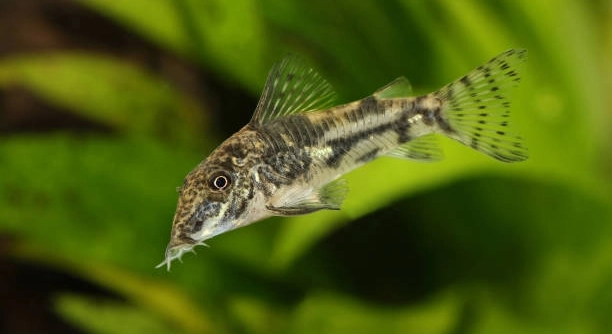
Do you ever find yourself watching your Corydoras catfish swim all alone while the others huddle together in a group?
Corydoras catfish may swim alone due to stress, illness, environmental factors, or social structure. While these fish are naturally social, changes in their surroundings or health can influence individual behavior and isolation.
From tank conditions to individual personalities, several subtle reasons might be at play. Learning what’s behind this behavior can help you support your Corydoras more effectively.
1. Corydoras Are Naturally Social Fish
Corydoras catfish are known for their social nature. In the wild, they live in large groups and spend most of their time swimming together along riverbeds. When kept in home aquariums, they usually do best in groups of at least five or six. This helps them feel safe and comfortable. If a Corydoras is swimming alone, it could mean the group is too small or the fish is new and still adjusting. Sometimes, a fish might separate from the group if it feels stressed or unsafe. Social interaction plays a big role in how Corydoras behave, and a lack of it can lead to isolation. Tank mates also matter—if the Corydoras are housed with aggressive or overly active fish, they might feel intimidated and avoid group activity. Watching how they interact and making changes to improve their environment can often help bring them back to their usual group behavior.
A single Corydoras swimming apart could be trying to cope with an uncomfortable or unfamiliar situation in its tank.
Even though Corydoras prefer company, stressors like tank conditions, noisy surroundings, or the presence of larger fish can lead them to stay by themselves. Keeping a peaceful environment with a proper school size is important.
2. Illness or Injury Can Cause Isolation
When a Corydoras catfish becomes sick or injured, it often withdraws from the group and spends more time alone.
Corydoras tend to hide or become less active when they are not feeling well. Common signs include clamped fins, loss of appetite, and sluggish movement. Illnesses like internal parasites or bacterial infections can affect behavior before other symptoms appear. Injured fish may also avoid swimming with others to avoid being bumped or chased. If you notice a Corydoras staying alone consistently, it’s important to observe closely for any physical signs of illness. Sometimes, early changes in behavior are the only hint something is wrong. Test the water quality, as poor conditions often lead to health problems. You may also want to consider separating the fish in a quarantine tank for a closer look or treatment. Proper water care, a balanced diet, and attention to subtle changes in activity can make a big difference in spotting and treating health concerns early.
3. New Tank Setup or Rearranged Environment
When the tank is newly set up or recently changed, Corydoras may act differently, including swimming alone.
Corydoras rely on familiar surroundings to feel secure. If their environment is changed—like adding new decorations, moving plants, or replacing substrate—it can make them unsettled. A new tank with fresh water parameters, unfamiliar scents, or lighting can also add to their discomfort. They may separate themselves until they feel safe again. Give them time to adjust, and try to avoid making too many changes at once. Stability is important for their well-being. Keeping lighting soft and ensuring hiding spots are available can help them settle in faster and encourage them to rejoin the group.
If you recently added new fish, changed the filter, or even cleaned the tank a bit too thoroughly, these adjustments can cause temporary stress. Corydoras are sensitive to environmental changes. Providing a calm space, maintaining consistent water parameters, and allowing time for adjustment usually helps them return to normal group behavior.
4. Personality Differences Between Individuals
Some Corydoras just have different personalities and prefer to keep a bit more distance than others in the group.
Not all fish act the same, even within the same species. You might notice that one Corydoras is always the first to explore while another lingers behind. Just like people, they have different levels of comfort when it comes to activity and social interaction. A more independent fish may not always stick close to the group, especially if it feels content on its own. This doesn’t always mean something is wrong. Observing their habits over time helps you tell the difference between normal behavior and a sign of stress or illness.
Some Corydoras are naturally more reserved and may prefer swimming alone for short periods. As long as the fish is eating, showing healthy movement, and not displaying signs of distress, this can be completely normal. Pay attention to how it acts over several days. A temporary preference for solitude is not unusual and might just be part of that fish’s unique behavior. Watching them closely will help you learn what’s normal for each fish in your tank.
5. Bullying or Aggressive Tank Mates
Corydoras can become withdrawn if they are being picked on by more dominant or aggressive fish in the tank.
Even mild chasing or competition during feeding times can make a Corydoras avoid others. If this happens often, it may choose to stay alone to avoid stress or injury.
6. Breeding Behavior or Mating Readiness
When Corydoras are preparing to breed, you might notice unusual behaviors, including swimming alone or acting more secretive.
Sometimes a male or female will separate itself from the group as part of its natural behavior during mating readiness. This is especially true if the fish is searching for a quiet spot to spawn or trying to pair off with a mate. In some cases, it may look like the fish is avoiding the group, but it could just be part of a normal process. Breeding activity often brings subtle changes to how they interact, so a short period of isolation may not be a problem. Make sure water conditions are stable and tank mates are not interfering with their space.
7. Poor Water Quality
Poor water conditions often cause Corydoras to act differently, including separating from the group.
Ammonia spikes, low oxygen, or high nitrates can all affect their behavior and overall health.
FAQ
Why is only one of my Corydoras swimming alone while the others stay together?
This can happen for a few reasons. It might be a personality difference, where one fish is naturally more independent. It could also be adjusting to a new tank, feeling unwell, or reacting to poor water conditions. Even bullying from tank mates can cause a Corydoras to separate from the group. Watch for signs of illness like sluggish movement, clamped fins, or loss of appetite. Also, check water parameters to make sure everything is stable. If the fish still acts normally otherwise, it may just need a bit more time or space.
Can Corydoras get lonely if kept alone?
Yes, Corydoras are social fish and thrive when kept in small groups of their own kind. A single Corydoras in a tank may show signs of stress, stay inactive, or hide often. Over time, loneliness can impact their health and behavior. Ideally, you should keep at least five or six Corydoras together to help them feel secure and show their natural behaviors. While one alone might survive, it won’t be as active or happy as it would be with a proper group.
How long does it take a new Corydoras to adjust to a tank?
It usually takes about a week or two for a new Corydoras to fully adjust. During this time, it might hide, avoid others, or swim alone. This is normal as the fish is getting used to the new environment, water conditions, and tank mates. Keeping the lighting soft, avoiding sudden movements near the tank, and making sure the water parameters are ideal can help speed up the process. Adding the Corydoras to a group instead of alone also helps them settle more comfortably.
Is it normal for Corydoras to rest alone sometimes?
Yes, it’s completely normal. Corydoras often take breaks by resting on the bottom of the tank. Sometimes they do this together, but other times one might rest alone. As long as the fish is breathing normally, moving well when active, and not showing signs of distress, it’s nothing to worry about. Resting is a regular part of their day, and it doesn’t always mean they are sick or unhappy. Keep an eye on how often and for how long it rests to spot any changes.
What should I do if my Corydoras is always alone?
First, check your water quality with a test kit—look at ammonia, nitrites, nitrates, and pH levels. Then, observe the other fish for bullying or chasing. Make sure the tank isn’t too noisy or overly bright. If all else seems fine, consider adding more Corydoras to form a proper group. These fish are more confident when surrounded by their own kind. If the isolated fish is showing signs of illness, move it to a separate tank for closer monitoring and possible treatment.
Can aggression from other fish cause a Corydoras to isolate?
Yes, aggression is a common cause of isolation. While Corydoras are peaceful, they may be housed with more active or territorial fish that chase or disturb them. If they feel threatened, they might hide or keep their distance from others to stay safe. Look for signs like torn fins or frequent hiding. You can rearrange tank décor to reduce aggression or even rehome the aggressive fish if needed. Creating hiding spots also gives Corydoras a way to feel secure.
Do Corydoras need hiding spots in their tank?
Absolutely. Hiding spots help Corydoras feel safe and relaxed, especially when they’re adjusting to a new environment or feeling stressed. Use decorations like caves, driftwood, and plants to create sheltered areas. These spots not only provide comfort but also let them escape from bright lights or other fish when needed. A well-decorated tank with soft substrate and gentle lighting is ideal. It supports both their mental and physical health, making them more likely to stay active and social.
Why is my Corydoras active at night but hides during the day?
Corydoras are more active during dim light periods, such as early morning or evening. If your lighting is too bright during the day, they may spend most of their time hiding. This doesn’t mean something is wrong—it’s part of their natural rhythm. Using low lighting or adding floating plants to soften the light can encourage more daytime activity. If the fish seems healthy otherwise, this behavior is usually nothing to worry about and just means they’re more comfortable with a darker setting.
Final Thoughts
Corydoras catfish are peaceful, social creatures that usually enjoy staying in groups. If you see one swimming alone, it doesn’t always mean something is wrong. Sometimes it could just be resting or acting based on its own personality. Other times, it may be reacting to changes in the tank, such as new decorations, new tank mates, or different water conditions. These fish can be a little shy, especially when something feels off in their environment. Watching how your Corydoras behaves over time helps you understand what is normal for that individual fish. Patience and regular care usually help them feel comfortable again.
Still, it’s important not to ignore ongoing changes in behavior. A Corydoras that consistently avoids the group might be dealing with stress, illness, or poor water quality. Checking the water regularly and making sure the tank is calm and well-balanced goes a long way in keeping your fish healthy. If there’s a chance the fish is sick, isolating it for observation or treatment may be helpful. Also, consider whether the Corydoras has enough of its own kind in the tank. These fish do best when kept in small schools of five or more. A single Corydoras in a large tank can feel insecure and hide more often than those in a proper group.
Creating the right environment makes a big difference. Soft lighting, hiding spots, clean water, and peaceful tank mates all play a role in keeping your Corydoras active and happy. If you notice a fish swimming alone more than usual, observe closely but don’t panic. Many times, small changes to the setup or some time to adjust will bring it back to its normal behavior. Every fish has its own habits, and not all signs of separation are cause for concern. With a little attention and care, your Corydoras will likely return to social swimming and enjoy being part of the group again. Keeping their tank calm, balanced, and suited to their needs is the best way to support their natural behavior and overall health.

Hello,
If you enjoy the content that we create, please consider saying a "Thank You!" by leaving a tip.
Every little bit helps us continue crafting quality advice that supports the health, happiness, and well-being of pets around the world, for pets of all shapes, sizes, and species.
We really appreciate the kindness and support that you show us!