
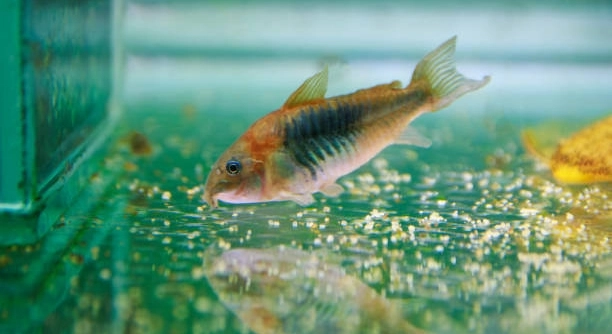
Corydoras catfish are popular for their playful and peaceful nature in home aquariums. However, when their eyes become cloudy, it can be worrying for aquarium owners. Cloudy eyes might indicate a health issue that needs attention.
Cloudy eyes in Corydoras catfish are commonly caused by infections, poor water quality, or physical injuries. The condition can lead to impaired vision and may affect the overall health of the fish. Identifying the root cause is crucial for treatment.
Understanding the causes of cloudy eyes will help you take the right steps to protect your fish. Keep reading to learn how to identify the problem and what you can do to improve their well-being.
Poor Water Quality
Cloudy eyes in Corydoras catfish are often linked to poor water conditions. If the water is dirty or contains harmful substances like ammonia, nitrites, or nitrates, the fish’s eyes may become cloudy. Inadequate filtration or inconsistent water changes can cause these harmful levels to rise. Water quality is critical for their health, and poor conditions can lead to infections and stress.
To prevent cloudy eyes caused by poor water quality, it’s important to maintain a regular cleaning routine. Testing your aquarium water regularly will help you monitor the levels of harmful substances. Ensure the water is properly filtered and consider using a water conditioner to neutralize harmful chemicals.
Make sure to perform regular water changes to remove excess waste and toxins that build up over time. A clean tank promotes overall health for your fish and reduces the risk of eye problems. Keeping a stable and clean environment is essential for keeping your Corydoras catfish healthy and happy.
Bacterial and Fungal Infections
Infections are another common reason for cloudy eyes in Corydoras. Bacterial and fungal infections can affect the eyes and cause them to appear cloudy. These infections are often triggered by poor water quality or injury.
Once infected, your Corydoras catfish may experience discomfort, and the infection can spread to other parts of the body if left untreated. Early detection is key to preventing further complications.
Treating bacterial infections often requires the use of antibiotics, while fungal infections may need antifungal medications. It’s important to isolate the affected fish to prevent the infection from spreading. Using salt baths and ensuring the tank environment is clean can also help speed up the healing process. Always seek advice from an aquarium professional to choose the right treatment for your fish.
Physical Injury
Sometimes, cloudy eyes can result from physical injuries to the Corydoras catfish. These injuries might occur if the fish gets scratched by decorations or rocks in the tank. It’s important to check for any sharp objects that could cause damage.
Fish often injure themselves during swimming or by bumping into objects, which can lead to bruising or abrasions on the eyes. Injuries to the eyes can cause swelling and cloudiness as the body tries to heal. In some cases, the eye may become infected, worsening the condition.
To avoid these injuries, make sure the tank is free of sharp or rough objects. Smooth decorations and rocks will help prevent accidental scrapes. If you notice any injury to the fish’s eye, it’s crucial to keep an eye on it and provide a stress-free environment to aid healing.
Poor Diet
A poor diet can lead to cloudy eyes in Corydoras catfish. If your fish isn’t getting the right nutrients, their immune system may weaken, making them more susceptible to infections and eye problems. A lack of vitamins or minerals can cause health issues, including cloudy eyes.
To improve your fish’s diet, feed them a variety of high-quality food, such as sinking pellets, frozen foods, and live foods. Ensure that the food you provide contains all the essential nutrients Corydoras need to stay healthy. Overfeeding or underfeeding can both be harmful, so finding the right balance is crucial.
Adding a variety of foods will help ensure your fish gets the necessary nutrients. Additionally, vitamin-rich foods, such as spirulina or omega-3 supplements, can boost their immune system. A balanced diet not only improves eye health but overall well-being, making your Corydoras happier and healthier in the long run.
Stress
Stress can cause Corydoras catfish to develop cloudy eyes. Changes in water temperature, new tank mates, or loud noises can increase stress levels. A stressed fish’s immune system weakens, making it more prone to infections that affect the eyes.
To reduce stress, keep the environment stable and quiet. Avoid sudden changes in water parameters or temperature. If you add new fish, introduce them slowly to prevent territorial conflicts. A calm, secure environment can prevent stress-related health problems, including cloudy eyes.
Poor Water Temperature
Incorrect water temperature can contribute to cloudy eyes in Corydoras catfish. These fish prefer temperatures between 72°F and 78°F (22°C to 26°C). If the water is too hot or too cold, it can cause stress and weaken their immune system.
Ensure your aquarium heater is set to the correct temperature for Corydoras. Using a reliable thermometer can help you monitor the water temperature closely. Avoid fluctuations and maintain a steady, comfortable environment for the fish. Keeping the temperature consistent helps support their overall health and reduces the risk of eye issues.
Water Hardness
Hard water can also be a factor in cloudy eyes for Corydoras catfish. If the water in your tank is too hard, it can cause irritation to the fish’s eyes, leading to cloudiness. High mineral content can stress the fish and create unfavorable living conditions.
Test the water hardness regularly to ensure it’s within the appropriate range for Corydoras catfish. If necessary, adjust the water hardness with appropriate methods like using a water softener or distilled water. By keeping the water’s hardness in check, you can help prevent potential eye problems and other health issues.
FAQ
What causes Corydoras catfish to get cloudy eyes?
Cloudy eyes in Corydoras catfish can be caused by several factors, including poor water quality, infections, physical injuries, stress, or an unbalanced diet. These issues can weaken the fish’s immune system and lead to eye problems. Ensuring clean water, a balanced diet, and a stress-free environment can help prevent cloudy eyes.
How do I fix cloudy eyes in my Corydoras catfish?
The first step is to identify the underlying cause. If poor water quality is to blame, perform water changes and ensure proper filtration. For infections, consider using appropriate antibiotics or antifungal treatments. Make sure to monitor your fish and provide a calm environment.
Can cloudy eyes in Corydoras catfish heal on their own?
In some cases, cloudy eyes can heal on their own if the cause is temporary, like minor injury or stress. However, if the problem is related to infection or poor water quality, it is unlikely to improve without intervention. Regular water changes and proper care are essential.
How can I prevent cloudy eyes in my Corydoras catfish?
To prevent cloudy eyes, maintain clean water, avoid sudden changes in temperature, and provide a balanced diet. Regular water testing and consistent water changes can prevent the buildup of harmful substances. Reducing stress by keeping the tank environment stable will also help your fish stay healthy.
What are the signs of a bacterial infection in Corydoras catfish?
Bacterial infections may cause symptoms such as cloudy eyes, swelling, redness, or lesions on the body. Infected fish may also appear lethargic, have difficulty swimming, or exhibit abnormal behavior. If you suspect an infection, isolate the fish and consider using antibiotics to treat it.
How often should I change the water in my Corydoras tank?
Water changes are crucial for maintaining a healthy tank. For Corydoras catfish, changing 20-25% of the water every week is ideal, but it can depend on the size of your tank and the number of fish. Testing the water regularly will help you determine the best schedule for your setup.
Can Corydoras catfish recover from cloudy eyes without treatment?
It depends on the cause of the cloudy eyes. If it’s due to a minor injury or stress, the eyes may recover naturally. However, if the issue is caused by an infection or poor water quality, treatment is necessary for proper recovery.
Is it safe to add salt to the tank for treating cloudy eyes?
Salt baths can sometimes help with minor injuries or infections in fish, including Corydoras. However, adding salt directly to the tank can be harmful if the water conditions aren’t right for it. Always research the proper dosage and consult a professional before using salt in your aquarium.
What is the best food to feed Corydoras catfish to prevent cloudy eyes?
A balanced diet rich in vitamins and nutrients is key to preventing cloudy eyes. Feed Corydoras sinking pellets, along with occasional frozen or live foods like bloodworms or brine shrimp. These foods provide the necessary protein and nutrients to support their immune system and overall health.
Can cloudy eyes be a sign of old age in Corydoras catfish?
Cloudy eyes can sometimes be a sign of aging, as older fish may develop eye issues. However, it is more commonly caused by health problems such as infections or poor water quality. If your Corydoras is older and showing signs of cloudy eyes, ensure the tank environment is ideal and monitor for other symptoms.
How do I treat fungal infections in Corydoras catfish?
Fungal infections often appear as a white, cotton-like growth on the fish’s skin or eyes. Treatment typically involves antifungal medications available at pet stores. Remove the infected fish from the main tank to prevent spreading the infection to other fish. Make sure to adjust water conditions to prevent further outbreaks.
How can I reduce stress in my Corydoras catfish?
Stress can be minimized by maintaining a stable tank environment with appropriate water temperature, pH levels, and water hardness. Avoid overstocking the tank, and ensure the Corydoras have plenty of hiding spots. Keep the tank in a quiet area to reduce external disturbances.
What are the best tank mates for Corydoras catfish?
Corydoras catfish are peaceful bottom dwellers, making them great tank mates for other non-aggressive fish. They do well with species like tetras, guppies, and mollies. Avoid keeping them with larger, more aggressive fish that could stress or harm them.
How can I tell if my Corydoras is suffering from poor water quality?
Signs of poor water quality in Corydoras include cloudy eyes, sluggish behavior, and a decrease in appetite. Fish may also gasp for air at the water surface or show unusual swimming patterns. Regular water testing is crucial to detect imbalances before they cause visible harm to your fish.
Is it safe to use chemical treatments for cloudy eyes in Corydoras?
While chemical treatments can help treat infections, they should be used with caution. Always follow the instructions and ensure the tank’s water parameters are stable before applying any medication. It’s often better to try more natural methods, such as improving water quality and diet, before turning to chemicals.
Final Thoughts
Cloudy eyes in Corydoras catfish can be concerning, but it’s important to remember that the condition is often treatable with the right care. The causes can range from poor water quality and infections to stress and diet-related issues. Identifying the underlying cause of the cloudy eyes is essential to choosing the appropriate treatment. Keeping the water clean, providing a balanced diet, and maintaining a stable environment are all key steps in preventing future eye problems.
It’s also important to monitor the behavior of your Corydoras closely. Fish are good at hiding their symptoms until the issue becomes more severe. If you notice your catfish becoming lethargic or not eating, this could be a sign that the cloudy eyes are a symptom of something more serious, like an infection. Early intervention can make a significant difference in the recovery process, so it’s crucial to act quickly when you notice any changes in their appearance or behavior.
While some minor issues like stress or slight injuries may resolve on their own, more serious causes of cloudy eyes, such as infections or poor water quality, often require treatment. Regular water testing, proper tank maintenance, and a well-rounded diet are essential for the long-term health of your Corydoras. By staying proactive about their care, you can help ensure that your fish remain happy and healthy, with clear eyes and a stress-free environment.

Hello,
If you enjoy the content that we create, please consider saying a "Thank You!" by leaving a tip.
Every little bit helps us continue crafting quality advice that supports the health, happiness, and well-being of pets around the world, for pets of all shapes, sizes, and species.
We really appreciate the kindness and support that you show us!