
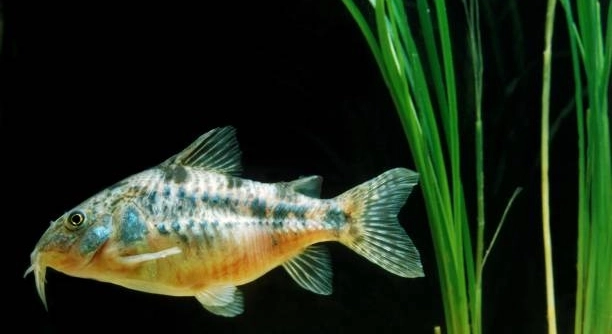
Corydoras catfish are popular aquarium fish known for their peaceful nature. They are often kept alone or in small groups, but sometimes, they may need more companionship. Understanding the signs they give can help you provide them with a better life.
Corydoras catfish show signs of needing more tankmates when they exhibit stress, excessive hiding, or aggression. These fish are social and thrive in the company of others. Lack of companionship can lead to behavioral and health issues.
Adding more Corydoras catfish to your tank could be just the solution. Recognizing the signs early can prevent your fish from becoming stressed or unhappy. Understanding their needs will create a more peaceful, healthy environment.
Understanding the Behavior of Corydoras Catfish
Corydoras catfish are social creatures that enjoy the company of their own kind. When alone or in a small group, they may not behave as naturally as they would in a larger group. They are active, bottom-dwelling fish that often prefer to be with others for security and interaction. Without enough tankmates, these fish can become stressed, which may lead to changes in their behavior. For instance, you might notice them hiding more often or not exploring the tank as they usually do. Over time, this can affect their health and overall well-being. Providing them with more companions can greatly improve their confidence and happiness.
When Corydoras are kept alone or with too few tankmates, they can become stressed, leading to hiding and less activity. This stress can make them more susceptible to illnesses.
A key factor in the health of your Corydoras catfish is their need for social interaction. They are known to thrive in groups, often sticking together while swimming or foraging for food. A solitary Corydoras catfish might seem less active or even lethargic, especially when compared to a group. They may also become more territorial, showing aggressive behavior towards other fish. It’s important to note that stress from loneliness can affect not only their activity but their immune system as well, making them more vulnerable to diseases. By ensuring they have enough companions, you help them feel secure and comfortable, which encourages natural behavior.
Signs of Stress in Corydoras Catfish
Stress in Corydoras catfish can be hard to notice at first, but the signs are there if you pay attention. Excessive hiding, inactivity, or changes in appetite are a few clear indicators.
One of the most common signs of stress is when your Corydoras start hiding more often. Instead of swimming around and interacting with their tankmates, they may retreat to corners or behind decorations. This behavior is a response to stress, as they feel insecure without enough companions. Inactive fish may also stop foraging for food, which can lead to weight loss and malnutrition. Additionally, a decrease in appetite can also be a sign of stress, especially if they seem uninterested in the food you offer. Over time, this behavior can cause their health to decline.
Other physical signs of stress include faded color and clamped fins, where the fish hold their fins close to their bodies. These visual changes are signals that something isn’t quite right. Corydoras, when kept with adequate tankmates, tend to have brighter colors and appear more relaxed. If you notice these signs in your fish, adding more companions could be a simple solution to alleviate their stress and restore their vibrant health.
The Importance of Tank Size for Corydoras Catfish
Corydoras catfish need ample space to thrive. A small tank can cause overcrowding and stress, even with enough tankmates.
For a group of Corydoras catfish, the general recommendation is a tank size of at least 20 gallons. This gives them enough room to swim freely and interact with each other without feeling cramped. A larger tank also helps maintain water quality, which is vital for their health. Overcrowding can lead to poor water circulation and higher levels of waste, which might cause stress or illness in your fish.
In addition to tank size, maintaining proper filtration is crucial. Clean water ensures that your Corydoras can stay healthy and active. If the tank is too small, poor water conditions can lead to lethargy and disease. Larger tanks provide more stable water parameters, making it easier to keep your fish happy. If you’re considering more tankmates for your Corydoras, upgrading to a bigger tank is a good idea to ensure they have the space they need to thrive.
Social Needs of Corydoras Catfish
Corydoras are schooling fish, and they feel more secure when surrounded by their own kind. The social aspect of their nature is important for their well-being.
A group of at least six Corydoras is ideal for them to feel comfortable. When in a group, they exhibit more natural behaviors like swimming together and exploring the tank. They often form tight-knit groups that swim close to each other for safety and companionship. Without enough tankmates, Corydoras can become shy and inactive. They may hide more often or swim aimlessly, as they don’t have the confidence that a group provides.
The social interaction among Corydoras is also essential for reducing stress. When kept alone or in very small groups, these fish can become anxious, which may affect their immune system. In larger groups, the Corydoras feel more secure and exhibit better overall health. If you notice any signs of stress in your Corydoras, it’s worth considering adding more to the tank to ensure they have the social support they need.
Observing Corydoras Catfish Swimming Patterns
Corydoras catfish have specific swimming habits that can reveal their need for more tankmates. If they seem to swim aimlessly or stick to one area of the tank, it may be a sign they’re lonely.
Corydoras typically swim in groups, often moving together while foraging for food. If they are swimming alone or avoiding interaction with others, it may indicate they need more companions. Active, group-oriented behavior is a sign that your Corydoras are feeling secure and social.
The Effect of Lighting on Corydoras Behavior
Corydoras can be sensitive to lighting, and inadequate lighting may add to their stress. These fish prefer dimmer, subdued lighting that mimics their natural habitat.
Harsh lighting can make them feel exposed and insecure. Dim lighting creates a calmer environment where Corydoras feel safer to explore and interact with their tankmates. When placed in well-lit aquariums with too much brightness, they may hide more often or become less active. Providing softer lighting helps reduce stress and allows Corydoras to swim freely without fear of predators. Keep the light levels low to keep them comfortable.
Feeding and Tankmate Interaction
Feeding time is another key indicator of whether your Corydoras need more tankmates. If they seem overly aggressive or hesitant at feeding times, it may be due to loneliness.
Corydoras are generally peaceful when it comes to food, but if they don’t have enough companions, they might compete for food or act aggressively toward other fish. In a group, Corydoras share food and do not feel the need to fight for their share. With the right number of tankmates, they can peacefully enjoy their meals without the stress of competition. If your Corydoras are hesitant or aggressive at feeding time, adding a few more fish might help balance things out.
FAQ
How many Corydoras should I keep together?
Corydoras are social fish and thrive in groups. A minimum of six Corydoras is recommended to ensure they feel comfortable and secure. In smaller groups, they may show signs of stress, such as hiding more or becoming less active. Keeping them in groups helps mimic their natural behavior, encouraging them to swim and forage together. With a larger group, they are less likely to feel isolated, which can help prevent stress-related issues. Make sure to consider the size of your tank when deciding on the number of Corydoras.
Can Corydoras live alone?
While Corydoras can survive on their own, it’s not ideal. These fish are naturally social and prefer the company of their own kind. If you only have one, it might feel lonely, which could lead to stress and health problems. Although solitary Corydoras might adapt in time, they won’t be as active or healthy as they would be in a group. It’s always better to keep them with at least one or two other Corydoras to ensure they feel safe and happy in their environment.
What are signs that my Corydoras are stressed?
Stress in Corydoras can manifest in several ways. You might notice that they are hiding more often than usual, avoiding other tankmates or not swimming as actively. They may also display physical symptoms, such as clamped fins (where the fins are tightly pressed against the body), faded colors, or erratic swimming. Stress can also cause them to lose their appetite, making them uninterested in food. These behaviors can be triggered by loneliness, poor water quality, or other environmental factors. If your Corydoras show any of these signs, it’s a good idea to assess their tank conditions and consider adding more tankmates.
Can Corydoras be kept with other fish?
Yes, Corydoras are peaceful and generally do well with many other species. They are bottom-dwellers, so they won’t compete with other fish for space. However, you should avoid keeping them with overly aggressive species that may stress them out or cause harm. Corydoras are small and slow-moving, so it’s best to choose tankmates that won’t outcompete them for food or space. Some good tankmates include other peaceful species like tetras, guppies, or small rasboras.
What tank size is best for Corydoras?
Corydoras need space to swim and explore, so a larger tank is always better. The general recommendation for a group of six Corydoras is a minimum of 20 gallons. A larger tank provides more space for your Corydoras to move around comfortably, reducing stress and ensuring they stay active. In a bigger tank, water parameters are also more stable, which can prevent health issues. Additionally, a larger tank allows you to keep more fish and create a more dynamic, natural environment for your Corydoras.
How do I know if my Corydoras need more tankmates?
If your Corydoras are showing signs of stress, such as hiding frequently, being less active, or becoming aggressive toward other fish, they may need more tankmates. Corydoras are social creatures, and when kept alone or in very small groups, they can become anxious. A larger group helps them feel secure and encourages natural behaviors like swimming and foraging together. If you notice changes in their behavior, adding a few more Corydoras can help improve their overall well-being.
What should I feed Corydoras?
Corydoras are bottom feeders, and they primarily eat sinking pellets or wafers, which they can scavenge from the substrate. They also enjoy occasional live or frozen food, such as bloodworms, brine shrimp, or daphnia. It’s important to ensure they get a varied diet that includes both plant-based and protein-rich foods. Feeding them a balanced diet will help keep them healthy and active. Avoid overfeeding, as leftover food can quickly degrade water quality, which may lead to stress and health problems for your Corydoras.
Are Corydoras easy to care for?
Corydoras are generally easy to care for, as long as their basic needs are met. They prefer stable water conditions, with temperatures between 72-78°F and a pH level of 6.0-7.5. They also need a well-maintained tank with a gentle filtration system, as strong currents can be stressful for them. Regular water changes are important to keep the environment clean and safe. As long as you provide them with a proper tank setup, a healthy diet, and social interaction, Corydoras can thrive and be a peaceful addition to your aquarium.
Can Corydoras live with shrimp?
Yes, Corydoras and shrimp can live together peacefully in the same tank. Both species tend to keep to different areas of the tank, with Corydoras staying near the bottom and shrimp often hiding or climbing on decorations. Corydoras generally won’t bother shrimp, as their primary focus is on scavenging food from the substrate. However, be cautious with very small shrimp, as they might be at risk if the Corydoras are very hungry or if the shrimp are too small to escape. Larger, hardier shrimp like Amano or Cherry shrimp do well with Corydoras.
Do Corydoras need a lot of hiding spots?
Corydoras do appreciate having hiding spots in the tank, though they are generally not as shy as other species. Providing them with caves, plants, or decorations can help them feel more secure, especially when they are feeling stressed. Hiding spots allow them to retreat and rest, which is important for their well-being. However, unlike some other fish, Corydoras do not need a dense arrangement of hiding spaces. They tend to be more active and social when there are open areas to explore, so balancing both open space and hiding spots is key.
Final Thoughts
Corydoras catfish are peaceful, social fish that thrive in the company of others. They are known for their friendly nature and enjoy living in groups. When kept alone or with just a few tankmates, they can become stressed and their behavior can change. Stress can lead to issues such as hiding more often, becoming inactive, or showing signs of aggression. If your Corydoras seem to be stressed, it’s a clear sign they may need more companions to feel comfortable and secure.
A well-balanced tank with enough Corydoras will help them feel more confident and reduce stress. At least six Corydoras are recommended for a happy and healthy environment. Not only will they enjoy each other’s company, but they will also engage in natural behaviors like swimming and foraging together. If you’re noticing your fish hiding, swimming aimlessly, or not interacting with others, it may be time to add a few more Corydoras. The presence of tankmates makes all the difference in their well-being.
The size of your tank is another important factor to consider. Corydoras need space to swim and explore. A tank that is too small can lead to overcrowding and poor water quality, which can make them anxious. A 20-gallon tank is a good starting point for a small group of Corydoras. In larger tanks, you have more flexibility to add more fish and maintain better water quality. By providing a suitable tank size, proper water conditions, and a group of fellow Corydoras, you can create an environment where these fish feel safe, active, and happy.

Hello,
If you enjoy the content that we create, please consider saying a "Thank You!" by leaving a tip.
Every little bit helps us continue crafting quality advice that supports the health, happiness, and well-being of pets around the world, for pets of all shapes, sizes, and species.
We really appreciate the kindness and support that you show us!