
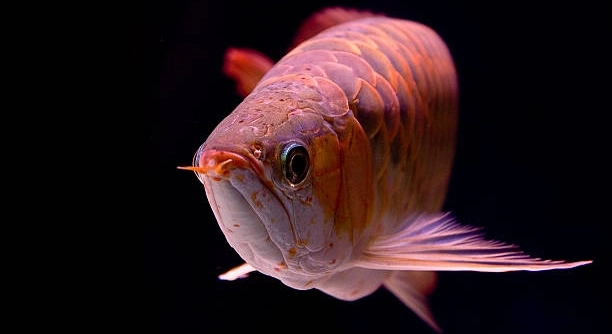
Keeping an arowana can be both exciting and challenging for new owners. The fish’s size, behavior, and care requirements often raise questions that first-time keepers may not anticipate. Learning proper practices early makes a big difference.
Arowanas require specific water conditions, tank size, and diet to thrive. Maintaining clean water, stable temperature, and appropriate nutrition is essential. Understanding these core care aspects ensures the fish remains healthy and reduces common problems among new keepers.
Knowing the right steps for feeding, tank setup, and maintenance will help prevent mistakes and create a stable environment for your arowana to grow.
How Big Should the Tank Be?
Arowanas grow quickly and need plenty of space to swim freely. For most species, a tank of at least 250 gallons is recommended, though larger is always better. Small tanks limit their movement and can lead to stress, stunted growth, and health problems. The tank should be long and wide, not just tall, to accommodate their horizontal swimming patterns. Decorations and plants should be minimal to avoid injury, as arowanas can jump and collide with objects. A strong, secure lid is essential to prevent escapes. Proper filtration and water circulation are also crucial since large volumes of water are harder to maintain. Overcrowding should be avoided, especially if keeping more than one fish. Planning the tank size from the beginning ensures the fish has room to grow and reduces the need for frequent upgrades later. Regular measurements and monitoring of water parameters complement tank size considerations to support arowana health.
A 250-gallon tank is the minimum for most arowanas. Bigger tanks reduce stress and allow natural swimming behaviors.
Starting with a large, well-prepared tank makes care manageable. Investing in proper space and equipment from the start prevents future problems. It also allows the fish to display natural behavior and grow healthily without constant relocations or tank expansions. Choosing the right tank size is an investment in long-term success, stability, and overall well-being. Regular checks and adjustments in water quality further enhance the benefits of a spacious environment, making daily care less stressful for both the keeper and the fish.
What Do Arowanas Eat?
Arowanas are carnivorous and require a protein-rich diet.
They can eat live fish, insects, shrimp, and prepared pellets designed for carnivorous fish.
Providing a balanced diet is key to health and growth. Small feeder fish should be quarantined to prevent disease. Frozen or dried options reduce risks. Variety helps prevent nutritional deficiencies and keeps the fish active. Feeding should be regular but not excessive to avoid overfeeding and water quality issues. Over time, arowanas can learn to accept pellets as a main food source. Supplements such as vitamins may be added to enhance health. Observing their eating habits helps identify appetite changes or health concerns early. Clean feeding areas promptly to prevent leftover food from decaying. Careful portion control and rotation of protein sources support proper growth, vibrant colors, and strong immune systems. Consistent feeding routines also reduce aggression during mealtime.
Would you like me to continue with the next headers in the same format?
How Often Should Water Be Changed?
Frequent water changes are essential for arowana health. Most keepers change 25-30% weekly, but heavily stocked tanks may need more. Consistent maintenance prevents toxin buildup and keeps fish active.
Regular partial water changes remove ammonia, nitrites, and other waste products that accumulate over time. Large tanks can tolerate longer intervals, but testing water parameters is necessary to determine exact needs. Using dechlorinated water at the same temperature as the tank helps avoid stress. Overlooking water quality can lead to illness, poor appetite, and stunted growth. A consistent schedule protects both the fish and filtration system, reducing long-term maintenance problems.
Water changes also refresh minerals and maintain pH stability. They help prevent algae growth and bacterial infections, supporting the arowana’s immune system. Combining water changes with regular tank cleaning ensures a healthy environment. Using high-quality water and careful monitoring allows the fish to thrive while minimizing sudden changes that could stress it. Consistency is key, and observing the fish’s behavior after changes can guide adjustments to the routine for optimal care.
How Aggressive Are Arowanas?
Arowanas can be territorial and aggressive, especially in smaller tanks.
They may attack other fish, particularly smaller or similarly sized species, so tank mates must be chosen carefully.
Aggression varies by species and individual temperament. Some arowanas tolerate peaceful tank mates if the tank is large enough and hiding spots are available. Avoid overcrowding, which increases stress and conflict. Juveniles are usually less aggressive but may become more dominant as they grow. Feeding and tank maintenance also influence behavior. A well-fed, spacious environment reduces territorial disputes. Observing interactions daily helps identify signs of stress or injury. Selecting compatible species, separating aggressive individuals if necessary, and providing ample swimming space helps maintain harmony. Understanding their natural behavior allows better planning and prevents unnecessary losses, ensuring the tank remains stable for all inhabitants.
How Do You Monitor Water Quality?
Regular testing of ammonia, nitrite, nitrate, and pH levels is essential. Kits are affordable and easy to use. Monitoring ensures the tank remains safe for the arowana.
Observing the fish’s behavior also helps detect water issues. Lethargy, loss of appetite, or unusual swimming patterns often indicate a problem that requires immediate attention.
What Temperature Is Best?
Arowanas thrive in water between 75°F and 82°F. Maintaining stable temperature prevents stress and supports digestion. Sudden changes can weaken the immune system and increase susceptibility to disease. Using a reliable heater and thermometer ensures consistent conditions.
How Often Should You Feed?
Juvenile arowanas need daily feeding, while adults can be fed every other day. Avoid overfeeding to maintain water quality.
FAQ
How often should I check water parameters?
Water parameters should be checked at least once a week. Ammonia, nitrite, nitrate, and pH levels are the most important to monitor. Frequent checks prevent sudden changes that could harm your arowana. Using simple test kits makes this process quick and accurate.
What is the best filtration system for arowanas?
Arowanas produce a lot of waste, so a strong filtration system is essential. Canister filters or sump systems work best, as they handle large volumes of water efficiently. Proper filtration keeps ammonia and nitrite low while providing water circulation. Cleaning the filter regularly maintains its effectiveness.
Can arowanas live with other fish?
Arowanas are naturally aggressive and territorial. They may attack smaller fish or other large fish that enter their space. Tank size and hiding spots can reduce conflict, but selecting compatible tank mates is crucial. Juveniles are less aggressive but may become more dominant as they grow.
How do I prevent jumping accidents?
Arowanas are strong jumpers and need a secure lid. Ensure the tank cover is heavy and tight-fitting. Avoid leaving gaps or objects near the tank that the fish could use to escape. Jumping can injure the fish or cause it to die outside the tank.
What should I feed my arowana?
Arowanas are carnivores and need high-protein diets. Live fish, shrimp, insects, and prepared pellets are all suitable options. Variety helps prevent nutritional deficiencies. Frozen or dried foods reduce disease risks. Juveniles require more frequent feeding, while adults eat less often. Feeding schedules and portion control are essential.
How do I encourage healthy growth?
Healthy growth depends on diet, water quality, and tank size. Providing sufficient space, balanced nutrition, and stable water conditions promotes strong bones and vibrant colors. Avoid overcrowding, overfeeding, or sudden changes in the environment, as these factors can stunt growth and cause health issues.
Why is my arowana refusing food?
Refusal to eat can indicate water problems, stress, illness, or incorrect food. Check water parameters first and observe behavior for signs of disease. Trying different protein sources can help. Ensure feeding occurs in calm, well-lit conditions. Persistent refusal may require veterinary consultation.
How often should I clean the tank?
Partial water changes of 25-30% weekly are recommended. Clean decorations and substrate as needed to remove debris. Avoid full tank changes unless necessary, as they can stress the fish. Keeping a consistent cleaning schedule supports stable water conditions and overall fish health.
What signs indicate illness?
Symptoms include lethargy, loss of appetite, abnormal swimming, clamped fins, or discoloration. Early detection allows prompt treatment. Quarantine new fish and maintain clean water to reduce the risk of disease. Observing daily behavior helps catch issues before they become serious.
Can arowanas adapt to pellet diets?
Yes, many arowanas will accept high-quality carnivorous pellets over time. Introduce pellets gradually alongside live or frozen foods. Consistency and patience help the fish adjust. Pellet diets reduce disease risks and simplify feeding routines, especially for adult fish.
How do I manage aggression in arowanas?
Provide enough space, avoid overcrowding, and choose compatible tank mates. Feeding routines and hiding spots can reduce territorial disputes. If aggression persists, separating individuals may be necessary. Understanding their behavior helps minimize stress and injury, ensuring a more peaceful tank environment.
How can I maintain vibrant colors?
Color intensity depends on diet, water quality, and lighting. Feeding a variety of protein-rich foods, keeping clean water, and providing natural or full-spectrum lighting helps maintain bright, healthy colors. Stress or poor nutrition can dull colors, so consistent care is essential.
Is it normal for arowanas to be shy?
Yes, some arowanas are naturally cautious, especially in new environments. Over time, they usually become more active once they feel secure. Consistent routines and minimal sudden disturbances help them adapt and display natural behavior.
What size tank is needed for adult arowanas?
Adults require at least 250 gallons. Large tanks allow free swimming and reduce aggression. Planning for full-grown size from the start avoids frequent tank changes and provides a stable environment for growth and long-term health.
How do I prevent injuries from tank decorations?
Keep decorations minimal and smooth. Avoid sharp or rough objects that could injure arowanas while swimming or jumping. Observing their movement patterns helps identify potential hazards. Safe tank design reduces stress and supports long-term health.
Can arowanas live for over 10 years?
With proper care, arowanas can live 10-15 years or longer. Stable water conditions, proper diet, and a spacious environment contribute to longevity. Monitoring health and behavior ensures early problem detection and supports a long, healthy life.
How do I handle my arowana safely?
Limit handling as much as possible. Use nets carefully and avoid sudden movements. Handling stresses the fish and can cause injury. When necessary, prepare a soft net and wet hands to reduce risk during maintenance or transfers.
Why is my arowana jumping at night?
Jumping at night can indicate stress, poor water quality, or reflections on the tank glass. Check parameters, secure the lid, and reduce disturbances near the tank. Consistent environment and proper lighting can minimize nighttime activity.
How do I acclimate a new arowana?
Float the bag in the tank to match temperatures gradually. Slowly mix tank water into the bag over 30-60 minutes before release. This prevents shock and helps the fish adjust to new water conditions. Monitor behavior closely after introduction.
Can arowanas recognize their keeper?
Arowanas can learn feeding routines and may react to your presence. They recognize patterns rather than faces. Consistent care and feeding schedules strengthen familiarity and reduce stress when you approach the tank.
How do I prevent fin damage?
Avoid sharp objects, aggressive tank mates, and poor water conditions. Regular water maintenance, safe tank design, and monitoring behavior reduce fin injuries. Promptly addressing damage prevents infections and supports overall health.
What is the best lighting for arowanas?
Moderate to bright full-spectrum lighting highlights colors and encourages normal activity. Avoid excessive light that may stress the fish. Maintaining a consistent day-night cycle supports natural behavior and overall well-being.
How do I manage algae growth?
Regular water changes, limited light exposure, and clean surfaces prevent excessive algae. Overfeeding contributes to algae problems. Monitoring tank conditions and removing visible algae manually helps maintain a clean environment for the arowana.
Are supplements necessary?
Supplements like vitamins or minerals can enhance health but are not always required if the diet is balanced. Use sparingly and follow instructions. Over-supplementing can harm the fish and disrupt water quality.
How do I know my arowana is stressed?
Stress signs include rapid gill movement, hiding, loss of appetite, or erratic swimming. Causes may be poor water quality, aggression, or sudden environmental changes. Identifying and correcting the source prevents illness and supports normal behavior.
Can arowanas coexist with turtles?
It is risky. Arowanas may attack or be attacked by turtles. Tank requirements and behavior differ significantly. Careful consideration and large, well-separated environments are needed if kept together. Usually, separate tanks are safer.
How often should I check for parasites?
Observe the fish daily for white spots, scratches, or unusual behavior. Parasite problems are easier to treat when caught early. Quarantine new fish and maintain hygiene to reduce risks. Immediate treatment prevents spread and long-term damage.
How do I maintain water temperature during seasonal changes?
Use reliable heaters and insulated tanks. Monitor temperatures daily, especially during colder months. Sudden drops or spikes stress arowanas and can lead to illness. Maintaining stability is more important than exact temperature, as long as it stays within the safe range.
Can arowanas live in community tanks?
Only with careful planning. Large, peaceful tank mates and a spacious environment are required. Aggression and size differences make most community setups risky. Monitoring interactions and having a backup plan for separation is essential.
How do I prevent fungal infections?
Maintain clean water and avoid injuries. Treat damaged fins promptly. Fungus thrives in poor water conditions, so regular maintenance and observation prevent infections. Early treatment limits spread and supports recovery.
How do I deal with aggressive feeding behavior?
Feed multiple areas or separate aggressive fish if necessary. Overcrowding and limited space increase competition. Consistent feeding schedules reduce stress and allow all fish to get adequate nutrition.
What is the ideal pH range?
Arowanas prefer pH 6.5-7.5. Maintaining stable pH prevents stress and supports overall health. Frequent fluctuations can cause illness or appetite loss. Regular testing helps ensure the water remains within the safe range.
How do I handle sick arowanas?
Isolate the fish in a quarantine tank. Observe symptoms, maintain clean water, and follow treatment protocols. Early intervention improves recovery chances and prevents the spread of disease to other tank inhabitants.
Can arowanas survive without live food?
Yes, they can adapt to high-quality pellets and frozen foods. Live food is not essential if the diet is balanced. Gradual transition helps acceptance and reduces disease risks associated with live feeder fish.
How do I ensure proper growth in captivity?
Feed a balanced diet, maintain clean water, and provide a spacious tank. Avoid overcrowding and stress. Monitor health and adjust care routines as the fish grows. Proper attention to these factors supports size, color, and overall vitality.
What is the recommended tank setup?
Minimal decorations, secure lids, strong filtration, and plenty of swimming space are essential. Smooth surfaces and safe materials reduce injury risks. Proper lighting and temperature control support health and behavior.
How do I manage aggressive tank mates?
Separate aggressive individuals or choose compatible species. Monitor interactions and provide hiding spots. Adequate space and feeding routines reduce conflicts and ensure a stable environment for all fish.
What are common health issues in arowanas?
Fin rot, parasites, swim bladder problems, and fungal infections are common. Early detection, clean water, proper diet, and observation help prevent these issues. Quarantine new fish and maintain consistent care to reduce risks.
How do I prevent overgrowth of tank plants?
Arowanas are primarily carnivorous, so plants are mostly decorative. Regular trimming and careful selection prevent overcrowding. Avoid plants with sharp edges that could injure the fish.
How do I deal with cloudy water?
Check filtration, feeding practices, and water parameters. Cloudiness often results from overfeeding, bacterial blooms, or insufficient filtration. Regular water changes and maintenance restore clarity.
How do I choose the right tank substrate?
Smooth gravel or sand works best. Avoid sharp or rough materials. Substrate should be easy to clean and safe for swimming arowanas. Proper substrate supports tank cleanliness and fish safety.
How do I introduce new fish safely?
Quarantine new fish for at least two weeks. Gradually mix tank water and monitor for signs of illness. Introduce slowly to prevent aggression and stress.
Can arowanas recognize feeding times?
Yes, they learn routines and respond to cues. Consistency in feeding schedule helps reduce stress and improves appetite. Observing their reactions can guide adjustments in timing and portion size.
How often should I inspect equipment?
Check heaters, filters, and pumps weekly. Malfunctioning equipment can stress or harm the fish. Routine inspections ensure consistent water quality and stable environmental conditions.
What do I do if water parameters fluctuate suddenly?
Test immediately, perform partial water changes, and stabilize temperature. Identify the source of fluctuation, such as overfeeding or equipment failure. Quick action prevents stress and potential health issues for the arowana.
How do I maintain proper oxygen levels?
Adequate filtration, water movement, and surface agitation provide oxygen. Avoid overcrowding, as it reduces oxygen availability. Regular monitoring ensures the fish has sufficient oxygen for metabolism and activity.
Can arowanas tolerate tap water?
Only if it is properly treated. Chlorine, chloramine, and heavy metals must be removed. Testing water and using conditioners ensures safety. Untreated tap water can cause illness or stress.
How do I handle aggressive behavior during feeding?
Feed in multiple locations or isolate aggressive individuals. Providing adequate space and portion control reduces competition and ensures all fish receive proper nutrition.
How do I prevent tank debris buildup?
Regular vacuuming of substrate, cleaning decorations, and consistent water changes reduce waste accumulation. Removing uneaten food promptly prevents decay and maintains water quality.
How do I reduce stress in arowanas?
Stable water, proper tank size, minimal disturbances, and consistent feeding routines reduce stress. Monitoring behavior and addressing environmental issues promptly keeps fish healthy and active.
How often should I test pH?
Weekly testing is sufficient for stable tanks. Sudden fluctuations require immediate attention. Consistent monitoring ensures a safe environment and reduces stress for the fish.
How do I prevent aggression during mating season?
Provide a spacious tank and remove or separate other fish if necessary. Feeding routines and hiding spots help minimize conflict. Close observation is required to avoid injury or stress.
What equipment is essential for beginners?
Reliable heater, strong filter, secure lid, thermometer, and water testing kits are basic necessities. Proper setup from the start supports healthy growth and reduces long-term problems.
How do I transition from live to pellet food?
Introduce pellets gradually alongside live or frozen foods. Consistency and patience help the arowana adapt. Monitor acceptance and adjust portions to maintain nutrition.
How do I prevent ammonia spikes?
Regular water changes, proper filtration, and avoiding overfeeding control ammonia. Testing water frequently allows early detection and intervention. Maintaining a balanced environment reduces stress and prevents illness.
How do I manage large arowana growth?
Plan tank size and equipment for adult size. Adequate space, strong filtration, and careful feeding routines accommodate growth. Monitoring health and water quality ensures the fish thrives as it matures.
How do I maintain a consistent feeding schedule?
Feed at the same time each day or every other day for adults. Predictable routines reduce stress, improve appetite, and prevent overfeeding. Adjust portions based on growth and activity.
How do I avoid fin nipping by tank mates?
Select peaceful species and provide enough space. Monitor interactions and separate aggressive fish if needed. Safe tank design and hiding spots reduce conflicts and injuries.
How do I prevent waterborne diseases?
Maintain clean water, quarantine new fish, and avoid overfeeding. Regular monitoring and prompt treatment of issues reduce the risk of infections. Consistency in care supports long-term health.
How do I recognize healthy growth?
Steady size increase, vibrant coloration, clear eyes, and active swimming indicate good health. Monitoring weekly helps detect growth issues early. Proper care ensures optimal development and longevity.
How do I prevent algae from taking over the tank?
Control light exposure, maintain water quality, and avoid overfeeding. Manual removal of visible algae and regular maintenance keeps the tank clean.
How do I choose compatible tank mates?
Consider size, temperament, and swimming space. Aggressive or small fish may be attacked. Careful selection and observation help maintain a peaceful environment.
How do I keep the tank safe from jumping accidents?
Secure lids tightly, avoid objects near the tank, and monitor arowana behavior. Proper precautions prevent injuries and escape attempts.
How do I maintain proper water hardness?
Test and adjust hardness using commercial products or natural sources. Stable water hardness supports health and reduces stress in arowanas.
How do I prevent disease after introducing new fish?
Quarantine newcomers, monitor for symptoms, and maintain clean water. Early intervention prevents spread and protects established fish.
How do I handle sudden illness?
Isolate the affected fish, test water, and follow treatment protocols. Rapid response improves recovery and protects the rest of the tank.
How do I prevent aggression among juveniles?
Provide sufficient space, multiple feeding points, and hiding spots. Monitor interactions and separate dominant individuals if needed. Early intervention supports peaceful development.
How do I choose the right diet for growth?
Feed high-protein foods with variety. Include live, frozen, or pellet options. Proper nutrition promotes size, coloration, and overall health. Avoid overfeeding to maintain water quality.
How do I prevent fin rot?
Maintain clean water, avoid injuries, and treat early signs promptly. Proper care reduces stress and prevents bacterial infections.
How do I maintain tank stability during vacations?
Use automatic feeders, check equipment, and ensure water quality before leaving. Ask someone to monitor conditions if possible. Proper preparation prevents stress and health issues.
How do I monitor appetite changes?
Observe feeding behavior daily. Reduced intake may indicate stress, illness, or water issues. Prompt assessment allows corrective action.
How do I prevent overfeeding?
Feed small portions, remove uneaten food, and adjust based on fish size and activity. Overfeeding harms water quality and health.
How do I recognize stress from environmental changes?
Erratic swimming, hiding, or loss of appetite signal stress. Identify and correct the cause, such as water fluctuations or new tank mates.
How do I ensure proper nutrition for color development?
Include high-quality, protein-rich foods with variety. Proper diet enhances pigmentation and overall vitality. Balanced nutrition prevents deficiencies that dull color.
How do I maintain a safe tank setup?
Smooth surfaces, secure lids, minimal sharp objects, and adequate space prevent injuries. Regular inspection ensures safety.
How do I monitor long-term health?
Track growth, behavior, appetite, and appearance over time. Consistent observation helps detect issues early. Proper care supports longevity.
How do I reduce water contamination from feeding?
Remove uneaten food promptly, feed appropriate portions, and maintain filtration. Clean tank regularly to prevent buildup of waste and toxins.
How do I handle emergencies like power outages?
Have backup aeration, heaters, or battery-powered equipment. Maintain stable water temperature and oxygen levels until power returns. Quick action prevents stress and health issues.
How do I maintain proper tank lighting?
Provide consistent day-night cycles with moderate to bright light. Avoid excessive lighting that stresses fish. Proper lighting supports behavior, coloration, and overall health.
How do I deal with slow growth?
Check water quality, diet, and space. Address deficiencies and stressors. Adjust feeding, ensure clean water, and provide adequate tank size to support normal growth.
How do I prevent sudden mortality?
Maintain stable water parameters, monitor health, provide proper diet, and reduce stressors. Early detection of issues prevents sudden death. Consistent care is essential.
How do I manage multiple arowanas?
Provide a large tank, monitor interactions, and feed appropriately. Space and hiding areas reduce aggression. Separate if conflicts arise to maintain safety and health.
Caring for an arowana requires commitment, patience, and attention to detail. These fish are large, active, and can live for many years, so understanding their needs is essential. From tank size and water quality to diet and behavior, each aspect of care plays an important role in ensuring their health. Regular maintenance, proper equipment, and careful observation are not just routine tasks—they are the foundation of keeping arowanas thriving. Neglecting any of these areas can quickly lead to stress, illness, or behavioral problems, which can make caring for them more difficult over time. By prioritizing clean water, adequate space, and a balanced diet, you create an environment where your fish can grow strong, display vibrant colors, and remain active.
Feeding and nutrition are particularly important for long-term health. Arowanas require a protein-rich diet, and variety in food helps prevent deficiencies. Overfeeding, underfeeding, or relying solely on one type of food can cause health issues, affect growth, and even alter behavior. Alongside diet, water quality must be carefully monitored. Regular testing for ammonia, nitrites, nitrates, and pH levels allows early detection of potential problems. Consistency in water changes, filtration, and temperature management reduces stress and supports the fish’s immune system. Attention to these details ensures that your arowana not only survives but thrives in a home aquarium setting, maintaining both health and vitality.
Understanding the temperament of arowanas is also key. They can be territorial and aggressive, especially in smaller tanks or when kept with incompatible species. Providing ample space, secure lids, and a carefully planned environment minimizes risks of aggression or injury. Observing daily behavior helps identify signs of stress, illness, or discomfort early, allowing corrective measures before problems escalate. Proper care also involves anticipating their growth and adjusting tank size, diet, and maintenance accordingly. Overall, keeping an arowana is rewarding but requires careful planning and ongoing effort. With consistent care, attention to detail, and a structured routine, these magnificent fish can live healthy, long lives, becoming a captivating and stable presence in any home aquarium.

Hello,
If you enjoy the content that we create, please consider saying a "Thank You!" by leaving a tip.
Every little bit helps us continue crafting quality advice that supports the health, happiness, and well-being of pets around the world, for pets of all shapes, sizes, and species.
We really appreciate the kindness and support that you show us!