
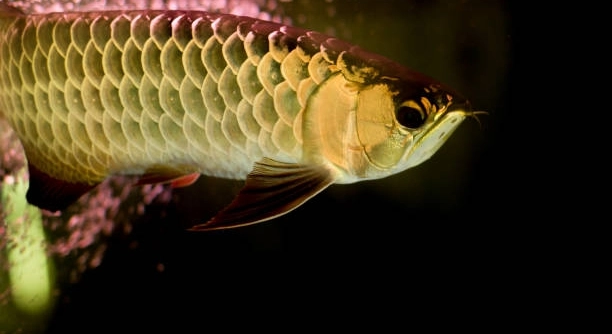
Have you ever noticed your arowana swimming in unusual ways and wondered what might be causing it? Observing your fish glide upside down can feel alarming, especially when it usually moves gracefully through the water.
The primary reason arowanas swim upside down is due to swim bladder issues. This organ helps regulate buoyancy, and any imbalance from infection, injury, or water quality problems can make the fish struggle to maintain a normal position.
Understanding the underlying causes is important for your arowana’s well-being. With the right care and adjustments, you can help restore its normal swimming behavior and ensure a healthier life.
Common Causes of Upside-Down Swimming
Upside-down swimming in arowanas is often linked to issues with their swim bladder. This organ controls buoyancy, and when it is affected, the fish cannot maintain normal positioning. Poor water quality can also play a role, as high ammonia or nitrite levels stress the fish. Physical injuries or sudden changes in temperature may damage internal organs, further affecting the swim bladder. Overfeeding or feeding inappropriate foods can lead to constipation or internal gas buildup, making it difficult for the fish to float properly. Bacterial infections are another factor, often causing swelling or inflammation in the swim bladder. Genetics may sometimes contribute, with certain fish more prone to swim bladder disorders. Observing your arowana’s behavior closely is important to spot early signs of distress. Consistent monitoring of water parameters, tank temperature, and diet can prevent many of these issues before they worsen and impact overall health.
Identifying the exact cause early makes treatment much more effective, reducing stress for your arowana and preventing serious complications.
Addressing water quality and diet immediately often resolves minor swim bladder problems. Proper tank maintenance, avoiding overfeeding, and offering easily digestible foods help the fish regain balance. Keeping track of changes in swimming patterns and physical appearance ensures that you can react quickly if symptoms persist or worsen.
Treatment and Prevention
Immediate steps should focus on correcting water conditions and dietary adjustments.
Treating swim bladder issues involves multiple approaches depending on the root cause. First, check water quality and make necessary adjustments to maintain ideal ammonia, nitrite, and nitrate levels. Temperature stability is also crucial, as sudden shifts can worsen stress. Feeding practices should be modified; avoid large meals and provide easily digestible foods, such as peas, which help relieve constipation. If infection is suspected, antibiotics prescribed by a veterinarian may be necessary. Observing your arowana for additional symptoms, like lethargy, bloating, or abnormal fin movement, can indicate whether medical intervention is required. Regular tank maintenance, including partial water changes and monitoring filtration systems, plays a vital role in prevention. Avoid overcrowding and provide ample swimming space to reduce stress. Consistent attention to these factors can significantly improve your fish’s health, restore normal swimming behavior, and enhance longevity.
Adjusting Diet for Swim Bladder Health
Feeding smaller, more frequent meals can help relieve pressure on your arowana’s swim bladder. Avoid floating pellets and hard-to-digest foods, which may cause gas or constipation and worsen upside-down swimming.
Introducing easily digestible foods, like shelled peas or soft, high-quality pellets, can improve digestion and reduce swim bladder stress. Soaking pellets before feeding can also make them easier to swallow and minimize air intake. Avoid sudden dietary changes, as abrupt shifts may upset the fish’s digestive system and aggravate buoyancy issues. Monitoring how your arowana responds to new foods allows you to adjust portions and types gradually, preventing recurring problems while supporting overall health. Consistency in feeding schedules helps maintain stable digestion, which directly impacts the swim bladder’s function and ensures the fish can swim naturally again.
Some fish may benefit from a brief fasting period to relieve internal pressure. Skipping one or two meals allows the digestive system to clear, reducing bloating and gas that affect buoyancy. Combined with water quality adjustments, these dietary strategies often restore balance.
Water Quality and Tank Maintenance
Maintaining proper water parameters is essential for arowanas, as poor conditions stress the swim bladder and overall health.
Regular monitoring of ammonia, nitrite, and nitrate levels prevents buildup that can irritate internal organs. Performing consistent partial water changes helps remove waste and stabilize chemical levels. Maintaining a stable temperature and avoiding rapid fluctuations reduce stress that may worsen swimming problems. Filtration systems should be cleaned and inspected regularly to ensure they are functioning effectively, providing a clean environment that supports digestion and buoyancy. Overcrowding can increase stress and competition, so keeping an appropriate number of fish per tank is vital. Plants and hiding spots can help reduce stress but should not restrict swimming space.
Consistency in tank maintenance allows the swim bladder to function properly and minimizes recurring health issues. Keeping track of water tests and observing your arowana daily ensures that problems are caught early. A balanced combination of clean water, proper filtration, and a suitable environment supports overall well-being. Even minor lapses in maintenance can trigger swim bladder disturbances, so routine care is essential. This proactive approach prevents complications, maintains normal swimming behavior, and promotes long-term health for your arowana.
Recognizing Symptoms Early
Upside-down swimming is often accompanied by other signs, such as bloating, lethargy, or unusual fin movement. Early recognition helps prevent serious complications and allows you to act quickly.
Observing your arowana’s eating habits and daily behavior can reveal subtle changes. Noticing these patterns early improves the chances of effective treatment.
Medical Intervention Options
If dietary and water adjustments do not improve swimming, veterinary care may be required. A fish veterinarian can examine your arowana for bacterial infections, internal injuries, or congenital swim bladder issues. They may recommend medications, specific treatments, or diagnostic tests to determine the underlying cause. Timely medical attention prevents further deterioration and supports recovery, especially in cases where swim bladder dysfunction results from infection or internal damage. Consistent follow-up ensures that the prescribed treatment is effective, and any necessary adjustments can be made. Addressing the problem promptly can restore normal swimming behavior and reduce long-term health risks.
Preventing Future Swim Bladder Problems
Maintaining regular tank cleaning, proper diet, and stable water conditions can reduce the likelihood of swim bladder issues recurring.
FAQ
Why is my arowana swimming upside down suddenly?
Sudden upside-down swimming usually points to swim bladder issues, which may be caused by stress, injury, infection, or poor water quality. Rapid temperature changes or overfeeding can also trigger this behavior. Identifying the cause early is key to restoring normal swimming.
Can overfeeding cause swim bladder problems?
Yes. Feeding too much at once can lead to constipation or internal gas buildup. These digestive issues affect the swim bladder and make it difficult for the arowana to maintain buoyancy. Smaller, frequent meals of easily digestible food are safer.
Is tank size important for preventing swim bladder issues?
Absolutely. Arowanas need spacious tanks to swim freely. Crowded conditions increase stress and can contribute to buoyancy problems. Providing adequate space, stable water conditions, and proper filtration helps prevent swim bladder disturbances.
Will fasting help my arowana recover?
Occasional fasting, such as skipping one or two meals, can relieve pressure on the digestive system. This reduces bloating and gas, giving the swim bladder a chance to function properly. Fasting works best alongside water quality adjustments.
How do I know if it’s a bacterial infection?
Look for signs like bloating, redness, lethargy, or unusual spots. If dietary and environmental adjustments don’t improve swimming, a veterinarian can test for infections and prescribe the right medication. Prompt treatment prevents further complications.
Can poor water quality affect swimming?
Yes. High ammonia, nitrite, or nitrate levels stress the fish and can damage internal organs, including the swim bladder. Regular water testing and partial water changes are essential to keep chemical levels safe and support normal swimming.
Are all upside-down swimming issues related to the swim bladder?
Not always. Trauma, congenital defects, or internal organ problems can also cause this behavior. Observing other symptoms, like fin clamping, abnormal growths, or lethargy, can help determine whether medical intervention is needed.
How long does it take for an arowana to recover?
Recovery time varies depending on the cause. Minor digestive issues may improve within days, while bacterial infections or injuries may require weeks of treatment. Consistent care, including proper diet, water quality, and monitoring, accelerates recovery.
Should I separate my arowana if it swims upside down?
Separation is sometimes helpful if the fish is stressed by tank mates or if it requires special care. However, ensure the temporary tank maintains proper water conditions, temperature, and space to prevent additional stress.
Can diet alone fix upside-down swimming?
Diet adjustments can help if the issue is caused by constipation or gas. Soaking pellets, feeding soft foods, and offering vegetables like peas often relieve minor swim bladder problems. Persistent or severe cases may need water adjustments or veterinary treatment.
Is it normal for young arowanas to swim upside down?
Juveniles are more prone to swim bladder issues because their bodies are still developing. Gentle care, careful feeding, and stable tank conditions reduce the risk of long-term problems and help young fish swim normally.
Are there long-term effects if the swim bladder isn’t treated?
Yes. Chronic swim bladder problems can reduce mobility, stress the fish, and make it more prone to infections. Ignoring symptoms can shorten lifespan and affect overall health. Early intervention is crucial for recovery and prevention.
Can temperature fluctuations cause upside-down swimming?
Rapid changes in water temperature stress arowanas and can affect internal organs, including the swim bladder. Keeping the tank temperature stable and avoiding sudden changes is vital for preventing swimming problems and supporting overall well-being.
How do I prevent swim bladder issues in the future?
Consistent tank maintenance, balanced feeding, and monitoring water parameters are the best preventive measures. Avoid overfeeding, provide enough swimming space, and observe behavior regularly. Early detection of stress or digestive issues helps prevent recurring problems and ensures a healthy arowana.
Is it safe to use medication without knowing the cause?
No. Administering medication without knowing the exact cause can harm your arowana or worsen the problem. Diagnosis by a qualified veterinarian ensures correct treatment for infections, injuries, or other swim bladder-related issues.
Can stress alone cause my arowana to swim upside down?
Yes. Stress from poor water quality, aggressive tank mates, or sudden environmental changes can affect buoyancy and swimming behavior. Reducing stress through a clean tank, proper diet, and a stable environment helps prevent swim bladder disturbances.
Are certain foods more likely to cause swim bladder problems?
Hard pellets, foods that float, or poorly digested items can increase the risk of constipation and gas buildup. Soft, easily digestible foods, soaked pellets, and occasional vegetables like peas are safer choices to maintain healthy swim bladder function.
How often should I check water quality?
Frequent checks, ideally once or twice a week, help maintain safe ammonia, nitrite, nitrate, and pH levels. Regular monitoring prevents chemical buildup that can harm the swim bladder and overall health, ensuring your arowana swims normally.
Can a congenital issue be corrected?
Some congenital swim bladder disorders cannot be fully corrected, but proper care can minimize symptoms. Diet adjustments, stable water conditions, and avoiding stressors can help the fish manage buoyancy and improve quality of life.
Does exercise help my arowana recover?
Encouraging normal swimming through ample tank space supports swim bladder recovery. Gentle movement promotes digestion and prevents stiffness, but avoid overcrowding or stressful conditions. Combining exercise with diet and water quality management improves overall health and swimming balance.
Upside-down swimming in arowanas is a common sign of swim bladder issues, but it is not always a sign of something serious. Many times, the problem can be managed or corrected with proper care. Paying attention to water quality, diet, and tank conditions can prevent most of the common causes. Small changes, such as feeding softer foods, reducing overfeeding, and ensuring stable water parameters, can have a big impact on your fish’s ability to swim normally. Observing your arowana closely each day helps you notice subtle changes early, which is key for timely intervention. Stress, poor water conditions, and improper feeding are often behind these issues, so addressing these areas first is usually the most effective approach.
If your arowana continues to swim upside down despite proper care, it may indicate a more serious problem. Injuries, infections, or congenital swim bladder defects may require veterinary attention. A fish veterinarian can provide guidance on treatments and medications that are safe for arowanas, helping to prevent further complications. Timely intervention improves recovery chances and reduces long-term health risks. Even small signs of discomfort, such as bloating, fin clamping, or changes in appetite, should not be ignored. Taking action early prevents the problem from worsening and ensures your fish can return to a more natural swimming pattern. Combining careful observation, water management, and dietary adjustments often supports long-term health and minimizes the likelihood of recurrence.
Prevention is the most effective strategy for managing swim bladder issues in arowanas. Maintaining consistent tank maintenance, stable water conditions, and a balanced diet reduces stress and supports normal buoyancy. Avoiding sudden temperature changes and overcrowding keeps the fish comfortable and healthy. Regularly monitoring your arowana’s behavior and appearance ensures you can react quickly if problems arise. While some swim bladder disorders may not be fully curable, proper care allows your arowana to live a healthier life and maintain better mobility. By focusing on stable conditions, proper nutrition, and attentive care, you can reduce risks, support recovery, and give your arowana the best chance to thrive in its environment.

Hello,
If you enjoy the content that we create, please consider saying a "Thank You!" by leaving a tip.
Every little bit helps us continue crafting quality advice that supports the health, happiness, and well-being of pets around the world, for pets of all shapes, sizes, and species.
We really appreciate the kindness and support that you show us!