
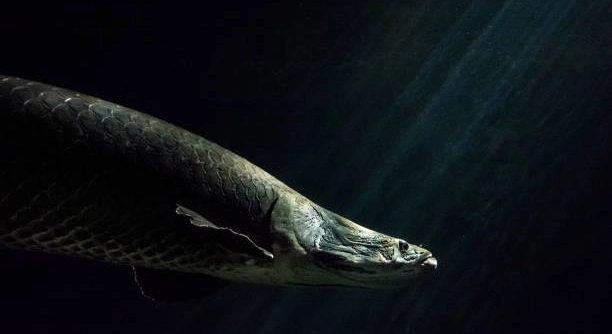
Is your arowana swimming calmly in its tank, or does it seem restless at times? Many fish owners want to ensure their arowanas are healthy and thriving in their environment. Observing their behavior can provide helpful insights.
Arowanas display comfort through consistent swimming patterns, healthy appetite, smooth breathing, vibrant coloration, and active interaction with their environment. Monitoring these indicators allows owners to assess well-being and maintain optimal tank conditions to support the fish’s overall health.
Understanding these behaviors will help you create a supportive environment. Small adjustments in care can make a significant difference in your arowana’s daily life.
Smooth and Consistent Swimming
A comfortable arowana will glide through the water with smooth, controlled movements. It won’t dart around nervously or stay hidden in corners. Observing your fish throughout the day helps you notice changes in its swimming habits. Consistent movement indicates that the tank conditions, such as temperature and water quality, meet its needs. An arowana that swims confidently along the sides and top of the tank is likely feeling secure. Maintaining proper filtration and regular water changes supports this natural behavior. Even subtle changes, like hesitation near decorations, can signal stress. Watching your arowana interact with the environment allows you to adjust feeding routines and tank layout. Over time, these observations become a reliable way to ensure your fish remains comfortable and healthy.
Smooth swimming reflects a healthy tank setup and indicates that your arowana is physically fit and unstressed.
Proper tank maintenance, including monitoring pH levels, temperature, and oxygenation, is essential. Providing open swimming space and avoiding overcrowding will encourage natural, graceful movements, reducing the risk of stress-related behaviors. This attention ensures your arowana enjoys its habitat and maintains a strong, active lifestyle.
Healthy Appetite
A confident arowana eagerly eats at feeding times. It will approach food quickly and consume it without hesitation. Irregular feeding or refusal to eat may indicate stress or illness. Maintaining a balanced diet with high-quality pellets, frozen, or live foods helps your fish stay healthy. Observation during feeding is essential to track appetite changes. Feeding in the same area and at regular times creates a routine that supports comfort. Avoid overfeeding, as leftover food can deteriorate water quality, indirectly affecting your fish’s behavior and well-being.
Regular feeding behavior demonstrates that your arowana feels safe and secure in its environment.
Feeding habits offer critical insight into overall health. A stable appetite ensures nutrient intake for growth and coloration. Changes in diet interest or slow feeding may signal water quality issues, illness, or stress. Providing a varied diet and consistent schedule helps maintain arowana comfort, encourages natural hunting behaviors, and strengthens immunity. Monitoring these patterns lets owners respond quickly to potential problems and adjust care for optimal fish health.
Vibrant Coloration
Healthy arowanas display bright, vivid colors that remain consistent over time. Dull or faded hues may indicate stress, illness, or poor water conditions. Observing your fish’s coloration daily helps detect subtle changes early. Proper lighting and nutrition support natural pigmentation.
Color changes can reflect health issues or environmental discomfort. Maintaining clean water, a balanced diet, and stable temperature promotes strong coloration. Supplements like vitamins or carotenoids may enhance vibrancy, but the foundation is consistent care. Stress reduction, such as limiting sudden movements near the tank, also preserves natural colors and overall well-being.
Color is not only aesthetic but also a health indicator. Arowanas with bright scales tend to be more active and confident. Poor water quality, aggressive tankmates, or inadequate diet can cause fading. Regular observation of hue and shine allows timely interventions, ensuring your fish remains comfortable, alert, and visually striking in its habitat.
Interaction with Environment
A comfortable arowana explores its tank without hesitation. It interacts with decorations, surfaces, and hiding spots naturally, showing curiosity and confidence. Avoid overcrowding the tank, which can limit movement and increase stress.
Environmental interaction demonstrates mental stimulation and comfort. Providing varied decorations, open swimming areas, and safe hiding spots encourages natural behaviors. Observing how your arowana navigates these spaces gives insight into its confidence and well-being. Regular adjustments, such as rotating decorations or adding floating plants, maintain interest and reduce boredom, fostering a balanced environment.
Engagement with surroundings supports both physical and mental health. Arowanas that explore actively exhibit less stress and maintain fitness. Stagnant or fearful behavior may indicate poor conditions, social tension, or lack of stimulation. By monitoring environmental interaction, owners can optimize tank layout, promote enrichment, and ensure the fish’s habitat remains comfortable, encouraging natural behavior and overall satisfaction.
Calm Breathing
A comfortable arowana breathes steadily and evenly. Rapid gill movement or gasping at the surface may indicate stress, poor water quality, or illness. Regular observation ensures you notice any changes early and can take corrective action.
Steady breathing reflects a well-oxygenated, clean tank. Proper filtration, aeration, and temperature control support healthy respiratory patterns and reduce stress, allowing your arowana to thrive.
Social Behavior
A confident arowana interacts appropriately with tankmates without aggression. It maintains personal space but shows curiosity. Observing interactions helps prevent stress and ensures compatibility within the tank. Maintaining appropriate numbers and sizes of tankmates minimizes conflict and supports a comfortable environment.
Resting Patterns
A comfortable arowana rests calmly in the tank, often near the bottom or in a secure area. Resting without constant movement shows it feels safe and secure. Consistent rest periods are important for health and recovery.
FAQ
How can I tell if my arowana is stressed?
Signs of stress in arowanas include erratic swimming, loss of appetite, faded colors, rapid gill movement, and hiding for long periods. Stress can be caused by poor water quality, aggressive tankmates, overcrowding, or sudden changes in the environment. Observing your arowana daily helps catch stress early, allowing you to adjust tank conditions. Maintaining stable water parameters, providing sufficient space, and minimizing sudden disturbances support a comfortable environment and reduce the risk of stress-related illnesses.
What is the ideal water temperature for arowanas?
Arowanas thrive in water temperatures between 75°F and 82°F (24°C–28°C). Maintaining a stable temperature is essential because sudden fluctuations can stress your fish, affecting appetite and behavior. Using a reliable heater and thermometer ensures consistency. Consistent temperature also supports proper metabolism and immune function.
How often should I feed my arowana?
Adult arowanas typically require feeding once or twice daily, while juveniles need more frequent meals. A balanced diet of high-quality pellets, frozen foods, and occasional live food ensures proper nutrition. Overfeeding can harm water quality, while underfeeding may cause slow growth or color loss. Monitoring appetite and adjusting portions as the fish grows maintains comfort and health.
Can arowanas live with other fish?
Arowanas can be territorial, especially as they grow. Suitable tankmates are generally large, non-aggressive fish. Avoid small fish that may be viewed as food. Observing interactions closely helps prevent stress or injury. Providing enough space, hiding spots, and consistent routines supports arowanas’ comfort alongside compatible tankmates.
What does it mean if my arowana refuses to eat?
Refusal to eat can indicate stress, illness, or water quality issues. Check temperature, pH, and cleanliness. Illnesses such as parasites or infections may also reduce appetite. Adjusting feeding practices, maintaining water quality, and consulting a vet if needed ensures the fish remains comfortable and healthy.
How do I maintain vibrant colors in my arowana?
Bright coloration reflects a healthy and comfortable fish. Offer a nutrient-rich diet, including color-enhancing pellets and natural proteins. Proper lighting and stable water conditions help preserve vibrancy. Minimizing stress by maintaining a calm environment and avoiding sudden disturbances further supports consistent coloration.
What tank size is best for an arowana?
Arowanas need large tanks to swim comfortably. Juveniles require at least 100 gallons, while adults may need 250 gallons or more. Providing ample swimming space reduces stress and promotes natural behavior. Ensure the tank has a secure lid, as arowanas are strong jumpers.
How can I tell if my arowana is healthy?
A healthy arowana swims smoothly, eats regularly, displays vibrant colors, breathes steadily, and interacts confidently with its environment. Regular observation of behavior, physical condition, and appetite allows you to detect early signs of discomfort or illness. Maintaining clean water, proper temperature, and a balanced diet supports overall well-being.
What should I do if my arowana becomes aggressive?
Aggression can stem from territorial behavior or stress. Evaluate tank size, tankmates, and hiding spaces. Reduce overcrowding and provide sufficient swimming areas. Adjusting the environment and monitoring interactions helps minimize conflicts. In some cases, separating the fish temporarily may be necessary to maintain a calm, comfortable habitat.
How important is water quality for arowanas?
Water quality is critical for comfort and health. Poor water can cause stress, illness, and color fading. Regular testing for ammonia, nitrite, nitrate, and pH, combined with water changes and proper filtration, ensures a stable, healthy environment. Clean, well-oxygenated water supports natural behavior and longevity.
Can arowanas recognize their owners?
Arowanas can become familiar with their caretakers through routine feeding and interaction. They may respond by approaching the front of the tank or following movement. While not as affectionate as mammals, recognition signals comfort and trust in their environment. Consistent care fosters this bond and reduces stress.
How do I handle health issues in my arowana?
Early detection is key. Observe for changes in swimming, appetite, coloration, and breathing. Quarantine new or sick fish to prevent the spread of illness. Maintaining water quality and offering a balanced diet supports recovery. Consult an aquatic veterinarian for serious or persistent issues to ensure proper treatment and comfort.
What are the best signs that my arowana is happy?
Smooth swimming, active exploration, regular feeding, bright colors, steady breathing, and calm resting periods indicate a comfortable and happy arowana. Consistent positive behavior across these areas demonstrates a stable environment and proper care. Monitoring these factors ensures ongoing health and well-being.
How do I prevent common arowana problems?
Prevent issues by maintaining clean water, providing a large tank with hiding spots, offering a varied diet, and observing behavior daily. Avoid overcrowding and aggressive tankmates. Stable temperature, consistent feeding schedules, and stress reduction techniques help keep your arowana comfortable and healthy.
How long do arowanas typically live?
With proper care, arowanas can live 10–15 years or longer. Longevity depends on water quality, diet, tank size, and overall environment. Regular observation, preventive care, and maintaining comfort throughout their life span support long-term health and happiness in captivity.
Arowanas are remarkable fish that require careful attention to thrive in captivity. Observing their behavior and physical condition can provide valuable insight into their comfort and well-being. Smooth swimming, healthy appetite, steady breathing, bright coloration, and calm resting patterns are all signs of a comfortable arowana. Monitoring these behaviors regularly allows owners to spot changes early and make necessary adjustments to the tank environment. Consistency is key, as sudden changes in water temperature, quality, or tank layout can easily stress the fish. By maintaining stable conditions and providing proper nutrition, an arowana is more likely to display natural, confident behavior. The fish’s environment should be spacious enough to accommodate movement and exploration, with clean water, adequate filtration, and suitable hiding spots. Paying attention to social interactions within the tank is also important, as territorial conflicts can impact both the comfort and safety of your arowana. Taking these steps ensures that the fish not only survives but thrives in its habitat.
Proper diet and feeding routines play a central role in maintaining an arowana’s comfort. A well-balanced diet of high-quality pellets, frozen foods, and occasional live foods supports growth, vibrant coloration, and overall health. Overfeeding or inconsistent feeding can lead to water quality issues and affect the fish’s behavior. Establishing a regular feeding schedule helps the arowana feel secure and reduces stress. It is also important to observe the fish’s appetite as a measure of well-being. Any sudden changes in feeding behavior may indicate stress, illness, or environmental problems. Along with nutrition, attention to water quality is critical. Monitoring ammonia, nitrite, nitrate, and pH levels, combined with routine water changes, ensures a safe and stable environment. Filtration systems, proper aeration, and temperature control contribute to maintaining the ideal conditions for comfort. By focusing on these basic yet essential care elements, owners can prevent many common problems and support a healthy, happy arowana.
In addition to physical care, creating a mentally stimulating environment contributes to arowana comfort. Decorations, plants, and hiding spots allow for exploration and engagement, promoting natural behavior. Interaction with tankmates should be monitored to prevent stress from aggression or territorial disputes. Arowanas benefit from predictable routines and minimal disturbances, which can help reduce anxiety and encourage positive behaviors. Observing the fish closely over time helps owners understand individual preferences and tendencies, allowing for better adjustments to the tank environment. Comfort in captivity is about more than meeting basic needs—it is about providing a stable, enriching, and responsive habitat that encourages natural behaviors. Maintaining consistency, monitoring behavior, and responding to subtle changes allows an arowana to feel secure and thrive. Ultimately, careful observation, proper care, and attention to environmental conditions ensure that an arowana lives a healthy and comfortable life, reflecting the effort and dedication of its owner.

Hello,
If you enjoy the content that we create, please consider saying a "Thank You!" by leaving a tip.
Every little bit helps us continue crafting quality advice that supports the health, happiness, and well-being of pets around the world, for pets of all shapes, sizes, and species.
We really appreciate the kindness and support that you show us!