
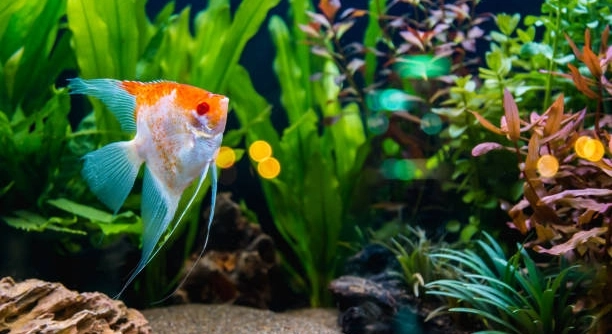
Is your angelfish swimming erratically and bumping into the sides of the tank more often than usual? This behavior can be alarming to watch, especially when it happens repeatedly over time.
Angelfish may hit the glass due to stress, poor water quality, reflection confusion, territorial behavior, or health issues. Environmental changes and lack of stimulation can also lead to repetitive glass-banging behavior in aquarium fish.
Learning what’s behind these actions will help you create a calmer, safer, and more suitable environment for your angelfish.
1. Stress and Sudden Environmental Changes
Stress is a major factor when angelfish start hitting the glass. Loud noises, constant movement outside the tank, or sudden changes in lighting can unsettle them. These fish prefer stability and consistency in their surroundings. Moving furniture, changing decorations in the tank, or even a change in the room’s activity level can lead to erratic swimming. Angelfish are sensitive to changes in their environment, and a disrupted routine can make them feel threatened. They may respond by swimming rapidly or striking the glass. Over time, repeated stress can affect their health and behavior. It’s important to minimize disruptions and maintain a peaceful setting around the aquarium. If there are frequent changes in their environment, angelfish may never feel secure. A calm and consistent setup helps reduce anxiety and supports healthy activity levels. Simple adjustments to the tank’s placement or room lighting can help create a more stable space.
Keep the tank away from foot traffic and noisy areas to limit external stress.
Try to maintain a regular routine when feeding and cleaning the tank. Predictability can help your angelfish feel more secure. Avoid sudden lighting shifts, and give your fish time to adjust to any changes in their surroundings. Small efforts can prevent stress buildup.
2. Reflections Causing Confusion
Angelfish often see their reflection in the tank glass, which can lead to aggressive or erratic behavior. They may mistake their reflection for another fish, especially during mating periods or when feeling territorial. This confusion can cause them to strike the glass repeatedly. The behavior is usually more noticeable when the tank lights are on and the room is dark, which increases the clarity of the reflection. Adding a background to the tank or adjusting the lighting can reduce how much they see their own image. Sometimes, placing plants or decorations along the sides helps break up reflective surfaces. If your angelfish continues to react to their reflection, try covering one side of the tank temporarily. Observation will help you understand if reflections are the issue. They may calm down once the source of confusion is removed, and their behavior should return to normal if it was reflection-based.
3. Poor Water Quality
Dirty water can irritate your angelfish and lead to strange behavior like glass banging. Ammonia spikes, low oxygen, or unbalanced pH levels stress them out. When water conditions aren’t right, fish feel uncomfortable and may act out physically.
If your angelfish is acting differently, it’s worth checking the tank’s water right away. Regular testing for ammonia, nitrite, nitrate, and pH levels is important. A slight imbalance can cause stress, illness, and abnormal swimming patterns. Clean water makes a big difference in their behavior. Weekly partial water changes, proper filtration, and not overfeeding all help maintain better conditions. Uneaten food and waste can quickly pollute the tank, even if it looks clear. If your angelfish keeps hitting the glass, improving water quality should be one of the first things to check. Sometimes, the problem clears up once the environment is restored to a healthier state.
Fish may act up when they’re trying to escape poor conditions. Even if the tank looks okay, invisible factors like high nitrates or sudden temperature shifts could be affecting them. Try to keep temperature and water conditions stable. Angelfish thrive in warm, clean water between 76–82°F. Don’t skip testing—problems often start where you can’t see them.
4. Territorial Behavior
Angelfish are known to become territorial, especially in tanks that are too small or overcrowded. If they feel the need to defend their space, they may dart aggressively, even toward the glass. This is more common when they’re paired off or guarding a specific area.
A tank that’s too open or lacking hiding spots can make territorial issues worse. Angelfish may try to control one area and react to their reflection or nearby movement as threats. Adding plants, rocks, or driftwood helps divide the space, giving them clear zones to claim. It’s also a good idea to observe their interactions with other fish. If aggression seems constant or directed toward specific tankmates, it may be worth separating them. When angelfish have enough room and visual breaks in the tank, they’re less likely to act out. Keep in mind that during breeding season, they may become even more defensive and aggressive.
5. Boredom or Lack of Stimulation
Angelfish can become bored in tanks with minimal decorations or no variety in their surroundings. Without enough mental stimulation, they may start swimming erratically or hitting the glass out of frustration. A plain environment doesn’t offer much for them to explore or interact with.
Try adding live plants, tunnels, or objects they can swim around. You can also rearrange decorations every so often to make things feel new. Some fish respond positively to these small changes and settle down once they feel more mentally engaged.
6. Illness or Neurological Issues
If your angelfish keeps hitting the glass and shows signs like twitching, unusual swimming patterns, or loss of balance, illness might be the cause. Some bacterial infections, internal parasites, or neurological disorders can affect coordination and behavior. It’s important to observe them closely and check for other physical symptoms like clamped fins, faded color, or labored breathing. If multiple signs appear together, isolating the fish and starting treatment may help. Consulting a vet or aquatic specialist can provide more accurate guidance. When in doubt, improving water quality and offering a stress-free space can support recovery and reduce symptoms.
7. Response to Outside Movement
Movement near the tank, such as people walking by or kids playing, can startle your angelfish. They may rush toward the glass thinking it’s a threat or potential food source, especially if they associate movement with feeding time.
FAQ
Why does my angelfish keep swimming into the glass?
Angelfish often swim into the glass when they’re stressed, confused by reflections, or trying to respond to something outside the tank. It can also happen if they’re bored or lacking stimulation in their environment. In some cases, poor water quality or illness might be affecting their behavior. It’s not always easy to tell the reason right away, but watching closely and making small changes can help. Improving tank conditions and adding hiding spots or visual breaks often reduces this behavior over time.
Can angelfish hurt themselves by hitting the glass?
Yes, repeated glass-banging can lead to physical injuries. Angelfish may damage their nose, fins, or scales, especially if the behavior continues for a while. It’s important to identify what’s triggering the action to prevent harm. Sometimes it’s a simple fix like reducing reflections or adding décor. In other cases, illness or poor water conditions might need attention. If your angelfish is doing this frequently, it’s worth addressing quickly to avoid long-term damage.
Is it normal for angelfish to act aggressive?
Yes, it’s fairly normal for angelfish to act aggressive, especially in certain situations. They may become territorial during breeding or if the tank is too small. Aggression can also happen if there are too many fish or not enough hiding spots. When they don’t feel secure or are trying to claim a certain area, they may lash out—even at the glass. Providing enough space and breaking up sightlines in the tank usually helps tone down aggressive behavior.
How can I tell if the glass-hitting is due to reflection?
If your angelfish tends to strike the same part of the glass, especially when the room is lit in a certain way, it may be reacting to its own reflection. You might notice it flaring fins or pacing back and forth. Try adjusting the lighting, moving the tank slightly, or adding a background to block the reflection. If the behavior stops, the issue was likely visual confusion. A background or tank wrap can make a big difference in preventing this problem.
What kind of tank setup helps angelfish feel more comfortable?
A calm and balanced setup works best. Angelfish prefer warm water between 76–82°F, gentle filtration, and a tank with plenty of vertical space. Include plants (live or fake), rocks, and driftwood to create hiding spots and natural breaks in their line of sight. They like to swim freely but also enjoy shaded areas and structure. A peaceful setup that mimics their natural environment makes them feel safe and less likely to act out or crash into the glass.
Should I isolate my angelfish if it keeps hitting the glass?
Only isolate the angelfish if it’s injured, ill, or being harassed by tankmates. Otherwise, it’s better to adjust the environment first. Isolating a healthy fish can sometimes make things worse by increasing stress. Start by checking water conditions, reducing outside disturbances, and improving the layout of the tank. If the issue doesn’t improve after making changes, isolation might be necessary to protect the fish from further injury or help with treatment if illness is suspected.
How long does it take to see changes after adjusting the tank?
Some behavior changes can happen within a day or two, while others take longer. It depends on what’s causing the glass-hitting. If it’s stress-related or due to boredom, your angelfish may calm down quickly after adding new plants or rearranging decorations. If poor water quality or illness is involved, it might take longer as the fish heals or the tank stabilizes. Keep a close eye on behavior daily and be patient—small improvements often lead to a full return to normal over time.
Final Thoughts
Keeping angelfish healthy and comfortable takes time, observation, and care. When you notice strange behavior like hitting the glass, it’s usually a sign that something needs to change. This could be the way the tank is set up, the water quality, or how the fish is feeling overall. Watching your angelfish closely will help you figure out what’s causing the issue. Small things like lighting, reflections, or even loud sounds near the tank can confuse or stress the fish. By paying attention to the details, you can create a calm and balanced space that allows your angelfish to feel secure.
Some angelfish are more sensitive than others. What works for one fish might not be enough for another. It’s important to keep track of water conditions, offer enough hiding spaces, and avoid overcrowding. These simple actions can prevent stress and lower the chance of harmful behaviors like glass-hitting. Adding plants, decorations, or a tank background can help reduce reflections and give your fish places to explore and feel safe. Regular water changes and tank maintenance also play a big part in keeping your angelfish happy and healthy. Sometimes just rearranging items inside the tank is enough to reduce anxiety or stop territorial behavior.
Over time, you’ll start to recognize what your angelfish needs. Behavior that seems confusing at first often makes sense once you’ve ruled out a few causes. Whether it’s reflections, tank mates, or something else entirely, each piece of the puzzle brings you closer to solving the problem. Remember to be patient and keep making small improvements. Fish behavior can change slowly, but steady adjustments often lead to better results. With the right care and environment, most angelfish will settle down and stop hitting the glass. By learning more about their habits and needs, you’re not only solving a problem—you’re helping your angelfish live a more peaceful and balanced life.

Hello,
If you enjoy the content that we create, please consider saying a "Thank You!" by leaving a tip.
Every little bit helps us continue crafting quality advice that supports the health, happiness, and well-being of pets around the world, for pets of all shapes, sizes, and species.
We really appreciate the kindness and support that you show us!