
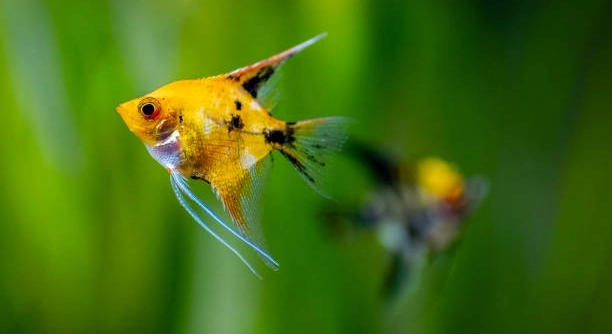
Angelfish are beautiful creatures, and when their fins are torn, it can be concerning. Understanding why this happens and how to help your fish recover is important for their well-being.
The primary causes of torn fins in angelfish include aggressive tank mates, poor water quality, or injury from decorations. Stress and nutritional deficiencies can also contribute. Identifying the cause is key to healing your angelfish and preventing further damage.
Taking the right steps to fix the issue will ensure your angelfish recover fully and live a happy, healthy life.
Aggressive Tank Mates Can Be a Cause
Aggressive tank mates are one of the most common reasons for torn fins. When angelfish are kept with more dominant or territorial fish, they may become the target of attacks. The stress and physical damage caused by these encounters can leave your angelfish with torn fins. Some species, like certain cichlids, are notorious for being aggressive, and even smaller, less aggressive fish can sometimes cause harm.
In a community tank, it’s essential to choose tank mates that are peaceful and compatible with angelfish. If aggression is a concern, adding hiding spots or dividers can help protect your angelfish.
If you notice fin damage and aggression is likely, separate the affected fish temporarily and monitor their behavior closely. Consider rearranging the tank setup to reduce territorial disputes and minimize stress. If necessary, moving the aggressive fish to a different tank can help your angelfish recover.
Poor Water Quality Affects Health
Water quality plays a significant role in your angelfish’s health. Poor water conditions can weaken your angelfish’s immune system, making it more susceptible to physical damage and infections.
Inadequate filtration, high ammonia, or fluctuating water temperatures can lead to weakened fins that are more prone to tearing. Regular water changes, proper filtration, and keeping the water parameters stable are crucial for a healthy tank environment. Testing water for ammonia, nitrites, and pH levels will also help ensure your angelfish stays healthy and their fins remain intact.
By keeping the water clean and consistent, you not only prevent torn fins but also help your angelfish live a longer, happier life. Clean water promotes healing and reduces stress, which is important for their recovery.
Decorations and Sharp Objects
Sharp decorations or rough surfaces in the aquarium can also cause fins to tear. Angelfish, with their long, flowing fins, are particularly vulnerable to injury from sharp edges, plants, or aquarium equipment. If they get too close or brush against an object, their delicate fins can be damaged.
Before setting up your tank, ensure all decorations are smooth and safe for your fish. Avoid adding anything with sharp edges that could cause accidental tears. If you notice a tear after an encounter with an object, remove the source of injury immediately to prevent further harm.
Taking the time to inspect your tank setup and replace sharp or rough items will help create a safer environment for your angelfish. It’s an easy fix that can save you a lot of stress in the long run.
Stress is More Harmful Than You Think
Stress can negatively impact your angelfish’s health in numerous ways. It weakens their immune system, making them more vulnerable to disease and injuries. If your angelfish is constantly stressed due to factors like overcrowding, poor water quality, or incompatible tank mates, it may suffer from torn fins.
Stress-related injuries are often a result of constant friction with tank mates or frequent changes in the environment. The more stressed your fish are, the more likely they are to harm themselves or each other. Keeping a stable environment with peaceful tank mates will go a long way in reducing stress levels.
Take steps to provide a calm, comfortable setting for your fish. This includes keeping the tank in a quiet area, minimizing loud noises, and ensuring all fish are getting along. Stress is a silent, yet harmful factor that can lead to fin damage, so managing it effectively is key.
Nutritional Deficiencies and Healing Time
Angelfish need a well-balanced diet to stay healthy, and nutritional deficiencies can delay their healing process. If your fish is lacking in essential nutrients like vitamins or protein, their fins may take longer to heal or become more prone to injury.
A diet rich in high-quality fish flakes, pellets, and occasional live or frozen food can ensure your angelfish gets all the nutrients it needs. Adding supplements like garlic or vitamins can also boost their immune system and promote faster recovery.
Proper nutrition is one of the most straightforward ways to help your angelfish heal. Along with the right water quality and tank conditions, a balanced diet speeds up the process of fin recovery and prevents future injuries.
Poor Tank Maintenance Leads to Torn Fins
Neglecting regular tank maintenance can quickly lead to fin damage. If the tank is not cleaned regularly, waste buildup can lead to water quality issues. This makes it harder for your angelfish to stay healthy and recover from injuries. Without consistent care, you risk more torn fins and stressed fish.
To maintain a clean tank, perform routine water changes, clean the filter, and check for debris on decorations. Keeping the tank clean reduces toxins like ammonia and nitrites that can irritate your fish. It also ensures a healthier environment, allowing your angelfish to thrive and recover faster.
Regular maintenance is essential for preventing further issues. Keeping your tank clean will help you avoid many of the common causes of fin damage, such as poor water quality or stress. An easy schedule of water changes and filter cleaning can prevent serious damage from occurring.
Treating Torn Fins with Care
When an angelfish’s fins are torn, it’s crucial to treat the injury right away. If left untreated, torn fins can become infected, leading to further damage. Immediate attention can help your fish heal faster and avoid complications.
Start by removing the affected angelfish to a separate quarantine tank. This will reduce the risk of further injury from tank mates. Keep the water clean, and consider adding aquarium salt to help with healing and prevent infection. If necessary, use an anti-bacterial treatment, but always follow the instructions carefully.
Keep a close eye on the torn fins for signs of improvement or infection. If the fins don’t heal in a reasonable amount of time, seek advice from a vet specializing in fish. Proper care and monitoring are essential for ensuring a full recovery.
The Role of Proper Tank Size
The size of the tank plays a role in the health of your angelfish. When kept in a tank that is too small, angelfish may experience stress and physical injury. Insufficient space can lead to aggression and a lack of room to swim comfortably, both of which can contribute to torn fins.
Angelfish require at least a 30-gallon tank to thrive, as they grow large and need plenty of swimming space. In a cramped tank, they may constantly bump into decorations or even fight with other fish. Providing enough space reduces stress and decreases the likelihood of injury.
A larger tank also allows for better water circulation, which improves water quality. This keeps your angelfish healthier, reducing the chances of fin damage. Investing in an appropriately sized tank will provide a safer, more stable environment for your angelfish to flourish.
Overcrowding Leads to Fin Damage
Overcrowding is a common issue in many aquariums, especially in smaller tanks. Too many fish in one space can cause stress, aggression, and damage to fins. Angelfish need enough room to swim freely, and overcrowding limits their ability to avoid conflicts with other fish.
When there are too many fish, angelfish may not have enough space to establish their territory. This can lead to territorial disputes and fin nipping. Ensuring your tank has enough room for all its inhabitants helps reduce stress and prevent injuries. Be mindful of the number of fish per gallon to avoid overcrowding.
A well-balanced fish population allows everyone to thrive without constant competition for resources, including space. This will create a healthier environment, leading to fewer injuries like torn fins. Keeping a proper balance will make a noticeable difference in your angelfish’s overall well-being.
Inadequate Filtration and Poor Oxygen Levels
Inadequate filtration and poor oxygen levels affect the health of your angelfish and increase the chances of fin damage. A weak filtration system can cause toxins to build up in the water, leading to stress and injury. Without proper water circulation, your angelfish may become more prone to infections and injuries.
Filtration helps remove waste and maintains water clarity. Without it, the water becomes polluted, which can cause various health problems for your angelfish, including weakened fins. Oxygen levels are also critical, as low oxygen can stress fish, making them more vulnerable to injury. Ensure your filtration system is working well, and consider adding an air stone for better oxygenation.
Keep the filter clean and change the water regularly to maintain good water quality. By providing optimal water conditions, your angelfish will be healthier and more resilient to fin damage.
The Importance of Monitoring Tank Temperature
Angelfish are sensitive to changes in temperature. Water that is too hot or too cold can weaken their immune system, making them more prone to stress and injury. Keeping the tank at a consistent temperature range (75–82°F) is essential for preventing fin damage and promoting healing.
Temperature fluctuations are stressful for angelfish and can cause their fins to deteriorate. Rapid changes can weaken their bodies, causing more damage during fights or accidents. It’s best to use a reliable aquarium heater and thermometer to monitor the tank’s temperature consistently.
By maintaining a stable temperature, you help keep your angelfish in optimal health. This reduces the chances of torn fins and other health problems.
FAQ
How can I tell if my angelfish’s fins are infected?
Signs of infection include redness, swelling, or a fuzzy appearance on the torn fins. If the fin damage becomes discolored or begins to show signs of mold-like growth, it’s likely infected. Infected fins can also become more ragged or develop lesions. If you notice these symptoms, it’s important to treat the infection with an anti-bacterial or anti-fungal medication suitable for your aquarium. Quarantining the affected angelfish can help prevent the infection from spreading to other tank mates.
Can I treat torn fins at home?
Yes, treating torn fins at home is possible, but it requires prompt action. First, isolate the injured angelfish in a quarantine tank to avoid further stress. Clean the water and add aquarium salt to help promote healing. You may also use medications if necessary. Regularly monitor the fins and ensure the water quality remains optimal to help the healing process.
How long does it take for angelfish’s fins to heal?
The healing time for torn fins depends on the extent of the damage and the fish’s overall health. Minor tears may take just a few days to heal, while more severe damage can take weeks. Ensuring optimal water conditions, reducing stress, and providing a balanced diet will help speed up recovery. Be patient, as healing can take time, and make sure to monitor for any signs of infection during this period.
Is it necessary to separate injured angelfish from other fish?
Yes, separating an injured angelfish from the rest of the fish is a good idea. This reduces the risk of further injury, especially if the cause of the fin damage was aggression from tank mates. Additionally, the stress of being in a tank with active, dominant fish can delay healing. A quiet, separate tank with clean water will allow the angelfish to focus on healing without additional stressors.
Should I use aquarium salt for fin damage?
Aquarium salt can be helpful in treating torn fins. It promotes healing by reducing the risk of infection and aiding the fish’s natural mucus production, which protects its skin and fins. However, you should use it sparingly and dissolve it fully in water before adding it to the tank. Follow the recommended dosage, as too much salt can harm your fish. Always check the specific needs of your angelfish species before adding salt to their tank.
Can torn fins heal without treatment?
While minor fin tears can heal on their own, it’s always better to offer assistance to ensure proper recovery. Without treatment, there is a risk of the tear becoming infected, which could lead to further damage or complications. Providing a stress-free environment with clean water, proper nutrition, and monitoring will help your angelfish heal more efficiently.
How can I prevent fin damage in the future?
Preventing future fin damage requires addressing the underlying causes. Ensure your tank is not overcrowded, and keep aggressive fish away from your angelfish. Regularly maintain the water quality, clean the tank, and monitor the temperature. Removing sharp decorations or rough objects from the tank will also help protect the fins. Consider keeping compatible fish species that are less likely to harm your angelfish.
Do angelfish need extra care when they’re healing?
Yes, during the healing process, angelfish may need extra care. Keep the tank water pristine by doing frequent water changes, and ensure the temperature and oxygen levels are stable. You should also keep an eye on the healing progress to spot any signs of infection early. Avoid making any sudden changes in the tank environment, as this could stress your angelfish further.
Can other fish in the tank catch the same infection?
Yes, if the torn fins are infected, other fish in the tank can potentially catch the same infection. That’s why it’s a good idea to quarantine any injured or sick fish. Keeping the infected angelfish separate from the others prevents the infection from spreading. Additionally, disinfect any equipment that comes into contact with the affected fish to avoid cross-contamination.
What kind of food should I feed my angelfish to promote fin healing?
A high-quality, balanced diet is essential to support fin healing. Feed your angelfish a mix of flakes, pellets, and occasional live or frozen food, such as brine shrimp or bloodworms. Foods rich in protein and vitamins help boost the immune system and encourage tissue repair. Additionally, you may consider adding vitamin supplements to promote faster recovery. Ensure that the food is fresh and appropriate for your angelfish’s size.
How do I know if my angelfish’s fins are healing properly?
As the fins heal, they should begin to look less ragged and show signs of regeneration, such as new growth or a smoother edge. The color should return to normal, and the fins should become less inflamed or swollen. If the healing process is delayed or if you notice worsening symptoms, such as infection or necrosis, consult a professional.
Is there a way to tell if a fish is healing or if the damage is permanent?
If your angelfish’s fins are healing properly, they should show visible signs of recovery, like new tissue growth and smooth edges where the fins were torn. If the fins remain ragged, discolored, or infected, the damage could be permanent. In some cases, the fins may not fully regenerate, but as long as the fish is healthy and not in pain, it can still live a normal life.
Should I use any special medications to help treat torn fins?
You may use medications specifically designed to treat fin damage and infections in fish. Anti-bacterial and anti-fungal treatments are available for treating wounds or infections. Always follow the instructions carefully and avoid overusing any medications, as they can affect the tank’s ecosystem. You can also find wound care treatments that promote faster healing without harsh chemicals.
Final Thoughts
Taking care of an angelfish with torn fins requires attention, patience, and proper care. When you notice damage, it’s important to quickly identify the cause, whether it’s from tank mates, poor water quality, or sharp decorations. By isolating the injured fish in a separate tank, providing clean water, and offering a balanced diet, you can help speed up the healing process. Proper water maintenance and monitoring are key to preventing further issues and ensuring your angelfish stays healthy. Taking these steps will help your fish heal and reduce the chance of future fin damage.
It’s also essential to understand the role of the aquarium environment in your angelfish’s overall health. A well-maintained tank with appropriate water conditions, space, and peaceful tank mates creates a safer environment for your fish. Overcrowding, aggressive fish, and poor water quality can all contribute to fin damage, so keeping these factors in check is important. A stable tank that meets the needs of your fish can prevent much of the stress and injury that may lead to torn fins. Choosing the right tank mates, maintaining water conditions, and keeping the tank clean are all part of providing the best environment for your angelfish.
While torn fins are common, with proper care, your angelfish should be able to heal and recover. Healing can take time, and it’s important to monitor the injury closely. If the fins aren’t healing properly, or if signs of infection appear, taking immediate action with treatment is crucial. The most important thing is to reduce stress and provide the best possible conditions for your fish to recover. Once your angelfish is fully healed, continue to ensure a healthy, stable environment to help prevent future injuries.

Hello,
If you enjoy the content that we create, please consider saying a "Thank You!" by leaving a tip.
Every little bit helps us continue crafting quality advice that supports the health, happiness, and well-being of pets around the world, for pets of all shapes, sizes, and species.
We really appreciate the kindness and support that you show us!