
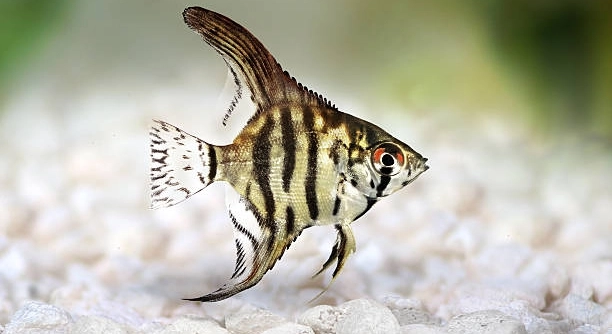
Ammonia levels in an angelfish tank can become a serious issue if not properly managed. Maintaining a balanced environment for your fish is crucial for their health and happiness. Let’s explore the common causes of high ammonia levels.
High ammonia levels in an angelfish tank are typically caused by overfeeding, poor filtration, or an uncycled tank. These factors disrupt the nitrogen cycle, leading to the accumulation of harmful ammonia that can negatively affect your fish’s well-being.
Understanding the reasons behind elevated ammonia levels will help you keep your tank in optimal condition. Identifying the source of the problem is the first step in creating a healthier home for your angelfish.
Overfeeding Your Angelfish
One of the most common reasons for high ammonia levels in an angelfish tank is overfeeding. When you feed your fish too much, the leftover food decays in the water, which contributes to ammonia buildup. Angelfish have small stomachs, and their feeding needs should be carefully monitored. Overfeeding can also cause your filtration system to struggle, making it harder to remove waste effectively. In turn, this can create an unhealthy environment for your fish.
Overfeeding increases organic waste in the tank, which raises ammonia levels. It’s crucial to feed your fish only what they can consume in a few minutes to avoid excess food breaking down and contaminating the water.
To avoid this issue, try feeding smaller amounts of food more frequently throughout the day. Also, ensure that you are providing a balanced diet to meet your angelfish’s nutritional needs without excess. With proper feeding habits, you can keep ammonia levels under control and your fish healthier.
Insufficient Filtration
Another common reason ammonia levels spike in your angelfish tank is poor filtration. Filtration is responsible for removing waste and toxins, including ammonia, from the water. If your filter isn’t powerful enough or isn’t being maintained properly, ammonia can build up quickly, harming your fish.
A filter that isn’t cleaning the water efficiently means harmful substances like ammonia remain in the tank. Make sure your filter is appropriate for your tank size and that it’s regularly cleaned to keep everything functioning well. A dirty filter can add to the problem by releasing trapped waste back into the water. Regular maintenance is essential to ensure the filter works as it should.
New Tank Syndrome
When setting up a new tank, ammonia levels can rise rapidly. This is due to the tank not being properly cycled. Without beneficial bacteria, the nitrogen cycle can’t break down ammonia into less harmful substances, leaving your fish exposed to toxins.
It’s crucial to cycle your tank before adding fish. The process involves allowing beneficial bacteria to grow and establish, which helps break down waste. This process can take weeks, so it’s important to test water regularly to monitor ammonia levels. If levels are high, consider doing partial water changes to reduce ammonia until the cycle is complete.
Without proper cycling, you’ll see ammonia spikes that can stress or even kill your angelfish. Adding fish too soon can cause imbalances that take time to fix. Be patient and allow the natural filtration system to develop before introducing fish. This ensures the environment is stable, promoting long-term fish health.
Inadequate Water Changes
Skipping regular water changes can contribute to high ammonia levels. Over time, waste accumulates in the tank, and without removing it through water changes, ammonia builds up. Fresh water dilutes toxins and provides your fish with a healthier living environment.
To manage ammonia levels, it’s important to perform water changes regularly—at least once a week. Depending on the size of the tank and the number of fish, you may need to change more water. Testing the water before and after water changes helps you stay on top of ammonia levels. You can also add ammonia-removing media to your filter to help.
Make sure to replace the water with dechlorinated water, as chlorine can harm your fish. Water changes not only reduce ammonia but also remove other harmful toxins. A consistent water change schedule helps keep the balance in your tank and keeps your angelfish thriving.
Overstocking the Tank
Overcrowding your tank is another reason ammonia levels can rise. More fish mean more waste, which adds to the ammonia buildup. The tank’s filtration system may not be able to handle the excess waste, causing harmful chemicals to accumulate.
Each tank has a maximum capacity, and it’s crucial not to exceed it. Overstocking can stress your fish, weaken their immune systems, and lead to disease outbreaks. It’s important to research the fish species you own and their tank size requirements to avoid overcrowding and to maintain a healthy environment.
Monitoring the number of fish in your tank and adjusting accordingly is key to preventing ammonia issues. Fish may grow larger than expected, so consider their adult size when stocking your tank to avoid overloading the system.
Low-Quality Water Source
Using low-quality water can also lead to high ammonia levels. Tap water often contains chlorine, chloramine, or high levels of minerals that affect the balance of your aquarium. These elements can disrupt the nitrogen cycle, making ammonia control more difficult.
Before adding water to your tank, make sure it’s treated to remove harmful chemicals. If possible, use water that has been tested for ammonia, nitrates, and other contaminants. Investing in a water purifier or using bottled water can help keep ammonia levels under control. Regularly testing the water can help you catch any issues early and prevent ammonia spikes.
Dead Fish or Plants
Dead fish or plants in the tank can quickly contribute to ammonia problems. When a fish or plant dies, it decays and releases ammonia into the water, raising the overall ammonia levels. This often goes unnoticed until the ammonia readings become dangerously high.
It’s important to remove any dead fish or plant matter promptly. Even small amounts of decaying organic material can have a big impact on water quality. Regularly check for deceased plants or fish and clean the tank to ensure nothing is left to decompose. This simple maintenance step helps keep ammonia under control.
FAQ
Why is ammonia harmful to angelfish?
Ammonia is toxic to angelfish because it interferes with their gill function, making it difficult for them to breathe properly. High levels of ammonia can damage their internal organs, leading to stress, weakened immunity, and even death if not addressed. Chronic exposure to high ammonia levels causes long-term harm, weakening your fish and making them more susceptible to diseases. It also disrupts the overall ecosystem in the tank, affecting the nitrogen cycle. Keeping ammonia levels low is vital for maintaining a healthy environment for your fish.
How can I test ammonia levels in my tank?
You can test ammonia levels using an aquarium test kit. These kits are readily available and usually include test strips or liquid solutions that change color to indicate ammonia concentration. Simply follow the instructions to get an accurate reading. Testing should be done regularly, especially if you notice changes in fish behavior or water clarity. Ammonia tests are crucial in the early stages of fishkeeping to ensure that your tank is properly cycled and to prevent ammonia spikes from going unnoticed.
How do I prevent ammonia spikes in my tank?
To prevent ammonia spikes, keep up with regular water changes, maintain a properly cycled tank, and avoid overfeeding. Proper filtration is essential to remove waste from the water. Also, ensure that you don’t overcrowd your tank, as more fish means more waste, which can lead to higher ammonia levels. Monitoring water parameters and performing regular checks on your filter will help keep your tank stable. If you’re setting up a new tank, allow it to cycle completely before introducing fish to avoid ammonia problems from the start.
What is the best way to reduce ammonia in my tank?
The best way to reduce ammonia is to perform regular water changes, ideally 25-30% of the water weekly. If ammonia levels are very high, a more significant water change may be necessary. You can also use ammonia-removing filter media or chemical treatments designed for aquariums. These products can help absorb excess ammonia, but they should not be relied on as a permanent solution. In addition, make sure your filter is functioning properly, and monitor your tank’s nitrogen cycle to prevent future ammonia buildup.
Can ammonia levels in an aquarium be too low?
Ammonia levels in an aquarium should always be as close to zero as possible. Even low levels of ammonia can stress your fish over time. It’s crucial to ensure that any ammonia present is broken down by the beneficial bacteria in the filter and tank. If ammonia levels are consistently low, it may indicate that your tank’s nitrogen cycle isn’t functioning properly. Testing for nitrites and nitrates can help assess whether the cycle is working as it should. If everything is in balance, ammonia levels should remain undetectable.
How long does it take to cycle a tank?
Cycling a tank typically takes between 4 to 6 weeks. During this time, beneficial bacteria establish themselves to break down harmful compounds like ammonia and nitrites into safer substances, such as nitrates. It’s important to be patient during this process and avoid adding fish too soon. Testing the water regularly can help you track the progress of the cycle. If you notice ammonia levels remain high throughout this period, it might indicate that the cycle is incomplete, and more time or additional bacteria may be needed.
Can adding plants help reduce ammonia levels?
Yes, adding live plants to your aquarium can help reduce ammonia levels. Plants absorb ammonia as a source of nitrogen for growth, acting as a natural filter. Fast-growing plants, in particular, can assist in keeping ammonia levels under control. However, they should not be relied upon as the only method of ammonia control. A good filtration system, regular water changes, and maintaining a balanced tank are still essential for long-term ammonia management.
Is it safe to use chemical ammonia removers?
Chemical ammonia removers can be used as a temporary solution when ammonia levels are high. These products work by binding ammonia to neutralize it in the water. However, they should not be used as a long-term fix, as they don’t address the root cause of the ammonia issue. It’s important to identify why ammonia levels are rising and fix the underlying problem, whether it’s overfeeding, poor filtration, or overcrowding. Always follow the manufacturer’s instructions when using chemical treatments to ensure the safety of your fish.
How often should I clean my filter?
Cleaning your filter regularly is essential for keeping your tank’s ammonia levels under control. However, cleaning it too frequently or aggressively can disrupt the beneficial bacteria that help break down ammonia. It’s generally recommended to clean your filter every 4-6 weeks, but this depends on how much waste is being processed. When cleaning, only rinse the filter media in tank water (not tap water) to avoid killing the bacteria. Regular filter maintenance helps prevent ammonia buildup by ensuring that waste is effectively removed from the water.
What happens if I don’t address ammonia issues in my tank?
Failing to address ammonia issues can lead to serious consequences for your angelfish and the entire tank ecosystem. High ammonia levels can cause fish to suffer from poor health, stress, and reduced immune function. Over time, the ammonia will continue to damage their gills, leading to difficulty breathing and even death. Additionally, the imbalance can lead to algae overgrowth and other harmful conditions in the tank. Regular monitoring, water changes, and proper tank management are necessary to keep ammonia under control and ensure the health of your fish.
Final Thoughts
Maintaining a healthy environment for your angelfish involves monitoring various factors, with ammonia levels being one of the most crucial. Ammonia is toxic to fish and can cause long-term health issues or even death if not kept under control. The key to avoiding ammonia spikes is regular water changes, proper filtration, and feeding practices that prevent excess waste. By staying consistent with these tasks, you can ensure your fish live in a safe and comfortable environment.
Overfeeding, poor filtration, or overcrowding can all lead to increased ammonia levels. These problems can usually be avoided with careful planning and attention to the needs of your tank. It’s important to remember that a tank’s nitrogen cycle plays a significant role in breaking down harmful substances, including ammonia. Allowing your tank to properly cycle before introducing fish and monitoring ammonia levels regularly will help you catch any issues early. Don’t forget to test your water frequently, as it’s the best way to ensure everything is balanced.
While it can be frustrating to deal with high ammonia levels, solutions are available. A combination of methods—such as reducing waste, performing regular water changes, and ensuring your filter is working properly—can help keep ammonia levels in check. Using natural filtration methods like live plants can also support the process. Remember, ammonia issues don’t always show immediate signs, so staying on top of maintenance will protect the health of your angelfish in the long run. With consistent care and attention, you can maintain a stable, safe environment for your fish.

Hello,
If you enjoy the content that we create, please consider saying a "Thank You!" by leaving a tip.
Every little bit helps us continue crafting quality advice that supports the health, happiness, and well-being of pets around the world, for pets of all shapes, sizes, and species.
We really appreciate the kindness and support that you show us!