
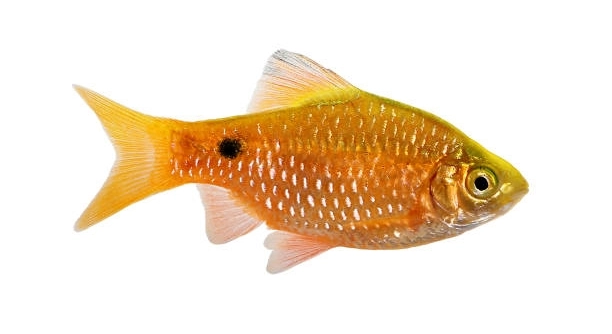
Rosy barbs are popular aquarium fish known for their bright colors. Sometimes, these colors can fade quickly, leaving owners worried. Understanding why this happens is important for keeping rosy barbs healthy and vibrant.
The sudden loss of color in rosy barbs is usually caused by stress, poor water quality, or nutritional deficiencies. These factors affect their pigment cells, leading to a duller appearance. Addressing these issues promptly can help restore their color.
Knowing what affects your rosy barbs’ colors helps in creating a better environment for them. This article will explain the main causes and solutions to keep your fish looking their best.
Common Causes of Color Loss in Rosy Barbs
Color loss in rosy barbs often happens because of changes in their environment or health. Stress from overcrowding or aggressive tank mates can make them lose their vibrant colors. Poor water quality, such as high ammonia or nitrite levels, also affects their pigment. Nutritional problems, like lack of vitamins or poor diet, weaken their natural color. Sometimes, sudden changes in temperature or lighting can cause stress that dulls their appearance. Rosy barbs also lose color when they are sick or recovering from illness. Monitoring water conditions, tank setup, and diet closely helps keep their colors bright. Regular water changes and a balanced diet rich in color-enhancing nutrients can prevent many issues.
Fish that lose color should be checked for signs of illness or stress. Keeping the tank stable helps prevent further fading and supports color recovery.
Proper care and attention to these factors will improve your rosy barbs’ overall health. Consistent water testing and feeding quality food support their natural coloration and vitality. Adjusting tank mates or reducing stress also makes a big difference in maintaining their bright appearance.
Importance of Diet for Rosy Barbs
Diet plays a key role in the color intensity of rosy barbs.
Feeding high-quality food with natural pigments like carotenoids helps enhance their reds and pinks. A diet including live or frozen foods, such as brine shrimp or bloodworms, adds important nutrients. Some flakes and pellets are specially made to boost fish color. Avoid overfeeding or using low-quality food, which can harm their health and color. Regularly varying their diet keeps them interested and nourished. A healthy diet supports not just color but overall immune function, helping fish resist disease and stress.
To keep rosy barbs looking their best, provide a mix of foods rich in essential vitamins and pigments. Adding natural color enhancers ensures their bright shades stay strong over time. Feeding small amounts several times a day rather than one big meal improves digestion and nutrient absorption. Also, fresh vegetables like blanched spinach can be a good supplement. Balanced nutrition is one of the easiest ways to prevent color fading and promote vibrant, healthy fish.
Stress and Its Effects on Rosy Barbs
Stress causes rosy barbs to lose color quickly. It weakens their immune system and affects pigment cells, leading to dull or faded appearance.
Stress can come from many sources like overcrowding, poor water conditions, or aggressive tank mates. Sudden changes in the environment, such as temperature swings or loud noises, also increase stress. When stressed, rosy barbs hide more and eat less, which worsens their condition. Regular monitoring and maintaining a stable environment are essential. Providing enough space and peaceful companions reduces stress significantly. Keeping the tank clean and consistent helps fish feel secure, supporting their natural colors.
Recognizing signs of stress early is important to prevent long-term damage. Adjusting tank setup or routine can quickly improve their wellbeing. Adding hiding spots and reducing disturbances lets rosy barbs feel safer. With less stress, their colors will often return to normal over time.
Water Quality and Color Retention
Poor water quality is a major factor in color loss. Maintaining clean, balanced water helps keep rosy barbs healthy and vibrant.
High ammonia, nitrite, or nitrate levels irritate fish and damage their skin and scales. This can cause colors to fade or appear dull. Regular water testing and frequent partial water changes prevent buildup of harmful substances. Proper filtration and avoiding overcrowding improve water quality too. Keeping the right pH and temperature within recommended ranges supports fish metabolism and pigment production. Good water quality also lowers stress and disease risk. Paying close attention to water conditions is one of the easiest ways to protect your fish’s bright appearance and overall health.
Lighting and Its Impact on Color
Lighting affects how rosy barbs display their colors. Proper light helps pigment cells develop fully and show vibrant hues.
Too much or too little light can cause fading. A balanced light cycle supports natural coloration and fish health.
Illness and Color Fading
Diseases weaken rosy barbs and often cause color loss. Infections, parasites, or fungus stress the fish, dulling their appearance. Early treatment is key to prevent permanent damage and restore brightness.
Tank Environment Adjustments
Small changes in the tank setup can improve rosy barbs’ color. Adding plants and hiding spots reduces stress and encourages natural behavior.
Temperature Fluctuations
Sudden or frequent temperature changes cause stress and color loss. Keeping stable water temperature within the ideal range supports healthy pigmentation and overall fish wellbeing.
FAQ
Why do rosy barbs lose color suddenly?
Rosy barbs lose color mainly due to stress, poor water quality, or inadequate diet. Stress weakens their immune system and affects pigment cells. Water with high ammonia or nitrites irritates them and dulls their color. A diet lacking essential nutrients, especially pigments, also causes fading. Sudden environmental changes or illness can make the loss appear quickly.
How can I reduce stress in my rosy barbs?
Keep the tank stable by maintaining consistent water temperature and quality. Avoid overcrowding and choose peaceful tank mates. Provide plenty of hiding spots with plants or decorations so fish feel secure. Limit sudden loud noises or bright light changes near the tank. Feeding a balanced diet also helps reduce stress.
What is the best diet to keep rosy barbs colorful?
A varied diet is best. Include high-quality flakes or pellets designed to enhance fish color, rich in carotenoids and vitamins. Supplement with live or frozen foods like brine shrimp, daphnia, or bloodworms. Adding blanched vegetables like spinach provides extra nutrients. Avoid overfeeding and remove uneaten food promptly.
How often should I test my tank water?
Testing water at least once a week is ideal. Check ammonia, nitrite, nitrate, pH, and temperature regularly. This helps catch problems early and prevents harmful buildup. If you notice color fading or unusual fish behavior, test more often until conditions stabilize.
Can lighting changes affect rosy barb color?
Yes. Proper lighting supports pigment development. Too much light can stress fish, causing color loss. Too little light prevents full color expression. Aim for about 8–10 hours of moderate light daily. Use a timer to keep light cycles consistent.
Will my rosy barb’s color return after it fades?
If the cause is fixed quickly, such as improving water quality or diet, color often returns. However, long-term stress or illness might cause permanent fading. Patience is key—color may take weeks to come back fully.
Are certain tank mates better to keep rosy barbs colorful?
Peaceful, non-aggressive fish are better companions. Aggressive or fin-nipping species stress rosy barbs, causing color loss. Ideal tank mates include other barbs, danios, tetras, or peaceful bottom dwellers. Avoid overcrowding to reduce competition and stress.
How does temperature impact rosy barb coloration?
Rosy barbs prefer water between 72°F and 78°F (22°C–26°C). Sudden drops or rises can stress them and dull their color. Keeping temperature stable within this range supports good health and pigment production.
What signs indicate illness-related color loss?
Look for lethargy, loss of appetite, clamped fins, or unusual spots along with fading color. These signs suggest infection or parasites. Treating illness early helps restore color and health.
Is frequent water change necessary for color maintenance?
Yes, regular partial water changes remove toxins and refresh minerals that keep fish healthy. Changing 20-30% of water weekly is a good practice. Clean water reduces stress and helps maintain bright colors.
Can stress from handling cause color loss?
Handling or moving rosy barbs too often can stress them, causing temporary color loss. Minimizing disturbance and letting them settle after changes improves recovery.
Does age affect rosy barb coloration?
Older rosy barbs may naturally lose some brightness, but drastic fading usually indicates other problems like stress or illness. Proper care can help maintain color longer.
Rosy barbs are beautiful fish that add life to any aquarium with their bright colors. When their colors suddenly fade, it can be concerning. However, color loss is often a sign that something in their environment or care routine needs attention. Understanding the main reasons behind this change helps fish owners respond quickly and correctly. Factors like stress, poor water quality, diet, and illness are common causes. Taking steps to manage these can restore your rosy barbs’ vibrant appearance and keep them healthy.
Keeping stress low is one of the most important ways to protect your rosy barbs’ color. Stress can come from many sources, such as aggressive tank mates, overcrowding, or sudden changes in the tank environment. It can weaken the fish’s immune system and affect the cells responsible for their colors. Maintaining a calm and stable tank setup helps reduce stress. Adding plants and hiding spots gives fish a safe place to retreat when needed. A balanced diet rich in nutrients and natural pigments also supports their color and overall health.
Regular tank maintenance is essential for preventing color loss. Testing water parameters frequently and performing partial water changes keeps water clean and safe. Poor water quality harms fish and makes color fading more likely. Illness can also cause dull colors, so it is important to watch for any signs of sickness and treat them promptly. By keeping the tank environment stable and feeding nutritious food, you give your rosy barbs the best chance to show off their natural, bright colors for a long time.

Hello,
If you enjoy the content that we create, please consider saying a "Thank You!" by leaving a tip.
Every little bit helps us continue crafting quality advice that supports the health, happiness, and well-being of pets around the world, for pets of all shapes, sizes, and species.
We really appreciate the kindness and support that you show us!