
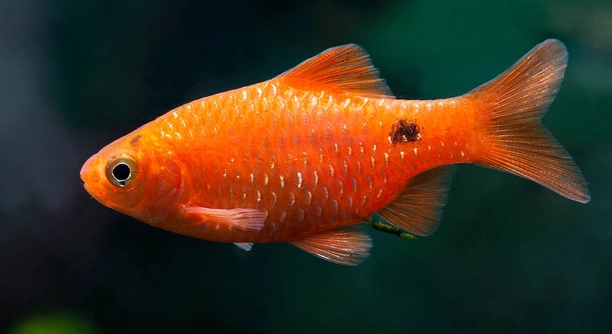
Rosy barbs are popular freshwater fish often kept in home aquariums for their lively behavior and bright colors. Many fish owners enjoy watching how these fish interact and form social bonds within their groups. Understanding their bonding can help create a peaceful tank environment.
Rosy barb bonding is characterized by swimming close together, gentle chasing, and shared resting spots. These behaviors indicate social acceptance and group cohesion, which reduce stress and promote a healthier, more stable community in the aquarium.
Recognizing these signs can improve how you care for your rosy barbs and support their natural social needs.
Recognizing Rosy Barb Social Behavior
Rosy barbs show their bonds mostly through their movements and interactions. When they swim closely side by side or follow each other gently, it signals trust and comfort. Sometimes they chase one another playfully, which helps establish a social hierarchy without aggression. You might also see them resting near each other, sharing calm moments in the tank. These signs mean the fish accept each other and feel safe in their environment. It’s important to keep the group size large enough, as rosy barbs are schooling fish and prefer company. Smaller groups can lead to stress and loneliness, which affects their health. Watching these behaviors helps you understand if your fish are getting along or if changes are needed. Adjusting tank conditions, such as adding plants or hiding spots, can support bonding and reduce tension. These efforts make the aquarium a better home for your fish.
Consistent observation of these behaviors can prevent conflicts and keep the group peaceful.
By paying attention to how your rosy barbs interact, you’ll notice their moods and relationships. Healthy bonding improves their overall well-being and encourages natural behavior. This makes caring for them more rewarding and helps maintain a balanced tank environment.
How Environment Affects Rosy Barb Bonding
Tank setup directly impacts how well rosy barbs bond and interact.
A well-planted tank with open swimming space helps rosy barbs feel secure and active. Plants provide hiding places where shy fish can retreat and reduce stress during social interactions. Proper water quality is essential since poor conditions cause discomfort and aggression. Maintaining stable temperature, pH, and cleanliness supports peaceful bonding. Avoid overcrowding to reduce competition for space and food, which can lead to fights. Feeding them a balanced diet also keeps their energy levels steady and behaviors calm. Paying attention to these details creates a comfortable habitat that encourages natural social behaviors. When their environment suits their needs, rosy barbs are more likely to swim together peacefully and show signs of strong bonds. Adjusting tank features to match their preferences improves both their health and social life.
Signs of Stress in Rosy Barbs
Stress in rosy barbs can show through changes in behavior and appearance. They may hide more, lose their bright colors, or swim erratically. Identifying stress early helps prevent serious health issues.
When stressed, rosy barbs might isolate themselves from the group, stopping normal social behaviors like swimming closely or chasing playfully. They could also stop eating or become less active. Stress often comes from poor water quality, overcrowding, or sudden changes in their environment. It’s important to check water parameters regularly and ensure the tank size suits the number of fish. Adding plants or decorations for hiding spots can help reduce anxiety. Observing your fish daily allows you to notice subtle signs before they worsen, helping you keep your rosy barbs healthy and comfortable.
Keeping their environment stable and calm supports their natural behaviors and reduces stress over time.
Improving Rosy Barb Bonding
Providing enough space is key to stronger bonds among rosy barbs. A larger tank allows each fish room to swim and rest without feeling crowded, which lowers tension.
Adding live plants and hiding places helps shy or new fish feel safer and encourages gentle social interactions. Feeding them regularly with varied, nutritious food keeps them active and less competitive. Maintaining good water quality by performing regular water changes reduces stress, supporting calm behavior. Sometimes, introducing new fish slowly helps avoid disruption in the group. Observing interactions can guide adjustments to tank setup or stocking numbers. These steps create a peaceful community where rosy barbs can thrive together, showing more bonding behaviors naturally.
Common Rosy Barb Behaviors
Rosy barbs often swim in groups, showing natural schooling behavior. They chase each other lightly, which helps maintain social order without causing harm.
They may nip fins occasionally, especially when stressed or crowded. This behavior should be monitored to prevent injury and maintain peace in the tank.
How to Encourage Positive Interaction
Encouraging positive interaction among rosy barbs starts with providing enough space for swimming and resting. A spacious tank reduces stress and allows natural behaviors. Including plants and decorations offers hiding spots, making shy fish feel secure. Feeding high-quality food regularly supports health and reduces competition. Keeping water conditions stable also prevents aggression, making the fish more comfortable with each other. Observing how they interact helps you make small changes to improve their social bonds. These efforts create a balanced, peaceful community in the aquarium.
When to Separate Rosy Barbs
If aggression becomes constant and causes injury, separating the fish may be necessary.
FAQ
How many rosy barbs should be kept together?
Rosy barbs are social fish that do best in groups of at least six. Keeping them in small groups helps reduce stress and encourages natural schooling behavior. A larger group also spreads out any aggression, making the tank environment more peaceful.
What signs show that rosy barbs are bonding?
Bonding is visible when rosy barbs swim closely together, follow each other gently, and rest near one another. Playful chasing without aggression is also a sign of a healthy social bond. These behaviors mean they feel comfortable and safe.
Can rosy barbs live with other fish?
Yes, rosy barbs can live with other peaceful community fish. Avoid keeping them with very small or slow-moving species, as rosy barbs may nip fins. Good tank mates include danios, barbs, and larger tetras.
Why do rosy barbs nip fins?
Fin-nipping can occur due to boredom, overcrowding, or lack of hiding spots. Stress from poor water conditions may also cause aggression. Providing enough space, plants, and keeping water clean usually reduces fin-nipping.
How do I reduce stress in my rosy barbs?
Maintain stable water conditions by regularly testing and changing the water. Provide a spacious tank with plenty of plants and hiding places. Keep the group size appropriate and feed a balanced diet. Watching your fish daily helps catch early signs of stress.
What tank size is best for rosy barbs?
A minimum of 30 gallons is recommended for a small group of rosy barbs. Larger tanks are better if you plan to keep more fish or add tank mates. More space reduces aggression and supports natural swimming patterns.
How often should I feed rosy barbs?
Feed rosy barbs small amounts 2 to 3 times a day. Use high-quality flakes, pellets, or frozen foods. Avoid overfeeding to keep the water clean and prevent health problems.
Do rosy barbs need special water conditions?
Rosy barbs prefer water temperatures between 64°F and 72°F (18°C to 22°C). They thrive in slightly hard, neutral to slightly alkaline water with a pH of 6.5 to 7.5. Regular testing helps keep conditions stable.
How long do rosy barbs live?
With proper care, rosy barbs can live 5 to 7 years in home aquariums. Good water quality, a balanced diet, and a stress-free environment all contribute to their lifespan.
What should I do if my rosy barbs fight?
If fights become aggressive and cause injury, check if the tank is overcrowded or if hiding places are lacking. Increasing space or rearranging decorations can help. In extreme cases, separating aggressive fish might be necessary to keep the group safe.
Can rosy barbs bond with their owners?
While rosy barbs don’t bond like some pets, they can recognize their owners and respond to feeding times. Regular gentle interaction may make them more comfortable and less shy around you.
Final Thoughts
Rosy barbs are lively and social fish that bring energy to any aquarium. Watching them interact and form bonds within their group is one of the joys of keeping these fish. Their natural behaviors, like swimming close together and gentle chasing, show they are comfortable and connected. Understanding these signs helps you create a better environment where they can thrive. It is important to remember that rosy barbs need space, clean water, and company to feel secure. When these needs are met, their health and happiness improve, making your tank more peaceful and enjoyable to watch.
Taking care of rosy barbs means paying close attention to their behavior and environment. Stress can cause changes that affect bonding, like hiding, fin-nipping, or color loss. Keeping the tank clean and stable reduces stress and supports their social nature. Adding plants and decorations gives them places to rest and feel safe, which also encourages friendly interactions. Feeding them regularly with good food keeps them active and less aggressive. When you observe your fish daily, it is easier to spot early problems and adjust care as needed. These small efforts go a long way in maintaining a balanced and healthy group.
Creating the right home for rosy barbs requires patience and attention to detail. They are not just pretty fish but also social creatures that benefit from proper care. Avoid overcrowding and provide enough room for swimming and resting. Watch how they interact and be ready to make changes if signs of stress or aggression appear. Supporting their natural behaviors through good tank setup and care makes a noticeable difference. In the end, understanding and responding to their needs helps you enjoy a lively, peaceful aquarium where rosy barbs can bond and live well.

Hello,
If you enjoy the content that we create, please consider saying a "Thank You!" by leaving a tip.
Every little bit helps us continue crafting quality advice that supports the health, happiness, and well-being of pets around the world, for pets of all shapes, sizes, and species.
We really appreciate the kindness and support that you show us!