
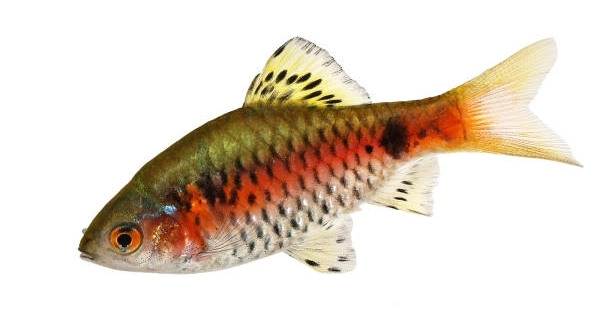
Are your Rosy Barbs starting to look a little dull, with their once-bright stripes beginning to fade over time?
The fading of stripes in Rosy Barbs is commonly caused by stress, poor diet, aging, illness, unsuitable tank conditions, aggression from tank mates, or changes in water quality and temperature.
Learning what causes these changes can help you better support your fish and keep them looking vibrant and healthy.
Stress from Environment Changes
Rosy Barbs can become stressed when their environment changes too quickly. This might include sudden water temperature shifts, frequent tank rearrangements, or noisy surroundings. When stressed, their color often fades, including the boldness of their stripes. Stress weakens their immune system and can affect behavior, making them more reclusive or aggressive. Common causes of stress include poor water quality, overcrowding, and inadequate hiding spots. These fish prefer a stable and calm tank environment with plenty of swimming space. It helps to keep a regular maintenance routine, avoid unnecessary disturbances, and maintain consistent water parameters. Use a reliable water test kit to monitor levels and ensure everything stays balanced. If you’ve recently made a change and notice faded stripes, try reversing it or giving them time to adjust. Adding live plants or decorations can provide extra comfort and make the tank feel safer. Sometimes, even small changes can make a big difference in how they feel.
Changes in their surroundings may seem small, but for fish, it can have a strong effect on how they look and act.
A calm, stable environment helps Rosy Barbs feel safe. When they feel secure, their natural colors—including their stripes—tend to return and become more vibrant.
Poor Nutrition
A lack of proper nutrition can lead to faded stripes in Rosy Barbs.
Feeding your Rosy Barbs a balanced diet is important for their overall health and appearance. They need a variety of foods, not just flakes or pellets. Adding high-quality protein, like bloodworms or brine shrimp, can help improve their color. Vegetables such as blanched spinach or zucchini also provide valuable nutrients. A poor diet weakens their immune system and leads to paler coloring over time. Feeding the same low-quality food every day can limit their intake of essential vitamins, like carotenoids, which help enhance their red and orange tones. Try rotating their food weekly and observing any changes in their color. Avoid overfeeding, as leftover food can pollute the water and create stress, which may worsen fading. Stick to small portions two to three times daily, and remove any uneaten food within a few minutes. With the right nutrition, you’ll start to see their stripes return and their energy improve.
Aging
As Rosy Barbs get older, their colors naturally fade. This includes the boldness of their stripes, which can soften or lose contrast with time. It’s a normal part of aging and doesn’t always signal a health problem.
Older Rosy Barbs often show subtle changes in behavior along with color fading. They may swim less actively or spend more time near the bottom of the tank. Their appetite might also slow down. As long as their overall health seems stable—no signs of disease or injury—this fading is typically nothing to worry about. Continue offering a balanced diet and maintain good water quality to support them in their older years. Just like with people, changes in appearance are normal with age, and it’s important to accept these shifts as a part of their natural life cycle rather than a sign that something is wrong.
Color changes that come with aging can’t be reversed, but you can help keep your Rosy Barb comfortable. Focus on a consistent routine and low-stress environment. Avoid adding aggressive tank mates, as older fish may struggle to defend themselves or find food. Give them easy access to food and keep up with gentle tank maintenance. A peaceful space helps them stay active longer.
Illness
Illness often causes visible changes in Rosy Barbs, including faded stripes. Common conditions like ich, fin rot, or bacterial infections can affect their appearance before other symptoms show. Watch closely for signs like white spots, clamped fins, or lack of appetite. Quick treatment can help prevent more serious problems.
When a Rosy Barb becomes sick, its body uses energy to fight off the illness rather than maintain color. This causes stripes and overall brightness to fade. A sudden loss of color—especially if paired with sluggishness, hiding, or physical damage—can mean something’s wrong. Quarantining the affected fish is often a good first step. Check water parameters and make sure ammonia and nitrite levels are at zero. Infections spread fast in community tanks, so treat promptly with the appropriate medication. Clean the tank, do regular water changes, and monitor all fish closely. Acting early helps stop further color loss and supports a quicker recovery.
Aggression from Tank Mates
Rosy Barbs can lose their color if they feel threatened or bullied. Aggressive tank mates often cause stress, which leads to faded stripes. Look for signs like chasing, hiding, or torn fins as possible indicators of aggression.
Keeping Rosy Barbs with peaceful fish helps reduce stress. They do best in groups of five or more, which helps spread out any aggressive behavior within their own species.
Poor Water Quality
When water quality drops, it affects the health and color of Rosy Barbs. High ammonia, nitrites, or unstable pH can cause their stripes to fade. Regular testing and weekly water changes are necessary. Use a proper filter, avoid overfeeding, and remove waste quickly. Good water keeps fish healthy and bright.
Sudden Temperature Changes
A quick shift in water temperature can shock Rosy Barbs and lead to stress. Stress often shows through pale stripes and sluggish behavior. Keep the tank temperature steady, ideally between 72°F and 78°F, to support their health and maintain their color.
FAQ
Why are my Rosy Barbs’ stripes fading even though the water looks clean?
Water can look clear but still have harmful chemicals like ammonia, nitrites, or nitrates at unsafe levels. These chemicals stress the fish, causing color to fade. Regular testing is important because clear water doesn’t always mean healthy water. Make sure to do frequent partial water changes and use a good filtration system to keep the water balanced.
How long does it take for faded stripes to return?
If the cause of fading is fixed quickly—like improving water quality or reducing stress—color can return within a few weeks. However, if the fish is sick or aging, it might take longer or the stripes may never fully recover. Consistency in care is key for color to come back.
Can stress alone cause permanent fading?
Stress typically causes temporary fading. Once the stress is removed, colors usually brighten again. But prolonged or repeated stress weakens the fish’s health and can cause lasting damage. It’s important to address stress quickly to avoid permanent effects.
Does diet really affect the stripe colors that much?
Yes, diet plays a big role in fish coloration. Foods rich in carotenoids, vitamins, and proteins help maintain bright colors. Without these nutrients, the stripes lose vibrancy and fade. A varied diet with quality flakes, frozen foods, and occasional live foods supports healthy color.
Are certain tank mates more likely to cause Rosy Barbs to lose their color?
Aggressive or very active fish can stress Rosy Barbs, causing fading. Fish like larger cichlids or fin-nippers may chase or nip at them, leading to stress and injury. Choosing peaceful tank mates and keeping Rosy Barbs in groups reduces this risk.
Can old age cause stripes to disappear completely?
Aging often causes a gradual fading of colors but rarely complete loss. Older Rosy Barbs might have softer or duller stripes, but usually, some color remains. Proper care can help older fish stay healthier and maintain their appearance longer.
How can I tell if faded stripes mean illness?
If faded stripes come with other symptoms—like clamped fins, white spots, erratic swimming, or loss of appetite—it could mean illness. Fading alone isn’t always a sign of disease, but combined with these signs, it’s best to check water quality and consider treatment.
Is it normal for stripes to fade during breeding?
During breeding, some Rosy Barbs may show less intense color, including faded stripes. This is usually temporary and related to hormonal changes. After spawning, colors generally return as the fish rest and recover.
Can lighting affect the visibility of stripes?
Yes, poor or very bright lighting can affect how stripes appear. Dim light may make stripes look faded, while harsh lighting might wash out colors. Balanced, natural lighting helps show the true color of your fish.
What should I do first if I notice faded stripes?
Start by testing the water and checking for any sudden changes in tank conditions. Next, observe fish behavior and look for signs of illness or stress. Improve diet and ensure no aggressive tank mates are causing trouble. Acting quickly improves chances of color returning.
Final Thoughts
Faded stripes in Rosy Barbs can happen for many reasons. Stress, poor diet, illness, aging, or changes in their environment all play a part. Understanding what causes the fading is important to help your fish stay healthy and colorful. It is normal for colors to change sometimes, but sudden or extreme fading should not be ignored. Paying attention to your fish’s behavior and tank conditions will give you clues about what might be wrong. Taking quick action when you notice problems helps prevent bigger health issues later on.
Keeping a stable and clean environment is one of the best ways to protect your Rosy Barbs’ vibrant stripes. Regular water testing and changes, proper filtration, and avoiding sudden shifts in temperature or water chemistry are essential. Feeding a balanced diet with varied and nutritious foods also supports their natural colors. Good care means more than just feeding and cleaning; it means paying attention to their needs and making adjustments as necessary. When your fish feel safe and comfortable, their colors are more likely to stay bright and strong.
Finally, remember that some changes in color are part of normal life, especially as Rosy Barbs grow older. Aging may soften the sharpness of their stripes, but this doesn’t mean they are unhealthy. Supporting them with gentle care and a peaceful tank environment helps them live a longer, more comfortable life. By watching carefully and making small improvements, you can keep your Rosy Barbs looking their best for years to come.

Hello,
If you enjoy the content that we create, please consider saying a "Thank You!" by leaving a tip.
Every little bit helps us continue crafting quality advice that supports the health, happiness, and well-being of pets around the world, for pets of all shapes, sizes, and species.
We really appreciate the kindness and support that you show us!