
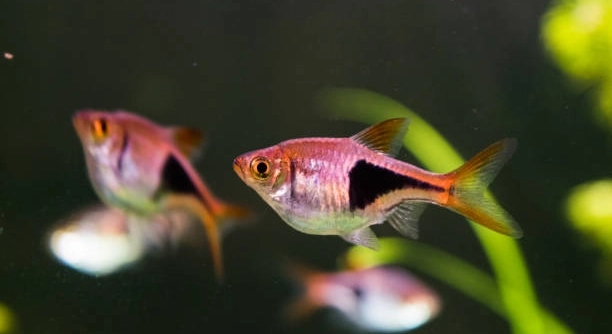
Have you ever noticed your rasboras losing their bright colors over time, even with regular care at home? Color fading is common in aquariums and often signals small mistakes that quietly affect fish health overall.
Rasbora color fading most commonly results from chronic stress caused by improper water parameters, inadequate nutrition, poor lighting, overcrowding, and inconsistent maintenance routines. These factors disrupt pigment expression, weaken immune function, and reduce vitality, leading to dull coloration over time.
Understanding these common mistakes helps restore natural color, improve daily care habits, and support long-term rasbora health in home aquariums.
Poor Water Quality and Parameter Swings
I learned early that rasboras show stress through their colors, and water quality plays a central role. Ammonia, nitrite, and nitrate fluctuations damage delicate tissues and disrupt pigment production. Even small parameter swings can cause chronic stress that fades coloration over weeks. Inconsistent water changes, neglected filters, and overfeeding slowly degrade water stability. Rasboras prefer soft, slightly acidic water, and prolonged exposure to unsuitable conditions weakens their immune response. When fish feel unsafe at a chemical level, their bodies conserve energy rather than maintain vibrant hues. Clear water does not always mean healthy water, which is a mistake many aquarists make. Testing regularly creates awareness and prevents silent issues. Stable parameters support natural behavior, appetite, and long-lasting coloration in community tanks. This lesson became clear after correcting my own maintenance habits and watching colors return once stability replaced guesswork and rushed care within the aquarium environment overall for lasting improvement.
Weekly testing and consistent water changes keep conditions predictable. Gentle filtration, proper stocking, and controlled feeding reduce waste buildup. When water remains stable, rasboras display stronger colors, calmer swimming patterns, and better resilience against common stress related problems over long periods in home aquariums with routine care applied consistently maintained.
Temperature swings also tie closely to water quality and are often overlooked. Rasboras thrive in narrow temperature ranges, and sudden changes slow metabolism and dull coloration. Heaters without thermostats, seasonal room shifts, and rushed water changes introduce instability. I noticed fading when temperatures fluctuated daily, even though parameters tested fine. Using a reliable heater and matching new water temperatures reduced visible stress. Stable warmth allows proper digestion, hormone balance, and pigment retention. When combined with clean water, consistent temperature supports long-term color strength. This simple adjustment often produces noticeable improvement within a few weeks in smaller community aquarium setups overall.
Inadequate Diet and Environmental Stress
Nutrition directly influences rasbora coloration and energy levels. Diets lacking variety, quality proteins, and natural pigments lead to pale appearances. Flake-only feeding over time limits nutrient intake. Balanced meals strengthen color intensity and support daily activity patterns across different life stages and tank conditions in captive environments for best results.
Rasboras are active fish that benefit from small, frequent feedings made up of varied foods. High-quality flakes, micro pellets, frozen daphnia, and brine shrimp provide essential nutrients that enhance coloration. Foods containing carotenoids help maintain red and orange tones naturally. Overfeeding, however, creates excess waste and increases stress through declining water quality. I found that feeding less but more intentionally improved both color and behavior. Environmental stress also plays a major role. Overcrowding limits swimming space and increases competition, which suppresses coloration. Poor lighting further reduces visual vibrancy, especially in planted tanks where rasboras rely on contrast. Gentle lighting paired with floating plants helps them feel secure. A calm environment supports natural schooling behavior and reduces hiding. When diet and surroundings improve together, color returns gradually. These changes require patience, but consistency brings visible results. Healthy rasboras reflect good care through steady movement, strong appetite, and lasting color. Simple routines create stability over time. I noticed improvements after reducing noise, avoiding sudden movements near the tank, and keeping decor consistent. These small adjustments lowered stress levels and allowed rasboras to display brighter, more stable coloration daily within a balanced, predictable home aquarium environment that supports long-term wellbeing and visual health.
Improper Lighting and Tank Setup
I noticed lighting issues caused subtle stress that slowly washed out rasbora colors. Excessively bright lights remove security, while dim setups dull natural contrast. Without balance, fish reduce activity and pigment display, conserving energy instead of maintaining vibrant coloration within the aquarium over extended periods of daily exposure inside tanks.
I learned rasboras prefer gentle, evenly distributed lighting that mimics shaded streams. Harsh overhead lighting creates constant exposure, increasing stress hormones and dulling coloration. Using adjustable LEDs allows gradual transitions and consistent photoperiods. Floating plants help diffuse light and offer shelter without blocking visibility. Dark substrates enhance contrast, making colors appear stronger naturally. Sparse decor leaves fish exposed and hesitant to school. When setup feels open and bright, rasboras hide more and display less color. Balanced aquascaping encourages natural movement, reduces stress, and supports healthy pigment expression over time. Consistency also prevents daily shock from sudden lighting changes at home.
I adjusted my own tank by reducing light intensity and extending ramp times. This immediately lowered erratic swimming and hiding behavior. Placing decor to break lines of sight improved comfort. Background colors also mattered more than expected. Dark back panels reduced reflections and external movement stress. Keeping lighting schedules stable prevented confusion between day and night cycles. When rasboras feel visually secure, their colors deepen gradually. Lighting should support calm behavior rather than constant stimulation. Small visual changes often create noticeable improvements without altering water or diet routines. This approach saved money and simplified daily maintenance tasks at home tanks.
Overcrowding and Social Stress
Overcrowding places constant pressure on rasboras, limiting space and increasing competition. Schools become fragmented, and weaker fish lose access to food. Stress hormones remain elevated, suppressing color intensity. Even peaceful tanks suffer when stocking exceeds swimming capacity. Adequate space allows schooling, synchronized movement, and visible coloration. Fewer fish often results in healthier behavior and stronger color display overall within small community aquariums over long periods of time at home setups commonly kept indoors daily carefully.
I reduced my stocking and saw immediate behavioral changes. Rasboras swam openly, fed calmly, and displayed brighter tones within weeks. Proper group size matters, as too few cause anxiety while too many cause conflict. Tank dimensions should match adult size and swimming habits, not store appearance. Adding fish slowly prevents hierarchy stress and allows biological filtration to adapt. Rearranging decor during additions reduces territorial behavior. Social stress often hides behind acceptable water tests, making it easy to miss. Observing interaction patterns provides clearer feedback than numbers alone. Balanced stocking supports long-term color retention, stable behavior, and overall resilience in community aquariums. This adjustment required patience but delivered lasting improvements without increasing maintenance demands for small home tanks over extended care periods with simple routines applied.
Excessive Handling and Sudden Changes
Frequent handling and sudden changes create ongoing stress that directly affects rasbora coloration. Netting, chasing, or constant tank rearranging forces fish into defensive states. Energy shifts from pigment maintenance to survival responses, resulting in faded colors and withdrawn behavior over time. This pattern often appears slowly in busy households daily.
I noticed improvement once I limited interference and kept layouts consistent. Performing maintenance calmly, using soft nets, and avoiding unnecessary rescapes reduced panic responses. When fish feel predictable surroundings, they swim openly, eat better, and maintain stable coloration without constant stress signals over long periods in home aquariums consistently maintained.
Inconsistent Maintenance Routines
Poor maintenance schedules often cause slow color loss that goes unnoticed. Skipped water changes, clogged filters, and inconsistent testing allow waste to build gradually. I learned that irregular routines create hidden instability even when tanks look clean. Rasboras respond to this by dulling colors and reducing activity. Establishing simple weekly habits keeps conditions predictable. Cleaning filters gently, testing parameters, and replacing water at steady intervals supports biological balance. Overcleaning can be equally harmful, removing beneficial bacteria and triggering stress. Maintenance should be steady, gentle, and planned. When routines remain consistent, rasboras adapt easily and maintain brighter, healthier coloration long-term stability.
Incompatible Tank Mates
Ignoring tank mates compatibility places rasboras under constant social pressure. Fin nippers, aggressive feeders, or overly active species disrupt schooling behavior. I saw colors fade when peaceful fish shared space with dominant tank mates, even though water conditions and diet remained stable for extended periods in mixed community aquariums setups.
Why is my rasbora’s color fading even though the water looks clean?
Clear water does not always mean healthy water. I learned that ammonia, nitrites, and nitrates can reach harmful levels without visible signs. Even small fluctuations in pH, hardness, or temperature can stress fish and dull their colors. Consistent testing, gentle filtration, and scheduled water changes keep parameters stable, helping rasboras maintain vibrant coloration over time.
Can diet really affect rasbora coloration?
Yes, diet has a major impact. I noticed my fish looked pale when I relied solely on flake food. Providing a mix of high-quality flakes, frozen brine shrimp, daphnia, and foods with carotenoids restores red and orange tones naturally. Feeding small portions multiple times a day prevents overfeeding, reduces waste buildup, and supports both color and energy.
How often should I change the water?
Weekly water changes are usually best for rasboras. I learned that skipping or doing irregular changes leads to hidden stress and faded colors. Partial water changes of 20-30% keep chemical levels stable while preserving beneficial bacteria. Rushing large changes can shock fish, so steady, measured maintenance is key for long-term color retention.
Does lighting affect their color?
Lighting is crucial. My rasboras looked dull under harsh overhead lights but brighter with gentle, evenly distributed LEDs. Floating plants diffuse light, create shelter, and reduce stress, while a dark substrate enhances natural contrast. Keeping a consistent photoperiod of about 8-10 hours supports pigment expression and normal behavior.
Can overcrowding cause color loss?
Absolutely. Overcrowded tanks increase competition and stress, which suppresses coloration. I noticed my fish’s colors improved when I reduced the group size slightly and gave them more swimming space. Proper schooling behavior and sufficient room to explore help rasboras feel secure, promoting healthy color and activity levels.
How important are tank mates for rasbora color?
Tank mates play a big role. Aggressive or overly active species stress rasboras, making them hide and fade. I switched to peaceful community fish and saw colors return gradually. Balanced social environments reduce constant stress and allow natural schooling behavior, which supports bright, stable coloration over time.
Do temperature changes impact color?
Yes, even small fluctuations can dull colors. I experienced fading when room temperature varied daily. Maintaining a stable range of about 24-28°C with a reliable heater prevents stress and supports metabolism, digestion, and pigment maintenance. Sudden changes should always be avoided during water changes.
What about stress from handling or moving them?
Frequent handling or constant tank rearrangements forces rasboras into defensive states. I minimized interference and rearranged decor gradually. Calm maintenance and soft nets prevent unnecessary panic, helping fish conserve energy for color retention and normal swimming behavior. Predictable surroundings improve both comfort and pigment expression.
Is there a quick fix for faded colors?
There’s no instant solution. I found that consistent care, proper diet, stable water, and a calm environment gradually restore natural coloration. Quick fixes, like color-enhancing foods alone, do not address underlying stressors. Long-term improvements come from steady routines, proper tank setup, and mindful observation of fish behavior.
Can stress from sudden changes fade color permanently?
Stress can have lasting effects if chronic. I noticed that frequent moves, aggressive tank mates, or rapid water changes caused prolonged dullness. Stabilizing conditions, maintaining a gentle routine, and reducing environmental shocks allowed colors to recover over several weeks. Patience and consistency are essential for full recovery.
How can I encourage vibrant color naturally?
Balanced diet, stable water, proper lighting, and calm tank mates work together. I enhanced natural pigment expression by offering carotenoid-rich foods, keeping temperature steady, and providing hiding spots. Avoiding overcrowding and minimizing sudden disruptions also helped. Vibrant coloration develops gradually when fish feel secure and their daily needs are reliably met.
Are there signs that my rasboras are stressed beyond color fading?
Yes. Pale color often accompanies sluggish swimming, hiding, loss of appetite, or clamped fins. I learned to monitor these behaviors along with water parameters. Early attention prevents health decline and allows gradual color recovery. Recognizing stress signals early is more effective than trying to correct color after severe decline.
Can plants in the tank improve coloration?
Plants create shelter, reduce stress, and diffuse light. I added floating and rooted plants and noticed brighter colors and calmer swimming. Dense planting allows rasboras to school naturally and feel secure. Healthy plants contribute to stable water conditions, enhancing both behavior and pigment expression.
Is it normal for colors to fade seasonally?
Seasonal fading can happen due to natural hormonal cycles, lighting changes, or temperature shifts. I observed mild dullness in winter when room lighting was lower. Maintaining consistent photoperiods and stable temperature minimizes seasonal impact. Regular monitoring ensures fading is not caused by stress or poor conditions.
How long does it take for color to return?
Recovery varies. With consistent care, I noticed gradual improvement within two to four weeks, but full vibrancy may take several months. Recovery depends on addressing diet, water, lighting, temperature, and social conditions together. Patience is key, as rushing changes can cause setbacks and additional stress.
Can supplements enhance color safely?
Supplements can help but are not a replacement for proper care. I used carotenoid-rich foods sparingly, which improved reds and oranges over time. Overuse can be harmful. Focus on balanced nutrition and a stress-free environment first, and supplements serve as an additional support for natural pigment expression.
Are certain rasbora species more prone to fading?
Yes, some species like the Glowlight or Chili Rasbora show color loss faster under stress. I noticed these delicate types require stricter water parameters, gentle schooling, and precise feeding to maintain their natural vibrancy. Understanding species-specific needs ensures stable coloration and overall health.
How can I prevent future color fading?
Consistency is crucial. I maintain regular water tests, scheduled changes, proper diet, gentle lighting, stable temperature, and compatible tank mates. Observing behavior and adjusting routines gradually prevents recurring stress. Prevention focuses on creating a stable, predictable environment where rasboras can express natural color fully over time.
What’s the most common mistake owners make?
Skipping routine maintenance, overfeeding, or introducing incompatible species quietly stresses fish. I learned that even small, repeated mistakes reduce coloration over weeks. Correcting these areas with simple, steady care restored both color and vitality. Observing daily behavior and adjusting routines is more effective than reacting to color loss alone.
Maintaining vibrant rasbora coloration takes more than occasional care. I realized over time that small, consistent actions make the biggest difference. Factors like water quality, diet, lighting, and social environment all work together to influence their natural colors. Ignoring even one element can cause gradual fading, which often goes unnoticed until the change is significant. When I started paying attention to each of these areas, I noticed that the fish were more active, schooling properly, and regaining their bright hues. Simple routines, such as weekly water checks, scheduled partial water changes, and steady feeding, create stability that allows rasboras to display their full colors naturally over time. Even small improvements, like adding floating plants or adjusting light intensity, had visible effects, showing how sensitive these fish are to their environment. By keeping everything consistent, I learned that color maintenance becomes less stressful for both the fish and the owner.
Diet is another key element that I had to reconsider. Feeding only flakes for convenience left my rasboras looking pale and less energetic. I began incorporating frozen foods like brine shrimp and daphnia, along with occasional micro pellets, which introduced variety and essential nutrients. Foods containing natural pigments, like carotenoids, helped restore reds and oranges without the need for artificial additives. I also learned that smaller, more frequent feedings were better than one large portion, as this reduced waste in the tank and ensured each fish had access to food. Over time, the combination of a balanced diet and consistent care improved their colors and overall health. Watching the fish regain their vibrancy reinforced the importance of understanding what they need daily, rather than relying on quick fixes. The process is gradual, but the results are rewarding and long-lasting.
Social conditions and stress management also play a significant role in maintaining rasbora coloration. Overcrowding, aggressive tank mates, or frequent handling can keep stress hormones elevated, which directly reduces pigmentation. I had to adjust the number of fish in my tank and carefully select compatible companions to ensure that my rasboras could school comfortably and swim freely. Stability in their environment, including gentle lighting and predictable routines, reduced anxiety and allowed them to show their natural colors more consistently. Even small changes, such as keeping decorations in familiar positions or minimizing sudden disturbances, contributed to calmer behavior and brighter pigmentation. Maintaining a peaceful, balanced tank is just as important as clean water and proper diet. Combining all these strategies—stable water, balanced nutrition, suitable lighting, and a stress-free social environment—creates the ideal conditions for rasboras to thrive and display their natural beauty every day.

Hello,
If you enjoy the content that we create, please consider saying a "Thank You!" by leaving a tip.
Every little bit helps us continue crafting quality advice that supports the health, happiness, and well-being of pets around the world, for pets of all shapes, sizes, and species.
We really appreciate the kindness and support that you show us!