
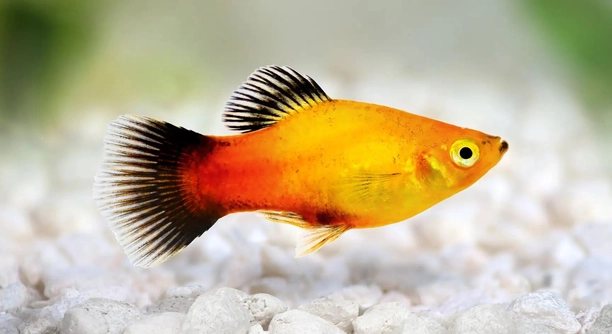
Platies are small, colorful fish that many people enjoy keeping in their home aquariums. These lively creatures often swim together and interact in interesting ways. Sometimes, you might notice them chasing each other around the tank.
Platies chase each other mainly due to social behavior, territorial instincts, or mating rituals. This chasing helps establish hierarchy, attract mates, or defend space within the aquarium environment. Such actions are natural and usually not harmful if the tank conditions are suitable.
Understanding why platies chase each other can help you create a better environment for them. Knowing their behavior patterns ensures a peaceful and healthy aquarium for your fish friends.
Why Platies Chase Each Other
Platies chase each other mostly because of natural behaviors that help keep their social order clear. In a tank, they swim around to establish who is dominant and who is not. This can sometimes look like rough play, but it is normal. Male platies often chase females as part of courtship to show interest. Sometimes, males will also chase each other to compete for attention. If the tank is too small or overcrowded, chasing may become more frequent and stressful for the fish. Proper space and hiding spots can help reduce constant chasing. When platies chase in short bursts and then calm down, it usually means they are simply interacting normally. Watching these behaviors helps understand what is happening in the tank. Paying attention to how often and how aggressively they chase can guide you in adjusting their environment to keep them healthy and calm.
In most cases, chasing is a sign of healthy social interaction. However, too much can stress your fish and cause injury.
By giving platies enough room and hiding places, you can reduce stress and chasing behavior. A balanced tank environment supports peaceful coexistence and keeps your fish comfortable.
Tank Conditions That Affect Chasing
Tank size and environment play big roles in how often platies chase each other. When the tank is too small, fish feel crowded and stressed, which increases chasing. A tank that is at least 20 gallons is recommended for a small group of platies. Decorations like plants and rocks provide hiding spots that help reduce stress and give fish places to rest from chasing. Water quality also matters — poor conditions can make fish irritable and more likely to chase. Regular water changes and proper filtration keep the environment healthy. Temperature and pH levels should stay within ideal ranges for platies, around 72–78°F and pH 7.0–8.0. When the tank supports their needs, platies tend to be less aggressive. Setting up a good habitat takes effort, but it results in calmer fish and a more enjoyable aquarium to watch. Monitoring and adjusting tank conditions will help your platies live in harmony.
Recognizing Normal vs. Aggressive Chasing
Platies chasing each other is normal, but sometimes it can become aggressive. It’s important to watch how often and how intense the chasing is. Occasional chasing is natural, but constant chasing with biting or injury is a sign of aggression.
Normal chasing happens in short bursts, usually lasting a few seconds. Fish swim fast but quickly stop and return to normal swimming or resting. Aggressive chasing lasts longer and may involve one fish repeatedly attacking another. Look for signs like torn fins, pale colors, or hiding fish. If aggressive chasing occurs, it can cause stress and harm to the weaker fish. This behavior often increases if the tank is crowded or if there are too many males competing for mates.
When you notice aggressive chasing, separating fish or adding more hiding spots can help. Also, reducing the number of males can lower competition. Keeping an eye on interactions will help you maintain a peaceful tank where all platies can thrive.
Managing Male Platy Behavior
Male platies are naturally more territorial and competitive than females. They chase to establish dominance and win over females. In a small tank with many males, chasing increases, which can lead to stress or injury. Keeping more females than males reduces competition.
Adding plants and decorations gives fish places to escape and reduces tension. If aggressive behavior continues, consider separating the most aggressive males. A balanced ratio and a spacious tank support healthier social behavior. Adjusting the environment this way keeps chasing normal and less harmful, making your aquarium more peaceful overall.
Signs of Stress from Chasing
When chasing becomes too much, platies can show stress. Signs include hiding often, loss of appetite, and faded colors. Watching for these helps you know when something needs to change.
Stress can weaken their immune system, making them more prone to illness. Early action can prevent bigger problems.
How to Provide Hiding Spots
Adding plants, caves, or decorations offers platies places to hide and rest. This breaks up open swimming areas and helps reduce chasing. Natural or artificial plants work well.
Hiding spots give fish a sense of safety, making the tank calmer and more comfortable.
Adjusting Your Tank Setup
Changing tank layout to include more hiding places and space lowers aggression. Rearranging decorations periodically can also reduce territorial fights by disrupting established boundaries.
Keeping your tank well-planted and spacious helps platies feel secure and less likely to chase each other constantly.
FAQ
Why do my platies chase each other so much?
Platies chase each other mainly because of social behavior and mating instincts. Male platies often chase females as part of courtship. Males also chase each other to establish dominance and compete for mates. Sometimes, if the tank is too small or overcrowded, chasing becomes more frequent and stressful. Proper tank size, hiding spots, and balanced male-to-female ratios usually keep chasing normal and less aggressive.
Is chasing a sign of aggression or normal behavior?
Chasing is normal when it happens in short bursts and fish quickly stop afterward. This helps them establish social order. However, if chasing is constant, intense, or causes injuries like torn fins, it’s aggressive behavior. Aggressive chasing usually happens if the tank is crowded or there are too many males competing. Monitoring your fish’s behavior helps you know when chasing crosses the line into aggression.
Can chasing harm my platies?
Yes, aggressive chasing can cause stress and physical injuries such as fin damage or weakened immune systems. Stressed fish may stop eating or hide more, which affects their health. If you notice injuries or constant chasing, changes in tank setup or separating aggressive fish are necessary to protect your platies.
How many platies should be kept together?
A small group of 5 to 6 platies is ideal, with more females than males to reduce male competition. A 20-gallon tank or larger is recommended for this number. Overcrowding leads to stress and more chasing. Keeping a balanced ratio and enough space promotes peaceful behavior and healthy social interactions.
What tank conditions reduce chasing behavior?
A spacious tank with plenty of hiding spots lowers stress and chasing. Plants, rocks, and decorations create safe places for fish to escape when chased. Maintaining good water quality, stable temperature (72–78°F), and proper pH (7.0–8.0) keeps fish healthy and less irritable. Clean water and regular maintenance also reduce aggressive behavior.
Should I separate platies that chase too much?
If chasing is aggressive and causes injuries, separating aggressive fish temporarily can help. Sometimes, rearranging the tank or adding more hiding spots is enough. In cases of persistent aggression, reducing the number of males or providing a larger tank may be necessary. Separation should be a last resort after trying environmental changes.
Do female platies chase too?
Female platies are usually less aggressive and do not chase as much as males. They tend to focus more on swimming and eating than competing. However, in crowded or stressful conditions, females might chase each other to establish a social hierarchy. Providing enough space helps reduce this behavior.
How can I tell if chasing is mating behavior?
Mating chasing usually involves a male following a female closely but gently, often with bright colors and active swimming. The female might swim away but stays within the male’s area. This chasing is less aggressive and shorter than territorial fights. Mating behavior often increases during breeding times but does not cause harm.
Can changing tank mates reduce chasing?
Yes, mixing peaceful species with platies can help spread out aggression and reduce chasing. Avoid aggressive or overly active fish that might increase stress. Choosing compatible tank mates keeps the environment calm and enjoyable for all fish. Research each species’ temperament before adding them.
What is the best way to calm chasing platies?
Improving tank conditions is key. Increase tank size if possible, add more plants and hiding spots, and keep a proper male-to-female ratio. Regular water changes and stable water parameters also help. Observing and responding quickly to signs of stress or aggression prevents chasing from becoming a problem.
Platies chasing each other is a common behavior that many fish keepers notice. It is often a natural part of how they interact with each other. This chasing can be linked to social order, mating, or defending space. When it happens in small bursts and without harm, it is usually normal and shows the fish are active and healthy. Understanding this behavior helps fish owners know when it is nothing to worry about and when it may need attention. Watching your platies regularly can give you clues about their well-being and if the tank environment suits them.
However, chasing can sometimes turn aggressive, especially if the tank is crowded or there are too many males. Aggressive chasing can cause stress and injury to the fish, which affects their health. To prevent this, it is important to provide a tank that is large enough, with plenty of hiding spots like plants and decorations. A good balance of males and females also lowers tension. Clean water and stable conditions are essential too. Taking these steps creates a calmer and safer environment where your platies can thrive without constant stress or fights.
Keeping an eye on your platies and learning their behavior is part of responsible fish care. If chasing seems excessive or causes harm, changes in the tank setup or fish grouping may be needed. Sometimes small adjustments, like adding plants or rearranging decorations, make a big difference. In other cases, separating the most aggressive fish or increasing tank size helps. Being patient and attentive will lead to a more peaceful aquarium. Your platies will be healthier and happier, and watching their natural behaviors can become a rewarding experience.

Hello,
If you enjoy the content that we create, please consider saying a "Thank You!" by leaving a tip.
Every little bit helps us continue crafting quality advice that supports the health, happiness, and well-being of pets around the world, for pets of all shapes, sizes, and species.
We really appreciate the kindness and support that you show us!