
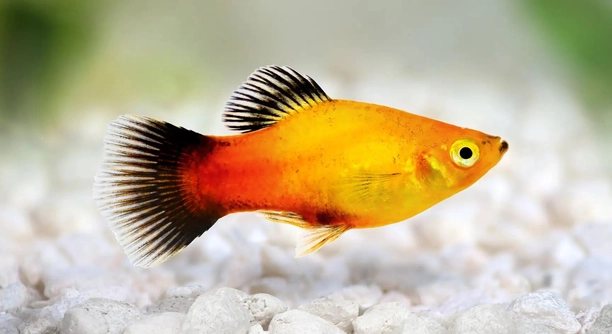
Have you ever looked at your backyard pond and wondered if your pet platies could live happily in that outdoor space?
Platies can live in outdoor ponds if the water temperature stays consistently between 70°F and 82°F. They also require clean, well-oxygenated water and some shelter from predators, as they are small and peaceful fish.
These basic requirements can help you decide if your outdoor pond is a safe and healthy environment for your platies to thrive.
Outdoor Pond Conditions That Support Platies
Platies can live outside if the environment is suitable for their needs. These tropical fish do best in water temperatures between 70°F and 82°F. If your climate often drops below this, especially at night or during colder seasons, platies will struggle to survive. Shallow ponds can change temperature quickly, so a deeper pond is better for temperature stability. Clean, well-filtered water is also important. Debris and waste can affect their health, so regular maintenance is essential. Adding aquatic plants will give platies natural hiding spots, help keep the water clean, and offer some shade. These fish also need protection from predators, so placing netting over the pond or adding floating plants can make them feel safer. It’s also a good idea to test your water regularly to check for harmful changes in pH or ammonia levels, which can quickly harm small, sensitive fish like platies.
Warm, stable climates like USDA Zones 9 to 11 are ideal for keeping platies outside year-round.
If you live in a colder area, you can still keep platies in an outdoor pond during warmer months. Just be prepared to bring them indoors once temperatures begin to drop.
Feeding and Care for Outdoor Platies
Feeding platies in outdoor ponds is simple but requires consistency.
They should be fed high-quality flake food or pellets, just like indoor fish. You can supplement their diet with live or frozen foods like bloodworms or brine shrimp. Feeding should be done once or twice a day, offering only what they can eat in a few minutes. Uneaten food can cause water quality issues, especially in an outdoor pond where it’s harder to control conditions. Insects and algae naturally found in the pond can also become part of their diet, especially in well-planted ponds. Keep an eye on their behavior—active swimming and vibrant colors usually mean they’re healthy. Regular water changes and a good filtration system are important for keeping the water clean. If you notice slow movement or fading color, it may be a sign of stress, illness, or poor water conditions. Routine care helps prevent problems and keeps your outdoor platies thriving.
Seasonal Changes and Temperature Control
Platies are sensitive to cold, so seasonal temperature shifts must be carefully managed in outdoor ponds. Once temperatures drop below 65°F, they become sluggish and prone to illness. They should be brought indoors before fall temperatures dip too low.
During spring and summer, your pond may naturally stay warm enough for platies to thrive. In cooler regions, consider using a pond heater or floating de-icer to maintain a safe range during colder nights. You can also install a pond thermometer to monitor water temperature daily. Shade from plants helps prevent overheating, especially in direct sunlight. As fall approaches, prepare a separate indoor tank with a heater and filter. This transition should happen before temperatures reach dangerous lows. Make sure the indoor water conditions match the pond’s to reduce stress. Sudden shifts in temperature or water quality can weaken platies and make them more vulnerable to illness.
If you live in a region with long, cold winters, keeping platies in outdoor ponds all year is not safe. Even brief exposure to cold water can cause stress and long-term health problems. Bringing them inside each year ensures they stay active, colorful, and healthy through all seasons. Seasonal planning plays a big role in their long-term care.
Predators and Pond Safety Measures
Outdoor ponds often attract predators like birds, raccoons, and cats. Since platies are small and brightly colored, they can be easy targets. It’s important to take simple steps to keep them safe throughout the day and night.
Adding floating plants like water lettuce or hyacinth gives platies places to hide when they sense movement above. A mesh pond net over the surface can block birds and climbing animals from reaching the water. Deeper areas in the pond allow platies to swim down and stay hidden. Some pond owners place decoys or motion-activated sprinklers to discourage predators from visiting. If cats or raccoons are common in your area, surrounding the pond with smooth rocks or a barrier may also help. Avoid placing the pond near trees or fences that predators could use to leap closer. With the right setup, you can lower the risk and keep your platies protected outdoors.
Filtration and Water Quality
A good filtration system helps keep outdoor pond water clean and healthy for platies. It removes waste, keeps oxygen levels stable, and supports beneficial bacteria. This reduces stress and lowers the risk of illness in your fish.
Poor water quality can lead to cloudy water, bad smells, and sick fish. Regular water testing and weekly water changes will help maintain balance.
Breeding and Population Control
Platies breed quickly, especially in warm outdoor ponds with plenty of plants. A small group can double in size within weeks. While babies may hide among plants, many will survive and grow. If space and resources are limited, overpopulation can cause water quality issues and stress. To manage the population, consider introducing only one gender or separating males and females. You can also move fry to another tank or give them away. It’s important to plan ahead, especially in small ponds. Too many platies in one space can make it harder to keep conditions safe and clean.
Final Thought on Pond Size
Small ponds may not provide enough space or stability. Choose a pond that’s at least 18 inches deep and holds 100 gallons or more.
FAQ
Can platies survive in outdoor ponds during winter?
Platies cannot survive in outdoor ponds during cold winters, especially if temperatures drop below 60°F. These fish are tropical and require warm, stable water. In regions with freezing temperatures, they must be brought indoors before the weather turns cold. If left outside, they may become sluggish, stop eating, and eventually die from stress or illness. Even short exposure to cold water can cause long-term health issues. If you want to keep platies outdoors all year, you need to live in a warm climate zone like USDA Zone 9 or higher.
Do platies need a heater in outdoor ponds?
In most cases, a heater is not needed during warm months if your local climate keeps water temperatures above 70°F. However, in spring or fall, when temperatures drop at night, a pond heater can help maintain safe conditions. If you plan to keep platies outside overnight when it’s cool, a floating pond heater or submersible option may be necessary. These heaters prevent temperature dips that can stress your fish. Monitoring the water daily with a thermometer is the best way to know if a heater is needed.
How deep should the pond be for platies?
Your pond should be at least 18 inches deep to provide temperature stability and protection from predators. Shallow ponds heat up and cool down quickly, which can stress your platies. A deeper pond helps buffer those changes and gives fish a place to hide during hot days or sudden weather shifts. If your area is very hot or cold, going even deeper may be helpful.
What plants are best for outdoor ponds with platies?
Plants like water lettuce, water hyacinth, hornwort, anacharis, and duckweed are great options. They provide cover, shade, and help keep the water clean. These plants also give baby platies places to hide. Floating plants are especially helpful because they block sunlight and give fish shelter from birds or other predators. Rooted plants help absorb extra nutrients from the water, which prevents algae from growing.
Can platies live with other pond fish?
Yes, platies can live with other peaceful, small pond fish like guppies, mollies, or white cloud minnows. Avoid keeping them with aggressive or much larger fish that may bully or eat them. Make sure all fish in the pond prefer similar water temperatures and conditions. Overcrowding should also be avoided, as it puts stress on both the water quality and the fish.
How often should I clean my outdoor pond with platies?
Clean your pond regularly to prevent waste buildup. Partial water changes—about 10–20% per week—are helpful. Remove any uneaten food and trim dead plants. Use a pond vacuum if needed to remove debris from the bottom. Clean the filter regularly to keep it working properly. Keeping up with small maintenance tasks is better than doing one big cleanup after a problem has already started.
Can I breed platies in an outdoor pond?
Yes, and they often breed more in ponds than in tanks. If you have both males and females, and the water is warm with plenty of plants, breeding is likely. Platies give birth to live young, and the babies will hide in the plants to avoid being eaten. If you do not want them to breed, keep only one gender. If you want to raise the fry, consider moving them to a separate tank.
Are platies safe from mosquitoes and insects in ponds?
Platies can help control small insect larvae like mosquitoes. They will eat larvae on the surface, which can help reduce the mosquito population around your pond. Still, mosquito control should not rely on fish alone. Good pond maintenance, proper filtration, and removing stagnant water nearby are also important steps.
What is the ideal water pH for platies?
Platies prefer a pH between 7.0 and 8.2. They can tolerate a small range outside this, but sudden changes can be harmful. Test your pond water regularly and avoid adding chemicals that shift the pH too quickly. If your pond naturally stays in the safe range, you won’t need to adjust it often.
Can I keep platies in a pond without a filter?
It’s possible, but not recommended. Without a filter, waste can build up quickly, leading to poor water quality. In small ponds, a filter is essential. In larger, heavily planted ponds, the plants can help support water balance, but a filter still adds extra stability. If you skip the filter, you’ll need to do more water changes and be extra careful about feeding.
Final Thoughts
Keeping platies in outdoor ponds can be a rewarding experience if the right conditions are in place. These small, colorful fish enjoy warm, calm water and benefit from a peaceful environment with plenty of plants. Outdoor ponds offer natural light, live food sources, and space to swim freely. However, their tropical nature means they are sensitive to temperature changes. If your climate stays warm most of the year, platies can live outside longer. In cooler regions, it’s best to treat outdoor ponds as a seasonal home and bring them inside before cold weather arrives.
Planning ahead is key when choosing to keep platies outdoors. You need to think about water temperature, predator safety, water quality, and whether you want them to breed. Each of these factors affects their comfort and health. Installing a good filter, planting enough aquatic vegetation, and using a pond thermometer will help you manage their environment. Regular maintenance, such as water changes and checking for waste buildup, also helps prevent stress and illness. A secure cover or barrier will protect your platies from birds, raccoons, and other animals that may visit the pond. These extra steps can make a big difference in how well your fish do outdoors.
If you enjoy keeping platies and want to see them thrive in a natural outdoor space, then a well-prepared pond can be a good choice. Just remember, outdoor ponds require more attention to weather and seasonal changes than indoor tanks. Watching your platies swim among plants and enjoy the sunlight can be peaceful and enjoyable. But their health always comes first, so it’s important to be flexible and move them indoors if the conditions change. With the right care and setup, outdoor ponds can offer a healthy and interesting space for platies to live, even if it’s only for part of the year.

Hello,
If you enjoy the content that we create, please consider saying a "Thank You!" by leaving a tip.
Every little bit helps us continue crafting quality advice that supports the health, happiness, and well-being of pets around the world, for pets of all shapes, sizes, and species.
We really appreciate the kindness and support that you show us!