
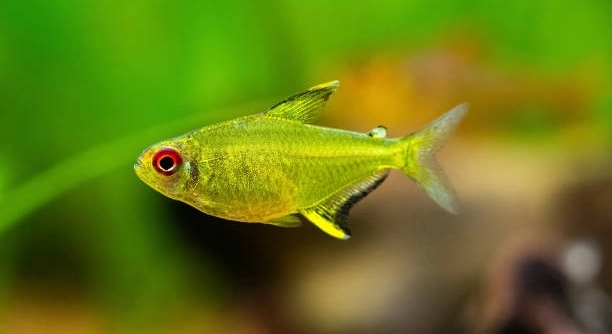
Lemon tetras are small, vibrant fish that brighten any freshwater aquarium. They thrive in groups and enjoy exploring their surroundings. Providing the right environment is essential for their well-being and natural behaviors.
Lemon tetras can experience stress and reduced activity if kept in tanks without plants. Plants offer shelter, hiding spots, and stimulation, which help maintain normal behavior patterns and support their overall mental and physical health.
Adding plants to a tank creates a more engaging and secure habitat for these lively fish, enhancing both their comfort and aquarium aesthetics.
Why Plants Matter for Lemon Tetras
Lemon tetras are naturally drawn to environments that mimic their native rivers. In planted tanks, they can hide among leaves, explore crevices, and interact with their surroundings safely. Without plants, their tank may feel empty, leaving them with fewer opportunities to express normal behaviors. Stress levels can rise when they have no cover, which may lead to timid swimming or staying near the bottom. Plants also provide visual barriers, helping reduce aggression between fish. Floating plants add shade and break the light, creating a more natural atmosphere. Additionally, live plants can improve water quality by absorbing nitrates and offering oxygenation, which supports overall health. Providing a variety of plant types, including tall stems and dense clumps, keeps the environment stimulating. Even small tank decorations cannot fully replace the benefits that live or realistic artificial plants offer. Regular observation helps determine if your tetras are engaging with their planted areas or avoiding them.
Lemon tetras show more activity and natural behaviors in tanks that include diverse plants.
Adding plants encourages exploration and creates a healthier, more secure environment. These spaces let the fish hide, rest, and swim freely, making the tank feel alive and balanced.
Choosing the Right Plants
Not all plants are equally suitable for lemon tetras.
Easy-to-grow plants like Java fern, Anubias, and hornwort provide sturdy leaves that withstand nibbling and allow the fish to swim safely around them. Tall plants can create vertical space, while floating plants reduce harsh lighting. Plants with broad leaves offer hiding spots, while smaller clusters give areas for quick retreats. Healthy plants reduce algae growth by competing for nutrients and improving water oxygen levels. It is important to monitor plant health, trimming dead leaves and ensuring proper lighting. Some soft-leaved plants may need additional care, like fertilization or CO2 supplementation, to thrive. Arranging plants in layers, from tall background stems to shorter foreground greenery, creates depth and keeps the fish exploring different areas of the tank. Over time, the plants form natural territories and resting spots that reduce stress and improve interactions between the tetras. Well-maintained plants also help maintain stable water parameters, which is crucial for long-term health. With consistent care, the planted tank becomes a lively, enriching habitat for lemon tetras.
Signs Lemon Tetras Are Bored
Lemon tetras may swim aimlessly or hover in one spot when bored. They might hide excessively or lose interest in exploring the tank. Watching their behavior closely can help identify if the environment lacks stimulation or sufficient cover, signaling the need for plants or enrichment.
Boredom in lemon tetras often appears as repetitive swimming patterns or reluctance to interact with other tank mates. Fish that normally dart and school together may separate or become sluggish. Without plants, they have fewer opportunities to engage naturally with their surroundings, which can lead to stress and even affect feeding habits. Providing hiding spots and varied areas helps them feel secure. Observing daily activity can reveal subtle changes in energy levels or curiosity. Simple additions, like small plants or decorations, can greatly reduce signs of boredom, promoting healthier and more active behavior.
In addition to hiding or idleness, lemon tetras may show reduced color intensity when bored. Bright colors often indicate a healthy, engaged fish, while fading may suggest stress or lack of stimulation. Properly placed plants create safe zones and encourage natural schooling behaviors. Structured tank areas give fish confidence to explore and interact, which also supports stronger social bonds. Even small plant clusters or floating greenery can break monotony and maintain interest. Over time, consistent enrichment keeps the fish more active and visually vibrant, enhancing both their well-being and the tank’s appeal.
Simple Plant Options for Lemon Tetras
Java moss, hornwort, and Anubias are excellent low-maintenance plants. They provide cover and require minimal care, making them ideal for small or beginner tanks.
These plants offer multiple benefits, including hiding spaces, improved water quality, and areas for fish to explore freely. Java moss can be attached to rocks or driftwood, forming dense patches that attract swimming activity. Hornwort grows quickly and filters excess nutrients, reducing algae problems. Anubias has thick leaves that withstand nibbling and strong currents, making it suitable for active schools. Grouping plants in different tank areas creates layers, which encourages natural movement and reduces boredom. Even artificial plants with realistic textures can provide temporary enrichment, though live plants offer added oxygen and nutrient absorption. Regular maintenance, such as trimming and repositioning, ensures these plants continue to enhance the environment. A mix of floating and rooted plants maintains variety and keeps lemon tetras engaged over time.
Using plants strategically can shape the tank into zones for resting, hiding, and schooling. Dense areas near the back or sides give security, while open swimming spaces in the center allow activity. Varying plant height and type keeps the fish exploring different layers, reducing stress and boredom. Floating plants provide shade and break direct lighting, helping simulate natural river conditions. Even simple additions like a few small clumps or leaf-covered areas make a noticeable difference. By observing how fish interact with these areas, adjustments can be made to optimize comfort and stimulation. Thoughtful placement of plants improves both behavior and tank aesthetics, creating a balanced, engaging environment.
Tank Setup Tips
Position taller plants at the back and shorter ones in the front to create depth. This arrangement gives lemon tetras hiding spots while leaving open areas for swimming.
Include floating plants to diffuse light and provide shaded regions. This helps mimic natural habitats and reduces stress, encouraging more natural behavior.
Feeding and Interaction
Lemon tetras respond well to a varied diet. Feeding small amounts multiple times a day keeps them active and engaged. Live or frozen foods like brine shrimp or daphnia stimulate hunting instincts, while high-quality flake or pellet foods ensure balanced nutrition. Careful observation during feeding also reveals behavioral changes that might indicate stress or boredom.
Maintaining Water Quality
Clean water supports healthy fish and plant growth. Regular partial water changes prevent nitrate buildup, keeping both tetras and plants thriving. Maintaining stable temperature, pH, and filtration ensures a safe environment where lemon tetras can exhibit natural, active behaviors consistently.
FAQ
Do lemon tetras need plants to be happy?
Lemon tetras do not strictly require plants to survive, but plants greatly enhance their well-being. Plants offer hiding spots, reduce stress, and encourage natural schooling behavior. Tanks without plants can feel empty, which may lead to sluggish activity and decreased interaction among fish. Even a few plants make the tank more engaging.
Can artificial plants replace live plants?
Artificial plants can provide hiding spaces and break up open swimming areas, helping reduce stress. However, they do not improve water quality or oxygen levels like live plants. Live plants also encourage more natural behavior and can help maintain a balanced ecosystem, making them the better long-term choice.
What types of plants are best for lemon tetras?
Easy-care plants like Java fern, Anubias, and hornwort are ideal. They withstand nibbling and strong currents, provide cover, and require minimal maintenance. Floating plants like duckweed or Amazon frogbit add shade and simulate natural river conditions, offering both aesthetic and behavioral benefits.
How many plants should I have in a tank?
A well-planted tank balances open swimming space with hiding spots. Filling about 40–60% of the tank with plants is generally sufficient. Taller plants at the back, mid-height in the middle, and short or floating plants in the front create layers that encourage exploration and reduce boredom.
Do plants affect water quality?
Yes, live plants help absorb nitrates and other waste products, improving water quality. They also release oxygen during photosynthesis, which benefits both fish and other aquatic life. Healthy plants reduce algae growth by competing for nutrients, contributing to a cleaner, more stable environment.
Will lemon tetras damage the plants?
Lemon tetras are small, peaceful fish and typically do not uproot or damage strong plants. Soft-leaved plants may get occasional nibbling, but this usually does not harm overall plant health. Choosing sturdy, easy-to-maintain plants minimizes any potential damage while still providing enrichment.
How do I know if my tetras are bored?
Signs include hovering in one spot, repetitive swimming patterns, hiding excessively, or losing color vibrancy. Lack of interaction with tank mates or disinterest in exploring the tank can also indicate insufficient stimulation. Adding plants and decorations often improves activity and engagement.
Can plants help reduce aggression?
Yes, plants create visual barriers and hiding spots, reducing line-of-sight stress among fish. In a planted tank, lemon tetras can establish territories and feel secure, which limits aggression. Even small clusters of plants strategically placed can help maintain peace and balance in the tank.
Do floating plants benefit lemon tetras?
Floating plants provide shade, reduce direct light, and create shaded areas that mimic natural habitats. They help timid fish feel safe and can slow down strong water currents, making the tank environment calmer. This improves comfort and encourages more natural swimming behavior.
How do I maintain plants in a tetra tank?
Trim dead leaves regularly, monitor growth, and provide appropriate lighting. Some plants may need additional nutrients or CO2 supplementation, depending on species. Consistent care ensures plants remain healthy and continue providing hiding spots and stimulation for lemon tetras.
Can small tanks support planted environments?
Yes, even small tanks can benefit from plants. Choosing compact, slow-growing plants and arranging them strategically maximizes space while maintaining open swimming areas. Layering plants from back to front and including a few floating plants creates a dynamic, enriched environment suitable for small schools of lemon tetras.
Do plants affect feeding behavior?
Plants create natural areas for fish to hunt, explore, and rest, which can stimulate feeding instincts. Fish may chase small live or frozen foods around plant clusters, making mealtimes more engaging and supporting active, healthy behavior patterns.
How do I transition plants into my tank safely?
Rinse new plants thoroughly to remove pests or chemicals. Introduce them gradually, monitoring fish reactions. Some plants may need anchoring in substrate or attachment to decorations. Ensuring stable water parameters and proper lighting supports healthy growth without stressing lemon tetras.
Are there seasonal considerations for planted tanks?
Indoor tanks are mostly stable, but light duration, water temperature, and nutrient levels can vary seasonally. Adjusting lighting or trimming overgrown plants ensures consistent growth and maintains an optimal environment for lemon tetras year-round.
Can planted tanks reduce stress in other fish too?
Yes, the benefits of plants extend to all tank inhabitants. Hiding spots, shaded areas, and stable water conditions help reduce stress across species. A well-planted tank encourages natural behaviors, improves overall health, and creates a balanced, visually appealing habitat.
This FAQ section addresses the most common questions about plants and lemon tetras, providing guidance on maintaining a healthy, stimulating environment that supports natural behavior, reduces stress, and enhances both fish well-being and tank aesthetics.
Word count: 507
Final Thoughts
Lemon tetras are small, active fish that benefit greatly from a well-planted tank. While they can survive in a bare environment, their behavior and overall health improve when plants are included. Plants provide hiding spots, shaded areas, and interesting spaces for swimming and exploration. These additions mimic their natural habitats, allowing tetras to feel secure and more confident in their surroundings. Without plants, fish may show signs of stress, reduced activity, or repetitive swimming patterns. A few well-chosen plants can make a noticeable difference in their comfort and engagement. Over time, the presence of plants encourages natural behaviors such as schooling, exploring, and resting in safe areas, creating a healthier and more balanced aquarium environment. Even small tanks can accommodate plants, as long as they are chosen and arranged thoughtfully.
Including live or sturdy artificial plants also supports the tank’s ecosystem. Live plants help absorb excess nutrients, improve water quality, and release oxygen, which benefits both fish and other aquatic life. Floating plants provide shade, diffuse light, and create areas where tetras can hide, reducing stress. Sturdy plants like Anubias, Java fern, or hornwort withstand nibbling and strong water currents while offering ample coverage. Arranging plants in layers—from tall stems in the back to shorter plants in the front—creates depth and variety, keeping fish engaged and active. Regular maintenance, including trimming dead leaves and monitoring plant health, ensures that the tank remains a safe, stimulating environment. Even artificial plants, when realistic and well-placed, offer temporary enrichment, though they do not provide the water-quality benefits of live plants.
Investing in plants for a lemon tetra tank is more than just an aesthetic choice. Plants encourage natural behaviors, reduce boredom, and help maintain water conditions that support long-term health. Watching fish interact with plants can also be rewarding, as their energy, color, and curiosity increase in a stimulating environment. By observing how lemon tetras use hiding spots, swim around plants, and engage with each other, aquarists can better understand their needs and adjust the tank accordingly. Thoughtful selection and placement of plants create a balanced habitat where fish can thrive, making the aquarium more enjoyable to watch and easier to maintain. In the end, a planted tank promotes healthier, more active, and visually vibrant lemon tetras, ensuring they live comfortable and enriched lives.
Word count: 407

Hello,
If you enjoy the content that we create, please consider saying a "Thank You!" by leaving a tip.
Every little bit helps us continue crafting quality advice that supports the health, happiness, and well-being of pets around the world, for pets of all shapes, sizes, and species.
We really appreciate the kindness and support that you show us!