
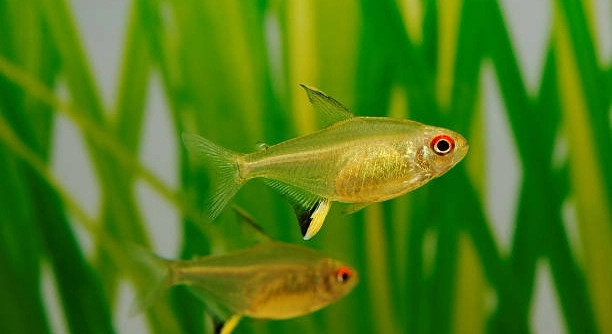
Lemon tetras are small, lively fish that brighten up any freshwater tank. They thrive best when their environment matches their natural needs. Simple adjustments can make a big difference in how comfortable and active they feel each day.
Improving lemon tetra comfort involves addressing water quality, tank decoration, lighting, social groupings, diet, swimming space, and hiding spots. Each of these factors directly influences their stress levels, health, and natural behaviors in captivity.
Even minor changes can noticeably enhance their well-being. With thoughtful adjustments, your tank can become a healthier and more enjoyable home for your tetras.
Water Quality and Temperature
Maintaining stable water conditions is key for lemon tetras. They prefer slightly acidic to neutral water with a pH between 6.0 and 7.0. Temperatures should stay between 72 and 78°F. Frequent water testing helps detect shifts in pH, hardness, or ammonia levels before they affect the fish. A reliable filtration system keeps the tank clean and reduces stress. Regular partial water changes of 20-30% every week remove waste and prevent toxins from building up. Avoid sudden changes in temperature or water chemistry, as these can shock tetras and weaken their immune system. Clean equipment, such as nets and siphons, before use to reduce bacteria and contamination. Soft lighting can reduce stress, as harsh light can make them hide constantly. Overall, careful attention to water quality promotes vibrant colors, active swimming, and general health, making the tank a more comfortable environment for these delicate fish.
Proper water care directly affects your tetras’ health and daily activity, reducing disease risks and stress.
Consistency in temperature and pH ensures a stable environment. With regular maintenance, your lemon tetras will thrive, swim actively, and show their natural colors beautifully.
Tank Decoration and Hiding Spots
Lemon tetras need places to hide and explore. Plants, driftwood, and smooth rocks create shelter and reduce stress.
Decorations should mimic their natural habitat with gentle flow areas and dense plant clusters. Avoid overcrowding to maintain swimming space. Soft substrate protects their delicate fins while giving the tank a natural feel. Floating plants can diffuse light, creating shaded areas that help tetras feel safe. Strategically placing decorations allows fish to establish territories without aggression. Open swimming zones encourage exercise and social behavior. Live plants improve water quality by absorbing nitrates and producing oxygen. Balance is key: too many hiding spots limit swimming, while too few increase stress and timid behavior. Rotating or rearranging decorations occasionally can enrich their environment, keeping tetras curious and active. Observing how they use the spaces helps identify which areas are most valued for comfort. Thoughtful tank decoration contributes to both mental and physical well-being, creating a natural-feeling habitat that supports overall health and longevity.
Properly arranged decor reduces stress and encourages natural activity, keeping your tetras happy and active.
A well-balanced tank combines hiding places, open swimming zones, and live plants. This setup supports both comfort and healthy behavior patterns, enhancing color vibrancy and promoting natural interactions among your lemon tetras.
Lighting and Tank Environment
Lemon tetras thrive under soft, diffused lighting. Bright, harsh lights can stress them, causing hiding or sluggish behavior. A mix of shaded and open areas lets them choose their comfort zone and encourages natural activity.
Proper lighting mimics their natural habitat, which often has dappled sunlight through plants. LED or fluorescent lights set on a timer provide consistent day-night cycles. Avoid sudden light changes, as this can startle the fish and disrupt feeding patterns. Floating plants help diffuse strong light, creating calm areas where tetras can rest. Gradual adjustments to lighting during tank setup or maintenance reduce stress and support normal swimming and feeding behavior. Observing how your tetras respond to different light levels can guide placement of decorations and plants, ensuring balanced illumination. Consistent lighting encourages color vibrancy and healthy activity, supporting both physical and mental well-being in your tank.
A stable light schedule enhances natural behaviors and overall comfort. Your tetras will feel safer and display brighter colors with proper lighting adjustments.
Social Groupings and Behavior
Lemon tetras are schooling fish that feel safer in groups of at least six. Isolated individuals become stressed and may hide frequently or stop eating.
Group size affects activity and interaction. In a well-sized school, fish swim together naturally, establishing social hierarchies without aggression. Keeping them with compatible species prevents bullying and reduces stress. Observing interactions helps identify stressed or weak individuals who may need temporary separation. Introducing new fish slowly allows proper acclimation, minimizing disruption. Schools encourage active swimming patterns, making the tank livelier and healthier. Overcrowding, however, can lead to competition for food and space, so careful planning of tank population is crucial. Ensuring ample space and hiding areas allows each fish to feel secure while maintaining group cohesion. Regular observation helps maintain a balanced environment, promoting comfort and social harmony.
Proper schooling and careful tank management reduce stress, encourage healthy interactions, and maintain a calm environment for lemon tetras.
Grouping tetras appropriately improves swimming behavior, color vibrancy, and overall tank harmony. By observing and adjusting social dynamics, their well-being is enhanced, creating a lively, balanced, and comfortable aquatic environment.
Diet and Feeding
Lemon tetras need a balanced diet of high-quality flakes, micro-pellets, and occasional live or frozen foods. Variety ensures proper nutrition, supporting vibrant colors and energy. Overfeeding can cause water issues, so offer small portions two to three times daily.
Feeding at consistent times helps reduce stress and encourages natural foraging behavior. Rotating protein and plant-based options keeps their diet complete. Avoid letting uneaten food sit in the tank, as it can decay and affect water quality. Observing which foods your tetras prefer can guide adjustments, ensuring each fish receives proper nutrition.
Swimming Space
A spacious tank allows lemon tetras to swim freely and exercise naturally. Crowded conditions increase stress and reduce comfort.
Tank Maintenance
Regular cleaning and partial water changes are essential for stable conditions. Remove debris, vacuum substrate, and check filtration to prevent toxin buildup.
Hiding Spots and Enrichment
Providing plants, rocks, and driftwood gives tetras places to rest and explore. Changing layouts occasionally keeps the environment stimulating.
FAQ
How often should I change the water for lemon tetras?
Water changes should occur weekly, ideally replacing 20-30% of the tank volume each time. Regular partial changes remove waste, excess nutrients, and toxins. Full water replacements are stressful and unnecessary, so small, consistent adjustments maintain stable water chemistry, keeping your tetras healthy and active.
What is the ideal tank size for a small school of lemon tetras?
A minimum of 20 gallons is recommended for a small group of six to ten tetras. Larger tanks provide more swimming space, reduce stress, and allow proper placement of plants, rocks, and decorations. A bigger tank also helps maintain stable water parameters, which is vital for their comfort.
Can lemon tetras live with other fish?
Yes, they can coexist with peaceful species like rasboras, guppies, or corydoras. Avoid aggressive or large fish that may bully or eat tetras. Introducing compatible tankmates gradually helps reduce stress and ensures harmonious social interactions. Observing their behavior after adding new fish is essential.
What should I feed lemon tetras daily?
A combination of high-quality flake food, micro-pellets, and occasional live or frozen foods like daphnia or brine shrimp is ideal. Feeding twice a day in small amounts ensures proper nutrition. Avoid overfeeding, as leftover food can foul the water and increase stress.
How can I tell if my tetras are stressed?
Signs of stress include hiding excessively, loss of color, erratic swimming, or decreased appetite. Stress can be caused by poor water quality, insufficient hiding spots, or incompatible tankmates. Monitoring their behavior and addressing environmental issues quickly is crucial to prevent illness or mortality.
Do lemon tetras need live plants in their tank?
Live plants are highly beneficial but not strictly necessary. They provide hiding spots, oxygenate the water, and absorb nitrates. If live plants are not possible, artificial plants or decorations that create shaded areas can help tetras feel secure and reduce stress.
How do I maintain proper water temperature?
Keep water between 72 and 78°F using a reliable aquarium heater. Sudden temperature fluctuations can weaken immunity and stress tetras. Using a thermometer to monitor the water daily ensures stability. Gradual adjustments during maintenance prevent shock and maintain comfort.
Can lemon tetras tolerate tap water?
Tap water can be used if treated with a water conditioner to remove chlorine, chloramine, and heavy metals. Testing pH and hardness before adding water ensures it matches their preferred conditions. Stable water chemistry is more important than the source itself.
How many hiding spots should I provide?
Provide multiple hiding spots relative to the number of fish. Dense plants, driftwood, and smooth rocks allow each tetra a secure place to rest or escape if stressed. This reduces aggression and encourages natural behavior while supporting overall comfort.
How can I improve their color naturally?
A varied diet, proper lighting, clean water, and low-stress conditions all enhance natural color. Foods rich in carotenoids, like brine shrimp and certain flakes, promote vibrancy. Maintaining social harmony in the tank also contributes to brighter, healthier fish.
What type of substrate is best for lemon tetras?
Fine gravel or sand is recommended. Sharp or rough substrate can damage delicate fins. Darker substrates tend to highlight their bright yellow coloration and reduce stress by providing a sense of security.
How often should I check water parameters?
Weekly testing for pH, ammonia, nitrites, and nitrates is ideal. Frequent monitoring helps catch changes before they impact the tetras’ health. Keeping a log of readings makes it easier to track trends and maintain stable conditions over time.
Are lemon tetras active during the day or night?
They are primarily diurnal, swimming actively during daylight hours and resting at night. Consistent lighting with shaded areas supports this natural rhythm. Nighttime darkness allows them to rest without stress from bright lights or constant activity.
Can lemon tetras breed in a community tank?
Breeding is possible but easier in a dedicated tank. Adults may eat their eggs in a community setup. Providing fine-leaved plants or a spawning mop helps protect eggs, and slightly softer, acidic water encourages spawning behavior. Observing them closely ensures successful breeding if desired.
How do I introduce new tetras to an established tank?
Acclimate new fish slowly by floating their bag in the tank and gradually mixing tank water over 30-60 minutes. Sudden introduction can shock their system and stress both new and existing tetras. Observing interactions for the first few hours helps prevent conflict and ensures a smooth transition.
What should I do if a tetra becomes sick?
Isolate the sick fish in a quarantine tank to prevent spreading disease. Test water parameters, maintain cleanliness, and treat with appropriate medications if needed. Addressing health issues quickly increases survival chances and protects the remaining school.
How much space do lemon tetras need to swim comfortably?
Each tetra should have at least two gallons of water. Schools need enough room to move in synchronized patterns without overcrowding. Proper space reduces stress, supports exercise, and encourages natural social behavior, making the tank environment more comfortable.
How do I reduce aggression in a tetra tank?
Maintain adequate schooling numbers, provide hiding spots, and avoid overcrowding. Peaceful tankmates prevent bullying. Balanced decorations and open swimming areas allow fish to escape confrontations, promoting harmony and comfort throughout the tank.
Can lemon tetras tolerate slightly higher pH or temperature?
They can tolerate small deviations for short periods, but prolonged exposure to extremes can cause stress, weaken immunity, and affect feeding behavior. Maintaining conditions within their preferred range ensures consistent comfort and long-term health.
What is the best way to observe their behavior without stressing them?
Watch from outside the tank quietly and avoid sudden movements. Use natural light or dimmed room lighting instead of bright overhead lights. Observing regular swimming, feeding, and social interactions helps identify stress or health issues without causing disturbance.
How often should decorations or plants be rearranged?
Occasional rearrangement every few months provides enrichment without causing constant stress. Gradual changes encourage exploration and reduce boredom, supporting both mental stimulation and comfort for your tetras.
Is it necessary to use a water filter with lemon tetras?
Yes, a filter keeps water clean, removes waste, and maintains oxygen levels. Gentle flow prevents stress, while proper filtration reduces toxins and supports stable water parameters, directly contributing to fish comfort and health.
How do I prevent fin damage in a tetra tank?
Avoid sharp decorations, overcrowding, and aggressive tankmates. Provide smooth surfaces and adequate space for swimming. Healthy water conditions and proper nutrition also reduce the risk of fin deterioration and injury.
What signs indicate a healthy tetra?
Bright coloration, active swimming, consistent appetite, and smooth fins indicate good health. Calm interactions with schoolmates and exploration of the tank are also positive signs that the environment is comfortable and supportive.
Can lemon tetras live in a planted tank?
Yes, they thrive in planted tanks, which provide shelter, shaded areas, and enrichment. Live plants contribute to water quality by absorbing nitrates, producing oxygen, and creating a more natural, stress-free environment.
How do I safely remove uneaten food?
Use a siphon or net after feeding to remove leftovers. Uneaten food decomposes quickly, affecting water quality and increasing stress or disease risk. Regular removal ensures cleaner water and healthier tetras.
What type of lighting is best for their tank?
Soft, diffused lighting with shaded areas is ideal. Avoid harsh, bright lights, which can stress tetras. Timed lighting simulates natural day-night cycles, supporting normal activity and color vibrancy.
How long do lemon tetras usually live?
With proper care, they typically live 5-7 years. Maintaining stable water conditions, balanced diet, adequate space, and social groups helps them reach full lifespan while staying healthy and comfortable.
Are there any signs that indicate they need more hiding spots?
Frequent hiding, stress behaviors, or timid swimming indicate insufficient cover. Adding plants, rocks, or driftwood can reduce anxiety and provide safe resting areas, improving overall comfort in the tank.
How can I improve oxygen levels in the tank?
Regular water movement via filters or air stones, along with live plants, increases oxygenation. Avoid overcrowding and ensure proper circulation to maintain stable oxygen levels, supporting healthy respiration and activity.
Can lemon tetras tolerate low light tanks?
They can adapt to lower light, but soft, indirect lighting with shaded areas is preferred. Too dim conditions may reduce activity and color vibrancy. A balanced light setup supports both comfort and natural behavior patterns.
What is the best way to acclimate them to a new tank?
Float the bag in the tank for 20-30 minutes, then gradually mix tank water. Slow acclimation minimizes stress, allows adjustment to temperature and chemistry, and promotes better long-term health and comfort.
How do I encourage natural behavior?
Provide open swimming areas, hiding spots, live plants, and a proper school. A varied diet and gentle lighting support normal activity, exploration, and social interactions, ensuring mental and physical well-being.
What are common mistakes to avoid with lemon tetras?
Overcrowding, poor water quality, aggressive tankmates, inconsistent feeding, and lack of hiding spots are common issues. Avoiding these mistakes improves comfort, reduces stress, and promotes healthy, vibrant fish.
How do I prevent diseases in my tetras?
Maintain clean water, stable conditions, balanced diet, and proper schooling. Quarantine new fish, monitor health regularly, and address issues immediately to prevent outbreaks and ensure long-term comfort and survival.
What tank decorations are safest for lemon tetras?
Smooth rocks, driftwood, and live or soft artificial plants prevent fin damage. Avoid sharp or rough surfaces, which can cause injury and stress, compromising health and comfort.
How can I tell if water parameters are optimal?
Regular testing for pH, ammonia, nitrites, and nitrates ensures stability. Clear water, active swimming, and vibrant coloration indicate healthy conditions suitable for comfort and long-term survival.
Is it necessary to provide a current in the tank?
A gentle current promotes exercise and mimics natural conditions, but strong flow can stress tetras. Balanced circulation ensures comfort, oxygenation, and healthy activity levels.
How important is social interaction among tetras?
Very important. Lemon tetras are schooling fish that rely on social behavior for safety, stress reduction, and mental stimulation. Proper group size and compatible tankmates enhance comfort and natural activity.
Can lemon tetras adapt to a slightly higher nitrate level temporarily?
Small, short-term increases are tolerated, but prolonged elevated nitrates stress fish and may affect health. Regular water changes maintain optimal comfort and prevent long-term issues.
How do I know if the tank is too crowded?
Signs include constant hiding, aggression, reduced swimming space, and competition for food. Adequate space and proper school size ensure comfort and promote healthy behavior patterns.
What is the best way to handle tetras during maintenance?
Minimize handling and use soft nets gently. Avoid stressing them during water changes or cleaning. Quick, careful procedures reduce stress and protect delicate fins, maintaining comfort and health.
Can lemon tetras tolerate slightly cooler temperatures for short periods?
They can tolerate brief drops but extended exposure to cooler water can slow metabolism, weaken immunity, and cause stress. Maintaining stable temperatures ensures consistent comfort and health.
How do I introduce new plants safely?
Rinse plants thoroughly, inspect for pests, and quarantine if needed. Gradual introduction prevents contamination and protects water quality, ensuring a safe environment for tetras.
Are there signs of boredom in lemon tetras?
Lethargy, repetitive swimming, or excessive hiding can indicate lack of stimulation. Adding decorations, plants, and varied swimming areas provides enrichment and improves comfort.
How do I prevent algae overgrowth while maintaining plants?
Balance light duration, avoid overfeeding, and maintain proper nutrients. Regular cleaning and plant maintenance reduce algae without compromising hiding spots or natural tank aesthetics, supporting a healthy environment.
What is the best way to monitor their comfort daily?
Observe swimming patterns, feeding behavior, and color vibrancy. Calm, active, and socially engaged fish indicate a comfortable tank. Immediate adjustments to water, lighting, or decor maintain consistent well-being.
Can lemon tetras tolerate small fluctuations in pH?
Minor short-term changes are tolerated, but stable pH ensures comfort and reduces stress. Frequent testing and gradual adjustments maintain healthy, active fish.
How important is substrate choice for comfort?
Soft, fine gravel or sand prevents injury, supports natural behavior, and enhances security. Sharp or coarse substrates can cause fin damage, affecting overall well-being.
How do I ensure a stress-free environment?
Stable water parameters, proper lighting, balanced social groups, hiding spots, and regular feeding routines collectively reduce stress, promote natural behavior, and improve overall comfort.
What signs indicate they are thriving?
Active swimming, bright colors, normal appetite, healthy fins, and social interaction all reflect comfort and good health.
Are seasonal water changes necessary?
Regular weekly partial changes are sufficient. Seasonal adjustments are only needed if environmental conditions fluctuate, ensuring stable water parameters and comfort throughout the year.
How do I safely remove debris without disturbing tetras?
Use a siphon or net gently during water changes. Slow, careful movements prevent stress while keeping the tank clean and maintaining optimal conditions for comfort.
Can lemon tetras live in low-tech setups?
Yes, they adapt well if water quality, hiding spots, and schooling needs are met. Consistency in maintenance and monitoring ensures comfort even without advanced equipment.
What are the most common stressors for lemon tetras?
Poor water quality, overcrowding, aggressive tankmates, insufficient hiding spots, inconsistent feeding, and sudden changes in lighting or temperature are primary stress factors. Addressing these supports comfort and health.
How do I prevent overfeeding?
Offer small portions twice daily, monitor consumption, and remove uneaten food promptly. Controlled feeding maintains water quality and prevents digestive or health issues.
How do I promote natural schooling behavior?
Maintain a group of at least six fish, provide open swimming space, and ensure compatible tankmates. Balanced environment encourages synchronized movement and reduces stress.
Are there seasonal changes in activity I should expect?
Activity may slightly vary with temperature or lighting changes, but stable conditions minimize fluctuations. Consistent routine ensures regular swimming, feeding, and social behavior.
What is the best way to handle a sick fish without stressing others?
Move the fish to a quarantine tank, minimize handling, and treat promptly. Observing recovery ensures health while preventing disease spread and maintaining comfort for remaining tetras.
How do I balance open swimming space with decorations?
Provide both open zones and clustered hiding areas. This allows natural movement, exploration, and rest, supporting mental and physical comfort while maintaining a stimulating environment.
Can lemon tetras tolerate minor water hardness changes?
Small shifts are tolerated, but stable soft to moderately hard water supports optimal comfort, coloration, and behavior. Frequent testing ensures parameters remain suitable.
How often should I check for fin damage?
Weekly observation is sufficient. Early detection allows corrective action, such as improving water quality, adjusting tankmates, or removing sharp decorations, ensuring ongoing comfort and health.
What role does plant density play in their comfort?
Dense plant areas provide shelter, reduce stress, and mimic natural habitat. Balanced density ensures sufficient swimming space while offering safe zones for resting or hiding.
How do I prevent sudden stress during maintenance?
Gradual changes in water, careful handling, and maintaining familiar lighting and environment reduce shock. Preparing tools and following a routine minimizes disturbances and supports overall comfort.
Can lemon tetras tolerate occasional handling for photography or inspection?
Minimal handling is possible but should be brief and gentle. Stress can occur easily, so frequent or rough handling is discouraged to maintain health and comfort.
How important is monitoring feeding behavior?
Crucial. Changes in appetite indicate stress, illness, or water quality issues. Regular observation ensures nutritional needs are met and overall comfort is maintained.
Can lemon tetras adapt to different lighting schedules?
Yes, gradual adjustments are tolerated. Maintaining consistent day-night cycles supports natural behavior, reduces stress, and enhances color and activity.
How do I safely add new tankmates over time?
Introduce one or two fish gradually, monitor interactions, and provide hiding spots. Slow integration reduces stress and maintains harmony in the tank environment.
What is the best way to manage leftover plant matter?
Remove decaying leaves promptly. Decomposition affects water quality and can increase stress. Healthy plants and maintenance routines prevent buildup and maintain comfort.
How do I prevent sudden temperature spikes in summer?
Use a stable heater and avoid direct sunlight. Monitor water regularly, and consider fans or cooling methods for extreme heat to maintain comfort and reduce stress.
How do I encourage natural foraging behavior?
Scatter food in open areas, use sinking foods, and provide varied textures. This stimulates activity, supports mental health, and encourages healthy interaction with the tank environment.
Can lemon tetras tolerate temporary overcrowding?
Brief exposure is tolerated, but long-term overcrowding increases stress, aggression, and disease risk. Adequate space is essential for comfort and health.
How do I monitor school cohesion?
Observe synchronized swimming and interactions. Disruption in cohesion may indicate stress, illness, or environmental issues. Addressing these ensures proper social behavior and comfort.
How do I provide enrichment without causing stress?
Introduce plants, gentle currents, and occasional rearrangements slowly. Balanced enrichment encourages exploration while maintaining safe zones and hiding spots for security and comfort.
Are there signs of poor water circulation?
Stagnant areas, algae buildup, or debris accumulation indicate insufficient flow. Improving circulation supports oxygenation, comfort, and healthy activity.
How do I prevent aggression between tankmates?
Provide hiding spots, maintain proper school sizes, avoid aggressive species, and ensure sufficient swimming space. Balanced environmental setup reduces conflict and supports comfort.
Can lemon tetras tolerate small ammonia spikes?
Even minor spikes can be stressful. Frequent monitoring, partial water changes, and filtration prevent ammonia buildup, ensuring comfort and long-term health.
How do I ensure a quiet, stress-free environment?
Minimize sudden noise, vibrations, and rapid movements near the tank. Stable lighting, consistent routines, and proper tank setup reduce stress and maintain comfort.
What is the best way to remove algae without harming tetras?
Manual removal, gentle scrubbing, and controlling light and nutrients keep algae in check. Avoid harsh chemicals or treatments that could stress or harm the fish.
How do I prevent accidental injuries during tank cleaning?
Move decorations carefully, avoid rapid water changes, and handle equipment gently. Ensuring smooth surfaces and careful procedures protects fins and reduces stress, maintaining comfort.
Are lemon tetras sensitive to chemicals in tap water?
Yes, chlorine, chloramine, and heavy metals are harmful.
Lemon tetras are small, delicate fish that thrive when their environment matches their natural needs. Paying attention to water quality, tank temperature, and proper filtration is essential for their comfort and health. Regular partial water changes keep ammonia and nitrate levels in check, preventing stress and illness. Stable water parameters support active swimming, bright colors, and normal feeding behavior. Sudden changes in pH, hardness, or temperature can shock them, so consistency is more important than perfection. Using a thermometer and water testing kit helps monitor the tank conditions easily and ensures a comfortable home for these fish. A well-maintained environment also reduces the risk of disease, allowing your tetras to live longer and display their natural behaviors confidently.
Tank setup and decoration play a major role in creating a comfortable space for lemon tetras. Open swimming areas, along with plants, driftwood, and smooth rocks, provide both exercise space and hiding spots. Dense plants or shaded areas help reduce stress by giving fish a sense of security, while floating plants can diffuse strong lighting. Decorations should be arranged to allow exploration without overcrowding, and occasionally changing or moving them slightly can create enrichment without causing anxiety. Substrate choice is also important; soft sand or fine gravel protects delicate fins, making daily activity safer. Thoughtful placement of hiding spots and open areas encourages natural schooling behavior and reduces aggression, promoting mental and physical well-being.
Social groupings and feeding routines are equally important for comfort. Lemon tetras are schooling fish that feel safer and more confident in groups of six or more. Keeping a proper school size helps them establish social patterns, swim naturally, and reduce stress caused by isolation. Feeding a varied diet of high-quality flakes, micro-pellets, and occasional live or frozen foods provides proper nutrition and supports color vibrancy. Offering small portions multiple times per day prevents leftover food from fouling the water and encourages regular foraging behavior. By maintaining stable water conditions, balanced tank decoration, and proper social and dietary care, lemon tetras can thrive. A few thoughtful adjustments in these areas significantly improve their overall comfort, allowing you to enjoy a lively, healthy, and visually striking school of fish in your aquarium.

Hello,
If you enjoy the content that we create, please consider saying a "Thank You!" by leaving a tip.
Every little bit helps us continue crafting quality advice that supports the health, happiness, and well-being of pets around the world, for pets of all shapes, sizes, and species.
We really appreciate the kindness and support that you show us!