
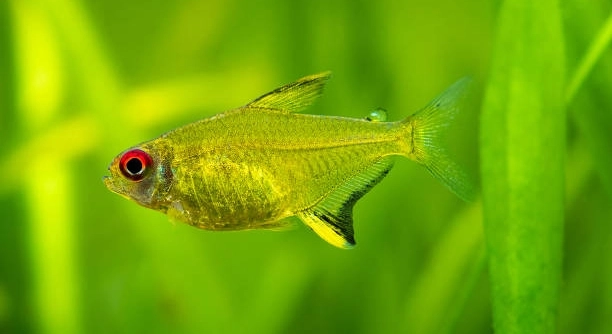
Lemon tetras are small, vibrant fish that bring life and color to any aquarium. Keeping them healthy requires attention, patience, and understanding of their behavior over time. Long-term care can reveal patterns not immediately obvious to beginners.
Long-term lemon tetra keepers observe consistent schooling behavior, sensitivity to water parameters, gradual color changes, dietary preferences, social interactions, stress indicators, and environmental enrichment responses. These observations provide critical insights into maintaining health, well-being, and longevity in home aquariums.
Observing these traits helps you create a stable and enriching environment for your lemon tetras. Each detail contributes to a healthier and happier aquatic community.
Schooling Behavior and Social Dynamics
Lemon tetras naturally move in groups, and watching them swim together is fascinating. Over time, I noticed subtle shifts in their formation, with dominant fish leading and smaller ones following. These patterns help reduce stress and create a sense of security. Group size matters, as smaller numbers may lead to increased aggression or timid behavior. Maintaining at least six tetras helps them feel safe and allows natural interactions. I learned that observing how they respond to changes in their environment, such as new decorations or tankmates, provides clues about their comfort level. The subtle signals, like flicks of fins or short pauses, indicate communication between them. Schooling is not just movement; it reflects mood, health, and social balance. Paying attention to these behaviors helps in adjusting tank conditions or diet. Over the years, I found that even minor changes can affect their cohesion, making careful observation crucial for long-term care.
Small changes in tank setup can shift their group dynamics. Observing these shifts ensures a calm and healthy community.
Consistent observation of schooling behavior revealed the importance of space and hiding spots. Lemon tetras respond positively to plants and open swimming areas. Too few hiding areas can cause stress, while excessive barriers limit movement. Over time, I noticed that adding gentle currents improved cohesion, encouraging natural formations. Feeding patterns also impact their social behavior. Feeding at regular times creates predictable routines, reducing conflict. Aggression is rare in well-maintained groups but can appear if overcrowded or stressed. Environmental stability, including water quality, temperature, and lighting, supports harmonious schooling. Long-term observation allowed me to identify individual personalities, recognizing leaders and more timid members. Adjusting the tank based on these observations supports both health and natural behavior. By paying attention to these details, tetras thrive in a balanced social structure, reducing illness risk and promoting active, vibrant displays of color and movement.
Sensitivity to Water Parameters
Lemon tetras are sensitive to fluctuations in water temperature, pH, and hardness. Sudden changes can stress them and impact health. Maintaining consistent, stable conditions is essential for long-term well-being.
Regular testing and gradual adjustments help prevent issues. I keep records of readings to track trends and ensure stability.
Monitoring water parameters closely revealed patterns in their responses. For instance, slight drops in temperature slowed activity, while minor pH shifts made them cling to plants or corners. Over time, I learned to anticipate stress signs, such as faded coloration or clamped fins, before they became serious. Keeping parameters consistent involved weekly partial water changes and careful addition of supplements. I also discovered that tank cycling and regular filter maintenance prevented sudden spikes in ammonia or nitrates. Observing behavior alongside measurements created a clear link between water quality and health. In long-term care, minor fluctuations accumulate, affecting lifespan and social interactions. Adjusting feeding, lighting, and plant placement worked together with water maintenance to provide a stable environment. Consistency is key; it ensures lemon tetras remain active, colorful, and stress-free, allowing their natural schooling behavior and social interactions to flourish fully.
Gradual Color Changes
Lemon tetras display subtle color shifts over time. These changes indicate age, diet, health, and stress levels. Observing their coloration helps identify potential issues early and track overall well-being.
Over the years, I noticed that a balanced diet enhanced brightness, while poor water conditions caused fading. Colors also change slightly with growth; juveniles appear paler compared to fully mature adults. Stress, such as overcrowding or sudden temperature changes, can temporarily dull their yellow tones. Lighting plays a role too—soft, consistent illumination enhances natural hues. Noticing these small variations became part of my routine, helping me respond quickly to maintain health and vibrancy.
Long-term observation revealed that regular water changes, proper feeding, and stable tank conditions preserved the intensity of their coloration. Sick or stressed fish displayed muted colors before other symptoms appeared. By paying attention to color patterns, I could identify subtle signs of illness or stress early. Color changes also reflected seasonal variations in behavior and activity levels. Over time, I developed an understanding of how individual tetras respond differently, allowing me to tailor care to each fish. Consistent observation of color and pattern helps maintain their natural beauty and ensures a thriving, harmonious aquarium environment.
Dietary Preferences
Lemon tetras prefer small, varied foods. They respond well to high-quality flakes, micro pellets, and occasional live or frozen treats. Variety supports growth, health, and vibrant colors.
I observed that feeding in small portions multiple times a day reduced waste and encouraged active schooling during mealtime.
Over time, I noticed certain tetras had individual preferences, favoring specific foods over others. Some eagerly consumed live daphnia, while others focused on flakes or finely crushed pellets. Offering variety ensured all fish received necessary nutrients without overfeeding or polluting the tank. Seasonal changes in appetite were common, with some tetras becoming more selective during warmer months. Monitoring leftovers helped me adjust portions and prevent water quality issues. I also learned that slowly introducing new foods prevented rejection and reduced stress. Keeping a balanced diet became a key factor in sustaining health, enhancing coloration, and supporting active behavior in the long term.
Social Interactions
Lemon tetras communicate through subtle body movements and positioning. Leaders emerge naturally, and the group adjusts around them. Watching these interactions reveals comfort levels and social hierarchy within the tank.
Tetras respond to each other’s behavior during feeding and schooling. Close observation helps identify shy or stressed individuals quickly.
Stress Indicators
Clamped fins, hiding, or loss of appetite often signal stress. Recognizing these signs early allows for adjustments in tank conditions, diet, or environment to prevent illness. Consistent monitoring is key to maintaining their well-being.
Environmental Enrichment
Adding plants, driftwood, and open swimming areas encourages natural behavior. Lemon tetras explore, hide, and interact more actively when the tank has varied textures and safe spaces. Environmental complexity supports mental stimulation and reduces stress.
Long-Term Health Observations
Over time, I noticed patterns in susceptibility to disease and growth rates. Regular water maintenance, balanced diet, and observation helped maintain consistent health. Monitoring individual fish allowed early detection of issues, ensuring interventions before serious illness occurred. Long-term care also revealed that stable social groups improved overall vitality and color intensity.
How many lemon tetras should I keep together?
Lemon tetras are schooling fish and feel most comfortable in groups of six or more. Smaller groups often result in timid behavior or stress. Over the years, I found that keeping at least eight to ten creates a natural balance, allowing leadership dynamics and healthy social interactions to develop naturally. Too many in a small tank can cause overcrowding and increase aggression, while too few make them more prone to stress. Observing the group’s cohesion over time helps determine if the number is right, as a healthy school swims in coordinated patterns with minimal tension.
What is the ideal water temperature for lemon tetras?
Maintaining a stable water temperature between 72°F and 78°F (22°C–26°C) is ideal. I noticed that even a few degrees lower caused lethargy, while higher temperatures increased activity but sometimes triggered stress behaviors. Using a reliable heater and thermometer ensures consistent conditions, which is crucial for long-term health. Sudden temperature swings often lead to clamped fins, loss of appetite, and increased susceptibility to illness. Over the years, I learned that gradual adjustments are key when changing tanks or making seasonal modifications. Tracking daily temperature and observing how the tetras respond allowed me to maintain a stable environment, which directly supported their schooling and color intensity.
What should I feed lemon tetras?
A varied diet works best, combining high-quality flakes or micro pellets with occasional live or frozen foods like brine shrimp or daphnia. I observed that a mixture keeps them active and enhances their natural yellow coloring. Overfeeding can harm water quality and health, so feeding small portions multiple times daily works well. Some tetras are picky, preferring one type of food over another, so rotating items ensures every fish receives proper nutrition. Over the years, I learned that introducing new foods gradually prevents stress and encourages acceptance. Fresh and frozen options help simulate natural feeding conditions and keep them engaged.
How often should I change the water?
Weekly partial water changes of 20–30% are sufficient for a well-maintained tank. I noticed that irregular changes led to subtle stress indicators like faded colors and slower movement. Regular water changes help maintain stable pH, reduce nitrate buildup, and improve overall health. Over time, I realized that monitoring water parameters alongside changes ensures consistency and prevents sudden spikes in harmful substances. Using a siphon to clean the substrate and refill with conditioned water minimizes disruption to their environment. Observing behavior after each change allowed me to identify the ideal routine for my tank, supporting long-term vitality.
How can I tell if a lemon tetra is stressed?
Stress often shows through clamped fins, faded colors, hiding, or loss of appetite. I found that subtle changes in swimming patterns also indicate discomfort. Stress can result from poor water quality, overcrowding, or sudden environmental changes. Monitoring their behavior daily helps catch early signs before illness develops. Over time, I noticed that consistent routines, stable water parameters, and proper diet reduced stress. Providing hiding spots and plants also helps them feel secure. Identifying individual personalities made it easier to detect shy or anxious fish, allowing me to make small adjustments that improved overall group harmony.
Can lemon tetras live with other fish?
Lemon tetras are generally peaceful and compatible with small, non-aggressive fish. I successfully kept them with rasboras, guppies, and corydoras. Avoid larger, aggressive species that might nip fins or intimidate them. Long-term observation is important, as even compatible fish can occasionally cause stress. Over the years, I learned to introduce new tankmates gradually and watch interactions closely. Proper hiding spots and plant coverage help minimize conflict. A balanced environment encourages social cohesion and reduces bullying or isolation within the school. By paying attention to group dynamics, it is possible to maintain a healthy, mixed-species tank without compromising the well-being of lemon tetras.
How long do lemon tetras live?
With proper care, lemon tetras can live up to five or six years. I noticed that stable water conditions, consistent feeding, and minimal stress extend their lifespan. Monitoring for early signs of disease or stress is crucial. Over time, I learned that providing a balanced diet, regular water changes, and environmental enrichment helps maintain vitality and coloration throughout their life. Observing social interactions also influences longevity; a harmonious school reduces stress and prevents injury. Keeping track of growth, coloration, and behavior allowed me to anticipate needs as they age. By supporting both physical and mental health, lemon tetras thrive well into adulthood.
What are common health issues in lemon tetras?
Lemon tetras may develop fin rot, ich, or fungal infections if water quality is poor or stress is high. I observed early signs such as frayed fins, white spots, or unusual swimming. Prompt intervention with treatment and improved tank conditions is essential. Over the years, I learned that prevention is easier than treatment. Maintaining stable water parameters, avoiding overfeeding, and providing proper tankmates reduces the risk of disease. Observing subtle behavioral changes allows early detection, improving recovery rates. Quarantining new fish before introducing them also prevents outbreaks. Consistent care ensures long-term health and vibrant, active fish.
How do I encourage breeding in lemon tetras?
Providing slightly cooler water, dense plant cover, and a high-protein diet encourages breeding. I observed that males display more intense color during spawning periods, and females become fuller with eggs. Removing adults from fry tanks prevents predation. Over time, I learned that consistent environmental cues and careful monitoring increase success rates. Feeding live or frozen foods boosts fertility, while gentle water changes simulate natural conditions. Observing the school helps identify pairs ready to spawn. Patience is key, as not all fish breed simultaneously. By maintaining stable conditions and monitoring behavior, successful breeding can be achieved without stressing the adults or fry.
What type of tank setup works best?
A planted tank with open swimming areas and hiding spots works well. I noticed lemon tetras thrive with a balance of plants, driftwood, and smooth substrate. Moderate lighting and gentle filtration create a calm environment. Long-term observation showed that stability and natural enrichment encourage schooling, reduce stress, and enhance coloration. Over time, I adjusted decorations to avoid overcrowding while still providing cover. Maintaining water flow and temperature consistency supports activity levels. Open swimming areas are essential for observing natural behaviors and social dynamics. A thoughtful tank setup contributes directly to health, vitality, and a harmonious community.
How can I maintain vibrant coloration?
A balanced diet, stable water parameters, and proper lighting support bright yellow coloration. I observed that stress or poor water quality dulls colors. Over time, regular observation and adjustments kept tetras vibrant. Color intensity reflects health, so monitoring behavior and environment is important. Providing natural enrichment and minimizing stress enhances appearance. Occasional live foods, varied flakes, and frozen options improve pigmentation. Observing individual differences allows me to respond to dietary or environmental needs that impact color. Stable water conditions, including temperature, pH, and hardness, combined with a consistent routine, ensure tetras maintain their natural brightness throughout their lifespan.
Lemon tetras are small, resilient fish that reward careful observation and consistent care. Over the years, I have seen how attention to their schooling, diet, water parameters, and social interactions contributes to their overall well-being. Each fish develops its own personality, and noticing subtle behaviors helps maintain a balanced tank. Paying attention to small details, such as color changes, fin condition, and feeding habits, allows for early detection of stress or illness. By observing these patterns consistently, I could make gradual adjustments to their environment, supporting both their physical and mental health. Long-term care requires patience, but it also offers the opportunity to see these fish thrive and display their natural behaviors.
Maintaining stable water conditions is one of the most important aspects of keeping lemon tetras. Temperature, pH, and water hardness should be monitored regularly, and partial water changes help maintain consistency. I learned that sudden changes or neglecting routine maintenance can quickly lead to stress or health problems. Over time, I also found that tank enrichment, including plants, driftwood, and open swimming spaces, promotes natural behavior and reduces anxiety. Providing a varied diet further supports coloration, growth, and energy levels. Watching how the fish respond to these elements over months and years reveals how each factor affects the group as a whole. A stable and enriched environment creates a peaceful, active community that enhances the overall enjoyment of keeping lemon tetras.
Long-term observation and care also build a deeper understanding of social dynamics within the school. Leaders naturally emerge, while more timid fish take time to adjust. Recognizing individual tendencies helps manage feeding, tank layout, and overall group balance. Attention to these dynamics reduces conflicts and encourages schooling, which in turn supports their health and vitality. Over time, I realized that consistent care, observation, and small, thoughtful adjustments lead to a thriving tank. Lemon tetras may be small, but their behavior, coloration, and interactions provide meaningful insights into long-term fishkeeping. By maintaining patience and attentiveness, a healthy, harmonious, and visually striking aquarium can be achieved, demonstrating that even minor details make a significant difference in long-term success.

Hello,
If you enjoy the content that we create, please consider saying a "Thank You!" by leaving a tip.
Every little bit helps us continue crafting quality advice that supports the health, happiness, and well-being of pets around the world, for pets of all shapes, sizes, and species.
We really appreciate the kindness and support that you show us!