
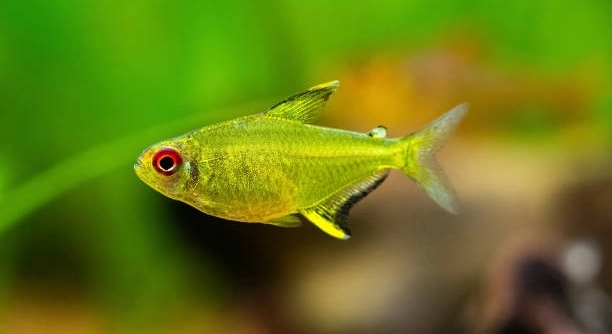
Many aquarium keepers observe lemon tetra becoming calmer in softly lit environments. This introduction highlights how lower light supports their comfort, promotes natural behavior, and creates conditions that reflect the shaded waters these fish seek.
Lemon tetra prefer dim lighting because it replicates their naturally shaded habitats, reduces stress, and supports stable social interactions. Lower illumination helps maintain healthy activity patterns, protects their delicate coloration, and minimizes overstimulation, ultimately promoting well being in aquarium environments.
Understanding these lighting needs offers insight into their behavior, helping you create conditions that support routines and balanced aquarium living.
Natural Habitat and Light Sensitivity
Understanding how lemon tetra respond to light begins with looking at their origins in calm, shaded waters. These fish come from areas where overhanging plants and drifting debris soften sunlight, creating gentle patterns that help them feel secure. When I watch them swim in dim light, their movements look more relaxed, almost like they can finally settle into a rhythm that suits their nature. Bright lighting can overwhelm them, pushing them to hide more than they need to. Softer illumination allows their subtle colors to show without forcing them into constant alertness. It also supports their schooling behavior, letting them glide together in a peaceful way. By keeping their environment close to what they instinctively expect, you help reduce stress and support stable behavior. Paying attention to their lighting needs creates a calmer home for them, and it makes it easier to notice when they are thriving in your care.
Dim lighting keeps lemon tetra comfortable by reducing unnecessary stimulation and preserving their natural behavior. When light stays soft, they move confidently, display better color, and maintain steadier activity. This gentle setting supports their overall balance, letting them remain calm while staying active throughout the day in a consistent way.
Creating a dim environment does not mean your aquarium has to look dull. Soft light can highlight the bright shimmer of lemon tetra without overwhelming them. I like using floating plants because they filter the light just enough to make the tank feel calmer. This setup encourages the fish to swim in open spaces instead of hiding. It also helps maintain predictable behavior, which makes caring for them easier. When their surroundings feel natural, their movements become smoother and their schooling patterns look more coordinated. Gentle lighting becomes a simple way to support their comfort while keeping the aquarium pleasing.
Creating a Comfortable Aquarium Setup
Lemon tetra respond strongly to lighting adjustments, so choosing the right setup helps them feel safer and more stable. Lower illumination reduces stress, encourages steady movement, and allows their soft colors to appear naturally. Small changes in light can make a noticeable difference in their daily comfort in your aquarium.
Setting up lighting that supports lemon tetra is easier when you focus on consistency and softness. These fish thrive when the light feels gentle, steady, and similar to the shaded environments they are naturally drawn to. I find that using dimmable fixtures helps create smooth transitions, avoiding sudden brightness that could unsettle them. Floating plants, tall stems, and driftwood also break up direct beams, giving the fish plenty of shaded pockets to explore. This layout lets them swim confidently and maintain their normal group patterns without feeling pressured to hide. It also keeps their colors looking healthy, since harsh light can make them appear washed out or stressed. A balanced schedule is just as important as the brightness level. Keeping the lights on at the same time each day helps them stay settled, and reducing the intensity during feeding or resting times can further support calm behavior. Many aquarists notice that lemon tetra become more active, more synchronized, and more comfortable once lighting is adjusted with their needs in mind. Creating this softer atmosphere not only benefits the fish but makes the entire tank feel more peaceful, giving you a space that looks calm and feels pleasant to watch daily.
Light Levels and Stress Reduction
Dim lighting lowers stress for lemon tetra by giving them a calmer space to move through. They react strongly to sudden brightness, so keeping the light soft helps them settle. This gentle environment keeps their behavior steady and reduces unnecessary hiding throughout the day.
Soft illumination supports healthier daily routines by giving lemon tetra a predictable setting. I like using plants and small shaded areas because they break up strong rays and create smoother lighting patterns. This makes the fish feel safer, and it encourages them to swim in open areas instead of withdrawing. When their stress is reduced, their colors look richer, their schooling becomes more coordinated, and their activity feels more natural. Managing the intensity of the light becomes an effective way to help them feel comfortable. It also makes it easier to spot subtle changes in their behavior, which can help you respond quickly when something seems off.
Maintaining consistent lighting is just as important as choosing the right brightness. Lemon tetra settle better when the light turns on and off at the same time each day. I prefer using timers because they remove guesswork and prevent fluctuations. Sudden changes can startle the fish and disrupt their routine. Stable lighting keeps them relaxed, encourages predictable swimming patterns, and supports healthier interactions within the group. This consistency also helps them adjust to feeding schedules and rest periods, which strengthens their overall well being. Smooth, steady lighting becomes a foundation for maintaining a balanced environment they can trust.
Behavioral Benefits of Dim Lighting
Lemon tetra behave more naturally when the lighting stays soft, and their schooling patterns appear smoother. Their movements look less frantic, and they spend more time exploring instead of hiding. This calmer behavior helps them stay confident while keeping the group dynamic stable.
Dim lighting strengthens the social structure lemon tetra rely on by allowing them to glide together without unnecessary stress. I often notice how their movements become more synchronized when the brightness is lower, giving them space to interact comfortably. Harsh lighting can interrupt these patterns by making them feel exposed or uneasy. A gentler setting lets them show their natural habits, from hovering in shaded corners to gathering in loose groups near plants. This creates a setting that supports their instincts and encourages healthier bonding within the group. When they feel safe, their activity becomes fluid, their colors remain vibrant, and their interactions stay balanced.
Light Requirements for Daily Stability
Dim lighting helps lemon tetra maintain steady movement throughout the day, keeping them relaxed and confident in their space. Soft shadows encourage calm swimming patterns, lowering tension and reducing sudden reactions that can disrupt their comfort, especially during active hours. This gentle setup keeps them balanced every single day always.
Lower brightness supports healthier feeding behavior by preventing overstimulation that can make them scatter or hesitate. I notice they approach food more confidently when the light stays soft, allowing smoother routines and steadier appetite. This small adjustment keeps them comfortable and encourages predictable daily habits in a simple consistent way.
How Lighting Shapes Group Behavior
Managing light intensity helps maintain stable group dynamics among lemon tetra by giving them an environment that feels safe and predictable. When the brightness stays low, their interactions become smoother, and they move as a coordinated group instead of scattering. I see how they gather near shaded areas with steady motion, showing natural patterns that reflect a calmer mindset. Sudden bright light can interrupt these rhythms, but gentle illumination allows them to stay collected and confident. This steady atmosphere supports healthy social behavior, making their movements easier to read and helping you notice changes that might need attention in time.
Color Preservation and Visual Comfort
Soft lighting helps maintain their natural colors without overwhelming their delicate tones. I notice their yellow hues appear richer when the light stays low, giving them a healthier look. This gentle setup keeps them comfortable and prevents the washed out appearance that brighter settings often create in a subtle way.
FAQ
What lighting level is best for lemon tetra?
Lemon tetra stay calmer under gentle, low intensity lighting that mimics shaded waters. I find they respond well when the brightness is soft enough to reduce glare but still clear enough for you to see their movement. This balance helps them feel secure and keeps their behavior steady throughout the day. Bright settings can overwhelm them, so choosing lights with adjustable intensity makes the process easier. When the light remains at a lower level, their colors appear richer, their activity becomes smoother, and they settle into their environment without sudden reactions. Keeping things consistent helps them feel safe.
Why do lemon tetra hide more in bright light?
Their natural instinct is to avoid strong illumination because it makes them feel exposed. In brighter conditions, they tend to retreat behind plants or decor to find shade. I notice they act more alert, and their movements become sharper, almost like they are trying to escape the brightness. When the lighting is dim, those behaviors fade, and they swim more openly. This shift happens because dimmer settings resemble the darker, plant covered waters they evolved in. Softer light gives them a sense of safety, helping them relax and explore more freely in the tank.
Does dim lighting improve their color?
Yes, softer light helps preserve the subtle yellow tones lemon tetra are known for. Harsh brightness can wash out their appearance, making their colors look faded. When the light stays gentle, their shimmer looks more natural and even a bit deeper. I see the difference clearly when the tank has floating plants that diffuse the light. Their colors show better without forcing them into stressful conditions. It is a simple adjustment that enhances both their comfort and their visual appeal.
How long should the lights stay on each day?
A consistent schedule works best, usually around eight to ten hours of light. I rely on timers because they prevent random changes that might disturb the fish. When the lights turn on and off at the same time, lemon tetra settle into a comfortable rhythm. This stability supports their feeding habits, activity levels, and resting periods. Sudden shifts in the schedule can unsettle them, but smooth transitions keep them relaxed and predictable. Maintaining this routine is one of the easiest ways to support their well being.
Do lemon tetra behave differently under dim lighting?
Yes, their behavior becomes calmer and more natural. They swim in steadier patterns, gather in small groups, and show less skittish movement. In softer lighting, I notice they explore open areas more often instead of retreating to darker corners. Their schooling looks coordinated, and they interact with each other more gently. Bright light can interrupt these patterns, but dim conditions encourage them to behave in a way that reflects their instincts. This shift helps you understand their needs better.
Can plants help improve lighting conditions for lemon tetra?
Absolutely. Floating plants and taller stems create soft shadows that break up direct light. I often see how these simple additions make a big difference in the fish’s comfort. They add natural shade, reduce glare, and provide pockets of dimness where lemon tetra can rest. Plants also help create a pleasant visual balance in the tank without making it overly dark. The fish respond by swimming more confidently and showing clearer coloration. Using plants becomes an easy way to enhance their environment.
Should the lighting change during feeding time?
Keeping the light low but steady works best. Sudden brightness can startle lemon tetra and make them hesitant during feeding. When the lighting stays gentle, they approach food calmly and eat with fewer interruptions. I notice that maintaining the same soft brightness helps them focus better, which supports healthier routines. Even during feeding, consistency remains important.
Is dim lighting suitable for tanks with mixed species?
In most cases, yes, but it depends on the other species. Many peaceful fish enjoy softer lighting, and it often helps the entire tank feel calmer. I pay attention to how each fish behaves and adjust the brightness if something seems off. Balancing the needs of every species ensures a comfortable and steady environment for all.
Final Thoughts
Creating the right lighting conditions for lemon tetra is an important part of keeping them comfortable, steady, and healthy in your aquarium. These fish respond strongly to brightness, and even small changes can influence how they swim, interact, and rest. When the light stays gentle and consistent, their behavior becomes smoother, their colors appear more natural, and their daily routines fall into a balanced rhythm. I find that dim lighting supports a calmer atmosphere that helps them feel secure. It also reduces the chance of sudden stress responses that can interrupt their comfort. Paying attention to their lighting needs is a simple way to support their well being without needing major adjustments. Their instinct to seek shaded spaces comes from their origins, so recreating that environment helps them settle more easily. By keeping the environment predictable, you give them the stability they naturally seek.
Understanding these lighting preferences also makes it easier to read their behavior. Lemon tetra communicate a lot through their movement and grouping patterns, and lighting plays a bigger role than many people expect. When the brightness is too strong, their body language becomes sharper, their reactions faster, and their patterns less coordinated. When the light stays soft, those tense signals fade, and you see them glide through the tank in a calm, steady way. I often notice how they gather more eagerly in open areas under dim light, showing they trust the environment more. Their colors stay richer because they are not being exposed to harsh illumination that can wash out their tones. Observing these patterns helps you understand what keeps them comfortable, and it also lets you adjust their environment before small issues grow into bigger problems. The more attention you give to the lighting conditions, the easier it becomes to provide a home where they can thrive quietly and naturally.
Maintaining dim lighting is not just about reducing stress, it also helps build a peaceful atmosphere for the entire aquarium. The softer glow brings out details in the tank, from plant textures to gentle shadows that shift throughout the day. This calming setting supports both the fish and the person caring for them. I appreciate how the tank feels more relaxing when the light stays low and smooth. It becomes easier to enjoy watching the fish without overwhelming them with brightness. The tank feels like a small, steady environment rather than a harshly lit space. When lemon tetra feel comfortable, they show their best behavior. Their swimming becomes predictable, their social patterns remain stable, and they respond more naturally to feeding and daily activity. Creating that balance through lighting is one of the simplest ways to support their long term health and maintain a peaceful aquarium that feels pleasant to look at and easy to care for every day.

Hello,
If you enjoy the content that we create, please consider saying a "Thank You!" by leaving a tip.
Every little bit helps us continue crafting quality advice that supports the health, happiness, and well-being of pets around the world, for pets of all shapes, sizes, and species.
We really appreciate the kindness and support that you show us!