
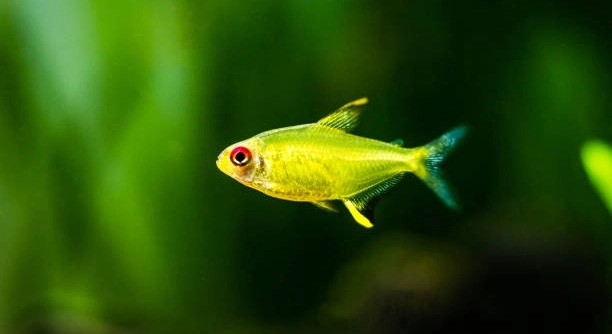
Lemon tetras are small, colorful fish that brighten any aquarium. Many owners notice them spending long periods hiding behind filters or decorations, often appearing shy or nervous. This behavior can seem puzzling at first.
Lemon tetras hide behind the filter primarily for security and stress reduction. The filter area provides a safe retreat where they feel protected from sudden movements, bright lights, or other fish. This hiding behavior is a normal, instinctive response.
Observing their habits closely can reveal patterns in their activity and comfort level, helping you create a calmer, healthier environment for these lively fish.
Common Reasons Lemon Tetras Hide
Lemon tetras often hide because they feel stressed or insecure in their environment. Sudden movements, loud noises, or changes in lighting can make them retreat behind the filter. Overcrowding in the tank can also increase their anxiety, as they need personal space to swim comfortably. Tankmates that are aggressive or overly active may intimidate them, prompting frequent hiding. Even water conditions play a role; unstable temperature, incorrect pH levels, or insufficient filtration can make them feel unsafe. Providing hiding spots like plants, rocks, or decorations helps them feel secure while maintaining visibility in the tank. Observing their behavior over time can indicate if hiding is occasional or persistent. Occasional hiding is normal, but prolonged periods behind the filter may signal stress. Adjusting the environment gradually allows tetras to feel more confident and encourages natural swimming and social behaviors.
Hiding is a natural response that helps lemon tetras manage stress in their aquarium environment.
Regular monitoring and gentle adjustments can help reduce stress, allowing tetras to explore the tank more freely while maintaining safety.
Creating a Comfortable Tank Environment
Ensuring a comfortable tank environment is key to minimizing hiding behavior. Stable water conditions, moderate lighting, and well-placed decorations create spaces where tetras can feel secure without completely retreating. Plants, both floating and rooted, provide natural cover while allowing movement and visibility. Proper filtration keeps the water clean without producing overly strong currents that may intimidate the fish. Maintaining a consistent temperature and pH reduces stress, supporting their overall health and social interaction. Observing the tank from different angles can help identify areas where fish feel most comfortable and where improvements can be made. Gradual adjustments, rather than sudden changes, prevent additional stress, encouraging tetras to explore more of the aquarium. Feeding in consistent spots can also help them associate certain areas with safety and routine. Over time, these small changes foster a balanced environment where lemon tetras spend less time hiding.
Adjustments to tank setup can make a noticeable difference in the activity and confidence of your lemon tetras.
By focusing on stable conditions, adequate hiding spots, and appropriate tankmates, owners can reduce stress triggers. A calmer environment allows tetras to display natural behaviors, swim more openly, and interact with each other in a healthy way. Consistent monitoring helps detect subtle stress signs early, ensuring any necessary changes can be made promptly. Combining water quality management with thoughtful decoration placement provides both security and freedom for the fish. Regular feeding and maintaining predictable routines also contribute to a sense of safety. Overcrowding should be avoided, and aggressive species should be separated to maintain a peaceful community tank. With patience, lemon tetras gradually become more confident and visible. These steps support long-term health, reduce hiding tendencies, and encourage more lively, natural swimming patterns that make the aquarium more enjoyable to observe.
Tank Placement and Lighting
Positioning the tank in a quiet area helps lemon tetras feel safe and reduces hiding behavior. Bright, direct sunlight or constant movement nearby can cause stress, making them seek shelter behind the filter more often.
Proper lighting mimics natural conditions and encourages normal activity. Using dimmable lights or floating plants can soften harsh illumination, giving tetras choice over when to stay hidden or swim openly. Consistent light schedules help establish a sense of routine, reducing anxiety. Observing their response to different light intensities can guide adjustments. Avoid sudden changes in lighting, as abrupt shifts can trigger hiding. Ensuring the tank is in a low-traffic area and providing shaded zones allows tetras to feel secure without compromising visibility or social interaction within the aquarium.
Adjusting both tank placement and lighting gradually can reduce stress and make tetras more comfortable exploring the tank freely.
Social Behavior and Tankmates
Lemon tetras are naturally schooling fish, and having proper numbers in a group reduces stress and hiding tendencies. Inadequate group sizes can make them feel vulnerable, causing them to stay behind the filter more often.
Aggressive or larger tankmates can intimidate lemon tetras, increasing hiding behavior. Peaceful, similar-sized species help maintain a balanced environment. Observing interactions and separating incompatible fish is essential for harmony. Providing enough swimming space prevents territorial disputes and reduces competition for food or hiding spots. When tankmates are compatible and schooling behavior is supported, lemon tetras become more confident. Monitoring daily activity helps identify patterns of stress caused by social dynamics, allowing timely adjustments. Ensuring the right mix of species supports natural behavior and encourages open swimming rather than prolonged hiding.
Creating a well-balanced social environment with suitable tankmates encourages natural behavior, reduces stress, and allows lemon tetras to thrive. Proper monitoring ensures the group remains harmonious.
Water Quality and Temperature
Maintaining stable water quality is crucial for lemon tetras. Sudden changes in temperature, pH, or ammonia levels can make them retreat behind the filter. Regular testing and partial water changes help keep the environment safe and comfortable for the fish.
Consistent temperature supports healthy metabolism and reduces stress. Sudden fluctuations, even a few degrees, can cause hiding and lethargy. Using a reliable heater and thermometer ensures stable conditions, while gradual adjustments prevent shock. Clean, filtered water with balanced parameters encourages active swimming and interaction, minimizing prolonged retreats to sheltered areas.
Feeding Habits
Offering small, frequent meals can reduce competition and stress in the tank. Overfeeding or inconsistent schedules may cause tetras to hide more often.
Providing a balanced diet suited for small schooling fish supports energy levels and overall health. Feeding in a calm, predictable manner helps lemon tetras associate mealtime with safety rather than stress, encouraging them to explore open areas instead of hiding behind the filter.
Signs of Stress
Hiding, loss of appetite, and faded colors are common indicators of stress in lemon tetras. Regular observation helps catch these issues early.
FAQ
Why does my lemon tetra hide all day behind the filter?
Lemon tetras often hide when they feel stressed or insecure. Factors like sudden movements, bright lighting, aggressive tankmates, or unstable water conditions can trigger this behavior. Providing plants, decorations, and shaded areas gives them a safe retreat while keeping the tank balanced.
Is it normal for lemon tetras to hide sometimes?
Yes, occasional hiding is normal. It is a natural instinct to seek safety and rest. As long as they swim actively during other times and maintain appetite, occasional retreats behind the filter are not cause for concern.
Can water quality affect hiding behavior?
Absolutely. Poor water conditions, including high ammonia, nitrite, or nitrate levels, fluctuating pH, or inconsistent temperature, can stress lemon tetras. Regular water tests, partial water changes, and stable temperatures help reduce hiding and promote healthy activity.
Do tankmates influence hiding habits?
Yes. Aggressive or overly active fish can intimidate lemon tetras, causing frequent hiding. Maintaining peaceful, similar-sized tankmates and keeping proper school numbers encourages confidence and reduces the need for constant retreat. Overcrowding should also be avoided.
Does lighting impact hiding?
Bright or fluctuating light can stress tetras. Soft, consistent lighting or floating plants can provide shaded areas for comfort. Gradual changes in light levels help them adjust without sudden retreats behind the filter.
How can I encourage my lemon tetras to swim openly?
Create secure spaces with plants and decorations while keeping the tank peaceful. Feed in calm, consistent routines and maintain stable water conditions. Gradual exposure to open areas encourages confidence, helping them spend more time swimming rather than hiding.
Is hiding a sign of illness?
Not always, but prolonged hiding combined with loss of appetite, faded colors, or lethargy can indicate stress or disease. Regular observation, good water quality, and appropriate tankmates help distinguish normal behavior from health issues.
Should I move the filter if tetras keep hiding behind it?
Sometimes. If the filter creates a strong current, tetras may hide to avoid it. Adjusting flow, placing plants or rocks around the filter, or slightly repositioning it can reduce hiding spots without compromising water circulation.
How many lemon tetras should be in a tank to feel safe?
Lemon tetras are schooling fish and feel safest in groups of at least six. Smaller numbers may increase stress and hiding. Proper tank size, space, and decorations also support their natural behavior.
Can diet influence hiding behavior?
Yes. Inconsistent feeding or overfeeding can create competition, causing stress. Feeding small, regular meals suitable for their size ensures energy and encourages exploration rather than prolonged hiding.
What are the long-term effects of constant hiding?
Constant hiding can lead to reduced swimming, poor appetite, and weakened immunity. Ensuring environmental stability, appropriate tankmates, and proper diet helps maintain confidence, activity, and overall health.
How do I know if hiding is due to stress or normal behavior?
Monitor activity, appetite, color, and social interactions. Occasional hiding is normal. Persistent hiding with other stress signs indicates environmental or social issues that need addressing. Adjusting water, tankmates, and hiding spaces usually helps.
Can tank placement affect hiding?
Yes. Tanks in high-traffic areas or near direct sunlight can stress tetras. Quiet, stable locations with shaded zones make them feel secure and reduce hiding.
Are there decorations that help reduce hiding?
Plants, rocks, and floating ornaments provide comfort without forcing them to stay hidden. Open swimming spaces combined with safe retreats support natural behavior and reduce stress.
How long should lemon tetras hide before it becomes a concern?
Short, occasional hiding is normal. If they spend most of the day behind the filter and avoid swimming or feeding, it indicates stress or discomfort that needs investigation. Adjusting environment and monitoring behavior is key.
Does filter noise affect hiding behavior?
Some fish are sensitive to filter noise. While many adapt, excessive vibration or strong flow may cause hiding. Adjusting filter placement, using quieter models, or creating barriers with plants can help.
Is it better to add more hiding spots or remove them?
Adding moderate hiding spots is beneficial, but too many can make tetras feel confined and hidden. Balance open swimming areas with secure retreats to encourage natural behavior and reduce stress.
Do lemon tetras ever hide for social reasons?
Yes, subordinate fish in a school may retreat temporarily to avoid conflict. This is normal as long as hiding is not constant or accompanied by aggression or health decline.
Can water temperature changes trigger hiding?
Sudden temperature shifts can stress lemon tetras, causing them to seek shelter. Keeping temperature stable within recommended ranges for the species helps maintain activity and reduces constant hiding.
Will lemon tetras stop hiding over time?
With a stable, well-designed tank, peaceful tankmates, and consistent care, lemon tetras gradually gain confidence and explore more openly. Patience and gradual adjustments are key to reducing hiding tendencies over time.
Final Thoughts
Lemon tetras are naturally shy and small, so hiding behind the filter or decorations is a common behavior. This instinctive retreat is part of their survival mechanism, helping them feel secure when something in their environment feels uncertain. While it may seem concerning at first, hiding is not always a sign of illness. Many times, it is simply a response to stress or changes in surroundings. Paying attention to the frequency and duration of hiding can help determine if it is normal behavior or a signal that adjustments are needed. Occasional hiding is expected, especially during bright lights, feeding times, or when other fish are active. It shows that the fish are aware of their environment and taking steps to protect themselves. Understanding this natural behavior is important for maintaining a healthy aquarium and ensuring the fish feel safe.
A well-maintained tank significantly reduces excessive hiding. Stable water quality, proper temperature, and regular testing for pH and ammonia levels create a consistent environment where lemon tetras feel comfortable. Overcrowding, aggressive tankmates, or sudden movements can increase stress and cause prolonged retreats behind the filter. Providing adequate space, decorations, and plants gives them hiding spots while allowing enough open area to swim freely. Gradual changes in lighting and feeding schedules also help tetras build confidence. Observing their behavior closely over time allows owners to make small adjustments, ensuring that fish are both secure and active. These steps promote natural behavior, helping tetras socialize and explore without feeling threatened. Even simple changes, such as adding a floating plant or moving the tank to a quieter area, can make a noticeable difference in reducing constant hiding.
Patience and observation are key to creating a comfortable home for lemon tetras. Understanding their instincts and recognizing signs of stress or discomfort allows for timely interventions. Encouraging open swimming through consistent care, balanced social groups, and a safe environment supports their overall well-being. While hiding is natural, it should not dominate their daily activity. By providing stable water conditions, gentle lighting, appropriate tankmates, and safe hiding spots, owners can foster confidence and reduce excessive retreats behind the filter. Over time, lemon tetras gradually become more visible and active, showing colors and behaviors that reflect their health and comfort. Careful attention to these details ensures that they remain lively, healthy, and stress-free in their aquarium environment.

Hello,
If you enjoy the content that we create, please consider saying a "Thank You!" by leaving a tip.
Every little bit helps us continue crafting quality advice that supports the health, happiness, and well-being of pets around the world, for pets of all shapes, sizes, and species.
We really appreciate the kindness and support that you show us!