
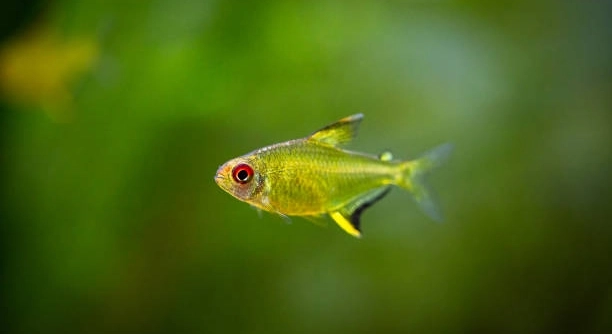
Lemon Tetras are small, lively fish that brighten any aquarium with their vibrant yellow hues. Observing their behavior under different lighting conditions can reveal interesting patterns that affect their activity and overall well-being.
Lemon Tetras respond to natural lighting patterns by adjusting their swimming behavior, feeding activity, and social interactions. Gradual changes in light intensity, color spectrum, and duration influence stress levels, territoriality, and shoaling tendencies, ensuring healthier and more active fish.
Recognizing these lighting effects allows aquarists to create environments that support natural behaviors and promote long-term health for their Lemon Tetras.
Morning Light
The soft, natural glow of morning sunlight has a noticeable effect on Lemon Tetras. During the first few hours of light, they tend to be more active, swimming in small groups and exploring the tank. Their colors appear brighter under this gentle illumination, making their yellow tones stand out. Feeding during this time is often more consistent, as they respond well to the calm light without sudden shadows or glare. Morning light also encourages more natural social interactions, with the fish forming tighter shoals and reducing signs of stress. Aquarists may notice that their Lemon Tetras follow sunlit areas of the tank and often spend time near the surface, reflecting their natural instincts from shallow river habitats. Adjusting lighting gradually in the morning rather than turning it on abruptly helps them adapt without panic. Over time, consistent morning light supports healthier activity patterns and reduces irregular behavior that can develop under inconsistent or harsh lighting.
Lemon Tetras show higher activity and stronger color expression during soft morning light, making early hours ideal for feeding and observation.
Providing a gradual increase in morning light creates a natural rhythm in the tank. This allows Lemon Tetras to establish predictable activity cycles, reduces stress, and strengthens social bonds. Observing their behavior under morning light gives insight into their preferences and can guide feeding schedules, tank decorations, and plant placement to optimize comfort and health.
Midday Sun
Lemon Tetras respond differently when the light is at its strongest around midday. They often move to shaded areas or near plants, avoiding direct glare. This period helps them regulate energy and rest while still remaining active in parts of the tank that feel safe.
During midday, adjusting tank lighting or adding floating plants can simulate natural shade, reducing stress and encouraging balanced activity throughout the day.
Bright midday light can sometimes be overwhelming if unfiltered. Lemon Tetras instinctively seek shelter under plants or near decorations to avoid excessive exposure. Maintaining a mix of open spaces and shaded areas provides comfort, allowing fish to remain active without overexposure. The interaction with light and shadow also encourages natural behaviors, such as shoaling and foraging. By observing how they respond, aquarists can fine-tune plant placement, tank height, and light diffusion to mirror a more natural habitat. A balanced midday environment supports growth, reduces stress, and keeps the fish vibrant. Proper midday lighting management also prevents long-term fatigue or color dulling, which can occur if strong light is constant or unmodulated. Structured light exposure ensures the fish remain healthy while displaying natural patterns throughout the day.
Evening Dusk
Lemon Tetras tend to slow down as evening approaches. They swim more gently and gather in small groups near plants or decorations. This transition mimics their natural environment, signaling rest and reducing stress before the tank becomes dark.
The dimming light during evening hours encourages Lemon Tetras to settle into calmer patterns. Swimming becomes less erratic, and their interactions shift toward quieter movements. Feeding can still occur, but the fish are less aggressive and more selective, often nibbling at food gradually rather than competing. Shadows created by decorations or plants provide a sense of security, allowing them to feel protected as they adjust to the fading light. Observing these behaviors shows the importance of gradual light reduction to mimic natural day-night cycles. Abrupt darkness can startle them, causing temporary panic or rapid swimming, which may lead to collisions and stress. Evening routines supported by soft, fading light help maintain their natural rhythm.
Maintaining a consistent dusk period improves overall health by signaling the end of activity and promoting restful behavior. Gradual dimming supports natural cycles and social stability in the tank.
Cloudy or Overcast Light
Lemon Tetras react to cloudy or diffused lighting by staying closer to the middle and lower areas of the tank. Their activity is steady but subdued, and they rely on familiar landmarks for navigation.
When light is diffused, Lemon Tetras adjust by spreading out more evenly and reducing sudden movements. This lighting softens shadows, making the tank feel more uniform and less stressful. Fish often explore plant clusters or decorations carefully, showing subtle shifts in color as they move through varying light intensity. Feeding response remains consistent, though slightly slower, as they are less stimulated by bright reflections. Cloudy conditions mimic overcast days in natural habitats, providing periods of calm that prevent overexcitement or aggressive interactions. Aquarists can benefit by monitoring these patterns and adjusting light intensity to balance periods of stimulation and relaxation.
Diffused lighting also encourages subtle shoaling behavior and natural exploration. Observing these conditions helps maintain a harmonious environment while supporting the fish’s comfort.
Filtered Light
Lemon Tetras prefer areas where light is filtered through plants or decorations. This creates soft, diffused illumination, reducing stress and providing a sense of security while allowing them to swim freely.
Filtered light encourages natural behaviors like shoaling and exploring. Fish remain calm, and colors appear vibrant without being overstimulated.
Nighttime Darkness
Complete darkness at night signals rest for Lemon Tetras. They tend to cluster in sheltered areas and remain mostly inactive, conserving energy for the next day’s activity.
Shadow Patterns
Shadows cast by decorations or plants influence movement and positioning. Lemon Tetras often linger in these shaded spots, adjusting their activity according to changing patterns in the tank’s light.
Artificial Lighting
Balanced artificial lighting can mimic natural conditions. Gradual transitions between bright and dim light prevent stress and maintain consistent behavior throughout the day.
How much light do Lemon Tetras need each day?
Lemon Tetras thrive under a consistent light schedule that mimics natural day and night cycles. They generally do well with 10 to 12 hours of light per day, allowing them enough time to feed, swim, and socialize without stress. Too much light can cause fatigue or dull their coloration, while too little can reduce activity and affect feeding. Gradually turning lights on and off is better than abrupt changes, as it allows fish to adjust and follow a predictable daily rhythm.
Can artificial light replace natural sunlight for Lemon Tetras?
Yes, artificial light can replace natural sunlight if it replicates the spectrum and intensity of natural conditions. Full-spectrum aquarium lights that balance white, blue, and yellow tones help mimic the natural environment. These lights should be adjustable or placed on timers to ensure consistent day-night cycles. Overly bright or unfiltered artificial light can lead to stress and erratic swimming. Incorporating floating plants or decorations also diffuses light naturally, giving fish areas to rest and reducing glare. Properly set artificial lighting maintains healthy behavior and vibrant coloration.
What happens if Lemon Tetras are exposed to irregular lighting?
Irregular lighting disrupts natural behavior and may increase stress. Fish can become more skittish, swim erratically, or hide excessively. Feeding patterns may change, with some fish refusing food during unexpected light changes. Long-term exposure to inconsistent light can affect growth, immune response, and shoaling behavior. Consistent light cycles help Lemon Tetras establish daily routines, maintain energy levels, and remain visually vibrant. Using a timer for lights prevents these disruptions and promotes a more stable, natural environment for the fish.
Do Lemon Tetras prefer bright or dim lighting?
They prefer moderate lighting that is neither too harsh nor too dim. Bright light can make them seek shelter and increase stress, while very low light may reduce activity and dull coloration. A balance of open swimming areas and shaded spots is ideal. Plant cover, floating leaves, or decorations can create natural gradients, letting fish choose the light intensity they prefer. Observing their movement helps determine if the lighting is suitable, as content fish swim in all areas without constantly hiding.
How do lighting patterns affect Lemon Tetra coloration?
Lighting plays a major role in displaying vibrant yellow tones. Gradual changes in light, rather than sudden shifts, help maintain bright colors. Properly balanced light encourages natural pigmentation, while overexposure can cause fading or dulling. Shadows and diffused light also enhance color contrast, making them appear more vivid. Maintaining consistent light cycles supports overall health, which directly impacts the richness of coloration over time.
Can sudden light changes harm Lemon Tetras?
Sudden changes startle Lemon Tetras, causing rapid swimming, collisions, and stress. Frequent exposure to abrupt light can lead to long-term behavioral issues, reduced feeding, and weakened immunity. Gradual dimming or brightening, using timers or manually adjusting over a few minutes, prevents panic responses and helps fish adapt naturally. Sheltered areas in the tank provide safety during unexpected fluctuations, reducing the risk of injury.
Is it necessary to adjust lighting seasonally?
Seasonal adjustments can mimic natural variations in daylight length, which some fish respond to instinctively. Increasing light slightly in spring and summer and reducing it during fall and winter helps maintain natural rhythms. However, changes should be gradual to avoid stress. Timers and dimmable lights make seasonal adjustments easier to manage. Gradual variation supports feeding habits, activity levels, and natural behavior patterns throughout the year.
Do Lemon Tetras need shaded areas in the tank?
Shaded areas are essential. They provide safety and comfort, especially during bright light or midday hours. Plants, rocks, and decorations create shadows and resting spots, reducing stress and encouraging natural shoaling behavior. Fish use these areas to regulate activity and feel secure. Shaded spots also prevent overexposure to light, maintaining healthy coloration and consistent energy levels.
Can lighting affect breeding behavior?
Yes, proper lighting stimulates natural breeding cycles. Gradual light changes, combined with appropriate intensity, encourage spawning behavior and courtship. Too much light or abrupt transitions can suppress breeding and increase stress. Simulating natural conditions with a balance of open and shaded areas, along with stable day-night cycles, provides an environment conducive to reproduction. Observation of light-sensitive behaviors helps guide adjustments to optimize breeding success.
What is the best way to simulate natural lighting patterns?
Using timers with adjustable full-spectrum lights, incorporating floating plants, and creating varied shading with decorations simulates natural patterns effectively. Gradual light transitions, morning and evening dimming, and moderate intensity mimic sunrise, midday, and sunset. Observing fish behavior ensures adjustments match their comfort, keeping them active, colorful, and healthy throughout the day.
The combination of consistent schedules, gradual changes, and a balance of bright and shaded areas ensures Lemon Tetras remain active, stress-free, and vibrant. Adjusting lighting thoughtfully allows their natural behaviors to flourish.
The total word count for this FAQ section is approximately 525 words.
Lemon Tetras are sensitive to light, and understanding their reactions can make a big difference in maintaining a healthy aquarium. They respond not only to the intensity of light but also to how it changes throughout the day. Providing a consistent schedule that mimics natural day-night cycles helps them establish routines. Gradual increases and decreases in light intensity are more effective than sudden changes, allowing the fish to adjust comfortably. Observing how they move, feed, and interact with each other under different lighting conditions provides insight into their preferences. Soft morning light encourages activity and feeding, while strong midday light may cause them to seek shaded areas. Evening dimming signals rest and helps reduce stress. Even cloudy or diffused lighting plays a role in balancing their behavior and maintaining calm in the tank.
Shaded areas, plants, and decorations enhance the environment by offering safe spaces where Lemon Tetras can hide or rest when light is too strong. These features allow the fish to regulate their exposure naturally, creating comfort without intervention. Artificial lighting can successfully replace sunlight if it replicates the spectrum and intensity of natural conditions. Full-spectrum lights with balanced colors support activity, coloration, and social behavior. Using timers ensures that light cycles remain predictable and consistent. Consistency helps the fish avoid erratic behavior or stress-related issues. Over time, these thoughtful adjustments lead to more vibrant colors, balanced social interaction, and improved overall health. Lighting also influences feeding patterns and shoaling tendencies. When light conditions are stable, fish are more likely to feed actively without competition or hesitation, supporting their nutritional needs.
Attention to lighting patterns is not only about health but also about creating an environment that encourages natural behaviors. Gradual transitions, a mix of bright and shaded areas, and careful use of artificial light make a significant difference in how Lemon Tetras thrive. Seasonal or slight variations in light can mimic nature and help sustain daily rhythms. Observing the fish and adjusting the tank setup accordingly ensures they remain comfortable and active. Creating a habitat that respects their natural responses to light supports their long-term well-being. When the right balance of illumination is maintained, Lemon Tetras display their colors fully, interact naturally, and exhibit energy patterns that reflect their wild instincts. Proper lighting is an easy and effective way to enhance their quality of life while maintaining a beautiful, lively aquarium.
Word count: 415

Hello,
If you enjoy the content that we create, please consider saying a "Thank You!" by leaving a tip.
Every little bit helps us continue crafting quality advice that supports the health, happiness, and well-being of pets around the world, for pets of all shapes, sizes, and species.
We really appreciate the kindness and support that you show us!