
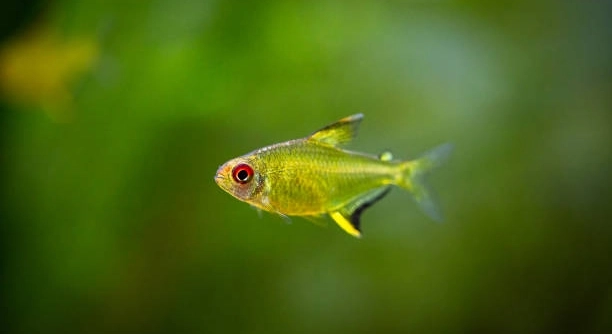
Lemon tetras are small, vibrant fish that bring life to any aquarium. Their bright yellow bodies and shimmering fins make them a favorite among hobbyists. Observing their behavior can be both entertaining and fascinating.
Lemon tetras chase each other nonstop primarily due to schooling instincts and social interaction. This behavior promotes group cohesion, establishes hierarchy, and encourages exercise. Chasing is a natural activity that helps maintain their mental stimulation and overall well-being in captivity.
Understanding this lively behavior helps aquarists create a healthy environment. Observing their interactions reveals more about their natural instincts and social dynamics.
Why Lemon Tetras Chase Each Other
Watching lemon tetras swim together is always fascinating. Their constant movement and quick turns make the tank feel alive. The chasing behavior is part of their schooling instinct, which keeps the group tight and coordinated. In a natural setting, this helps them avoid predators and search for food efficiently. Even in a home aquarium, the drive to maintain social structure remains strong. When one fish speeds up or changes direction, the others respond immediately, creating a seamless flow of motion. Chasing also allows them to establish subtle hierarchies, with some fish taking the lead while others follow. Observing this behavior over time reveals patterns that hint at personalities and interactions within the group. It’s easy to see how their environment and the presence of other fish influence the intensity of their activity. The bright yellow color of lemon tetras makes every chase visually striking, adding energy to the tank.
Chasing strengthens social bonds and keeps them active. It is essential for mental and physical stimulation.
Proper tank setup can enhance or reduce chasing. Space, hiding spots, and plant coverage impact how often they interact and how energetic their movements appear.
Managing Their Activity
Providing enough swimming space is key. Lemon tetras need room to dart and turn without feeling cramped.
Adding plants and decorations helps create areas for brief rests. This reduces stress and allows fish to regulate their activity naturally. Plants also mimic their natural habitat, making them feel secure. Group size matters, too. A small number of tetras may chase each other excessively, while larger groups balance interactions better. Feeding routines play a role as well. Consistent schedules with small amounts of food prevent competition-driven aggression. Observing their behavior during feeding can indicate if chasing is playful or stressed. Temperature and water quality also influence activity levels. Cooler or unstable conditions can increase erratic swimming. By adjusting these factors, the tank becomes a balanced environment where chasing remains natural without becoming overwhelming. Over time, monitoring and minor adjustments ensure lemon tetras stay healthy, active, and socially engaged in a comfortable setting.
Understanding Social Hierarchy
Chasing helps lemon tetras establish social hierarchy. Dominant fish often lead, while others follow, which keeps the group organized. This behavior is natural and shows their instinct to interact and coordinate within the school, ensuring a balanced social environment in the tank.
Observing closely, you can notice patterns in interactions. Certain fish consistently take the lead during chasing, while others respond quickly and maintain distance. These roles are not fixed; shifts occur as fish grow, age, or adjust to changes in the group. The behavior also reduces conflicts by clarifying positions within the school. When hierarchy is stable, chasing remains playful rather than aggressive, and all fish stay active without harm. It is a sign of a healthy social structure, which supports both mental and physical well-being.
Chasing also strengthens bonds within the group. Through constant interaction, fish recognize each other and learn subtle cues that guide movement. This awareness reduces stress and promotes smoother coordination. A well-maintained tank encourages natural social behavior, letting each fish feel secure while engaging in healthy activity.
Environmental Factors That Influence Activity
Tank size directly impacts chasing frequency. Small tanks restrict movement, increasing stress and hyperactive chasing. Larger tanks allow free swimming, reducing tension.
Decorations, plants, and hiding spots give fish options to rest and regulate activity. When fish feel secure, chasing becomes more playful and less frantic. Group size is important. Too few tetras may lead to constant chasing, while moderate groups balance interactions naturally. Lighting and water conditions also affect energy levels. Stable temperature, clean water, and proper filtration contribute to calmer behavior. Feeding patterns influence chasing as well. Providing consistent schedules and controlled portions prevents competition-driven stress. When the environment is balanced, chasing is part of healthy social interaction rather than an indication of discomfort or overcrowding. Careful observation and minor adjustments create a comfortable habitat that encourages natural behavior and maintains the fish’s well-being consistently.
Signs of Healthy Chasing
Active chasing usually indicates that lemon tetras are healthy. Fish that dart together energetically are engaging in natural schooling behavior. This movement keeps them fit, mentally stimulated, and socially connected, which is essential for their overall well-being in an aquarium environment.
Chasing should appear fluid and playful. Sudden, erratic bursts or constant harassment may signal stress or overcrowding. Monitoring interactions ensures all fish remain safe and active. Proper tank management helps maintain balanced activity levels, preventing aggression while allowing natural behavior to continue.
Feeding and Chasing
Chasing often increases around feeding time. Fish anticipate food and swim quickly toward it, following each other closely. This behavior is part of their natural instinct to compete for resources efficiently and stay alert.
Adjusting Tank Conditions
Changing water temperature slightly or adding plants can modify chasing intensity. Fish respond to subtle environmental changes, which can reduce stress or increase activity depending on conditions.
Observing Group Dynamics
A consistent school of lemon tetras shows predictable chasing patterns. Monitoring these interactions helps ensure harmony and highlights any fish that may be stressed or isolated.
FAQ
Why do lemon tetras chase each other so much?
Chasing is a normal behavior for lemon tetras. It is part of their schooling instinct, helping them maintain social structure and coordination within the group. It also provides exercise and mental stimulation, keeping the fish healthy and active. In a natural or well-maintained tank, this behavior is expected and not harmful.
Is constant chasing a sign of stress?
Not always. Playful chasing is normal and indicates active fish. Stress-related chasing tends to be frantic, aggressive, or continuous without breaks. Overcrowding, poor water quality, or lack of hiding spaces can trigger stress. Observing fish carefully and adjusting the environment can prevent harmful behaviors and reduce tension in the group.
How can I tell if chasing is playful or aggressive?
Playful chasing is smooth, coordinated, and brief, with fish taking turns leading and following. Aggressive chasing involves one fish repeatedly targeting another, biting, or forcing submission. Watching the group over time helps identify patterns, and providing more space or hiding spots can reduce aggressive interactions.
Does tank size affect chasing behavior?
Yes, tank size directly influences how often and intensely lemon tetras chase each other. Small tanks restrict movement, increasing stress and hyperactive chasing. Larger tanks allow space for free swimming and natural schooling, which reduces tension and encourages healthy interactions. Adequate room also lets fish rest without feeling cornered.
Can adding plants or decorations change chasing behavior?
Absolutely. Plants and decorations provide hiding spots, visual barriers, and resting areas. This allows fish to regulate their activity, reducing constant chasing. A well-decorated tank mimics natural habitats, giving fish security and improving overall behavior. Hiding spots also help less dominant fish feel safe, preventing unnecessary aggression.
Does group size matter for chasing?
Group size is crucial. Lemon tetras are social fish and feel most comfortable in groups of six or more. Too few fish can lead to excessive chasing and stress, while larger groups distribute interactions more evenly. Observing the dynamics helps determine if adjustments are needed for balance.
How does feeding influence chasing?
Feeding times often increase chasing temporarily. Fish move quickly toward food and may follow each other closely, driven by instinct to compete for resources. Consistent schedules and controlled portions prevent overly aggressive competition. Proper feeding also reduces stress, supporting natural, playful interactions.
Can water temperature or quality affect chasing?
Yes, temperature and water conditions impact activity levels. Cooler or unstable water can cause erratic swimming or increased chasing. Clean, stable water and proper filtration help fish feel secure, keeping chasing within healthy limits. Regular testing ensures conditions remain optimal for all fish.
Should I separate fish that chase too much?
Separation is rarely necessary if chasing is playful. Only aggressive, constant targeting may require intervention. In those cases, increasing space, adding hiding spots, or adjusting group size is recommended. Proper observation is key to maintaining a peaceful, active school without removing fish unnecessarily.
How long does chasing typically last?
Chasing occurs throughout the day but usually in short bursts. Playful chasing is interspersed with resting, feeding, or exploring. If chasing becomes constant or aggressive, environmental adjustments may be needed. Healthy tetras balance activity with rest, showing a natural rhythm of movement and interaction.
Can chasing help fish bond?
Yes, chasing strengthens social bonds. Fish recognize each other and learn subtle cues through interaction. This promotes group cohesion, reduces conflict, and encourages coordinated swimming. In a well-set-up tank, chasing contributes to mental stimulation, social development, and overall well-being for lemon tetras.
Is it normal for some fish to be chased more than others?
Yes, hierarchy plays a role. Some fish naturally take the lead while others follow. Dominant or faster fish may initiate more chasing, but this usually balances over time. Observing patterns helps identify if any fish are stressed or excluded, allowing adjustments in environment or group size.
How can I encourage healthy chasing without stress?
Provide a spacious tank, hiding spots, and stable water conditions. Keep an appropriate group size and maintain regular feeding schedules. These factors create a secure environment, allowing chasing to remain playful, natural, and beneficial for both social interaction and physical activity.
Can chasing behavior change as fish age?
Yes, chasing intensity may change with growth. Younger fish are often more energetic, while older fish may slow down. Changes in hierarchy, group composition, or tank conditions can also alter chasing patterns. Monitoring behavior ensures all fish remain active and comfortable.
Does lighting affect chasing?
Lighting can influence activity. Bright, consistent lighting encourages normal movement, while harsh or fluctuating light may stress fish and trigger erratic chasing. Balanced lighting mimics natural day-night cycles, supporting healthy behavior patterns and natural schooling activity.
What role does personality play in chasing?
Individual fish have unique temperaments. Some are naturally bold and lead the group, while others are more cautious and follow. Recognizing personality differences helps explain variations in chasing intensity and provides insight into the dynamics of the school.
Are there signs that chasing is harming a fish?
Look for torn fins, bleeding, hiding excessively, or reduced appetite. These signs indicate aggression or stress. Intervene by providing more space, hiding areas, or adjusting the group composition. Healthy chasing should not result in physical harm or persistent fear.
How can I maintain a peaceful environment while allowing chasing?
Balance space, group size, tank decorations, feeding schedules, and water quality. Observation is key. Small adjustments prevent stress, promote playful interaction, and ensure lemon tetras remain active, socially engaged, and safe in their habitat.
Is chasing linked to breeding behavior?
Occasionally, chasing intensifies during courtship. Males may follow females closely, displaying agility and speed. While this is normal, ensuring enough space and plants prevents stress or injury during these interactions.
Can chasing decrease naturally over time?
Yes, as fish become accustomed to their environment and hierarchy stabilizes, chasing often becomes less intense. This is a sign that the group is well-adjusted and comfortable, maintaining activity levels without unnecessary stress.
How often should I monitor chasing behavior?
Regular observation is important. Daily monitoring helps spot changes in intensity, aggression, or stress. Noticing patterns allows timely adjustments in tank conditions, group composition, or feeding routines, ensuring lemon tetras remain healthy and their interactions remain balanced.
Final Thoughts
Lemon tetras are lively, social fish whose constant chasing is a natural part of their behavior. Their interactions are driven by instinct, social structure, and the need for exercise and stimulation. Observing them can be both calming and informative, as it shows how well a small group of fish can coordinate movement and respond to each other. The playful chasing seen in a healthy school indicates that fish are active, engaged, and comfortable in their environment. It is important to remember that not all chasing is a cause for concern. By paying attention to how the fish behave during these interactions, aquarists can distinguish between playful activity and stress-driven aggression. Understanding the nuances of their behavior allows for a more enjoyable and confident aquarium experience.
Maintaining a suitable environment is key to supporting natural chasing behaviors. Tank size, decoration, hiding spots, water quality, and lighting all play important roles in regulating activity levels. Larger tanks provide ample space for free swimming, while plants and decorations offer areas to rest and reduce stress. Consistent water parameters and proper filtration help fish feel secure, preventing frantic or aggressive chasing. Group size also matters; too few tetras may lead to excessive chasing, while a well-sized school balances interactions and encourages playful social behavior. Regular feeding routines with controlled portions reduce competition and further promote a calm yet active environment. Observing the dynamics of the group and making small adjustments when necessary ensures that all fish thrive and maintain natural behaviors without harm.
Chasing among lemon tetras is more than just movement; it reflects their mental, physical, and social health. It strengthens group cohesion, establishes hierarchy, and provides a form of exercise that keeps them healthy. With careful observation and proper care, their energetic behavior can be appreciated rather than misinterpreted as problematic. Creating an environment that balances activity with security allows fish to express natural behaviors fully. Over time, as fish grow and adapt to their surroundings, chasing may become more structured and less frantic, demonstrating a well-adjusted social structure. By understanding these patterns and responding appropriately, aquarists can enjoy a vibrant, active tank where lemon tetras thrive naturally, maintaining both their health and the harmony of the group.

Hello,
If you enjoy the content that we create, please consider saying a "Thank You!" by leaving a tip.
Every little bit helps us continue crafting quality advice that supports the health, happiness, and well-being of pets around the world, for pets of all shapes, sizes, and species.
We really appreciate the kindness and support that you show us!