
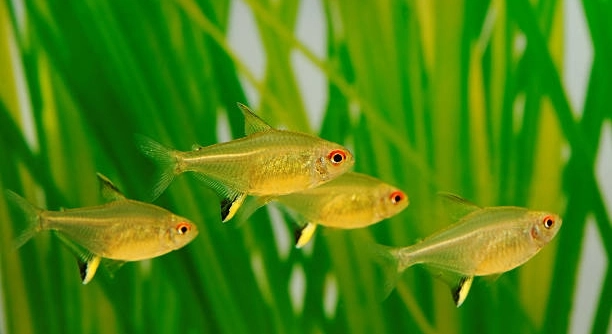
Have you ever noticed your lemon tetra spending most of its time in the darker corners of the tank? Watching them hide can feel confusing, especially when you want to enjoy their bright, cheerful colors in the open.
Lemon tetras often stay in shadows due to stress, poor water conditions, or lack of proper hiding spots. Ensuring stable water parameters, adequate tank plants, and a calm environment helps reduce anxiety and encourages more natural, visible behavior.
Understanding why your tetra prefers shade can improve its health and overall comfort, making your aquarium a more balanced and lively environment for all fish.
Water Quality and Tank Conditions
Water conditions play a huge role in how lemon tetras behave. If the water is too warm, too cold, or has high levels of ammonia or nitrites, the fish will feel stressed and retreat to shaded areas. I learned this the hard way after noticing my tetras hiding all the time. Testing the water regularly and performing partial water changes can make a big difference. Proper filtration is also essential, as stagnant or dirty water can increase anxiety in these small fish. Beyond chemistry, the tank setup matters. Lemon tetras need plants, decorations, or small caves where they can feel secure. Without these, even minor stress can push them to stay in shadows for long periods. Light intensity also affects their behavior; overly bright lighting may cause them to hide, while moderate lighting helps them feel more comfortable. Adjusting water and tank elements gradually avoids shocking them and encourages more visible, natural behavior in the aquarium.
Maintaining stable water temperature and quality prevents stress and encourages tetras to swim openly rather than hiding constantly in shadows.
When adjusting the tank, I noticed adding a few floating plants made a noticeable change. The tetras still explored the shaded corners but were more willing to swim in open areas. Providing varied hiding spots allows them to choose where they feel safe without feeling trapped. Using a gentle filter current reduces strong water movement, which can also cause hiding behavior. Observing how they react to these changes helps identify what they prefer in their environment. Over time, consistent care and subtle adjustments lead to more balanced activity, allowing their natural colors and playful movements to appear more often.
Stress and Social Behavior
Stress affects lemon tetras in many ways. Changes in the tank, aggressive tank mates, or lack of companions can make them retreat.
Lemon tetras are schooling fish, and isolation or incompatible tank mates can increase anxiety. They feel safer in groups of at least six, moving together and interacting naturally. Sudden changes, such as rearranging plants or introducing new fish, can also trigger hiding behavior. Even small disturbances near the tank, like loud noises or vibrations, may affect their comfort. Consistent feeding times and predictable routines reduce stress. Observing their behavior helps identify if a particular fish is being bullied or if the group dynamic needs adjustment. By keeping a calm environment and ensuring proper social structures, lemon tetras show more active, confident behavior, spending less time in shadows. Over time, attention to these social and environmental factors allows them to thrive, swim freely, and display the vibrant colors that make them a highlight in any community tank.
Lighting and Tank Placement
Too much light can make lemon tetras seek shade. I noticed my tetras hiding when the overhead light was too bright, even though the water and social conditions were fine. Adjusting light intensity and adding floating plants helped them feel more secure.
Shading parts of the tank with plants or decorations gives tetras control over their environment. They can choose when to rest in darker areas or swim in the light. Sudden exposure to bright lighting often stresses them, making them stay in corners or behind objects. Over time, moderate lighting and natural hiding spots encourage more balanced activity, allowing them to move confidently throughout the tank without feeling threatened.
I also moved my aquarium away from direct sunlight and constant room activity. This reduced glare and disturbances, giving the tetras a calmer environment. Consistent lighting schedules, around 8–10 hours daily, help regulate their natural rhythms. Providing both shaded areas and open swimming space ensures they are comfortable, reducing shadow-hiding behavior while still feeling safe.
Diet and Feeding Habits
Lemon tetras often hide if they feel weak or underfed. Feeding small, frequent meals improved their activity.
A balanced diet impacts behavior more than I initially realized. I started mixing high-quality flakes with occasional frozen or live foods like daphnia and brine shrimp. This variety not only keeps them healthy but stimulates natural hunting and foraging instincts. Skipping meals or giving only one type of food made my tetras less active and more likely to stay hidden. Over time, proper nutrition increased their energy levels and willingness to explore the tank.
Feeding habits also influence social behavior. I noticed tetras became more confident when food was distributed evenly, reducing competition and stress. Avoiding overfeeding prevents water quality issues, which can indirectly cause hiding. Monitoring how much and how often they eat helps maintain both health and comfort. Creating a predictable feeding routine gives them security, encouraging them to venture into open areas instead of staying constantly in shadows. Balanced diet and thoughtful feeding practices are key to keeping lemon tetras lively and visible.
Tank Mates and Compatibility
Aggressive or larger fish can make lemon tetras hide. I noticed my tetras stayed in shadows whenever a new, more dominant fish was introduced, even for a short time. Choosing peaceful tank mates is essential for their comfort.
Keeping compatible species together reduces stress and encourages natural activity. Lemon tetras thrive with other small, calm fish, avoiding conflicts that push them into hiding.
Breeding and Behavior Changes
During breeding periods, lemon tetras may retreat to shaded areas. Males become more territorial, and females need quiet spaces to feel secure. Providing dense plants or small caves allows them to display natural breeding behavior without feeling exposed.
Observation and Routine
Regular observation helps identify changes in behavior. Tracking swimming patterns, feeding responses, and interactions with tank mates gives clues about stressors or discomfort.
Why does my lemon tetra hide all the time?
Lemon tetras often hide due to stress or discomfort. Poor water quality, bright lighting, lack of hiding spots, or incompatible tank mates can all contribute. I noticed my tetras retreating whenever the water became slightly warm or when a new, larger fish was introduced. Creating a calm, stable environment with moderate lighting and proper tank mates encourages them to swim more openly and explore their surroundings without constant hiding.
Is it normal for lemon tetras to hide at the bottom of the tank?
Yes, it can be normal, especially if they are adjusting to a new tank. I observed my tetras staying low during the first few days after moving them. Providing plants, smooth decorations, and hiding spots allows them to feel secure. Over time, most tetras start exploring mid and upper levels as they become comfortable, showing their bright colors and social behavior more freely.
Can water temperature affect my lemon tetra’s behavior?
Absolutely. Lemon tetras are sensitive to temperature fluctuations. I once had my tank heater slightly too high, and the tetras immediately retreated to shaded areas. Maintaining a stable temperature between 72–78°F (22–26°C) reduces stress and prevents hiding behavior. Sudden changes in temperature, even a few degrees, can cause prolonged shadow-seeking and lethargy.
How does tank size influence hiding behavior?
Smaller tanks can make tetras feel cramped and stressed. My tetras hid more frequently in a 10-gallon tank but became noticeably more active after moving to a 20-gallon setup. A larger tank provides room to swim and explore, and adding plants or decorations creates natural hiding spots. This balance helps tetras feel safe while encouraging visible, normal behavior.
Do lemon tetras hide when they are sick?
Yes, illness can cause hiding. I noticed my tetras staying in shaded corners when they had mild fin rot. Other signs include loss of appetite, clamped fins, or faded colors. Monitoring behavior, testing water, and providing proper treatment helps restore health and reduces shadow-hiding tendencies. Prompt attention prevents more serious issues.
Can tank lighting cause hiding behavior?
Bright or harsh lighting can make lemon tetras feel exposed. I reduced overhead light and added floating plants, which immediately encouraged them to swim more openly. Moderate lighting allows tetras to choose when they want shade, reducing stress. Avoiding sudden changes in lighting or intense direct sunlight helps them feel secure.
Does diet affect hiding habits?
Yes, nutrition impacts behavior. I noticed my tetras hid more when fed only dry flakes. Introducing live or frozen foods like daphnia and brine shrimp increased their energy and willingness to explore the tank. Balanced, frequent meals help maintain health, confidence, and overall activity levels, reducing prolonged hiding in shadows.
How many tetras should I keep together to reduce hiding?
Lemon tetras are schooling fish and feel safer in groups of six or more. I kept only three at first, and they were shy and hid constantly. Increasing the group size improved social behavior and reduced stress. A well-sized school creates natural movement and confidence, making them less likely to hide.
Do seasonal changes affect hiding behavior?
Seasonal changes can subtly impact tetras, especially if daylight exposure changes drastically. I noticed slight increases in shadow-hiding during winter when room light was lower, and the tank was near a sunny window. Consistent artificial lighting and controlled water temperature help maintain regular behavior year-round.
What are some signs my tetra is stressed besides hiding?
Other signs include clamped fins, rapid gill movement, pale colors, or staying motionless. I learned to watch for these indicators, as hiding alone isn’t always the full story. Addressing water quality, diet, lighting, and social conditions usually helps relieve stress and encourages normal activity.
Can rearranging the tank cause hiding?
Yes. Lemon tetras are sensitive to sudden changes. I moved plants around once, and they immediately stayed in shadows for a day. Gradual adjustments and keeping some familiar decorations in place allow them to adapt without excessive stress. Consistency helps them feel secure while exploring the tank freely.
Will hiding behavior stop on its own?
Sometimes it does, especially if the tetras are simply adjusting. I observed my tetras hiding for a few days after introducing them to a new tank, then gradually exploring as they became comfortable. Ensuring proper care, stable water, and a calm environment speeds up this adjustment period and reduces prolonged hiding.
Can aggressive tank mates cause constant hiding?
Definitely. I once had a fin-nipping species in the same tank, and my tetras barely left the shaded corners. Switching to peaceful, small fish reduced stress immediately. Lemon tetras need calm companions to display normal behavior, explore the tank, and avoid constant hiding.
Does overcrowding affect hiding behavior?
Overcrowded tanks increase stress, making tetras retreat to shadows. I had too many fish in a small tank and noticed frequent hiding. Providing enough space per fish, proper filtration, and enough hiding spots prevents stress and encourages more open, natural swimming patterns.
How can I encourage my tetras to leave shadows?
Adjusting lighting, adding plants, providing proper diet, and keeping compatible tank mates encourages exploration. I also found consistent feeding routines and stable water conditions helped my tetras venture into open areas. Giving them choice and security in the tank promotes active and confident behavior.
Can water movement influence hiding?
Strong currents can stress tetras and make them hide. I noticed reduced activity near filters with high flow. Using gentle filtration and ensuring areas of calm water allows tetras to swim comfortably, reducing shadow-seeking behavior while still feeling secure.
Do tetras hide more at certain times of day?
Yes, they may retreat during bright daylight or when there’s a lot of room activity. I observed mine hiding in shaded areas during the busiest hours. Adjusting light levels and providing shaded spots helps them feel safe while still allowing normal exploration.
Can breeding behavior increase hiding?
During breeding, lemon tetras often seek cover. Males become more territorial, and females need quiet spaces. I added dense plants and small caves, which allowed natural breeding without constant stress. Providing privacy during this time supports healthy reproduction and reduces shadow-hiding behavior.
Does tank cleanliness affect hiding?
Dirty tanks increase stress and hiding. I noticed more shadows when water was cloudy or debris built up. Regular water changes, proper filtration, and removing uneaten food keep the environment comfortable, encouraging tetras to swim openly instead of staying in corners.
How long should I expect my tetras to hide when stressed?
It varies depending on the cause. Minor stress may last a few hours, while environmental or social issues can cause prolonged hiding for days. I found observing behavior carefully and addressing water quality, diet, and companions helps speed recovery and reduces the time spent in shadows.
Can tetras hide due to fear of outside movement?
Yes, sudden movements near the tank or loud sounds can trigger hiding. I noticed mine retreating whenever someone walked quickly past the tank. Placing the aquarium in a quieter location or adding visual barriers reduces external disturbances and encourages normal activity.
Are some tetras naturally more shy?
Individual personalities matter. I have one tetra that prefers shaded areas more often than the others. Providing hiding spots ensures all fish feel safe, while the more confident ones continue exploring. Recognizing natural variation helps manage expectations and care.
Can water chemistry changes cause sudden hiding?
Yes, sudden shifts in pH, hardness, or ammonia levels can stress tetras. I learned to test water regularly, keeping parameters stable. Gradual adjustments prevent prolonged hiding and maintain overall health. Regular monitoring is key to keeping them comfortable.
Does hiding behavior indicate poor tank setup?
Often, yes. My tetras hid more in a bare tank without plants or decorations. Providing varied spaces, moderate lighting, gentle water flow, and proper diet ensures the environment meets their needs, reducing hiding behavior and encouraging active swimming.
Can hiding lead to health problems?
Extended hiding itself doesn’t cause illness, but it can signal stress or poor conditions. Stress reduces immunity, making tetras more susceptible to disease. Addressing the root causes of hiding improves both behavior and overall health, preventing future problems.
How quickly should tetras stop hiding after changes?
Typically, visible improvement occurs within days if water, diet, and social conditions are corrected. I noticed gradual exploration increases after a week of consistent care. Patience and observation are key to ensuring tetras feel safe enough to leave shadows.
Can seasonal lighting adjustments reduce hiding?
Yes. I found consistent artificial lighting schedules help maintain normal behavior. Sudden seasonal changes in natural light can make tetras seek shade. Controlled, predictable lighting reduces stress and encourages them to swim confidently throughout the tank.
Is it normal for tetras to hide at night?
Yes. Lemon tetras are diurnal and naturally rest during dark periods. Providing areas where they can safely hide at night mimics natural behavior. I noticed this rest period helps them stay active and healthy during the day.
How do I know hiding is serious or just normal behavior?
Observe patterns and physical health. Constant hiding, clamped fins, pale colors, or loss of appetite indicate stress or illness. Normal, brief hiding is often just comfort-seeking. I track behavior closely to distinguish between temporary retreat and a sign of a bigger problem.
Does hiding indicate loneliness in tetras?
Yes, especially in small numbers. Lemon tetras are schooling fish and feel safer in groups. I increased my group size, and hiding decreased noticeably. Providing proper social structure ensures all fish feel secure.
Can sudden water changes trigger hiding?
Yes, abrupt changes in water parameters can cause immediate stress. I noticed my tetras retreating after a large water replacement. Gradual changes and careful monitoring reduce anxiety and encourage normal swimming behavior.
Are there environmental signals that encourage hiding?
Bright light, strong currents, overcrowding, or aggressive tank mates all signal danger to tetras. I adjusted these factors over time, creating a more balanced environment where my tetras felt safe enough to leave shadows regularly.
Can hiding behavior affect feeding?
Yes, stressed tetras often eat less. I noticed decreased appetite when my tetras stayed in shaded corners. Providing easy access to food near hiding spots encourages eating while maintaining security, supporting health and reducing prolonged hiding.
Does tank decoration influence hiding?
Absolutely. Dense plants, caves, and floating greenery give tetras control over their environment. I added several hiding areas, which allowed them to explore the open tank without stress, balancing comfort and activity.
Can water current placement reduce hiding?
Yes. Gentle currents allow tetras to swim freely without being pushed into corners. I adjusted filter output and noticed immediate improvement in activity, reducing constant shadow-seeking behavior.
Do tetras return to hiding after disturbances?
Occasionally. Sudden noise, movement, or changes can make tetras seek shade again. I learned to minimize disturbances and maintain stability to keep them active and comfortable most of the time.
Is hiding behavior permanent?
No, it usually indicates temporary stress, environmental issues, or social adjustment. With proper care, stable water conditions, compatible companions, and appropriate feeding, lemon tetras gradually spend more time in open areas and display natural, healthy activity.
Can introducing plants reduce hiding?
Yes. I added floating and rooted plants, creating shaded areas and safe spots. This allowed my tetras to balance exploration and security, reducing prolonged hiding while encouraging natural behavior.
Does hiding differ between males and females?
Sometimes. Males may be more territorial, and females may seek cover, especially during breeding. Providing balanced hiding options ensures both sexes feel safe and comfortable throughout the tank.
Can hiding indicate water toxicity?
Yes. High ammonia, nitrite, or nitrate levels can cause stress. I regularly test water, and correcting imbalances immediately reduced shadow-hiding behavior. Proper filtration and consistent water changes prevent toxicity and keep tetras active.
Does tank height or shape affect hiding?
Yes. Taller tanks with vertical plants encourage tetras to explore middle and lower regions. I found horizontal tanks without cover made them retreat more often. Tank design with varied hiding spots improves comfort and reduces constant shadow-seeking.
Can external temperature changes affect hiding?
Yes. Room temperature swings can stress tetras. I noticed more hiding during colder nights near drafty windows. Stable tank heating and avoiding direct air flow helps maintain normal activity.
Is hiding behavior a sign of aggression?
Not usually. It indicates stress, fear, or discomfort rather than aggressive intent. I noticed my tetras hiding more when other fish were dominant. Correcting tank dynamics reduces hiding and promotes calm social interactions.
Can long-term hiding impact coloration?
Yes. Stress and lack of activity can dull colors. I observed brighter colors returning after creating a stable, comfortable environment with hiding spots and gentle lighting, showing tetras thrive when stress is minimized.
Do hiding habits change with age?
Younger tetras are often more timid. I found that as they matured, they became more confident in exploring the tank. Consistent care and proper social groups support healthy behavioral development.
How do I reduce hiding during water changes?
I perform partial, slow water changes and avoid sudden disturbances. This prevents stress spikes and allows tetras to stay active while maintaining water quality. Gradual adjustments are key to keeping them comfortable.
Can hiding indicate parasite infection?
Yes. External parasites may cause tetras to stay in corners. I observed rubbing against plants or surfaces. Treating infections promptly and maintaining water hygiene reduces hiding behavior and supports recovery.
Does hiding vary by tank light schedule?
Yes. Consistent light schedules make tetras more predictable and less stressed. I found regular 8–10 hour light periods encouraged exploration while shaded spots allowed safe retreat when needed.
Can water hardness cause hiding?
Extreme hardness or sudden changes can stress tetras. I monitor GH and KH levels, keeping them within recommended ranges. Stable water chemistry reduces hiding behavior and supports overall health.
Does tank location affect hiding?
Yes. High-traffic areas increase stress. I moved my aquarium to a quieter spot, and tetras spent more time exploring open water rather than staying in shadows. Stable surroundings help maintain normal behavior.
Can tetras hide due to old age?
Older tetras may hide more as activity decreases naturally. I noticed mine resting more in shaded areas with age. Providing comfortable spaces allows them to retreat safely while still interacting occasionally.
Are there signs that hiding is temporary?
Yes. Tetras that explore briefly and return to shade usually adjust quickly. I observed gradual increases in open swimming after environmental improvements, signaling temporary stress rather than chronic issues.
Can feeding locations influence hiding?
Yes. Placing food near shaded areas encourages tetras to come out while feeling secure. I noticed more confident feeding behavior when food was distributed carefully, balancing security and activity.
Does tank noise affect hiding?
Yes. Vibrations from pumps, filters, or room activity can stress tetras. I reduced background noise and saw less shadow-hiding. Quiet, stable conditions promote active swimming and natural behavior.
Can hiding affect social hierarchy?
Yes. Timid fish may stay hidden while dominant ones roam freely. I ensured proper group size and peaceful companions, reducing social stress and encouraging all tetras to explore the tank more evenly.
How long before tetras feel safe in a new tank?
Adjustment usually takes several days to a week. I noticed my tetras hiding at first, then gradually exploring as they grew familiar with plants, hiding spots, and companions. Patience and consistent care help them settle.
Does frequent tank maintenance trigger hiding?
Yes, especially if done abruptly. I perform gentle, routine maintenance to minimize disturbances. Tetras stay more confident when tank care is predictable and calm.
Can floating plants reduce stress and hiding?
Yes. I added floating plants, which provided cover without blocking swimming space. This balance encouraged my tetras to leave shadows while still feeling safe and secure.
Do tetras hide more during sudden temperature drops?
Yes. Sudden cold stresses them. I noticed more shadow-hiding when room temperatures dropped near the tank. Gradual adjustments and stable heating prevent prolonged stress and hiding.
Can hiding behavior indicate oxygen levels?
Low oxygen may cause lethargy and retreat to shaded areas. I ensure proper aeration with gentle bubbles or surface movement, improving comfort and encouraging open swimming.
Does the number of hiding spots affect behavior?
Yes. Too few hiding areas cause stress; too many may make tetras stay hidden excessively. I balance decorations and plants to allow choice, improving activity and confidence.
Can water flow adjustments reduce hiding?
Yes. I lowered strong currents, allowing tetras to swim freely. Gentle water movement decreases stress, letting them explore more openly instead of staying constantly in shadows.
Do tetras hide more after new tank additions?
Yes. Introducing fish, plants, or decorations can trigger hiding. I add changes gradually, observing reactions. This reduces prolonged shadow-seeking and encourages normal exploration.
Can stress from overcrowding cause hiding?
Yes. I noticed increased hiding when too many fish shared the tank. Ensuring proper stocking density and adequate space reduces stress and promotes open swimming behavior.
Does hiding affect feeding competition?
Yes. Timid fish may miss meals if dominant fish take all food. I distribute food evenly and near hiding spots to ensure all tetras eat without stress, supporting health and activity.
Can hiding indicate ammonia spikes?
Yes. High ammonia levels stress tetras and increase shadow-seeking. I test water frequently, perform partial changes, and maintain filtration to keep levels safe, promoting confident swimming.
Do seasonal water changes affect hiding?
Yes. I noticed slight increases in hiding during winter water changes due to temperature differences. Gradual adjustments help maintain comfort and activity.
Can aggressive behavior from other fish trigger hiding?
Yes. I removed fin-nipping species, and tetras became more visible. Peaceful companions reduce stress and encourage exploration, decreasing shadow-hiding behavior.
Does tank depth influence hiding?
Deeper tanks with vertical plants encourage exploration at various levels. I noticed my tetras used shaded areas near plants but still swam mid-tank more frequently. This improves comfort and natural behavior.
Can hiding behavior indicate chronic stress?
Yes. Prolonged shadow-hiding along with other signs like clamped fins or dull colors may indicate ongoing stress. I addressed water quality, diet, and social conditions to restore normal behavior.
Does hiding affect breeding success?
Yes. Stress and lack of comfort reduce breeding activity. I provided dense plants and quiet spots, which allowed tetras to display natural breeding behavior without excessive hiding.
Can hiding signal a need for tank rearrangement?
Sometimes. Rearranging plants or decorations to provide choice and cover helps tetras feel safe and encourages open swimming, reducing constant shadow-seeking.
Do tetras return to normal behavior after hiding?
Yes. With proper care, stable water, balanced diet, and calm companions, shadow-hiding decreases, and tetras gradually resume active swimming
Lemon tetras are small, delicate fish that react strongly to their environment. When they spend a lot of time hiding in shadows, it usually signals that something in their tank needs attention. Observing them carefully can tell you a lot about their needs. Water quality, temperature, and proper filtration are key factors that influence their behavior. I learned that even small changes in water conditions, like a slight rise in temperature or leftover food causing ammonia buildup, can make them retreat to shaded areas. Maintaining stable water conditions with regular testing and partial water changes is essential. It helps reduce stress and encourages tetras to swim more freely.
The setup of the tank also plays a big role in their comfort. Lemon tetras are naturally timid and need spaces where they feel safe. Plants, decorations, and hiding spots allow them to control their surroundings and choose when to rest or explore. I noticed that when I added both floating plants and small caves, the tetras gradually became more active in open areas while still using the shaded spots when they wanted security. Lighting affects their behavior too. Bright or harsh lighting can make them feel exposed, while moderate, consistent lighting gives them confidence to explore the tank. Even the placement of the aquarium matters. Tanks near loud areas or with constant movement can increase stress and hiding, so a quiet, stable spot helps them feel secure.
Social behavior and feeding routines also influence their activity. Lemon tetras are schooling fish, and being in small numbers or with aggressive tank mates increases hiding behavior. I found that keeping at least six tetras together, with calm companions, helped them feel safer and reduced prolonged shadow-hiding. Diet is important as well. Providing a mix of high-quality flakes, frozen, or live foods gives them energy and encourages natural movement, reducing stress-related hiding. Overfeeding or poor diet can cause health issues and make them more likely to stay in corners. Gradual adjustments, consistency, and patience are key. By paying attention to water conditions, tank setup, social groups, and feeding habits, lemon tetras can feel comfortable, display their natural colors, and explore the tank confidently. Creating an environment where they feel safe but also have room to swim freely makes a big difference in their overall happiness and health.

Hello,
If you enjoy the content that we create, please consider saying a "Thank You!" by leaving a tip.
Every little bit helps us continue crafting quality advice that supports the health, happiness, and well-being of pets around the world, for pets of all shapes, sizes, and species.
We really appreciate the kindness and support that you show us!