
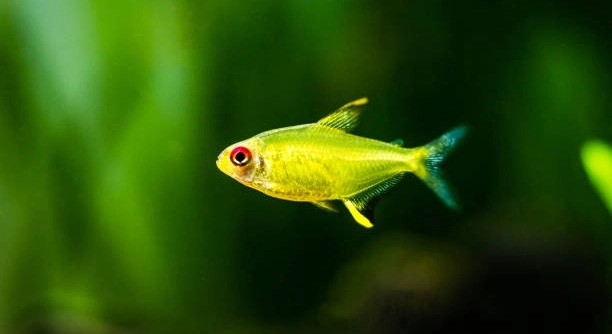
Do you enjoy keeping small, colorful fish in your home aquarium but wonder about the best water conditions for them? Lemon tetras are popular for their bright yellow hue and peaceful nature. Their health depends heavily on water quality.
Lemon tetras can survive in moderately hard water, but they thrive best in soft to slightly hard water. Excessively hard water may stress them, affecting growth, coloration, and overall health, making careful monitoring essential for optimal care.
Maintaining the right water parameters is key for happy, healthy lemon tetras. This guide will help you understand hardness and ensure your fish flourish in their environment.
Understanding Water Hardness for Lemon Tetras
Water hardness refers to the concentration of minerals, mainly calcium and magnesium, dissolved in the water. Lemon tetras are sensitive to changes in these levels. Soft water, which has fewer minerals, tends to mimic their natural habitat in South America’s slow-moving streams. Slightly hard water is generally acceptable, but very hard water can cause stress. Stress in fish often leads to weaker immune systems and increased susceptibility to disease. Monitoring your aquarium’s water regularly ensures stable conditions. Using a water testing kit, you can check both general hardness (GH) and carbonate hardness (KH). Adjusting hardness may involve mixing tap water with distilled water or using commercial mineral additives. Observing your fish for signs of stress, like faded colors or sluggish movement, is equally important. Maintaining consistent water parameters will help lemon tetras thrive, enhancing their color and activity. Sudden changes in hardness should always be avoided to prevent shock.
Controlling water hardness is essential for healthy, vibrant lemon tetras. Regular testing ensures stability.
Proper water management includes balancing GH and KH, monitoring pH, and adjusting as needed. Maintaining slightly soft water with moderate minerals supports breeding and long-term health. Always acclimate new fish slowly to avoid stress. Consistency is key for active, colorful lemon tetras that display natural behaviors and reduce disease risk. Regular water changes and using quality filtration help maintain mineral balance while preventing buildup that could harm the fish. Avoiding extreme hardness and rapid shifts ensures your aquarium remains a safe, stable environment.
Signs Your Lemon Tetras Are Struggling in Hard Water
Faded colors, reduced activity, and loss of appetite are common signs your lemon tetras may not tolerate hard water.
When fish are exposed to excessively hard water, their bodies can become stressed due to the high mineral content, affecting internal processes and gill function. Over time, this stress weakens their immune system, making them more susceptible to diseases such as ich or fin rot. Breeding success also declines, as lemon tetras require softer water for optimal spawning. Physical changes may include swollen or bloated bodies and irregular swimming patterns. It is important to observe your aquarium closely, especially after any water changes or adjustments in hardness. Slowly adjusting water hardness, using water conditioners, and monitoring water chemistry can help prevent long-term damage. Keeping a log of water parameters and fish behavior provides a clear picture of trends, allowing intervention before problems escalate. Ensuring proper nutrition and clean water further supports their resilience, making it easier for lemon tetras to adapt to slightly hard water safely.
Adjusting Hard Water for Lemon Tetras
Softening hard water can be done gradually using reverse osmosis water or distilled water mixed with tap water. Adding peat moss or using commercial water softeners also helps lower mineral levels safely, preventing sudden changes that could stress lemon tetras.
Gradual adjustment is crucial. Sudden shifts in water hardness can shock fish, leading to stress or illness. Start by replacing small portions of aquarium water with softened water over several days or weeks. Regularly test GH and KH to monitor progress. Using a water conditioner can help neutralize unwanted chemicals, creating a more stable environment. Observing fish behavior during this process ensures they adapt well and remain healthy.
Maintaining a stable pH alongside adjusted hardness supports overall fish health. Lemon tetras thrive in slightly acidic to neutral water with moderate mineral content. Avoid extreme chemical additives that might imbalance the tank. Consistent water changes, careful monitoring, and slow adjustments help the fish adapt while preserving natural activity and coloration. Softening strategies should be paired with routine care to ensure long-term success.
Monitoring Aquarium Conditions
Regular testing of hardness, pH, and temperature ensures a safe habitat for lemon tetras. Accurate measurements help prevent health issues before they arise.
Using reliable test kits for GH and KH allows you to track mineral levels precisely. Temperature stability is equally important, as fluctuations can increase stress. Observe your fish daily for signs of stress or illness, including changes in color, appetite, or swimming patterns. Keeping a log of readings helps identify trends and respond quickly. Water clarity and filtration efficiency also indicate whether the environment supports healthy fish. Consistent care creates a predictable habitat, reducing risks associated with hard water.
Adjustments should be incremental and consistent. Avoid abrupt changes in water chemistry, which can cause shock or weaken the immune system. Combine careful monitoring with proper feeding, regular partial water changes, and efficient filtration. Maintaining balanced mineral content ensures lemon tetras remain vibrant and active. Tracking environmental conditions over time allows you to anticipate issues, respond proactively, and create a stable, healthy aquarium where fish display natural behaviors and colors.
Choosing the Right Tank Setup
A planted tank with hiding spots helps lemon tetras feel secure. Driftwood and smooth rocks can naturally lower pH slightly, complementing efforts to manage water hardness.
Avoid overcrowding. Lemon tetras thrive in groups of six or more. Adequate swimming space reduces stress and promotes natural behavior, keeping fish active and healthy.
Feeding in Hard Water Conditions
A varied diet of high-quality flakes, micro pellets, and occasional live or frozen food supports overall health. Balanced nutrition strengthens their immune system, helping fish tolerate moderate hardness. Regular feeding routines prevent overfeeding, which can worsen water quality and impact mineral balance in the tank.
Using Water Conditioners
Water conditioners help remove chlorine and neutralize heavy metals in tap water. This protects lemon tetras from stress and potential harm.
Regular use ensures new water additions do not disrupt mineral balance. Combining conditioners with softened water adjustments supports stability, allowing fish to remain healthy, colorful, and active over time.
FAQ
Can lemon tetras survive in hard water long-term?
Lemon tetras can tolerate moderately hard water for extended periods, but extremely hard water may stress them. Stress can weaken their immune system, reduce coloration, and affect their lifespan. Maintaining slightly soft to moderately hard water is ideal for long-term health and activity.
What is the ideal GH and KH for lemon tetras?
General hardness (GH) should range from 3 to 8 dGH, while carbonate hardness (KH) is best kept between 1 and 5 dKH. These ranges provide minerals without stressing the fish, supporting natural behaviors, growth, and vibrant coloration. Consistent monitoring ensures stability.
Does hard water affect breeding?
Yes, lemon tetras prefer softer water for breeding. Hard water can reduce egg fertility and hinder fry development. If breeding is a goal, gradually adjusting water hardness to softer conditions is recommended before introducing a breeding pair.
How can I safely soften hard water?
Mixing distilled or reverse osmosis water with tap water gradually lowers hardness. Adding peat moss or commercial water softeners can help, but changes should be slow to prevent stress. Regular testing ensures gradual adjustments are effective.
Will water hardness affect their color?
High hardness may dull the bright yellow coloration of lemon tetras over time. Stable, slightly soft water allows natural colors to remain vivid. Combined with good nutrition and tank care, proper hardness helps maintain their visual appeal.
Are there signs my fish are stressed by hard water?
Stress can show as faded colors, erratic swimming, loss of appetite, or lethargy. Persistent stress may lead to disease, making careful observation and water management crucial. Adjustments in water hardness should be gradual to reduce risk.
Do I need to adjust hardness if I have other fish?
Yes, consider the needs of all species in the tank. Lemon tetras prefer softer water, but some species tolerate or require harder water. Finding a balance ensures all fish remain healthy. Careful monitoring and selective acclimation may be necessary.
Can I use tap water without treatment?
Tap water may contain chlorine, chloramines, or excessive minerals. Using a water conditioner is essential to neutralize chemicals. Testing and adjusting hardness as needed ensures a safe environment for lemon tetras.
How often should I test water hardness?
Testing once a week is sufficient for stable tanks. During water changes or after adjustments, more frequent checks are recommended. Keeping a log helps track trends and prevent sudden shifts that could stress the fish.
What role does pH play with hardness?
Hardness affects pH stability. High KH buffers against rapid pH changes, while low KH can make pH fluctuate more easily. Lemon tetras thrive in slightly acidic to neutral water, so balancing hardness helps maintain stable pH levels.
Can lemon tetras adapt to slightly hard water over time?
Yes, they can adapt gradually, but extreme hardness should be avoided. Slow acclimation, proper diet, and consistent tank conditions allow them to remain healthy and active. Monitoring behavior and color helps confirm adaptation success.
Is there a risk of disease in hard water?
Hard water alone doesn’t directly cause disease, but the stress it induces can lower immunity. Weakened fish are more prone to infections, fin rot, or parasites. Maintaining stable, slightly soft water reduces these risks significantly.
Are minerals from hard water necessary?
Minerals like calcium and magnesium are beneficial in moderation, supporting growth and bone health. Excessive minerals can be harmful, so balance is key. Slightly soft to moderately hard water provides enough minerals without creating stress.
How do I maintain stable water conditions long-term?
Regular testing, partial water changes, controlled feeding, and careful monitoring of hardness, GH, KH, and pH keep water stable. Consistency prevents stress, supports vibrant color, and promotes overall health in lemon tetras.
Lemon tetras are small, colorful fish that bring life and movement to any aquarium. Their bright yellow hue and peaceful nature make them popular among fishkeepers. However, their well-being depends heavily on water conditions, particularly hardness. Soft to moderately hard water is ideal for lemon tetras, as it closely resembles the water found in their natural habitat. Extremely hard water can stress them, affecting growth, coloration, and immune function. Maintaining stable water parameters is essential for ensuring these fish remain healthy and active. Regular monitoring and careful adjustments help provide a safe and comfortable environment. By understanding the impact of hardness and other water qualities, you can create a habitat where lemon tetras thrive. This approach reduces the risk of illness, supports natural behavior, and enhances the overall appearance of the aquarium.
Adjusting water hardness for lemon tetras does not require complex equipment but does need consistency and attention. Gradual changes using distilled or reverse osmosis water, mixing with tap water, or adding peat moss help lower excessive hardness without shocking the fish. Sudden changes can lead to stress and health issues, so it is important to monitor both GH and KH levels regularly. Using a water conditioner to neutralize chlorine and heavy metals ensures that tap water additions are safe. Observing the fish for changes in behavior, activity, or color can indicate how well they are adapting to new water conditions. By combining careful water adjustments with regular maintenance, such as partial water changes and filtration checks, lemon tetras can live in a stable and supportive environment. Proper feeding and attention to overall tank health further enhance their ability to tolerate moderate hardness while remaining vibrant.
Creating the right aquarium environment for lemon tetras requires attention to both water chemistry and habitat setup. A planted tank with hiding spots, smooth rocks, and driftwood provides security and can slightly aid in maintaining favorable water conditions. Consistent monitoring of hardness, pH, and temperature helps prevent sudden shifts that could stress the fish. Providing a balanced diet strengthens their resilience, making them more capable of adapting to minor changes in water hardness. Over time, lemon tetras adjust to slightly hard water if changes are made gradually and carefully. The combination of stable water conditions, appropriate tank setup, and proper nutrition ensures they remain healthy, colorful, and active. By understanding these needs, you can maintain an aquarium where lemon tetras display natural behaviors, interact peacefully in groups, and enjoy long-term well-being.

Hello,
If you enjoy the content that we create, please consider saying a "Thank You!" by leaving a tip.
Every little bit helps us continue crafting quality advice that supports the health, happiness, and well-being of pets around the world, for pets of all shapes, sizes, and species.
We really appreciate the kindness and support that you show us!