
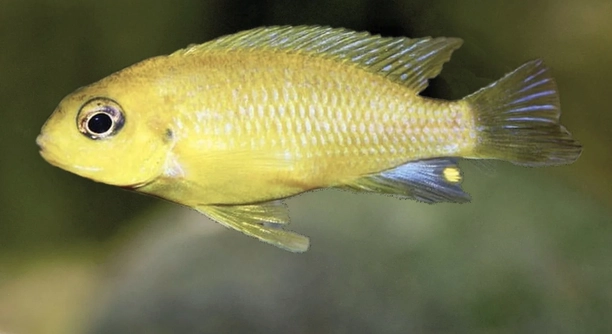
Electric Yellow Cichlids are a favorite among aquarium enthusiasts for their bright color and lively behavior. Many fish keepers notice these cichlids often staying near the top of the tank, observing their surroundings carefully.
Electric Yellow Cichlids hover near the top primarily to access oxygen-rich water and monitor their environment. Their natural instincts drive them to remain near the surface where food is more available and potential threats can be easily detected.
Learning why these fish behave this way can improve tank management and ensure their health. Observing their habits closely provides insight into their natural preferences and comfort zones.
Understanding Oxygen Levels
Electric Yellow Cichlids often stay near the top of the tank because this area has higher oxygen content. Water circulation can vary in aquariums, leaving lower areas less oxygenated. Fish instinctively move to spots where they can breathe comfortably. When oxygen levels drop, cichlids become restless and may even gasp near the surface. Keeping the tank properly aerated with filters, pumps, or air stones ensures consistent oxygen throughout. Observing your fish’s position can reveal if the water quality is adequate. Temperature also plays a role, as warmer water holds less oxygen, prompting fish to seek higher zones. Proper maintenance, including water changes and monitoring dissolved oxygen, keeps the tank healthy. Watching their behavior regularly helps detect potential stress before it becomes harmful. Adjusting equipment or environment can resolve issues without drastic changes. Being mindful of these factors ensures Electric Yellow Cichlids remain active, healthy, and comfortable in their habitat.
Maintaining good water quality is essential to prevent oxygen-related stress.
Regular checks of temperature and filtration prevent fish from lingering at the surface due to low oxygen. Proper monitoring creates a stable and safe tank environment, promoting long-term health for your cichlids.
Feeding Habits and Surface Behavior
Electric Yellow Cichlids are naturally attracted to food at the water’s surface. They associate the top area with feeding times and will often hover there in anticipation. This behavior can appear excessive if feeding is irregular or if floating food remains in the tank for long periods. In captivity, their instincts remain strong, making surface activity a common sight. Providing balanced feeding schedules and the right type of food reduces stress and aggressive competition. Overfeeding or scattered food can encourage prolonged surface dwelling, which may cause other issues such as water quality decline. Understanding these patterns helps you create a comfortable routine for your fish. Floating pellets or flakes mimic natural feeding behavior, keeping the cichlids engaged. Observing how they interact with food also offers insight into their social hierarchy and dominance. With consistent care, surface behavior remains natural without impacting overall health.
Feeding practices strongly influence how often cichlids hover at the surface.
Balancing feeding schedules and using suitable food types can reduce excessive surface behavior. Avoid leaving food floating for long periods. Maintaining consistent feeding times helps cichlids develop a stable routine, preventing stress and potential health problems. Observing their reaction to food ensures the environment remains comfortable. This awareness allows you to adjust quantities and frequency according to the fish’s needs. Over time, proper feeding strengthens their immunity and promotes natural activity patterns throughout the tank. Implementing these small adjustments creates a more harmonious environment. Healthy fish are more likely to explore different areas, reducing surface crowding. Monitoring their response ensures adjustments remain effective, supporting long-term vitality and well-being.
Tank Size and Swimming Space
Electric Yellow Cichlids often stay near the top when the tank feels crowded or lacks vertical space. Limited swimming areas make them prefer open zones, usually near the surface. Adjusting tank size can help balance their activity.
A tank that is too small restricts movement, causing cichlids to hover near the top more frequently. They need room to swim vertically and explore different levels. Overcrowding also increases stress, leading to more surface activity as they compete for space. Adding decorations and hiding spots can encourage movement across the tank. Ensuring at least 30 gallons for a small group helps maintain proper swimming behavior. A taller tank provides layers for different activities, reducing constant surface dwelling. Observing their interaction with space helps identify whether tank size contributes to this behavior. Adjustments in layout or stocking density often resolve these patterns. Providing adequate room supports both their physical health and natural instincts, promoting calmer behavior.
Decorative elements and hiding spots help cichlids feel secure and reduce surface hovering. Adding vertical plants or rocks encourages exploration and swimming at multiple levels.
Light and Environmental Comfort
Bright lighting or sudden changes can make Electric Yellow Cichlids seek the top to monitor surroundings. Soft, consistent light helps them feel secure while minimizing stress. Adjusting the lighting schedule promotes natural behavior.
Cichlids are sensitive to environmental changes, and lighting plays a key role in their comfort. Too bright or fluctuating light can push them toward the surface as a safety instinct. Gradual light transitions, combined with shaded areas or floating plants, create a more stable environment. Maintaining a consistent day-night cycle helps regulate their activity and reduces anxiety. Watching how your fish react to lighting adjustments provides insight into their comfort levels. Small changes, such as dimming lights or adding cover, can significantly affect behavior. A well-planned environment encourages balanced swimming patterns, allowing them to explore all areas of the tank rather than lingering at the surface. Ensuring comfort through lighting and tank arrangement supports healthier, calmer cichlids and enhances their overall well-being.
Social Behavior and Hierarchy
Electric Yellow Cichlids often hover near the top to assert dominance or monitor other fish. Surface areas become a strategic position for observing peers and establishing hierarchy within the tank. This behavior reflects natural instincts in their social structure.
You may notice some cichlids staying higher than others consistently. Dominant fish often claim prime positions, while subordinate fish avoid confrontation by staying lower. Recognizing these patterns helps manage aggression and maintain balance among tank mates.
Water Temperature Influence
Temperature affects cichlids’ metabolism and activity level, with warmer water encouraging them to stay near the surface where oxygen is more available. Sudden changes in temperature can make them restless or lethargic. Maintaining a stable, appropriate temperature range supports normal behavior and reduces stress.
Monitoring and Adjusting Behavior
Keeping an eye on surface activity helps identify if hovering is due to stress, diet, or environment. Adjustments in tank setup, feeding, or aeration can encourage balanced swimming patterns and improve overall fish health.
FAQ
Why do Electric Yellow Cichlids stay at the top of the tank most of the time?
They stay near the top primarily to access oxygen-rich water and keep an eye on their surroundings. Surface water has higher oxygen content, which is essential for their comfort and energy. They also naturally associate the top area with food availability and safety from potential threats.
Is it a sign of illness if my cichlids hover at the surface?
Not always. While hovering can indicate stress or illness, it is often normal behavior related to oxygen levels, temperature, or feeding habits. Signs of illness may include rapid gill movement, loss of color, or lethargy. Observing behavior alongside physical health helps determine if there’s a problem.
How can I encourage my cichlids to explore other areas of the tank?
Providing vertical swimming space, decorations, and hiding spots encourages them to move around. Taller tanks with rocks, plants, or ledges give them comfort and variety. Adjusting water flow and temperature gradually can also make lower and middle areas more appealing.
Does feeding affect how often they stay near the surface?
Yes, cichlids associate the top with food. Irregular feeding schedules or leaving floating food for long periods encourages prolonged surface hovering. Using sinking food or spacing feeding times evenly can reduce excessive top activity while keeping them well-nourished.
Can tank size impact their surface behavior?
Absolutely. Smaller tanks restrict swimming space, leading cichlids to stay near the top more often. Overcrowding increases stress and competition, prompting surface dwelling. Providing adequate tank size, vertical height, and thoughtful arrangement helps them spread out and reduces constant hovering.
How does water temperature influence their behavior?
Temperature affects metabolism and oxygen demand. Warmer water holds less oxygen, which encourages cichlids to stay near the surface. Sudden temperature changes can cause restlessness or stress. Maintaining a stable temperature within their comfort range supports natural swimming and surface behavior.
Are lighting conditions important for their comfort?
Yes, lighting impacts their sense of security. Bright or fluctuating light can make cichlids hover near the surface to observe surroundings. Soft, consistent lighting with shaded areas or floating plants helps them feel safe and encourages balanced activity throughout the tank.
Does their social hierarchy influence hovering behavior?
Yes, dominant fish often claim higher positions to monitor tank mates. Subordinate fish may stay lower to avoid confrontation. Understanding these dynamics allows you to manage aggression, provide adequate hiding spaces, and reduce tension among fish.
What role does oxygenation play in surface behavior?
Oxygen levels are crucial. Poorly aerated water pushes cichlids toward the surface to breathe comfortably. Ensuring proper filtration, circulation, and aeration keeps oxygen distributed evenly, encouraging natural movement across all tank levels and preventing constant surface dwelling.
How do I know if my cichlids’ behavior is normal or problematic?
Normal surface hovering is intermittent and linked to feeding, oxygen, or curiosity. Problematic behavior includes constant gasping, rapid gill movement, or lethargy. Monitoring water parameters, observing feeding patterns, and noting changes in activity help determine if intervention is needed.
Can rearranging the tank reduce top-hovering behavior?
Yes, adding decorations, plants, and vertical structures encourages exploration of lower and middle areas. Creating shaded or secluded spots reduces stress and gives cichlids confidence to swim throughout the tank rather than staying near the surface.
Is frequent surface hovering a sign of stress?
Sometimes. Stress from overcrowding, poor water quality, or sudden environmental changes can lead to surface activity. Addressing water conditions, tank size, and social dynamics usually alleviates this behavior. Regular observation helps identify triggers early and maintain a comfortable habitat.
How often should I check water conditions to prevent surface hovering?
Checking temperature, oxygen, pH, and ammonia levels at least weekly is recommended. Consistent monitoring allows early adjustments, ensuring cichlids remain healthy and comfortable. Stable water conditions directly reduce excessive surface hovering and support normal activity patterns.
Do different cichlid personalities affect surface behavior?
Yes, individual temperament plays a role. Some cichlids are naturally more cautious or dominant, leading them to favor surface positions. Observing each fish’s pattern helps you understand their behavior and adjust tank layout, feeding, and social interactions accordingly.
Can I prevent surface hovering completely?
No, it is a natural behavior tied to oxygen, feeding, and instincts. However, providing proper tank size, decorations, aeration, and stable conditions minimizes excessive hovering and encourages balanced movement throughout the aquarium.
What other signs should I watch for alongside surface hovering?
Look for changes in appetite, color, gill movement, and activity levels. Combining behavioral observation with water quality checks gives a complete picture of health. Promptly addressing any irregularities keeps cichlids thriving and reduces stress-related behaviors.
How long does it take for adjustments to affect hovering behavior?
Changes in tank setup, feeding, or aeration may show results in a few days to a couple of weeks. Consistency is key, and gradual adjustments prevent additional stress. Monitoring daily helps ensure interventions are effective and well-received by your cichlids.
Are there signs that hovering is temporary or seasonal?
Yes, some behaviors fluctuate with temperature changes, breeding cycles, or feeding routines. Occasional surface activity is normal, especially during warmer months or after feeding. Long-term, consistent hovering is more likely linked to environmental or health issues that need attention.
Do plants or floating decorations help reduce surface dwelling?
Yes, they provide shade and comfort, encouraging fish to explore other areas. Floating plants mimic natural habitats, offering shelter while keeping the tank visually appealing. They create layers and break up open surface areas, making lower levels more inviting.
Can introducing new tank mates affect hovering behavior?
Yes, new fish can disrupt social hierarchy, causing some cichlids to stay near the top to monitor interactions. Gradual introductions, proper space, and observation reduce stress and allow dominant and subordinate fish to establish a balanced social order.
What is the most effective way to balance surface and bottom activity?
Ensuring adequate tank size, proper aeration, balanced feeding, stable temperature, and thoughtful decorations encourages even distribution. Observing fish behavior regularly allows fine-tuning adjustments. A comfortable, stimulating environment supports healthy, natural activity patterns across all levels of the tank.
Electric Yellow Cichlids are lively fish with distinct habits that reflect their natural instincts. One of the most noticeable behaviors is hovering near the top of the tank. While it can seem unusual or worrying at first, this behavior is often a normal response to the environment. Surface areas of the tank provide higher oxygen levels, easy access to food, and a good vantage point to observe other fish. By understanding this behavior, you can better cater to the needs of your cichlids and create a comfortable, healthy tank environment. Watching their habits carefully can also help you identify early signs of stress or health concerns before they become serious.
Several factors influence why these cichlids spend time near the surface, including water quality, tank size, feeding routines, and social dynamics. Proper aeration and filtration ensure oxygen is evenly distributed throughout the tank, reducing the need for fish to stay at the top constantly. Temperature control is equally important, as warmer water holds less oxygen and may encourage surface activity. Tank decorations, plants, and hiding spots can encourage exploration of the middle and lower levels. Balanced feeding schedules and the right type of food prevent prolonged surface dwelling. Observing their social hierarchy also provides insight into behavior, as dominant fish often claim higher positions while others avoid confrontation. Addressing these environmental and social factors can significantly reduce stress and create a more natural swimming pattern for your cichlids.
Monitoring and adjusting your tank setup is an ongoing process that benefits both the fish and your experience as a caretaker. Small changes, such as rearranging decorations, adjusting lighting, or improving aeration, can have a noticeable impact on behavior. Understanding that hovering near the top is often a natural, instinct-driven action helps you approach it calmly rather than assuming there is an immediate problem. By keeping water parameters stable, providing adequate space, and maintaining a consistent routine, you allow your Electric Yellow Cichlids to thrive. Observing their behavior over time and making small, thoughtful adjustments creates a harmonious environment. Ultimately, paying attention to these details ensures the fish are healthy, comfortable, and active throughout all levels of the tank, making your aquarium both enjoyable to watch and well-maintained.

Hello,
If you enjoy the content that we create, please consider saying a "Thank You!" by leaving a tip.
Every little bit helps us continue crafting quality advice that supports the health, happiness, and well-being of pets around the world, for pets of all shapes, sizes, and species.
We really appreciate the kindness and support that you show us!