
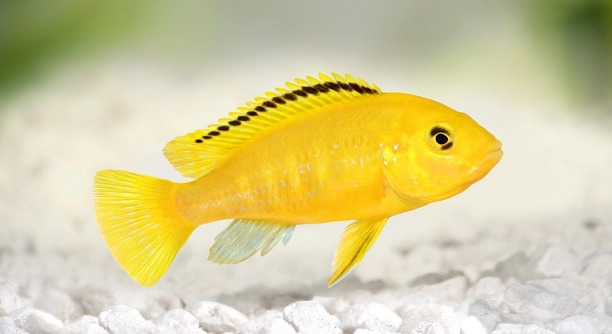
Cichlids are vibrant and fascinating fish that many hobbyists enjoy keeping at home. However, their lively nature and territorial behavior can sometimes put them at risk in standard aquarium setups, creating a need for safety improvements.
There are several practical tank modifications that can significantly enhance cichlid safety. Adding hiding spaces, securing decorations, adjusting water flow, using proper substrates, and maintaining stable water conditions all contribute to reducing stress and preventing injuries or aggressive encounters among fish.
Implementing these changes can make a noticeable difference in your cichlids’ well-being and overall tank harmony. Careful adjustments create a safer, more comfortable environment for these beautiful fish.
Add Plenty of Hiding Spaces
Cichlids feel more secure when they have places to hide. Rocks, caves, and driftwood create natural barriers where fish can rest or escape during aggressive encounters. Providing multiple hiding spots reduces stress and helps prevent injuries. Even small fish benefit from narrow crevices that mimic their natural environment. Plants can also serve as hiding areas, but they must be sturdy enough to withstand digging and movement. Overcrowding a tank can overwhelm these spaces, so it’s essential to maintain proper fish density. Observing your cichlids’ behavior will help you decide if additional shelters are needed. Different species have different territorial needs, so consider their natural habits when placing hides. Arranging these spaces thoughtfully also promotes exploration and mental stimulation, which keeps the fish active and healthy. Regularly inspecting caves and decorations ensures no sharp edges develop that could harm the fish.
Hiding spaces not only reduce stress but also encourage natural behaviors and prevent conflicts, making your tank safer for all cichlids.
Adding secure shelters also helps reduce aggression in multi-species tanks. By giving each fish a personal area, you can manage dominance issues and create a more balanced environment. Fish will often retreat voluntarily rather than engage in fights, lowering the risk of injuries.
Use Safe and Stable Decorations
Avoid decorations with sharp edges or unstable stacking, as these can easily tip over and injure fish. Even minor accidents can lead to fin damage or stress-related health problems. Smooth rocks, securely glued driftwood, and aquarium-safe ornaments provide a safer environment. Test any setup before adding fish to ensure stability. Heavy or large items should be anchored, especially in tanks with active or digging cichlids. Decorations can also influence water flow and filtration efficiency, so balance aesthetic choices with practical safety. Regularly checking and adjusting decorations prevents accidents over time. Small adjustments, like repositioning objects or reinforcing structures, maintain a stable habitat as fish grow or move things around. Observing how fish interact with their environment helps identify potential risks early, keeping injuries and stress minimal.
Stable and well-placed decorations encourage exploration while preventing accidental harm, contributing to a calm and safe tank environment where cichlids can thrive without unnecessary stress or injury.
Adjust Water Flow
Strong water currents can stress cichlids and make it harder for them to navigate the tank. Using a filter with adjustable flow or adding flow deflectors helps create calmer areas where fish can rest and swim comfortably.
Calmer water zones reduce fatigue and aggression, allowing cichlids to maintain normal behaviors. Fish that are constantly fighting against strong currents may become more irritable and prone to injuries. Adjusting flow also ensures proper oxygenation and circulation without creating overly turbulent conditions. Positioning decorations and plants strategically can further break the flow, giving each fish a safe space to retreat. Observing how fish respond to different flow settings helps optimize comfort and safety in the tank.
Excessive flow can also disturb substrate and plants, causing debris to float and potentially harm sensitive fish. By fine-tuning water movement, you protect both the cichlids and their environment. Calmer currents reduce stress, allow for better feeding, and make the aquarium more predictable and manageable for daily care. Regular adjustments ensure the flow remains suitable as fish grow or rearrange decorations.
Use Proper Substrates
Sharp or coarse gravel can injure cichlids as they dig and explore the tank bottom. Fine sand or smooth pebbles prevent cuts and abrasions.
Soft, safe substrates support natural behaviors like digging, foraging, and nesting without causing harm. Choosing the right substrate also impacts water quality and plant growth.
Substrate depth matters for digging species; a few inches of soft sand allow burrowing without exposing sharp objects underneath. Avoid materials that can alter water chemistry or release harmful substances over time. Layering substrates or mixing textures carefully can satisfy multiple species’ needs while maintaining a safe environment. Monitoring how cichlids interact with the substrate helps ensure no injuries occur, and periodic cleaning prevents buildup that could stress fish. By prioritizing both safety and functionality, your substrate can enhance the tank’s overall health and appearance.
Maintain Stable Water Temperature
Sudden temperature changes can stress cichlids, making them more susceptible to disease. Using a reliable heater and thermometer ensures consistent water conditions, which supports their immune system and overall health.
Stable temperatures also reduce aggressive behavior and prevent erratic swimming. Fish feel more secure in predictable conditions, which lowers stress and promotes normal activity levels.
Monitor Water Quality
Regular testing for ammonia, nitrites, nitrates, and pH is essential. Keeping these parameters within safe ranges prevents illness and stress in cichlids. Consistent water changes and proper filtration help maintain a clean and balanced environment, reducing the likelihood of health problems and supporting long-term tank stability.
Avoid Overcrowding
Too many fish in a tank increases stress, aggression, and the risk of injury. Maintaining proper stocking levels allows each cichlid enough space to swim, hide, and establish territories, creating a safer and more harmonious environment for all inhabitants.
FAQ
What type of hiding spaces work best for cichlids?
Rocks, caves, and driftwood are the most effective hiding spots. Ensure they are stable and free from sharp edges. Sturdy plants can also provide cover, especially for smaller or more timid species. Multiple hiding options reduce stress and aggressive encounters.
How often should I adjust the water flow?
Check water movement regularly, especially after rearranging decorations or adding fish. Adjust flow so fish have calm zones to rest while still maintaining proper circulation and oxygenation. Flow can be fine-tuned using filters or deflectors.
Can decorations cause injuries even if they look safe?
Yes, unstable or poorly anchored decorations may topple, causing harm. Sharp edges, broken surfaces, or rough textures can injure fins or scales. Inspect and secure all items, and test stability before introducing fish.
What substrate is safest for digging cichlids?
Fine sand or smooth pebbles are ideal. Coarse gravel or sharp stones can cause cuts or abrasions. Substrate depth should allow natural digging without exposing hazardous layers underneath. Avoid substrates that alter water chemistry.
How do I prevent temperature fluctuations?
Use a reliable aquarium heater and thermometer. Avoid placing the tank near drafts, windows, or heating vents. Sudden temperature shifts stress fish and can make them prone to disease.
How frequently should I test water quality?
Weekly testing for ammonia, nitrites, nitrates, and pH is recommended. Consistent checks help catch imbalances early, allowing adjustments through partial water changes or filtration maintenance to maintain a healthy environment.
What are signs of stress from poor tank conditions?
Common indicators include hiding excessively, fin clamping, erratic swimming, reduced appetite, and increased aggression. Regular observation allows early detection and correction of issues.
How do I avoid overcrowding my tank?
Follow recommended stocking guidelines for each species. Provide enough space for swimming, hiding, and establishing territories. Overcrowding increases stress, aggression, and susceptibility to disease.
Can water flow affect aggression in cichlids?
Yes, strong currents can stress fish and increase irritability. Gentle, adjustable flow supports calmer behavior while maintaining proper oxygenation. Properly positioned decorations can also break up currents to create safe zones.
Are all cichlid species territorial?
Most are territorial to some degree, but intensity varies. Providing hiding spots, proper spacing, and visual barriers can reduce conflicts, especially in community or multi-species tanks. Observing fish behavior helps tailor tank setup for each species’ needs.
How often should I clean decorations and substrate?
Regular maintenance prevents waste buildup, which can stress fish and promote disease. Clean decorations and vacuum substrate periodically, taking care not to disturb hiding spots excessively. Proper cleaning supports a balanced, healthy tank environment.
Is it necessary to mix different substrates?
Mixing can work if it meets multiple species’ needs, but avoid combining sharp and soft materials. Layering fine sand with small smooth pebbles can provide aesthetic appeal while keeping the environment safe for digging and foraging behaviors.
How can I safely introduce new fish?
Quarantine new arrivals for at least two weeks. Acclimate them gradually to the tank’s water parameters. This reduces stress and prevents spreading disease to established fish. Proper introduction minimizes territorial conflicts.
Do live plants improve safety for cichlids?
Yes, strong, well-anchored plants provide hiding areas and reduce stress. Some species may dig or uproot plants, so choose hardy varieties or use artificial plants where needed. Plants also help maintain water quality and oxygen levels.
How do I handle aggression without moving fish?
Rearranging decorations, adding more hiding spots, and adjusting tank flow can reduce aggressive interactions. Temporary barriers or visual breaks can give dominant fish fewer opportunities to chase others, promoting harmony while keeping fish in their current tank.
Can I keep multiple cichlid species together safely?
Yes, with careful planning. Consider species size, temperament, and territorial needs. Provide enough space, hiding spots, and visual barriers to minimize stress and aggression. Observe interactions closely and adjust as needed to maintain safety.
How important is tank size for cichlid safety?
Tank size directly affects behavior and aggression. Larger tanks provide more space for territories and reduce conflicts. Small tanks often increase stress and risk of injury. Always match tank size to the number and type of cichlids.
What should I do if a fish is injured?
Isolate the injured fish if possible to prevent further harm. Treat wounds with appropriate aquarium-safe remedies and monitor for infection. Ensure water quality remains optimal to support healing. Preventing injuries is always better than treating them afterward.
Are there signs of compatible tank mates for cichlids?
Compatible fish are those that tolerate similar water parameters, size, and temperament. They show minimal aggression, can share hiding spots, and adapt well to the tank environment. Observing behavior over time ensures long-term safety and harmony.
How can I reduce stress during tank maintenance?
Perform gradual water changes, avoid sudden rearrangements, and limit handling. Keeping a calm environment and maintaining stable parameters helps cichlids feel secure, reducing stress and minimizing aggressive or erratic behaviors.
This FAQ covers practical steps and insights to make cichlid tanks safer and more comfortable, addressing common challenges and improving daily care.
Caring for cichlids can be a rewarding experience, but it requires attention to their unique needs. These fish are naturally active, curious, and territorial, which means their tank environment plays a big role in their health and safety. A well-set-up tank reduces stress, prevents injuries, and encourages natural behaviors. Simple changes like adding hiding spots, choosing safe decorations, and using proper substrates can have a noticeable impact on your cichlids’ comfort. Consistent water quality, stable temperatures, and careful observation of interactions are also key factors. When all of these elements are in place, your fish are more likely to thrive and display their natural colors and behaviors without unnecessary stress.
It is important to remember that even small details matter in maintaining a safe cichlid tank. Overcrowding, strong currents, and sharp or unstable decorations can all create problems that might not be obvious at first. Regular monitoring and adjustments help prevent accidents before they happen. Providing enough space for each fish to establish its territory and retreat when necessary reduces aggressive encounters and keeps the tank environment peaceful. Simple maintenance routines, such as cleaning the substrate, checking water parameters, and inspecting decorations, help sustain a stable environment and prevent potential health issues. Observing your cichlids daily allows you to notice any changes in behavior or appearance that may indicate stress or illness, so you can take corrective steps quickly.
Finally, creating a safe and comfortable environment for cichlids is an ongoing process that benefits both the fish and the caretaker. Each species has specific requirements, so understanding their natural habits and adjusting the tank accordingly ensures long-term success. Small, thoughtful modifications, combined with regular maintenance and observation, make a significant difference in the overall well-being of your fish. Cichlids respond positively to a balanced environment, showing natural behaviors, vibrant colors, and healthier interactions. With careful planning and attention, you can enjoy a harmonious tank where your cichlids thrive, and your efforts result in a stable, visually appealing aquarium that reflects the care and consideration you put into their habitat.

Hello,
If you enjoy the content that we create, please consider saying a "Thank You!" by leaving a tip.
Every little bit helps us continue crafting quality advice that supports the health, happiness, and well-being of pets around the world, for pets of all shapes, sizes, and species.
We really appreciate the kindness and support that you show us!