
Do you ever notice subtle changes in your aquatic environment and wonder what they might mean for the creatures living there? Observing clear water can reveal more than cleanliness—it can hint at reproductive behaviors. Small movements, colors, and patterns often carry important messages about aquatic life cycles and readiness.
Seven reproductive signals are commonly observed in clear water: changes in coloration, fin displays, increased activity, territory marking, pairing behaviors, egg-laying preparations, and courtship movements. Each signal provides insights into the reproductive status and health of aquatic organisms.
Understanding these signals can help you monitor aquatic life more effectively and support their well-being in controlled or natural habitats. Observing them can reveal much about their reproductive cycles.
Color Changes in Aquatic Life
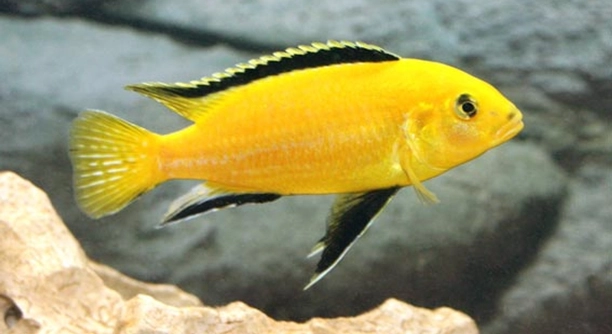
In clear water, one of the most noticeable reproductive signals is a change in coloration. Fish and amphibians often display brighter or more vivid colors when preparing to mate. These shifts can occur in specific body parts, like fins, tails, or patches along the sides. For example, males may intensify their colors to attract females or signal dominance. This change is driven by hormonal shifts and environmental cues, often coinciding with breeding seasons. Observing these color changes can help identify which individuals are ready to reproduce. Additionally, these signals are not limited to external appearance. Some species exhibit subtle changes in patterns or markings that indicate reproductive readiness. These signals are reliable indicators, especially when paired with other behavioral cues such as increased activity or territory defense. By noting these changes, caretakers and observers can better understand the reproductive cycles of the species under their care. Clear water provides an ideal environment for spotting these details accurately.
Color shifts often serve as the first visible indicator of mating readiness and can guide observations without interference.
Noticing and recording these changes over time can help track breeding patterns and timing. Regular monitoring in a controlled or natural habitat can provide insights into population dynamics and reproductive success. This information is particularly useful for maintaining healthy breeding conditions and preventing stress-related issues. Observers may also detect subtle color changes that occur only under specific lighting or water conditions, emphasizing the importance of consistent monitoring. Some species may show temporary color changes that last only a few hours or days, reflecting hormonal surges. Understanding these nuances allows for more precise management of aquatic life. Observing multiple individuals can reveal patterns in social hierarchy or pair bonding. Over time, documenting these changes builds a clearer picture of reproductive behaviors and environmental influences. Color changes, when combined with other signals, create a comprehensive understanding of aquatic reproductive health.
Fin Displays and Movement Patterns
Fin displays are another strong reproductive signal seen in clear water.
Males often flare or extend fins to showcase strength and attract potential mates. These movements may be paired with body vibrations or short swimming patterns designed to draw attention. In some species, females respond with similar displays, signaling readiness. Observing these patterns in detail can indicate pairing preferences or dominance hierarchies within a group. Fin movements also serve as visual communication between individuals, reducing the need for physical confrontation. In species with elaborate fins, slight changes in angle or frequency can indicate different stages of courtship. Careful observation helps distinguish reproductive signals from general swimming or stress behaviors. Timing is crucial, as displays often peak during optimal breeding periods. In aquariums or controlled habitats, providing sufficient space enhances natural fin displays and reduces stress. Understanding these behaviors allows for better care and supports successful mating outcomes. Recognizing the link between fin displays, coloration, and environmental conditions provides a full picture of reproductive activity.
Increased Activity
Reproductive readiness often coincides with increased activity in aquatic species. Fish and amphibians may swim more frequently, explore territories, or chase other individuals. This heightened energy signals preparation for mating and can be a reliable behavioral cue for observers.
During breeding periods, individuals show noticeable changes in daily routines. Males may patrol territories more actively, while females move to preferred spawning areas. Increased activity can include faster swimming, sudden bursts, or repetitive patterns that seem purposeful. These behaviors are directly linked to hormonal changes and environmental triggers. Monitoring these activity levels can provide insight into optimal breeding timing and help maintain suitable conditions in captivity. Observing these patterns helps distinguish normal activity from stress-induced movement, which is often erratic and less coordinated.
Heightened activity is often accompanied by subtle social interactions, such as nudging, chasing, or following specific partners. These behaviors reinforce pair bonding, establish dominance hierarchies, and indicate reproductive interest. Recognizing these patterns allows for proactive adjustments in habitat or care, ensuring that conditions support natural mating behaviors. Over time, tracking activity trends can reveal consistent cycles, helping predict peak reproductive periods and manage multiple individuals effectively.
Territory Marking
Territory marking is a common signal of reproductive readiness in many aquatic species.
Males often claim and defend specific areas to attract females and deter rivals. These territories may include hiding spots, substrate preferences, or visual markers. Observing how individuals interact with their chosen spaces can indicate readiness to mate. Defending a territory involves chasing intruders, flaring fins, and repeated movements that reinforce boundaries. These behaviors are not aggressive without purpose—they serve as signals of fitness and suitability to potential mates. In some species, territory size and location can directly influence mating success, as females prefer well-maintained or strategically positioned areas.
Territory marking also involves subtle environmental manipulation, like moving pebbles, rearranging plants, or preparing spawning surfaces. Such actions indicate preparation for egg-laying or courtship rituals. Males may patrol boundaries frequently, adjusting behavior based on rivals’ presence or female attention. Females often assess these territories before selecting a mate, observing both the quality of the area and the male’s ability to defend it. Understanding these behaviors allows for better habitat management, ensuring enough space and resources to minimize conflict and encourage natural reproductive behavior. Monitoring these patterns provides insight into reproductive cycles and helps predict successful mating opportunities within a population.
Pairing Behaviors
Pairing behaviors are often observed when aquatic species form temporary bonds during breeding. Fish or amphibians may swim together, follow one another, or synchronize movements, indicating mutual interest and readiness to reproduce. These behaviors strengthen social bonds and prepare individuals for mating.
Such behaviors can include gentle nudges, matching swimming speeds, or staying close while exploring territory. Pairing helps establish compatibility and signals reproductive intent, ensuring both individuals are ready before actual mating occurs. Observing these interactions can reveal which pairs are likely to succeed in reproduction and which may need more time.
Egg-Laying Preparations
Egg-laying preparations involve actions such as cleaning or selecting substrates, digging shallow pits, or arranging plants and surfaces for spawning. These behaviors signal readiness for reproduction and are essential for successful fertilization. Observing these actions helps predict imminent egg-laying events and allows timely monitoring.
Courtship Movements
Courtship movements are specific displays performed to attract mates. These include rapid swimming, body vibrations, fin fluttering, or other species-specific gestures that signal interest. Recognizing these movements provides a clear indication of reproductive readiness and can help track breeding activity efficiently.
FAQ
What are the most common reproductive signals in clear water?
The most common reproductive signals include changes in coloration, fin displays, increased activity, territory marking, pairing behaviors, egg-laying preparations, and courtship movements. Each signal provides insight into which individuals are ready to mate and helps predict upcoming reproductive events.
How can I tell if a fish is ready to breed?
Fish readiness is indicated by brighter or intensified colors, extended fins, and increased movement. Males may guard territories, chase rivals, or perform courtship displays, while females often prepare egg-laying sites and engage in synchronized swimming with potential mates. Observing these behaviors over time gives a clear picture of breeding readiness.
Do all species show the same reproductive behaviors?
No, behaviors vary by species. Some rely heavily on color changes, while others depend on movement patterns or territory defense. Understanding the specific reproductive signals of each species ensures accurate monitoring and reduces misinterpretation of normal activity as reproductive behavior.
Can environmental factors influence reproductive signals?
Yes, light, temperature, water quality, and habitat structure all affect reproductive readiness. Clear water allows better visibility of subtle signals, while stress or poor conditions can suppress mating behaviors. Maintaining stable conditions enhances natural reproductive displays and supports successful breeding.
How long do these reproductive signals last?
Duration varies. Some signals, like fin displays or courtship movements, may last hours or days. Color changes may persist longer throughout breeding seasons. Monitoring patterns consistently helps identify the peak reproductive period for each individual.
Is increased activity always a sign of reproduction?
Not always. Stress, hunger, or environmental changes can cause heightened activity. True reproductive activity is often purposeful, coordinated with other signals like pairing, territory defense, or courtship movements. Observing multiple behaviors together provides a more accurate assessment.
Can females show reproductive signals too?
Yes, females often exhibit pairing behaviors, select egg-laying sites, and synchronize movements with males. They may also change coloration subtly to signal readiness. Female signals are usually less pronounced but are critical for successful mating and fertilization.
What should I observe first to detect reproductive readiness?
Start with color changes and increased activity, as these are often the earliest signals. Then watch for fin displays, territory marking, and pairing behaviors. These cues together create a reliable picture of reproductive status and help guide timing for monitoring or intervention.
Are these signals useful in both aquariums and natural habitats?
Absolutely. In aquariums, signals help manage breeding and reduce stress, while in natural habitats, they provide insight into population dynamics and reproductive success. Observing signals in both settings contributes to better care and conservation efforts.
How can I differentiate between aggressive and reproductive behaviors?
Aggression is often unpredictable and defensive, while reproductive behavior is purposeful, coordinated, and often accompanied by specific signals like fin displays, color changes, or pairing. Observing patterns over time helps distinguish between stress-related aggression and mating behaviors.
Can monitoring these signals improve breeding success?
Yes, careful observation allows timely intervention, optimal pairing, and improved habitat conditions. Recognizing subtle cues ensures individuals are ready, supports healthy reproduction, and increases the likelihood of successful mating outcomes.
What tools can help track reproductive signals?
Regular observation, note-taking, and photography or video recording help track subtle changes over time. Consistent monitoring allows for comparison between individuals and identification of peak reproductive periods, improving management decisions in both controlled and natural environments.
Is it normal for some individuals to show no signals?
Yes, not all individuals are always ready or capable of reproduction. Age, health, stress, and environmental factors can delay or suppress reproductive signals. Monitoring over time helps identify when individuals are ready and ensures that non-reproductive behavior is not mistaken for health issues.
How often should I monitor reproductive signals?
Daily observation is ideal during breeding seasons, especially in species with short or unpredictable reproductive periods. Regular monitoring ensures signals are accurately noted and allows timely intervention for optimal breeding conditions.
Do these signals indicate fertility or just readiness?
Most signals indicate readiness rather than guaranteed fertility. While behaviors suggest reproductive intent, actual fertility depends on health, age, and environmental factors. Observing signals helps predict mating opportunities but does not confirm successful reproduction on its own.
Can juvenile individuals show reproductive signals?
Typically, juveniles display limited or no reproductive signals. Reproductive behaviors emerge as individuals reach sexual maturity, which varies by species. Recognizing the difference between immature activity and true reproductive behavior prevents misinterpretation and unnecessary intervention.
Are courtship movements always visible in clear water?
Clear water improves visibility, but some subtle gestures may still be difficult to see. Careful attention to repeated patterns, synchronized movements, or fin fluttering increases the likelihood of detecting these signals and understanding reproductive intentions.
Do males and females show these signals simultaneously?
Not always. Males often display first through color changes, fin displays, or territory marking, while females respond with pairing behaviors or egg-laying preparations. Observing both sexes together provides a complete picture of reproductive readiness.
Can reproductive signals indicate overall health?
Yes, consistent and strong reproductive signals often reflect good health, proper diet, and stable environmental conditions. Weak or absent signals may suggest stress, poor nutrition, or illness, signaling the need for assessment and adjustment in care practices.
How do I record and interpret these observations effectively?
Maintain a daily log noting color changes, activity levels, fin movements, and interactions. Compare observations across individuals and over time to identify patterns. Consistent documentation ensures accurate interpretation, improves reproductive predictions, and supports proper care management.
Are these signals species-specific or universal?
While the general categories—coloration, movement, territory, pairing, egg-laying, and courtship—are common, the specific expression and intensity vary widely by species. Learning the unique signals of each species ensures accurate monitoring and prevents misinterpretation.
How important is patience in observing reproductive signals?
Extremely important. Many signals are subtle and may appear sporadically. Patience allows for careful monitoring, accurate identification, and improved understanding of individual and species reproductive behaviors, leading to better outcomes.
What role does water clarity play in detecting signals?
Clear water enhances visibility, making subtle behaviors like fin fluttering, color shifts, and pairing movements easier to see. Maintaining good water quality ensures accurate observation and reduces stress, supporting natural reproductive activity.
Can these signals change under stress?
Yes, stress from overcrowding, poor water quality, or frequent disturbance can suppress or alter reproductive behaviors. Stable, low-stress conditions encourage natural signals and increase the likelihood of successful reproduction.
Are there signs that indicate imminent egg-laying?
Yes, egg-laying is often preceded by substrate cleaning, shallow pit digging, plant arrangement, and pairing with a selected mate. Observing these actions allows timely preparation and monitoring for spawning events.
Do all reproductive signals require direct observation?
Not all. Some, like territory marking or substrate preparation, can be inferred through indirect signs such as displaced plants or arranged surfaces. Combining direct observation with environmental cues provides a complete understanding of reproductive behavior.
How can understanding these signals improve care practices?
Recognizing reproductive behaviors allows adjustments in habitat, diet, and population management to support natural breeding. Observing signals ensures timely intervention, reduces stress, and increases success rates, enhancing overall well-being of aquatic species.
What is the best way to start monitoring reproductive signals?
Begin with consistent, daily observation of color changes, activity patterns, and fin movements. Document interactions, territory use, and courtship behaviors. Over time, patterns will emerge, helping predict reproductive events and improve care practices efficiently.
Can environmental enrichment influence these behaviors?
Yes, providing hiding spaces, plants, and appropriate substrates encourages natural displays, courtship, and egg-laying preparation. Enrichment supports overall well-being and enhances the likelihood of observing reproductive signals clearly and accurately.
How do I handle individuals showing aggressive reproductive behavior?
Observe carefully and ensure sufficient space to prevent injury. Aggression during reproduction is often part of natural competition, but overcrowding or limited territory can exacerbate conflicts. Proper habitat design helps balance reproductive behavior with safety and stress reduction.
Are there tools or technology that help track these signals more effectively?
Video recording, timed observation sessions, and behavioral logs improve tracking accuracy. These tools allow repeated review, detailed documentation, and better analysis of patterns, enhancing understanding of reproductive cycles and timing in various aquatic species.
Can environmental changes trigger reproductive signals unexpectedly?
Yes, sudden changes in temperature, light, or water quality can sometimes trigger early reproductive behaviors. Monitoring closely during environmental shifts helps distinguish natural responses from stress-induced activity and ensures proper care.
What is the most reliable way to confirm successful reproduction?
Observation of mating behaviors followed by egg-laying or fertilization is the most direct indicator. Monitoring subsequent development, such as egg hatching or fry growth, provides confirmation of reproductive success and informs future care practices.
How can I use these observations to plan breeding schedules?
Tracking patterns over weeks or months identifies peak reproductive periods. By noting timing, behaviors, and environmental conditions, breeding schedules can be optimized to ensure higher success rates and healthier offspring.
Are reproductive signals affected by diet?
Yes, proper nutrition supports hormonal balance and energy for mating behaviors. Deficiencies can reduce color intensity, activity levels, and courtship displays, making diet an important factor in observing and supporting reproductive signals.
Can these behaviors be learned or influenced by others?
Some social species respond to the behaviors of conspecifics, with dominant individuals triggering displays in others. Observing group interactions helps distinguish naturally occurring signals from socially influenced behaviors.
How often should I review my observations?
Regular review, at least weekly, allows detection of patterns and trends. Comparing notes over time helps predict breeding periods, identify anomalies, and adjust care or monitoring practices accordingly.
Do environmental cycles like seasons affect reproductive signals?
Yes, many species are influenced by seasonal changes in light, temperature, or water chemistry. Signals often intensify during optimal breeding seasons, aligning reproductive activity with environmental conditions that favor offspring survival.
Can reproductive signals appear in solitary individuals?
Some signals, like color changes or fin displays, may still appear, but pairing behaviors and egg-laying preparations require interaction. Observing solitary individuals can indicate readiness but may not lead to actual reproduction without a mate present.
Is it necessary to intervene when observing reproductive signals?
Not always. Intervention is only required if habitat conditions, population density, or environmental factors limit natural behaviors. Observation alone often suffices to understand readiness and prepare for potential reproduction.
How do I distinguish reproductive signals from illness-related behavior?
Illness may cause lethargy, erratic swimming, or color fading, whereas reproductive behavior is active, purposeful, and often coordinated with other signals. Careful observation over time helps differentiate healthy reproductive activity from stress or disease.
Can reproductive signals vary daily?
Yes, signals may fluctuate based on time of day, light levels, and feeding schedules. Consistent monitoring captures these variations, providing a more accurate understanding of individual and species reproductive patterns.
Are there external signs of reproductive readiness in eggs or fry?
Indirectly. Preparing for egg-laying involves substrate cleaning, plant arrangement, and pairing behaviors. Observing these environmental preparations helps anticipate when eggs will be laid, though direct observation of eggs is needed to confirm actual reproduction.
Can environmental enrichment suppress or enhance reproductive signals?
Enrichment generally enhances reproductive behaviors by reducing stress and encouraging natural activities. Lack of appropriate enrichment may suppress signals or cause abnormal behaviors, making habitat design critical for successful breeding.
Do reproductive signals indicate age or maturity?
Yes, mature individuals show stronger, more consistent signals, while juveniles may display limited or no reproductive behaviors. Monitoring these differences ensures that breeding efforts focus on mature, capable individuals.
How important is timing in observing reproductive signals?
Timing is crucial. Many signals are short-lived or occur only during peak breeding periods. Observing consistently and at optimal times ensures accurate identification and effective monitoring for reproductive success.
Can reproductive signals predict fertility issues?
Strong and consistent signals usually indicate healthy reproductive potential. Weak or absent behaviors may suggest stress, illness, or suboptimal conditions, allowing early intervention to address possible fertility challenges.
Are courtship rituals always necessary for mating?
In most species, courtship is essential to attract and select mates. These rituals ensure compatibility, readiness, and timing for reproduction, increasing the likelihood of successful fertilization and offspring survival.
Do reproductive signals vary between males of the same species?
Yes, individual variation exists. Dominant males may show stronger displays, while subordinate males may display subtler behaviors. Observing multiple individuals highlights differences and helps identify which are likely to succeed in mating.
How do I balance observation with minimal disturbance?
Use quiet, non-intrusive methods, maintain distance, and avoid frequent handling. Observing from outside the habitat or using cameras preserves natural behavior and ensures signals are authentic and reliable.
Can reproductive signals appear under artificial lighting?
Yes, many species respond to light cycles, but intensity and spectrum affect behavior. Mimicking natural lighting conditions supports accurate display of reproductive signals and encourages normal mating behaviors.
Is it necessary to track all signals simultaneously?
Tracking multiple signals improves accuracy but focusing on the most prominent cues, such as color changes, activity, and courtship movements, often provides sufficient insight into reproductive readiness. Over time, integrating additional signals refines observations.
How can I use observations to prevent conflicts during breeding?
Monitoring territory marking, pairing, and aggression helps allocate space and resources to minimize stress and fights. Ensuring adequate territory and hiding spaces supports natural behavior and reduces reproductive competition.
Are reproductive signals consistent across generations?
Generally, yes, but environmental changes, diet, and health can influence intensity and timing. Observing multiple generations helps identify patterns and variations that may affect breeding strategies and success.
Do reproductive signals change after mating?
Many signals diminish once mating occurs, such as courtship displays and territory defense. Monitoring post-mating behavior ensures proper care and helps manage subsequent breeding cycles effectively.
Can human activity interfere with reproductive signals?
Yes, frequent disturbances, poor water quality, or handling can suppress or alter signals. Minimizing interference allows natural behaviors to emerge and ensures accurate observation of reproductive readiness.
Is monitoring reproductive signals more important in captivity or the wild?
Both are important. In captivity, signals guide breeding management and care practices. In the wild, they provide insight into population dynamics and reproductive success, supporting conservation and ecological understanding.
Can reproductive signals appear outside of breeding seasons?
Occasionally, environmental triggers or hormonal fluctuations can induce temporary behaviors. These instances are usually brief and may not lead to successful reproduction, emphasizing the importance of context in observations.
How do I differentiate between mating rituals and playful behaviors?
Mating rituals are repetitive, purposeful, and often coordinated with specific partners, whereas playful behaviors are spontaneous and less structured. Observing multiple behaviors together over time clarifies intent and reproductive relevance.
Are reproductive signals influenced by water chemistry?
Yes, pH, hardness, and nutrient levels can affect coloration, activity, and courtship behaviors. Maintaining optimal water chemistry ensures natural reproductive displays and supports healthy breeding conditions.
Can stress hormones suppress reproductive signals?
Yes, high stress can reduce color intensity, activity, and courtship behaviors. Ensuring a stable, low-stress environment encourages natural reproductive behaviors and improves mating success.
Do reproductive signals vary with social structure?
Yes, species with complex hierarchies show variations based on dominance, pairing, and competition. Observing social interactions provides context for individual signals and predicts which individuals are most likely to reproduce.
How long should observation continue to confirm reproductive patterns?
Monitoring throughout the breeding season, or for several weeks in controlled environments, ensures accurate detection of all relevant signals. Consistent observation reveals patterns and helps anticipate reproductive events reliably.
Can diet changes trigger reproductive behaviors?
Improved nutrition can enhance coloration, activity, and courtship intensity. Providing a balanced, species-appropriate diet supports hormonal health and encourages visible reproductive signals.
Is there a difference between territorial and mating aggression?
Territorial aggression is defensive and focuses on space, while mating aggression is directed at rivals for access to mates. Recognizing the context helps interpret behaviors correctly and manage interactions effectively.
Can reproductive signals indicate the right conditions for offspring survival?
Yes, behaviors like substrate preparation, territory selection, and pair bonding often align with optimal conditions for eggs and fry. Observing these signals helps ensure environmental support for successful reproduction.
How do I prioritize which signals to monitor first?
Focus on the most visually prominent and early indicators, such as color changes, activity increases, and fin displays. These provide a reliable starting point for assessing reproductive readiness before tracking more subtle behaviors.
Are reproductive signals affected by temperature fluctuations?
Yes, many aquatic species rely on stable temperatures to trigger hormonal responses and mating behaviors. Sudden changes can delay or suppress reproductive signals, emphasizing the need for consistent environmental conditions.
Can observing reproductive signals help prevent overbreeding?
Yes, monitoring readiness allows controlled pairing and population management. Recognizing when individuals are ready helps plan breeding cycles, avoid stress, and maintain healthy numbers within a habitat.
How do I ensure accuracy when multiple signals overlap?
Record behaviors systematically, noting timing, frequency, and context. Comparing multiple observations over time helps separate individual signals, clarify reproductive intent, and reduce misinterpretation from overlapping behaviors.
Are reproductive signals affected by water flow or current?
Yes, strong currents may alter swimming patterns, color display visibility, or courtship movements. Providing appropriate flow supports natural behaviors and ensures signals can be observed effectively.
Can reproductive signals be suppressed by dominant individuals?
Yes, subordinate individuals may reduce displays in the presence of dominant mates. Observing interactions and social hierarchy helps identify natural suppression and adjust monitoring to capture accurate reproductive readiness.
How do I distinguish pre-spawning behavior from post-spawning activity?
Pre-spawning behaviors include courtship, pairing, territory marking, and substrate preparation. Post-spawning behaviors often involve reduced activity, diminished coloration, and less frequent displays, signaling completion of reproductive events.
Is consistent lighting important for observing reproductive signals?
Yes, stable lighting mimics natural day-night cycles, supporting normal activity, courtship, and color changes. Inconsistent lighting can disrupt behaviors, making observation less reliable and reproduction less successful.
Can reproductive signals indicate population health?
Strong, consistent signals across multiple individuals suggest a healthy, thriving population. Weak or absent behaviors may indicate stress, illness, or environmental issues, signaling the need for intervention or habitat improvement.
Do reproductive signals vary with age or experience?
Yes, mature or experienced individuals often display more pronounced and effective signals. Juveniles or first-time breeders may show subtle or inconsistent behaviors, requiring careful monitoring to understand readiness.
Can observing these signals improve conservation efforts?
Yes, documenting reproductive behaviors informs species management, breeding programs, and habitat planning. Understanding natural reproductive signals helps maintain healthy populations and supports long-term sustainability in both captive and wild settings.
How can I make observations less stressful for the animals?
Maintain distance, avoid frequent handling, and use quiet, indirect monitoring. Cameras or observation from outside
Final Thoughts
Observing reproductive signals in aquatic species provides valuable insight into their health, behavior, and readiness to reproduce. Clear water allows these signals to be noticed more easily, making it possible to track color changes, fin displays, increased activity, territory marking, pairing behaviors, egg-laying preparations, and courtship movements. Each of these behaviors serves a purpose in the reproductive cycle and helps individuals communicate readiness to potential mates. Paying attention to these signals allows caretakers and observers to anticipate breeding events and provide suitable conditions for successful reproduction. Over time, consistent observation can reveal patterns in timing and frequency, which can be used to plan habitat adjustments, pairing, and care strategies. Understanding these natural behaviors supports the overall well-being of the species and ensures that their reproductive needs are met in a controlled or natural environment.
Reproductive signals are influenced by both environmental and internal factors. Temperature, water quality, light cycles, and habitat structure all play a role in triggering or enhancing these behaviors. Likewise, hormonal changes and physical maturity determine how and when an individual displays these signals. Observers should consider both sets of factors when interpreting behavior. For example, increased activity or color changes may indicate reproductive readiness, but they can also be affected by stress, diet, or social dynamics. Careful monitoring helps distinguish true reproductive behaviors from responses to environmental changes or disturbances. Maintaining stable conditions in aquariums or breeding habitats supports natural signaling, reduces stress, and encourages healthy mating behavior. In addition, observing multiple individuals allows comparison of signals across different ages, sexes, and social ranks, providing a more complete understanding of the population’s reproductive health.
Finally, keeping detailed records of reproductive signals is essential for long-term observation and management. Logging behaviors, interactions, and environmental conditions over time helps identify patterns and predict future breeding events. Photography, video recordings, or simple written notes can capture subtle changes that may be missed in a single observation. Monitoring signals not only aids in breeding success but also provides insights into overall health and well-being. Recognizing these behaviors can prevent conflicts, improve habitat design, and support the growth of healthy populations. For those managing aquariums or studying natural habitats, these observations are critical tools for maintaining balanced ecosystems. By understanding and respecting these signals, it becomes possible to provide care that aligns with the species’ natural reproductive needs, ensuring that individuals have the best chance for successful mating and the continuation of their life cycles.

Hello,
If you enjoy the content that we create, please consider saying a "Thank You!" by leaving a tip.
Every little bit helps us continue crafting quality advice that supports the health, happiness, and well-being of pets around the world, for pets of all shapes, sizes, and species.
We really appreciate the kindness and support that you show us!