
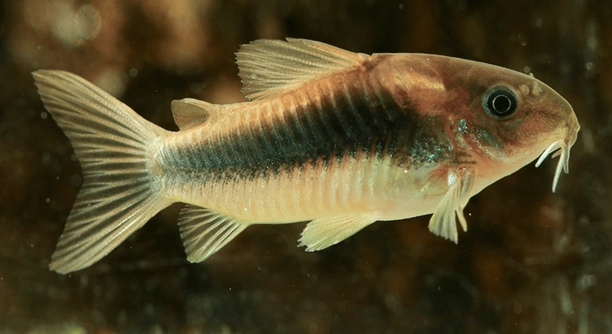
Corydoras catfish are popular aquarium fish known for their playful nature and unique features. One of their most notable characteristics is their whiskers, which are much more than a cute feature. These whiskers are essential for their survival in the wild.
The whiskers of Corydoras catfish are called barbels. These barbels are sensory organs that help the fish navigate their environment, detect food, and avoid predators. They play a crucial role in the catfish’s ability to sense vibrations and chemical signals in the water.
The fascinating role of barbels extends beyond their primary function. There are many interesting facts about Corydoras catfish and their whiskers that reveal the depth of their unique adaptations. Let’s explore them further.
Why Do Corydoras Catfish Have Barbels?
Corydoras catfish have barbels, which are long, whisker-like structures located near their mouths. These barbels act as sensory tools, allowing the fish to feel their surroundings. Corydoras are bottom dwellers in their natural habitat, and the barbels help them navigate through murky water where visibility is poor. They are constantly using their barbels to search for food, feeling the texture of the substrate, and detecting small vibrations or movements in the water. Without these sensitive barbels, they would struggle to locate food or even avoid predators.
These whiskers are covered in taste buds, which enable Corydoras to “taste” their environment. They can detect chemicals and food particles in the water, making it easier for them to find the right food in dark or muddy conditions. It’s like having a built-in radar system that helps them survive. As a result, their barbels are vital for their day-to-day activities and overall well-being.
In aquariums, you may notice your Corydoras constantly exploring the tank floor with their barbels. This is their way of checking for food, which often includes algae, small invertebrates, or leftovers from other fish. The barbels are highly sensitive to touch, allowing them to search efficiently and react to any changes in their environment.
Barbels Help Avoid Predators
Corydoras catfish also use their barbels to help them avoid potential threats. These barbels can pick up on subtle changes in the water, like the movement of predators, alerting the fish to danger.
The barbels of Corydoras catfish are essential for survival, as they not only help with food detection but also assist in predator evasion. These fish use their whiskers to sense nearby predators’ movements, helping them to react quickly and hide. This function of the barbels makes them key players in the fish’s ability to stay safe from harm.
Barbels Aid in Finding Food
Corydoras catfish rely on their barbels to help them locate food in their habitat. These sensory organs are equipped with taste buds that detect food particles in the water. This helps them locate their next meal, even in dark or murky environments.
In the wild, Corydoras feed on small invertebrates, algae, and organic debris found at the bottom of rivers and lakes. The barbels are used to sift through the substrate, identifying food sources that are buried or hidden. Their ability to detect tiny particles helps them find meals that other fish may miss. The barbels allow them to forage efficiently, providing them with a consistent food supply.
When kept in aquariums, Corydoras are often seen using their barbels to explore the tank floor. They seem to be constantly “sniffing” around, which is their way of searching for food. Their keen sense of taste and touch ensures they don’t go hungry and helps maintain a healthy environment.
Barbels Help in Communication
The barbels of Corydoras also play a role in communication with other fish. They can pick up vibrations in the water, signaling nearby fish and reacting to each other’s movements.
When Corydoras move through their environment, they use their barbels to sense changes in water flow. This helps them communicate with each other, especially in groups. The movements of barbels can signal the presence of food or potential danger. Corydoras often form schools, and these vibrations allow them to stay coordinated. The barbels help keep the group together and aware of what is happening in their surroundings. In aquariums, you may notice Corydoras nudging each other or “talking” through their barbels, keeping the group cohesive.
Barbels Help with Navigation
Corydoras catfish use their barbels to help them navigate through the substrate. The barbels are sensitive to changes in the environment, allowing them to explore with precision. This is especially important in low-visibility environments like muddy waters.
The barbels help Corydoras detect objects in their path, guiding them through unfamiliar terrain. Since these fish often live in murky waters, their barbels act like a touch-sensitive guide. As they move along the bottom of their habitat, the barbels ensure they avoid obstacles, find food, and stay on course. The barbels make navigation much easier in places where sight is limited.
Sensory Function of the Barbels
The barbels are highly sensitive and help Corydoras detect vibrations in the water. They can sense even the slightest changes, allowing the fish to respond quickly to their environment.
These sensory organs pick up on everything from food particles to the presence of predators. The barbels work almost like a radar system, gathering information about the fish’s surroundings and helping them react faster to changes. This ability is crucial for the survival of Corydoras, especially in challenging environments where they need to be constantly alert.
Maintaining Healthy Barbels
Taking care of Corydoras catfish includes making sure their barbels stay healthy. Damaged barbels can affect their ability to navigate, find food, and sense danger.
Barbel damage is common in overcrowded tanks or when the fish come into contact with rough surfaces. To avoid this, ensure the tank has smooth decorations and enough space for the Corydoras to move freely. Healthy barbels improve the fish’s overall quality of life, ensuring they can function properly in their environment.
FAQ
Why do Corydoras catfish have barbels?
Corydoras catfish have barbels to help them navigate, find food, and avoid predators. The barbels are highly sensitive and act like sensory tools, allowing the fish to detect vibrations, chemical signals, and textures in the water. This is especially important in the dark, murky waters where they often live, helping them locate food, avoid obstacles, and sense nearby danger.
How many barbels do Corydoras catfish have?
Corydoras catfish typically have four barbels: two on the upper jaw and two on the lower jaw. These barbels are located near their mouth, making them easy to spot as they explore the bottom of their habitat. Each barbel is equipped with taste buds and sensitive cells, which help the fish interact with their environment.
Do Corydoras catfish use their barbels to communicate?
Yes, Corydoras use their barbels to communicate with each other. The barbels can pick up on vibrations in the water, signaling important information to other fish in their group. When one fish detects food or danger, it can communicate that through its barbels, alerting the rest of the school. This ability helps Corydoras stay coordinated and aware of changes in their environment.
Can Corydoras catfish lose their barbels?
Yes, Corydoras can lose or damage their barbels. Injury can happen from rough surfaces, aggressive tankmates, or poor water conditions. If a barbel is damaged, it may take time to heal, but the fish can continue to survive. However, missing or damaged barbels can make it harder for the fish to find food or detect danger, so it’s important to ensure a safe environment for them.
How do Corydoras catfish eat using their barbels?
Corydoras catfish use their barbels to find food in the substrate. Their barbels can detect food particles, helping them forage in the sand or gravel. These fish are bottom feeders, and their barbels allow them to sift through the substrate to find small invertebrates, algae, and other organic matter. The barbels act like an extended sense of touch and taste, making it easier for the catfish to locate their meals.
Do Corydoras catfish need their barbels to survive?
While Corydoras can survive without their barbels, these sensory organs are crucial for their well-being. Without them, the fish would struggle to find food, detect predators, or navigate through their environment. Their barbels are essential for their natural behaviors, and any damage or loss can affect their overall quality of life. Ensuring they have healthy barbels helps them stay active and healthy.
Can Corydoras catfish regrow their barbels?
Corydoras catfish can regrow their barbels if they are damaged, but the process is slow. The new barbels may not be as functional as the original ones, and it can take time for them to fully develop. Regrowth depends on the extent of the injury and the overall health of the fish. If a barbel is severely damaged, it might not grow back properly, leading to long-term issues.
Do Corydoras catfish use their barbels to sense water conditions?
Yes, Corydoras catfish use their barbels to sense changes in water conditions. The barbels help them detect fluctuations in temperature, pH levels, and the presence of chemicals in the water. They can pick up on subtle shifts that may indicate an issue with their environment, like a decrease in water quality or the presence of pollutants. This ability helps them stay aware of their surroundings and adjust accordingly.
How do Corydoras catfish protect their barbels?
Corydoras catfish naturally protect their barbels by avoiding dangerous environments. They tend to stay away from sharp objects and rough surfaces in their tank that could damage their sensitive barbels. Providing a tank with smooth decorations and a substrate that is gentle on their barbels can help keep them intact. Maintaining good water quality is also important for their overall health, including their barbels.
Can Corydoras catfish live without a substrate to use their barbels on?
Corydoras catfish prefer to have a soft substrate to use their barbels for foraging and exploring. While they can live in a tank without a substrate, it’s not ideal for their well-being. Without a substrate, the catfish would miss out on their natural behavior of digging and sifting through the sand to find food. It’s recommended to provide a soft, fine-gravel or sand substrate to mimic their natural habitat and allow them to use their barbels as they would in the wild.
Final Thoughts
Corydoras catfish are fascinating creatures with unique features that help them thrive in their environment. One of their most interesting characteristics is their barbels, which act as highly sensitive sensory tools. These barbels allow the catfish to explore their surroundings, find food, and avoid potential dangers. In the wild, where visibility can be poor, the barbels play a crucial role in helping Corydoras navigate through murky waters. They also help the fish detect subtle changes in water conditions, which is essential for survival. This ability to sense food and detect danger is what makes the barbels such an important part of the catfish’s survival strategy.
Corydoras catfish are often seen in home aquariums, and their barbels are just as vital in captivity as they are in the wild. Whether they are sifting through the substrate for food or communicating with other fish, these barbels help them interact with their environment. A healthy tank with smooth surfaces and proper care will ensure that their barbels stay intact, allowing them to live a full, healthy life. While Corydoras can survive with damaged barbels, it’s clear that they perform better when they are able to use their sensory organs to their fullest potential. This makes it essential to provide an environment where they can express their natural behaviors.
Understanding the role of the barbels in Corydoras catfish gives us a deeper appreciation for how these small fish navigate their world. Their barbels are not just for show—they serve a critical function in finding food, avoiding predators, and communicating with others. By creating a tank that meets their needs, aquarium owners can help these catfish lead healthy, stress-free lives. Providing smooth surfaces, a fine substrate, and good water quality is key to ensuring that these fish continue to thrive in the home aquarium.

Hello,
If you enjoy the content that we create, please consider saying a "Thank You!" by leaving a tip.
Every little bit helps us continue crafting quality advice that supports the health, happiness, and well-being of pets around the world, for pets of all shapes, sizes, and species.
We really appreciate the kindness and support that you show us!