
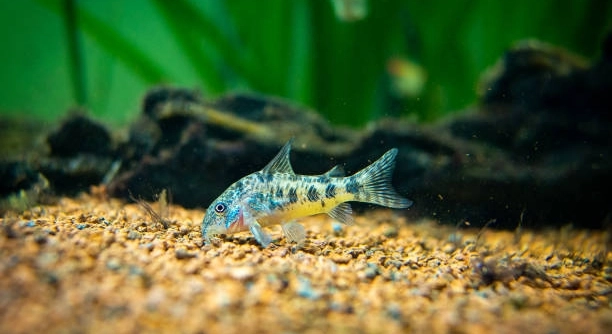
Corydoras catfish are sensitive to changes in their environment, especially when introduced to a new tank layout. Their comfort and health depend on how well they adjust. Learning how to help them adapt is essential for their well-being.
To help your Corydoras catfish adapt to a new tank layout, create a stable environment with plenty of hiding spots, consistent water conditions, and gentle tankmates. Introducing gradual changes, instead of a complete overhaul, will reduce stress and encourage natural behavior.
By following these simple steps, you can ensure your Corydoras thrive in their new home. Understanding their needs will help you create a peaceful environment for them to flourish.
Create Hiding Spots and Shelters
Corydoras catfish feel safer when they have places to hide in their tank. These fish are naturally shy and prefer a peaceful, sheltered environment. When adjusting to a new tank layout, adding caves, plants, or driftwood can make a big difference. These hiding spots reduce stress and help them feel secure as they explore their new surroundings. Be sure to provide enough options for all the fish in your tank to find a cozy spot.
The right hiding spots will also encourage natural behaviors, like foraging and swimming, while minimizing stress. Corydoras appreciate having a few places to retreat to when they feel overwhelmed.
When choosing decorations, focus on creating a balanced layout. Too many items can make the tank feel cramped, while too few can leave your catfish exposed. Aim for a good mix of open spaces and secure hiding spots to give your Corydoras the best chance to adapt comfortably.
Maintain Stable Water Conditions
Water conditions are a critical factor for your Corydoras catfish’s health and comfort. Even small changes in temperature, pH, or water hardness can affect their well-being. Keeping these factors stable will help your catfish adjust more quickly to their new environment. Always test the water before adding anything to the tank.
For Corydoras, slightly warmer water (around 75-80°F) and a neutral pH (6.5-7.5) are ideal. It’s essential to keep the tank well-filtered and to perform regular water changes. A stable water quality will ensure your catfish can focus on exploring their new home instead of coping with stress caused by fluctuating conditions.
If you do need to adjust the water parameters, make small, gradual changes. Sudden shifts in water quality can stress out your fish, making it harder for them to settle in. By maintaining consistency, your Corydoras will thrive and quickly feel at ease in their new layout.
Introduce Tankmates Carefully
Adding new tankmates too quickly can stress your Corydoras catfish. It’s important to choose calm and compatible species that won’t intimidate or harm them. Slowly introduce any new fish to the tank to avoid sudden changes in the environment.
When selecting tankmates, go for peaceful species that won’t compete for food or territory. Corydoras do well with other bottom-dwelling fish, like peaceful tetras or smaller rasboras. Avoid aggressive fish that might chase or nip at your catfish, as this can increase their stress and make them less likely to adjust to the new tank layout.
Make sure the new tankmates are also well-suited to the same water conditions as the Corydoras. Check the compatibility of their temperature, pH, and water hardness requirements. A peaceful community setup will help all fish adjust together in a stable, stress-free environment.
Keep the Tank Clean and Well-Maintained
A clean tank is essential for the health and comfort of your Corydoras catfish. Regular maintenance, such as removing debris and cleaning the substrate, will prevent water quality issues that could harm your fish. Maintaining good water conditions supports a smooth adaptation to the new layout.
Make sure the filter is working properly and change the water regularly to prevent the buildup of harmful toxins. Using a gravel vacuum can help remove waste from the substrate, which is especially important since Corydoras like to dig and search for food in the bottom layers. A well-maintained tank helps keep your fish healthy and comfortable as they adapt.
Keep an eye on any signs of illness in your Corydoras or other tankmates. Early detection can help you address any issues before they become serious. Regular maintenance goes beyond keeping the tank visually appealing—it ensures that your Corydoras have a healthy, stress-free environment for settling in.
Use a Gentle Aquarium Filter
A strong or harsh filter can create strong water currents that stress out your Corydoras catfish. They prefer slow-moving water where they can comfortably explore. Choose a filter with adjustable flow, or use a sponge filter to keep the water gentle for them.
By using a sponge filter, you reduce water movement while still maintaining good filtration. Corydoras are bottom dwellers, and too much current can make them feel insecure, hindering their ability to adapt to their new surroundings. The key is a gentle flow that doesn’t disturb their natural behavior.
Make sure to adjust the filter flow to suit your tank’s needs. A mild current will allow your Corydoras to feel more at ease and encourage natural behaviors, like scavenging and resting.
Monitor Their Behavior
Corydoras catfish are quite social, and monitoring their behavior can help you understand how they’re adjusting to their new environment. Watch for signs of stress, such as hiding too much or showing less interest in food. These behaviors indicate that something in the tank layout might be causing discomfort.
Take note of their activity level—healthy Corydoras should be swimming around, foraging, and interacting with their environment. If they remain hidden or are inactive for long periods, it may be a sign that they are not adapting well. Keep a close eye on their response to changes in the tank setup.
Provide a Balanced Diet
Feeding your Corydoras the right food can make a big difference in their adaptation process. Offer a variety of foods, including sinking pellets, live or frozen foods, and occasional treats like bloodworms. Proper nutrition helps them feel more secure and strengthens their immune system.
Providing a balanced diet is also important for maintaining their energy and health. Corydoras are bottom feeders, so ensure the food sinks to the bottom of the tank, where they can easily find it. Keep in mind that overfeeding can lead to poor water quality, so be mindful of portion sizes.
FAQ
How long does it take for Corydoras to adjust to a new tank layout?
The time it takes for Corydoras catfish to adjust to a new tank layout can vary, but typically, it can take anywhere from a few days to a couple of weeks. The key factors are the stability of the water conditions and the amount of change in the tank layout. If you’ve made drastic changes, it might take them longer to settle in. Small adjustments to the layout, however, may result in quicker adaptation. Be patient and observe their behavior. If they’re eating, swimming, and not hiding too much, they’re likely adjusting well.
Can Corydoras adapt to a tank with high water flow?
Corydoras catfish generally prefer calm waters, so they may struggle to adjust to tanks with high water flow. While they can tolerate some water movement, strong currents can cause them stress and affect their health. If your tank has a strong filter, consider adjusting the flow to reduce the current. You can also use a sponge filter, which provides gentle filtration while creating minimal water movement. If the water flow is too intense, your Corydoras may become inactive or retreat into hiding spots, showing signs of stress.
Should I add more plants to the tank for my Corydoras?
Yes, adding plants can help your Corydoras feel more secure. Live plants offer natural hiding spots, which are important for these shy fish. Plants also help maintain water quality by absorbing excess nutrients, reducing the likelihood of algae growth. When choosing plants, opt for those that thrive in low to moderate light, as Corydoras prefer environments with softer lighting. You can also use floating plants to provide cover and create areas with less light, mimicking their natural habitat.
How can I tell if my Corydoras is stressed in the new tank layout?
Corydoras can show signs of stress in various ways. If your fish are hiding more than usual or staying in one spot for long periods, it may indicate they’re feeling uneasy. Other signs of stress include loss of appetite, erratic swimming, or breathing heavily near the surface. If the water conditions are stable and the tankmates are peaceful, stress could be related to changes in the layout or other environmental factors. Monitoring their behavior closely will give you a better idea of their adjustment process.
Can I put other species with Corydoras catfish?
Yes, Corydoras catfish can coexist peacefully with many other species, but it’s important to choose tankmates that are also calm and non-aggressive. Smaller species, such as peaceful tetras, guppies, or rasboras, are often great choices. Avoid larger, more territorial fish or those that might compete for food. Corydoras are bottom-dwellers, so make sure your tankmates don’t crowd the lower areas of the tank. Keeping peaceful, compatible species will help create a harmonious environment for everyone.
How often should I feed my Corydoras catfish in their new tank?
Feeding frequency depends on the size of your Corydoras and the other fish in the tank, but generally, it’s good to feed them once or twice a day. Be careful not to overfeed, as leftover food can affect water quality. Corydoras are bottom feeders, so they will often search for food on the substrate. Offering sinking pellets or frozen foods like bloodworms or brine shrimp is ideal. Keep track of how much they’re eating to prevent food from accumulating on the bottom, which can harm the water conditions.
Are there specific tank decorations that help Corydoras feel at ease?
Yes, providing decorations that mimic their natural environment can help Corydoras feel more at ease. Smooth rocks, driftwood, and caves are great additions, as they create natural hiding spots where the fish can feel secure. Make sure that any decorations are free of sharp edges, as Corydoras like to dig and explore the substrate. Adding some soft plants and substrates will also help replicate their natural habitat. Remember that a mix of open spaces and sheltered areas is best to keep them comfortable and stress-free.
Can I use any substrate for Corydoras?
Corydoras catfish are known for digging around in the substrate in search of food, so it’s important to use a substrate that’s soft and gentle on their sensitive barbels. Avoid using sharp gravel, as it can injure their barbels or fins. A fine, smooth sand substrate is ideal because it allows them to dig without causing harm. You can also mix sand with small, rounded pebbles, but make sure the overall texture is gentle. It’s also easier to clean sand without disturbing the bottom too much, which helps maintain good water quality.
Is it safe to rearrange the tank layout after adding Corydoras?
If you rearrange the tank layout after adding Corydoras, be prepared for them to experience some temporary stress as they adjust to the changes. Corydoras are territorial creatures to some extent and may become unsettled by the disruption. It’s best to make any layout changes gradually over time, rather than all at once, to avoid overwhelming them. If you must make significant changes, try to do so during a time when the fish are least active, such as in the evening. Always monitor their behavior after making adjustments to ensure they are adjusting well.
What water temperature is ideal for Corydoras catfish?
Corydoras catfish thrive in water temperatures between 75°F and 80°F (24°C to 27°C). They are tropical fish, so it’s important to keep the water warm enough to mimic their natural habitat. If the water temperature is too cold, they may become sluggish and more susceptible to illness. A reliable aquarium heater can help maintain the right temperature. Ensure that the temperature remains stable, as sudden fluctuations can stress out the fish. Keeping the water within the ideal range will support their immune system and overall health.
How can I prevent my Corydoras from getting sick in their new tank?
To prevent illness, ensure that the water quality in the tank remains high. Regular water changes, proper filtration, and monitoring of temperature and pH levels are key to keeping your Corydoras healthy. Avoid overfeeding and remove any leftover food promptly to prevent water contamination. Additionally, make sure that any new fish or plants you add to the tank are disease-free. Stress is a common cause of illness in Corydoras, so be sure to create a stable, comfortable environment. If you notice any unusual behavior or physical symptoms, address them quickly to prevent the spread of disease.
Final Thoughts
Helping your Corydoras catfish adjust to a new tank layout is all about creating a stable and comfortable environment. These fish are sensitive to changes, so it’s essential to make adjustments gradually and monitor their behavior closely. Providing them with plenty of hiding spots, maintaining consistent water conditions, and choosing gentle tankmates can significantly reduce stress. Corydoras are naturally shy, so making sure they feel secure will encourage them to explore and thrive in their new home. A little time and care go a long way in ensuring they adapt successfully.
When setting up the tank, consider the small details that contribute to the overall comfort of your Corydoras. A soft substrate like sand, along with smooth decorations and plants, can create an environment that feels familiar to them. Be mindful of water flow, as they prefer gentle currents. Also, feeding them a balanced diet and ensuring that water quality stays high will help them stay healthy during their adjustment period. Consistent care and attention to their needs will help your catfish feel at ease in their new home.
Lastly, don’t forget that every Corydoras is different. Some may adjust quickly, while others may take a bit longer. The most important thing is to be patient and observe how they respond to changes. By following the simple tips mentioned above and being mindful of their needs, you can help your Corydoras settle into their new tank layout with ease. The more you understand their behavior and preferences, the better you can support them in adapting to their new environment, ensuring they live a happy and healthy life.

Hello,
If you enjoy the content that we create, please consider saying a "Thank You!" by leaving a tip.
Every little bit helps us continue crafting quality advice that supports the health, happiness, and well-being of pets around the world, for pets of all shapes, sizes, and species.
We really appreciate the kindness and support that you show us!