
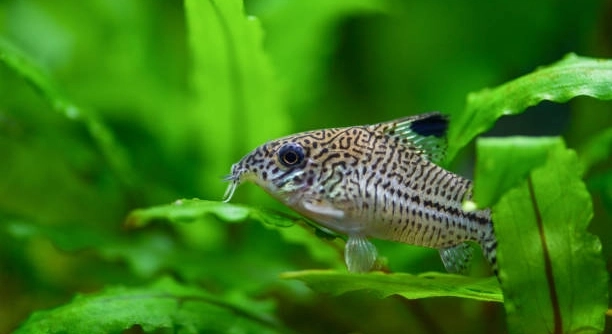
Is your Corydoras catfish always sticking to one side of the tank, leaving the rest untouched no matter what you do?
The most common reason your Corydoras catfish prefers one side of the tank is uneven environmental conditions. Variations in water flow, temperature, lighting, or hiding spots can make one side more comfortable and secure for the fish.
Understanding what draws them to one side can help you create a better-balanced and healthier tank environment overall.
The Tank’s Environment May Be Unbalanced
When your Corydoras catfish stays on one side of the tank, it’s often because that side feels safer or more comfortable. This behavior usually relates to environmental factors like lighting, current, or temperature differences. If the filter creates a strong current, they might avoid that area entirely. Uneven lighting can also make them feel exposed on one side. These fish like dim, peaceful zones, and any loud vibration or bright light can cause stress. Check for temperature consistency, as heaters sometimes warm one section more than the other. Also, ensure there are soft substrate and hiding spaces throughout. Without them, Corydoras tend to stick close to spots that feel covered and calm. The side they choose might simply be quieter or more familiar. Subtle things like nearby noise or reflections could be making them uneasy. Observing closely and testing the tank setup often reveals small changes that can help balance everything out.
Try rearranging plants, décor, or driftwood to spread cover evenly across the tank.
Sometimes, even a minor tweak in current or placement of a cave-like spot can encourage exploration. Give it a little time.
Stress and Social Dynamics Could Be the Cause
Corydoras may group to one side due to stress or interactions with other fish.
Stress affects how fish behave, and Corydoras are no exception. If they’re being harassed by more aggressive tankmates or feel outnumbered, they might retreat to one corner for safety. Even within their own group, a dominant fish could influence where the others settle. This kind of dynamic isn’t always easy to spot, especially since Corydoras tend to be peaceful and quiet. Tank layout matters here too—if one side offers better shelter or distance from other active fish, they’ll choose that consistently. If you notice signs like rapid gill movement, pale color, or skittish swimming, it’s worth evaluating the community setup. Making sure they are in a group of at least six helps reduce stress, since they are social fish. Keep an eye out for food competition, as limited access to feeding zones can also create territory patterns. Reducing stressors can improve activity throughout the tank.
Changes in Water Parameters Can Affect Behavior
If one side of the tank has different water conditions, your Corydoras might avoid the rest. Even slight shifts in pH, ammonia, or oxygen levels can influence where they feel comfortable. Regular testing helps identify imbalances before they affect your fish’s behavior.
Corydoras are sensitive to water quality, so any subtle fluctuation can make a difference. One side may have less flow or fewer bubbles, reducing oxygen. If the substrate isn’t cleaned evenly, waste buildup can lead to higher ammonia or nitrite in specific areas. This makes those spots uncomfortable or even harmful. You might notice they cluster near the filter or air stone where oxygen levels are better. pH differences can also form depending on the type of decorations or driftwood placed on one side. Always test water at different tank points to ensure consistency. Balanced conditions across the entire tank keep your Corydoras feeling secure and active.
Adjusting the flow from your filter can help spread oxygen and warmth. Move plants and rocks slightly to prevent dead zones where water sits still. Uneven water movement is a common cause of localized imbalances. A small internal filter or air stone placed on the opposite side of the tank can make a big difference.
Lighting Might Be Too Intense on One Side
Strong lighting can make one part of the tank feel exposed. Corydoras prefer dim areas with soft light, especially during the day. If the lighting isn’t balanced, they’ll naturally gather in shadier spots that feel safer and more relaxing.
If the light fixture sits directly above one area without diffusion, that side can become too harsh. Bright gravel, reflective backgrounds, or a lack of floating plants can increase glare and discomfort. In contrast, the shaded part of the tank may offer a more soothing environment with better cover. Corydoras are bottom-dwellers that rely on soft surroundings to feel at ease, so they’ll avoid areas that feel too open or stressful. Try adjusting the light intensity or using floating plants to soften the brightness. You can also angle the fixture differently or switch to a warmer bulb. These simple adjustments can help distribute light more evenly and support natural movement.
Uneven Hiding Spots Can Limit Movement
Corydoras feel safer when they have places to hide. If one side has more cover, like plants, driftwood, or caves, they’ll stay close to it. Without shelter, they tend to avoid open, exposed areas of the tank.
Spreading decorations more evenly helps encourage balanced activity. If only one side has soft, shaded spots, that’s where they’ll rest and forage. Try adding more hiding spaces to the less-used side so it feels just as secure.
Feeding Habits Can Create Patterns
Feeding routines shape behavior. If you always feed on the same side, your Corydoras will associate that spot with food and comfort. Over time, they may linger there out of habit. Uneaten food also collects in that area, drawing them back again. Try to vary feeding locations or spread food more evenly across the tank. This encourages movement and reduces competition. Sinking pellets can be dropped on both sides to help with distribution. Also, consider if stronger current moves food in one direction—it may be unintentionally training your fish to prefer that section.
Temperature Distribution May Be Uneven
If one side of the tank feels slightly warmer, your Corydoras might favor it. Heaters placed off-center or poor water circulation can cause uneven heat, especially in larger tanks or during cooler months.
FAQ
Why do Corydoras catfish like to stay in groups?
Corydoras are social fish that naturally live in groups. In the wild, they stick together for safety and comfort. Being around others helps reduce their stress and makes them feel more confident. If you keep only one or two in a tank, they may become shy, hide more often, or act unusually. Having at least five or six of the same species helps them feel secure. When they have a group, they explore more, interact with their surroundings, and show natural behaviors. So, if your Corydoras are always hiding or staying in one corner, check if they have enough company.
Can tank size affect which side Corydoras prefer?
Yes, tank size can influence how your Corydoras move around. In smaller tanks, water flow, lighting, and temperature differences become more noticeable. One corner might have stronger current or less oxygen, which they’ll avoid. A cramped space with too few hiding spots can also make them settle on the safest side. In larger tanks, they have more room to explore and can find better spots that suit their needs. Make sure there are no blind spots or dead zones in your tank. Use gentle filters and spread out the hiding spaces so they feel safe no matter where they go.
Why do they rest so much on the same side?
Corydoras often rest between active periods, especially during the day. If they keep choosing the same side to rest, it usually means they feel safer or more comfortable there. That side may have dimmer light, softer substrate, or less traffic from other fish. It’s also possible the water conditions are slightly better there, such as more oxygen or stable temperature. If they rest all day without much movement, though, it could signal stress or poor water quality. Keep an eye on their overall behavior and test the tank regularly to catch any small problems early.
Can strong water flow push Corydoras to one side?
Definitely. Corydoras prefer gentle currents, especially near the bottom of the tank. If the flow from your filter is too strong on one end, they may swim away from it and gather on the opposite side. Some setups create direct flow that causes them to avoid certain spots entirely. You can adjust your filter output or use decorations to break the current. Sponge filters or spray bars are also good ways to soften flow while still keeping the water clean. Creating calm zones in the tank gives your Corydoras more areas to explore comfortably.
Are there signs my Corydoras are stressed?
Yes, there are several signs. If they breathe heavily, stay hidden all the time, avoid food, or act jumpy, they may be stressed. Sitting still in one corner constantly can also mean something is off. Stress can come from bad water quality, aggressive tank mates, lack of hiding spots, or sudden changes in the environment. Testing the water and watching how they interact with others helps you spot the cause. A calm, stable tank with soft substrate, clean water, and low light usually keeps Corydoras relaxed.
How often should I test water conditions?
Testing once a week is a good habit. You should check for ammonia, nitrites, nitrates, and pH. If you’re dealing with strange behavior like them staying on one side, test a few different spots in the tank. This helps you catch uneven conditions early. Also, test after doing water changes or if you adjust filters or heaters. Regular testing keeps everything balanced and helps your Corydoras feel comfortable everywhere in the tank.
Do Corydoras prefer certain tank mates?
Yes, they do best with peaceful tank mates. Avoid housing them with large or aggressive fish that may chase or nip at them. Good companions include tetras, rasboras, guppies, and other small community fish. Shrimp and snails can also share the tank peacefully. Just make sure no one is stealing their food, especially since Corydoras eat slowly off the bottom. Watching their interactions is important—stress from other fish can cause them to isolate on one side of the tank.
Should I worry if my Corydoras always stay on the left or right side?
It depends. If they’re active, healthy, and eating well, it might just be a preferred spot due to lighting or shelter. But if they avoid certain parts entirely, check the conditions there. Water quality, lighting, temperature, or strong currents may be to blame. Observe their overall behavior and check if the tank is balanced. Simple adjustments, like moving a decoration or adding another air stone, often help them feel comfortable using the whole tank again.
Final Thoughts
Corydoras catfish are peaceful, bottom-dwelling fish that thrive in calm and balanced environments. If they seem to prefer one side of the tank, it’s usually a sign that something in their surroundings is influencing their behavior. Factors like uneven water flow, tank decorations, lighting, or even water temperature can all make one side feel safer or more comfortable than the other. In some cases, the issue might be small, like a bright light they don’t enjoy, or a strong current that pushes them away. It might also be related to how they interact with other fish or the layout of the tank. Paying attention to their habits is the first step in figuring out what’s causing the behavior.
Creating a setup that supports their natural instincts will encourage them to explore the full tank. This includes having a group of at least five or six Corydoras of the same species, using a soft substrate like sand, and keeping lighting gentle. Spread out decorations and hiding spots so they have multiple areas to rest and feel secure. Make sure the filter doesn’t create strong current on just one side of the tank. Keep the water clean and stable, and test it regularly to make sure there are no problem areas. Even small changes in ammonia, nitrites, or oxygen levels can make a big difference in where they choose to spend their time. Regular observation helps you notice if anything in the tank is affecting their comfort.
Corydoras are simple fish in many ways, but they still have clear needs and preferences. Watching their behavior over time will help you understand what makes them feel secure. If they’re active, eating well, and showing natural behaviors like schooling or digging through the substrate, they’re likely doing just fine. But if they stay in one area all the time and don’t move around much, it might be worth checking on the tank’s layout or conditions. Fixing the problem doesn’t always mean big changes. Sometimes it’s as easy as moving a plant or turning down the filter flow. The more attention you give to their environment, the more likely they’ll use and enjoy the entire tank. Keeping things calm, clean, and consistent is key to keeping your Corydoras healthy and happy.

Hello,
If you enjoy the content that we create, please consider saying a "Thank You!" by leaving a tip.
Every little bit helps us continue crafting quality advice that supports the health, happiness, and well-being of pets around the world, for pets of all shapes, sizes, and species.
We really appreciate the kindness and support that you show us!