
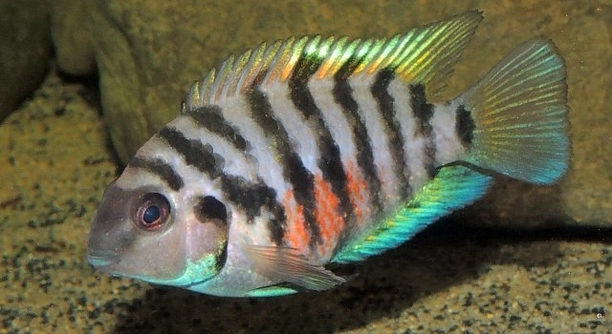
Do your cichlids often dig up the same spot in their tank, leaving you puzzled about their repetitive behavior and habitat preferences?
Cichlids repeatedly dig the same spot due to a mix of territorial behavior, breeding instincts, and environmental comfort. These actions are often linked to natural instincts, such as nest building or establishing a safe space for spawning.
This repetitive digging reveals more than just instinct—it’s part of a fascinating behavioral pattern shaped by their surroundings and natural tendencies.
Why Cichlids Choose One Spot to Dig
Cichlids often focus their digging in one specific area due to strong territorial instincts. They naturally select a spot that feels safe or familiar, especially when preparing for breeding. Males may dig to attract females by creating what appears to be a suitable nesting site. The selected area often has a certain texture or layout that suits their preferences—like fine sand or a smooth, open surface. Once they’ve chosen it, they tend to stick with it. This behavior is not random. It’s linked to their instinct to modify and control their surroundings. In an aquarium setting, this means rearranging gravel, plants, and small decorations. If the spot gets disturbed or changed, they’ll often return and dig it again. Their focus on one location shows a sense of comfort and control.
They often return to the same spot because it meets their needs better than other areas in the tank.
This repetitive behavior can help you understand how comfortable and confident your cichlid feels in its space.
Signs It’s Natural, Not Problematic
Digging alone doesn’t mean your fish is stressed or unwell. In fact, it usually signals natural behavior tied to instincts.
Cichlids tend to express themselves through movement and interaction with their space. Digging is a form of that expression. If your cichlid is healthy, active, and eating well, digging isn’t a cause for concern. Sometimes it even reflects a sense of comfort in their tank. For example, when cichlids prepare to breed, they may dig a pit or clear a flat surface for eggs. In community tanks, this can become more frequent as they compete or claim areas. If no other fish are being harmed and water conditions are stable, the behavior is simply part of how they settle into their environment. Watch for signs like flaring fins or chasing—those could point to stress. Otherwise, digging is a way of managing their territory and staying engaged with their habitat.
How Environment Affects Their Digging
Tank setup plays a big role in where cichlids choose to dig. They prefer spots with softer substrates, fewer obstacles, and a little privacy.
Cichlids are drawn to areas that feel secure and easy to manipulate. Fine sand or smooth gravel makes digging easier and more satisfying for them. Decorations like rocks, caves, or plants can also influence their choice. If one spot offers shelter or feels hidden, they’re more likely to focus there. Bright lighting and tank traffic can drive them to quieter corners. Water flow also matters—still or lightly filtered areas are often favored. When the environment feels right, they commit to that space. You might notice that even after a water change or tank rearrangement, they’ll return to their preferred spot. This shows how strongly their behavior is shaped by what’s around them.
Creating a comfortable environment helps reduce stress and supports their natural behaviors. Proper layout encourages healthier digging patterns.
When to Be Concerned About Digging
Constant digging that leads to tank disruption or injuries may signal a problem. This behavior, when excessive, can also affect other fish in the tank.
Look for signs like damaged fins, dropped weight, or aggressive territorial displays. If the digging starts to involve chasing or bullying tankmates, something may be off. In some cases, overcrowding or lack of hiding spots leads to frustration. Water quality issues can also trigger frantic digging as they try to escape discomfort. Make sure your substrate is suitable and safe, without sharp pieces. Check for ammonia or nitrite spikes, which may cause them to act out. If they’re digging so much that the filter intake gets exposed or décor topples over, it’s time to reassess the tank layout. Sometimes adding more plants or rearranging rocks gives them new areas to explore and reduces tension. Watch closely, and don’t hesitate to adjust conditions if things seem off.
Digging Linked to Breeding Behavior
Breeding often triggers digging in cichlids. Males usually dig pits to attract females or prepare a clean, safe spot for spawning.
Females may also join in by cleaning or adjusting the area. This behavior usually increases when they are ready to breed and stops shortly after spawning.
Substrate Type Makes a Difference
The type of substrate you use has a strong influence on digging behavior. Fine sand is ideal because it’s soft, easy to move, and safe for their mouths. Coarse gravel can be harder to shift and may cause injury or discomfort. If digging is important to your fish, using a soft, uniform substrate can help support that behavior without added stress. Some aquarists even shape the substrate to guide where fish dig. Keeping the layer a bit deeper in preferred areas gives them more space to work with. A thoughtful choice in substrate can reduce frustration and encourage natural, healthy activity.
Final Thoughts on Cichlid Digging
Observing your cichlids’ digging habits can tell you a lot about their comfort, health, and instincts. Small adjustments to the tank can make a big difference.
FAQ
Why do cichlids dig right after a water change?
Cichlids often become more active after a water change due to the sudden shift in water parameters. Fresh water can simulate the rainy season in their natural habitat, which often signals breeding time. This may trigger instinctive behaviors like digging, displaying, or even chasing. They may also be trying to re-establish territory or reclaim a spot that feels changed. The movement of water and shifted substrate might encourage them to dig again and “reset” their area. This is common and not usually a cause for concern.
Can digging be caused by stress or illness?
Yes, digging can sometimes be linked to stress or discomfort. If a cichlid is constantly shifting gravel or looks agitated, it might be reacting to poor water quality, aggressive tankmates, or lack of hiding spots. Illness may also play a role if they are digging more than usual and showing signs like hiding, lack of appetite, or color loss. Always check your tank’s parameters first. If water quality is fine and your fish still acts unusual, monitor for illness or bullying. Stress-related digging tends to be more frantic and less focused than natural nest-building.
Is it okay to stop them from digging too much?
It’s best not to stop natural digging unless it becomes destructive or stressful for the tank. Digging is part of how cichlids stay active and engaged. However, if it disrupts the layout too often or affects filters and plants, consider small changes. Use heavier decorations to block digging in specific areas. You can also offer deep, soft substrate in areas where digging is safe and controlled. Avoid sharp rocks or coarse gravel where digging could lead to injury. Redirection is better than prevention—help them dig in safer spots instead of trying to stop the behavior altogether.
Why do cichlids dig under decorations or rocks?
Cichlids may dig under rocks or decorations to create a hiding spot or secure nesting area. These spaces mimic caves or crevices in their natural environment. It gives them a feeling of safety and control. Digging under a rock may also be part of territorial behavior—claiming the space as their own. If they’re breeding, this area may serve as a nest. Just make sure decorations are stable and won’t collapse or trap the fish. Always secure items firmly to avoid injury or tank damage if a cichlid decides to excavate underneath.
What if multiple cichlids are digging at once?
This is common in tanks with more than one territorial fish. Each cichlid may be trying to establish or defend its own space. In breeding pairs, both fish might dig together. In community setups, several fish may dig at the same time, especially if they feel cramped or threatened. Ensure the tank has enough room and structure to support this. Adding extra hiding places or visual barriers can reduce tension. A larger tank and well-thought layout help manage shared digging without fights. Just keep an eye out for overly aggressive behavior or injury.
Do female cichlids dig as much as males?
In many cases, males are more active diggers, especially when trying to impress females. However, females do dig—especially during nesting or after eggs are laid. Some species even share digging duties. Once spawning begins, females often clean the area or maintain the pit. In tanks with established pairs, you’ll likely see both fish working on the same spot. While males might dig more for show or territory, females do their part when it’s time to protect eggs or fry. It all depends on the species and specific tank dynamics.
How can I support healthy digging behavior?
Start with the right substrate—fine sand or smooth gravel is best. Offer areas with some depth, especially near rocks or sheltered spots. Add caves, smooth stones, or other decorations they can claim. Keep water parameters stable, and avoid overcrowding. Watch how your fish interact and be ready to adjust layout or decor if needed. Giving them a setup that allows natural behavior can reduce stress and increase overall well-being. Digging is a strong part of how cichlids live, communicate, and breed—supporting it helps them feel safe and at home.
Final Thoughts
Cichlids are known for their strong instincts and bold personalities. Digging is one of the clearest ways they express those traits. While it may seem repetitive or disruptive at times, this behavior is part of their natural rhythm. Whether they are preparing to breed, marking territory, or simply adjusting their space, digging plays an important role in their daily routine. It helps them feel secure and allows them to shape their surroundings in a way that fits their needs. In most cases, this is not something to worry about. It’s a sign they are active, healthy, and engaged with their environment.
Understanding why cichlids dig in the same spot helps you create a tank setup that supports their natural behavior. Things like soft substrate, stable decorations, and clear territory boundaries can make a big difference. When you pay attention to their patterns, you’ll notice that digging is often connected to comfort and routine. If the same area keeps being disturbed, that spot probably offers something the fish values—privacy, smooth texture, or good position in the tank. When digging becomes too intense or starts to affect other fish or the tank’s balance, it may be a sign that adjustments are needed. Most of the time, small changes can solve the issue without needing to stop the behavior entirely.
It’s helpful to remember that not all digging is the same. Some cichlids dig to breed, some dig out of stress, and others just enjoy moving things around. Watching their behavior closely helps you know the difference. If your fish seems healthy, eats well, and is not harming others, the digging is likely just part of its routine. Giving them a space that meets their physical and behavioral needs is one of the best things you can do as an aquarist. It creates a better living environment for them and gives you a more peaceful, stable tank. Cichlids are smart and active fish, and digging is just one way they show that. With a bit of understanding and support, this behavior can be a normal and even enjoyable part of caring for them.

Hello,
If you enjoy the content that we create, please consider saying a "Thank You!" by leaving a tip.
Every little bit helps us continue crafting quality advice that supports the health, happiness, and well-being of pets around the world, for pets of all shapes, sizes, and species.
We really appreciate the kindness and support that you show us!