
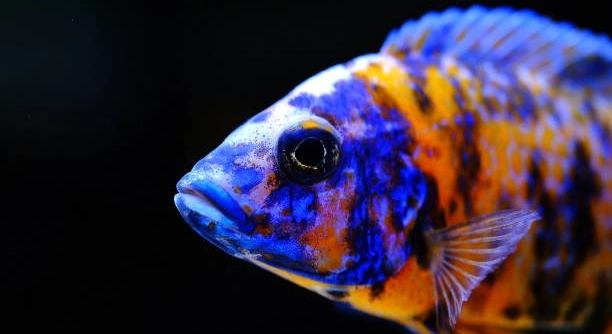
African cichlids are popular fish among aquarium lovers because of their bright colors and lively behavior. Many hobbyists want to explore different water types to keep their tanks interesting. Brackish water, which is a mix of fresh and saltwater, is one option some consider for these fish.
African cichlids generally prefer freshwater environments, and most species do not thrive in brackish water. While a few tolerant species might survive slight salinity, the majority require stable freshwater conditions for health and proper growth.
Learning about their water needs can help you provide the best care for your cichlids. Knowing which species can handle different water types makes a big difference in their well-being.
Understanding African Cichlids’ Natural Habitat
African cichlids mostly come from freshwater lakes and rivers in East Africa, such as Lake Malawi, Lake Tanganyika, and Lake Victoria. These environments have very stable water conditions with little to no salt. The water is usually hard and alkaline, which suits their biology perfectly. When keeping these fish in home aquariums, replicating this freshwater environment is key. Introducing saltwater or even brackish water can stress them, affecting their immune system and overall health. Some species are more sensitive than others, but generally, African cichlids do not adapt well to changes in water salinity. Their natural habitat provides everything they need, so changing that environment without caution is risky. Understanding this helps prevent common health problems, like fin rot or infections, that arise from improper water conditions. It’s always better to stick to what these fish are naturally used to.
In general, most African cichlids should be kept in freshwater tanks to thrive and avoid unnecessary stress.
Choosing the right environment means maintaining proper water parameters like pH, hardness, and temperature. Freshwater conditions mimic their lakes, which keeps the fish active and colorful. Trying to keep them in brackish water usually leads to poor health and shorter lifespans. The best approach is to research each species before setting up their tank and provide water similar to their original habitat. This way, you can enjoy their natural behavior and beauty for a long time.
Effects of Brackish Water on African Cichlids
Most African cichlids cannot tolerate the increased salt levels in brackish water. Even small amounts of salt can disrupt their osmoregulation, the process by which they balance fluids in their bodies.
Salt in the water can cause stress, reduce their appetite, and weaken their immune system. Over time, it may lead to diseases or death if the salt concentration is too high. These fish are not built for salty environments, unlike some other species like mollies or certain gobies that naturally live in brackish conditions. For African cichlids, exposure to brackish water often results in poor coloration and lethargy. It also affects their breeding since many species need very specific freshwater conditions to spawn successfully. If you want to experiment, it is safer to choose species known for some salt tolerance, but even then, careful monitoring is required.
Maintaining pure freshwater with stable conditions is the safest choice for African cichlids’ health and happiness in an aquarium.
Species That May Tolerate Brackish Water
A few African cichlids show some tolerance to brackish water, but these cases are rare. Most species still prefer freshwater environments.
One example is the genus Etroplus, which includes species like the Orange Chromide and Green Chromide. These cichlids naturally live in estuaries and sometimes brackish waters. They can handle mild salinity better than typical African cichlids. However, their care requirements still differ from fully freshwater species. If you consider keeping these types, gradual acclimation to slightly brackish water is crucial. Sudden changes may harm them. Their diet and tank setup also need adjustment to match their natural habitat. Although they tolerate some salt, high levels are still harmful.
Even with tolerant species, brackish water conditions should be monitored closely. Testing salinity regularly and ensuring stable water quality helps maintain their health and prevent stress-related problems.
How to Prepare a Brackish Tank for Cichlids
Brackish water requires careful preparation to balance salt and freshwater. Start by mixing marine salt with freshwater to reach the desired salinity, usually between 1.005 and 1.015 specific gravity for mild brackish conditions. Use a hydrometer or refractometer for accuracy.
Adding driftwood, rocks, and plants suited to brackish conditions can help create a natural environment. Plants like Java fern and Anubias survive well in mild brackish water and provide shelter. Proper filtration and water circulation are essential to keep water clean and oxygenated. Regular water changes help maintain stability. Monitor water parameters like pH, salinity, and temperature often, adjusting as needed.
Gradually introduce fish to the brackish tank by slowly increasing salinity over several days. Sudden changes can shock the fish. Careful planning and maintenance make it possible to keep certain species healthy in brackish conditions, though African cichlids generally prefer freshwater environments.
Risks of Keeping African Cichlids in Brackish Water
African cichlids often experience stress when kept in brackish water. This stress weakens their immune system and makes them prone to illness.
Health issues such as fin rot, skin problems, and lethargy can develop quickly. These problems reduce their lifespan and overall quality of life.
Signs Your Cichlids Are Struggling in Brackish Water
Watch for color fading, clamped fins, and unusual swimming behavior. Loss of appetite and hiding are also common signs of distress.
If these signs appear, testing water parameters and moving the fish to freshwater can improve their health and recovery.
Tips for Transitioning Cichlids to Freshwater
Transition fish slowly by decreasing salinity over several days. Sudden changes can shock their system.
Monitor behavior and appetite closely during this period to ensure they adjust comfortably.
Alternative Fish for Brackish Tanks
If you want brackish water fish, consider species like mollies, scats, or monos, which naturally thrive in such conditions.
FAQ
Can African cichlids live in brackish water long-term?
African cichlids are best kept in freshwater tanks. Most species do not tolerate brackish water well over long periods. While a few species like Etroplus can survive mild salinity, the majority will suffer stress and health issues. It’s safer to provide stable freshwater conditions to ensure their well-being.
What happens if I accidentally put African cichlids in brackish water?
If cichlids are accidentally placed in brackish water, they may show signs of stress within days. Watch for fading colors, lack of appetite, or unusual swimming. If caught early, moving them back to freshwater and performing water changes can help them recover. Prolonged exposure to saltwater can cause serious health problems.
Are there any African cichlids that tolerate salt better than others?
Yes, some species like the Orange Chromide and Green Chromide naturally live in slightly brackish environments. These species tolerate mild salt levels better but still need careful acclimation. Most other African cichlids come from freshwater lakes and are not adapted to saline water.
How do I gradually acclimate fish to brackish water?
Start by mixing a small amount of marine salt into freshwater. Increase salinity slowly over several days, testing with a hydrometer to avoid sudden changes. Introduce fish gradually to the tank with brackish water to prevent shock. Monitor their behavior closely during this transition.
Can African cichlids breed in brackish water?
Breeding African cichlids in brackish water is generally not successful. Most species require stable freshwater with specific pH and hardness to spawn properly. Saltwater or brackish conditions often prevent eggs from developing and reduce fry survival rates.
What water parameters should I keep for African cichlids?
Maintain a pH between 7.8 and 8.6 for most African cichlids, with water hardness from 10 to 20 dGH. Temperature should be between 75°F and 82°F (24°C to 28°C). These parameters replicate their natural habitat and keep them healthy. Avoid adding salt unless caring for tolerant species.
Can I keep brackish water fish with African cichlids?
Mixing true brackish water fish like mollies or monos with African cichlids is not recommended. African cichlids need freshwater, while brackish species require some salt. Combining these fish can stress both groups and lead to health problems.
How often should I test water quality in a brackish tank?
Test salinity, pH, and ammonia levels at least twice a week in a brackish tank. Stability is key for fish health. Frequent testing allows you to catch and fix issues early before they harm your fish.
What signs show that water conditions are poor for African cichlids?
Poor water conditions often show as faded colors, clamped fins, gasping at the surface, or sluggishness. These signs indicate stress or poor oxygen levels, often caused by incorrect pH, high ammonia, or inappropriate salinity.
Are there better fish choices for brackish water tanks?
Yes, fish like mollies, scats, monos, and some gobies naturally live in brackish water. They are better suited for those conditions and will thrive without health issues caused by unsuitable water parameters. Choosing fish native to brackish environments ensures a healthier aquarium.
African cichlids are beautiful and lively fish that many people enjoy keeping in their aquariums. Their natural homes are freshwater lakes and rivers, where the water has very little or no salt. Because of this, these fish are best suited for freshwater tanks. Keeping them in brackish water, which contains a mix of salt and freshwater, usually causes problems for most African cichlid species. The salt can stress the fish, making them more likely to get sick or lose their bright colors. It is important to understand their natural needs to provide the best care.
Some African cichlids, like the Orange Chromide and Green Chromide, can tolerate mild brackish water because they come from environments where saltwater and freshwater mix. However, these species are the exception and not the rule. Even these more tolerant fish require slow and careful adjustments when changing water conditions. For the majority of African cichlids, it is safer and healthier to keep them in stable freshwater with proper water parameters, including the right pH and hardness. Providing the correct environment helps them stay active, colorful, and healthy for a long time.
If you want a brackish water aquarium, there are other fish species better suited for those conditions, such as mollies, monos, or scats. Choosing fish that naturally live in brackish water makes maintaining the tank easier and reduces the risk of stress or illness. Ultimately, understanding the needs of your fish and providing the right water conditions will give you the most enjoyment and success with your aquarium. Sticking to freshwater for African cichlids is the best choice for their health and happiness.

Hello,
If you enjoy the content that we create, please consider saying a "Thank You!" by leaving a tip.
Every little bit helps us continue crafting quality advice that supports the health, happiness, and well-being of pets around the world, for pets of all shapes, sizes, and species.
We really appreciate the kindness and support that you show us!