
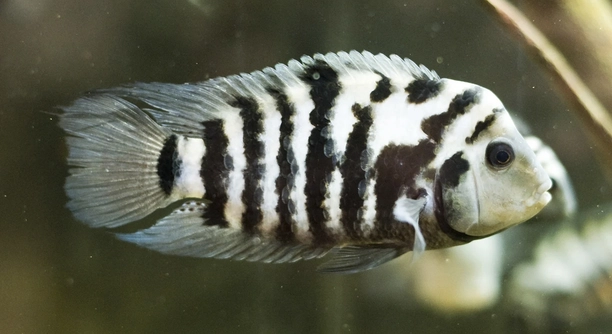
Keeping an African cichlid tank balanced requires careful attention to many details. From water quality to fish behavior, every part plays a role in maintaining a healthy environment. A well-balanced tank supports both the fish and the ecosystem inside it.
A well-balanced African cichlid tank shows stable water parameters, proper filtration, balanced stocking levels, healthy fish behavior, adequate hiding spaces, consistent feeding routines, and clean substrate. Together, these factors create an environment that promotes fish health and reduces stress.
Recognizing these signs early can help maintain your tank’s harmony and prevent common problems from arising. This article will guide you through the key indicators of a well-balanced cichlid habitat.
Stable Water Parameters
Maintaining stable water parameters is essential for a healthy African cichlid tank. These fish thrive in specific conditions that mimic their natural habitat. Key factors include temperature, pH, hardness, and ammonia levels. Temperature should typically be between 75 and 82°F, while pH ranges from 7.8 to 8.6. Water hardness should remain on the harder side to support the cichlids’ biological needs. Ammonia and nitrite levels must always be at zero, as even small amounts can stress or harm the fish. Frequent testing and adjustments keep these values steady, preventing sudden changes that could lead to illness or aggression. A well-maintained water environment encourages healthy behavior and vibrant colors, making the tank more enjoyable to observe. Consistency is more important than perfection, so gradual changes are preferable when adjustments are needed.
Testing water weekly and adjusting with buffers or conditioners helps keep the tank stable. It prevents surprises that might upset the balance.
Keeping water conditions steady supports your cichlids’ immune systems and reduces stress. This creates a more peaceful and healthy environment overall.
Proper Filtration and Water Movement
Proper filtration is vital to maintain clear, healthy water in an African cichlid tank. Filters remove waste, toxins, and excess food particles that accumulate quickly. Using a filter rated for a tank larger than yours ensures effective water turnover. Mechanical, chemical, and biological filtration all play a role in keeping water clean and safe. Biological filtration is especially important because it supports beneficial bacteria that break down harmful ammonia and nitrites into less toxic nitrates. Additionally, water movement created by the filter helps oxygenate the water, which is crucial for fish health. Without enough flow, oxygen levels can drop, causing stress. The right filter setup balances strong water movement without creating a current too strong for the fish to swim comfortably. Regular filter maintenance, such as rinsing media and replacing cartridges, is necessary to keep filtration effective and prevent buildup of debris.
A clean and well-maintained filter creates a healthier environment for cichlids, encouraging active and stress-free fish.
Balanced Stocking Levels
Avoid overcrowding by keeping the number of fish appropriate for your tank size. Overcrowding leads to stress, aggression, and poor water quality.
Proper stocking means having enough space for each fish to establish territory and swim freely. African cichlids can be territorial, so too many fish increase fights and stress, which harms their health. A general rule is one inch of fish per gallon of water, but consider their behavior and size. Overstocked tanks create more waste, making filtration less effective and water quality decline faster. Keeping stocking levels balanced helps maintain peace and reduces the chance of disease outbreaks. It also allows you to monitor individual fish better and address health or behavioral issues promptly.
By managing stocking carefully, you create a stable environment that promotes long-term fish health and tank balance. It also allows the natural behaviors of cichlids to shine without constant conflict.
Healthy Fish Behavior
Healthy cichlids swim actively and interact normally with their environment and tank mates. Signs of good health include bright colors, clear eyes, and regular eating habits.
When fish behave naturally, it indicates the tank environment suits their needs. Healthy cichlids show interest in their surroundings, explore caves or hiding spots, and may display typical social behavior like chasing or establishing territories without excessive aggression. Erratic swimming, hiding constantly, or lethargy can signal stress or illness. Observing your fish daily helps catch issues early, allowing timely action. Changes in behavior can also point to water quality problems or inappropriate tank conditions. Maintaining a balanced environment reduces stressors, making healthy behavior more consistent and visible.
Fostering a tank where cichlids behave naturally helps maintain their well-being and provides a more engaging experience for anyone watching the tank.
Adequate Hiding Spaces
Cichlids need plenty of hiding spots to feel secure and reduce aggression. Rocks, caves, and plants offer shelter and territory boundaries.
Providing enough hiding places helps fish avoid constant conflict and stress. It supports their natural behaviors and creates a more peaceful tank environment.
Consistent Feeding Routines
Feeding African cichlids regularly with a balanced diet supports their health and growth. Avoid overfeeding to maintain water quality.
A consistent feeding schedule prevents hunger-related aggression and promotes stable behavior. It also ensures fish receive necessary nutrients without polluting the tank. Feeding small portions multiple times a day is better than one large meal. Overfeeding can cause leftover food to decay, harming water conditions. High-quality pellets or flakes designed for cichlids, supplemented with occasional live or frozen foods, keep them healthy and vibrant. Observing how much your fish eat helps adjust feeding amounts to avoid waste and maintain water balance.
Clean Substrate
Regular cleaning of the tank substrate prevents buildup of waste and harmful bacteria. It keeps the environment healthy for fish.
FAQ
What is the ideal water temperature for African cichlids?
The ideal temperature range for African cichlids is between 75 and 82°F (24 to 28°C). Maintaining a stable temperature within this range helps reduce stress and supports their metabolism. Sudden temperature changes can weaken their immune system and increase the risk of illness.
How often should I test my tank’s water?
Testing water weekly is recommended to keep track of important parameters like pH, ammonia, nitrite, and nitrate levels. Regular checks help catch problems early, allowing quick adjustments to avoid harming the fish.
How many cichlids can I keep in a 30-gallon tank?
For a 30-gallon tank, it’s best to keep around 6 to 8 medium-sized cichlids, depending on their species and aggression levels. Avoid overcrowding to reduce stress and aggression. Always research the specific needs of each species.
What type of filter is best for African cichlid tanks?
A filter that provides mechanical, chemical, and biological filtration is ideal. Canister filters and hang-on-back filters with good flow work well. The filter should be rated for a tank larger than yours to ensure efficient water turnover and oxygenation.
How do I control aggression in my cichlid tank?
Providing plenty of hiding spots, maintaining proper stocking levels, and keeping stable water parameters helps reduce aggression. Adding rocks and caves creates territories that lower conflict. Avoid mixing overly aggressive species together.
How often should I clean the substrate?
Cleaning the substrate every 2 to 4 weeks is usually sufficient, depending on the tank’s bio-load. Use a gravel vacuum during water changes to remove uneaten food and waste without disturbing beneficial bacteria too much.
What should I feed African cichlids?
Feed a varied diet of high-quality cichlid pellets or flakes, supplemented with occasional live or frozen foods like brine shrimp or bloodworms. Avoid overfeeding, and feed small portions 2 to 3 times daily to maintain water quality.
Can I keep other fish species with African cichlids?
It’s possible, but carefully choose tank mates that can tolerate similar water conditions and aggression levels. Avoid slow-moving or delicate fish that may be bullied. Research compatibility before adding any new species.
How important is water hardness for cichlids?
Water hardness is important because African cichlids come from hard, alkaline lakes. Keeping hardness between 10-20 dGH helps replicate their natural environment and supports their health. Soft water can stress them and affect breeding.
What are common signs of an unhealthy tank?
Cloudy water, constant algae blooms, fish hiding or showing stress, loss of color, and irregular swimming all indicate problems. Poor water quality, overcrowding, or illness could be the cause and need immediate attention.
Maintaining a well-balanced African cichlid tank takes time and attention, but the results are worth it. Stable water parameters, proper filtration, and balanced stocking are the foundation for a healthy tank. These basic elements support the natural behavior and health of the fish. When water conditions are right, cichlids show their true colors and active personalities. It is important to regularly test water and make small adjustments when needed to avoid sudden changes that stress the fish. Keeping the tank clean and well-maintained creates an environment where fish can thrive.
Providing hiding spaces and a consistent feeding routine adds to the overall balance of the tank. Cichlids feel safer and less stressed when they have places to retreat. Feeding them a balanced diet in small amounts helps maintain water quality and keeps the fish healthy. Watching fish behavior daily helps notice any early signs of stress or illness. Acting quickly when changes occur can prevent bigger problems. These small efforts lead to a peaceful tank with less aggression and happier fish. A balanced tank is not just about water chemistry but also about creating a comfortable home for the fish.
Taking care of an African cichlid tank requires ongoing attention, but it also offers rewards. Watching your fish swim actively and interact naturally is satisfying. Each step you take to keep the tank balanced improves the lives of the fish and makes the tank more enjoyable to observe. Remember, consistency and patience are key. Regular cleaning, proper feeding, and monitoring water conditions build a healthy environment over time. By following these simple practices, you can maintain a well-balanced African cichlid tank that supports strong, vibrant fish and provides a beautiful display.

Hello,
If you enjoy the content that we create, please consider saying a "Thank You!" by leaving a tip.
Every little bit helps us continue crafting quality advice that supports the health, happiness, and well-being of pets around the world, for pets of all shapes, sizes, and species.
We really appreciate the kindness and support that you show us!