
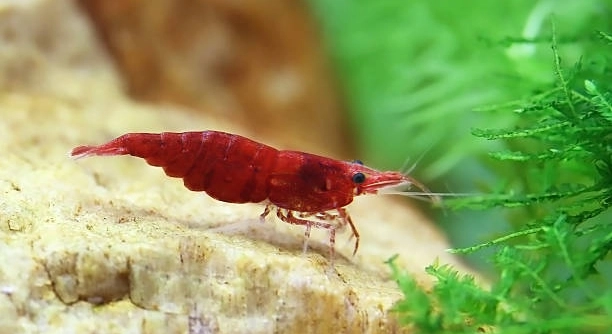
Have you ever noticed your cherry shrimp shifting into lively movements before shedding their old shells, observing how their tiny bodies seem more active as they prepare for this natural change in their routine today.
Cherry shrimp increase activity before molting because movement enhances water circulation around the exoskeleton, aiding its loosening. This behavior corresponds with internal physiological shifts that prepare the body for successful shedding, promoting proper development within their aquatic environment for stability.
These lively movements signal important changes underway, helping you understand their delicate molting cycle and encouraging a closer look today.
Understanding Pre Molt Behavior
Cherry shrimp show small shifts in movement before molting, and understanding these actions makes their care feel more natural. Their increased activity supports body changes beneath the shell, helping you recognize signs that are easy to overlook. When you see these patterns, it becomes easier to respond with calm adjustments that keep their environment steady. I have noticed that stable conditions help shrimp transition smoothly, especially when water parameters remain gentle and predictable. Small details matter, including consistent temperatures, balanced minerals, and safe hiding places. These elements work together, allowing shrimp to move freely without stress. Their dance-like behavior often means the new exoskeleton is forming, so they need conditions that support this delicate phase. You might feel more confident once you know these signs come from normal processes rather than disorder. By focusing on patterns, you guide care with consistency, ensuring molting becomes a natural part of routine each day.
These movements become more noticeable as the shell loosens, and understanding them helps you support your shrimp without overreacting. Their actions link directly to internal changes, showing that their behavior reflects growth. With stable conditions, their preparation remains smooth and predictable, allowing them to shed safely in a calm manner.
Preparing for a smooth molt begins with caring for the environment they depend on. Clean water, balanced minerals, and steady temperatures help keep their bodies ready for change. When I watch mine, I notice how much calmer they seem when their tank conditions stay stable. Soft hiding places give them room to complete the process without disturbance. Their increased activity is simply part of their natural rhythm, so keeping things steady helps them finish this phase safely. With small adjustments, you create a space that supports healthy molts and keeps your shrimp comfortable as they move through this delicate stage.
Supporting Healthy Molting Conditions
Stable water chemistry plays a major role in keeping cherry shrimp safe during this sensitive stage. Maintaining gentle parameters, providing natural structures, and keeping the tank clean help them adjust without stress. Their movements become easier to understand when you know they are responding to internal changes that support growth.
Creating a stable environment for cherry shrimp requires a steady routine that keeps their needs balanced each day. Their molting cycle depends heavily on water quality, so gentle maintenance becomes important. Regular partial water changes keep minerals consistent, and this consistency supports the structure of the new shell forming beneath the old one. I find that observing small shifts in behavior helps me understand when they need extra stability. When their movements increase, it is often a sign that the body is preparing for release from the old exoskeleton. Soft plants, small caves, and leaf litter offer calm spaces where they can rest as the process continues. These spaces reduce stress, allowing the shrimp to focus on shedding without sudden interference from tank mates or bright lighting. Stable temperatures also influence their ability to transition smoothly. Fluctuations can cause unnecessary tension, so keeping the tank within a narrow range benefits their overall comfort. A gentle current helps carry waste away without disturbing their behavior. Once the molt begins, your shrimp benefits from a balanced environment that supports hydration and movement. By keeping conditions predictable, you help ensure the molting cycle completes smoothly, keeping your shrimp healthy and ready for growth.
Recognizing Stress During Pre Molt Activity
Stress signs can appear when cherry shrimp prepare to molt, and noticing them early helps maintain stability. I watch for reduced appetite, irregular swimming, or hiding that seems excessive. These signals remind me to check water conditions and ensure nothing is disrupting their natural rhythm before the molting process begins.
Keeping an eye on these indicators allows adjustments that keep your shrimp comfortable as their bodies shift beneath the shell. I try to maintain calm conditions, making sure filtration stays gentle, food is offered lightly, and mineral levels remain balanced. When stress appears, steady care prevents complications that may interrupt the cycle. Shrimp rely on predictable surroundings, so removing sudden changes helps them prepare smoothly. Watching their patterns gives you clues that support timely responses. These simple habits improve their well being by reducing strain during this sensitive period. With careful observation, the molting process becomes safer and more consistent.
Maintaining a calm tank helps cherry shrimp stay steady while internal changes continue. I focus on small details like avoiding overfeeding, preventing overcrowding, and keeping light levels soft. These factors influence how relaxed they feel during pre molt stages. When signs appear, minor shifts in care can support their comfort. Stable temperatures, gentle current, and natural hiding areas reduce unnecessary pressure. Shrimp depend on consistency because sudden disturbances can make molting harder. By keeping their space predictable, you give them the structure they need to complete this phase safely. These simple steps strengthen their overall stability throughout molting each day.
Improving Tank Stability
Tank stability affects how smoothly cherry shrimp handle their molting cycle, and small changes can influence their comfort. I keep an eye on mineral levels, gentle filtration, and clean surfaces. These factors help them move freely without added tension. Stable parameters create a safe environment that supports predictable behavior during pre molt activity, encouraging healthier transitions. Consistent temperatures and balanced feeding routines further strengthen their ability to stay calm through this sensitive preparation stage today.
A balanced tank becomes essential when cherry shrimp reach the point where their exoskeleton begins loosening. I make sure water changes remain gentle, avoiding sudden shifts that could unsettle their behavior. Soft plants, leaf litter, and shaded spots give them room to rest as their bodies adjust. Keeping the current mild prevents unnecessary stress, allowing them to move without pressure. I find that maintaining stable mineral levels supports the new shell forming beneath the old one. Clean surfaces also matter because debris can irritate shrimp when they are sensitive. Careful feeding ensures excess food does not decay and disrupt water chemistry. Every detail contributes to a predictable environment that keeps their behavior steady. With controlled conditions, the molting cycle becomes safer, helping shrimp stay strong.
Observing Subtle Behavioral Shifts
Cherry shrimp often show gentle changes in movement as the shell loosens. I notice slight flicking, increased pacing, and short swims between plants. These actions help me understand when they are preparing for their next molt, making it easier to support them with calm, steady conditions.
Their appetite may change slightly, and they might seek quiet spaces more often. I watch how they interact with their surroundings because these patterns help reveal when their bodies are adjusting. Small signs like these make it clear they are preparing for a natural, healthy transition.
Encouraging Natural Movement
Supporting natural movement helps cherry shrimp stay comfortable as they prepare to shed. I keep decorations simple, giving them room to move without obstacles that could increase stress. Soft plants offer resting spots where they can pause as their bodies progress through this phase. A gentle current encourages movement without forcing them to struggle, helping waste drift away while keeping the environment calm. When the tank stays predictable, their actions remain smooth and steady. I avoid rapid changes in lighting or loud disturbances. Their bodies respond best to consistency, allowing the molting cycle to progress at a natural pace.
Identifying When Molting Is Near
If their movements become more focused and they pause near sheltered areas, it often means the molt is close. I check that the tank remains calm, giving them space to complete this sensitive stage safely.
FAQ
Why do cherry shrimp move more before molting?
They move more because their bodies are loosening the old shell. I notice this increased motion helps them adjust as pressure builds beneath the exoskeleton. This activity supports circulation and keeps their bodies flexible, making it easier for them to break free once the shell becomes ready to release.
How can I tell if my shrimp are stressed before molting?
Stress appears through unusual hiding, reduced appetite, or frantic movement. I watch for sudden changes that feel different from their normal patterns. When something looks off, checking water stability usually reveals what needs attention. Calm surroundings help them prepare without added pressure during this sensitive phase.
Should I change the water when my shrimp are close to molting?
Gentle maintenance is fine, but I avoid large shifts. Sudden changes may disrupt their balance and make the molt harder. Small, steady water changes keep minerals consistent and prevent stress. The goal is to maintain a predictable environment that allows their bodies to continue adjusting safely.
How important are minerals for the molting process?
Minerals support shell formation and hydration. Without enough calcium or similar elements, their new exoskeleton can form too softly. I keep mineral levels balanced through remineralized water or gentle supplements, making sure the tank stays stable. Proper minerals help them build a strong new shell after the old one sheds.
Why do shrimp hide during and after molting?
Their bodies feel vulnerable while the new shell hardens. I often see them tucked behind plants or inside small caves to reduce stress. This habit protects them from tank mates and from unnecessary activity. They return to normal behavior once they feel secure again with their strengthened new shell.
Is it normal for shrimp not to eat before molting?
It is common for appetite to shift slightly. Their bodies focus energy on internal changes, so feeding may slow. I do not worry unless the behavior continues longer than expected. Once the molt finishes, they usually return to normal feeding patterns without any issue.
Can tank mates interfere with the molting process?
Some tank mates can cause stress. Fish that nip or chase make molting more difficult. I prefer calm companions or species that rarely interact with shrimp. When the tank remains peaceful, shrimp can move through the molting cycle without interruptions that could weaken or injure them.
Why do shrimp sometimes molt unsuccessfully?
Unsuccessful molts often come from unstable water conditions or weak mineral balance. I have learned that even small fluctuations affect their ability to break free from the old shell. Keeping the tank steady reduces risks and strengthens their ability to complete the process safely each time.
Should I remove old molts from the tank?
I leave them in the tank because shrimp often eat parts of their old shell. These pieces restore minerals in a natural way. If the molt remains untouched for a long time, then I remove it, but usually it becomes an easy source of nutrients for them.
How long does it take for cherry shrimp to complete a molt?
The active shedding happens quickly, but the full recovery takes longer. Their new shell needs time to harden, and I avoid disturbing them during this period. Consistent water conditions help them feel secure as their body strengthens. Once the shell firms up, they return to their normal routine.
Why is movement so important in the hours before molting?
Movement keeps their joints flexible and prepares their shell for separation. I notice that shrimp with adequate space and calm surroundings move more freely and molt more cleanly. Their subtle dance reflects a natural process that supports healthy growth and long term stability.
Final Thoughts
Caring for cherry shrimp through their molting cycle becomes much easier once you understand how their behavior connects to the changes happening beneath their shells. Their increased movement, subtle shifts in appetite, and quiet pauses are all small parts of a natural pattern that supports their growth. When I watch them, I notice how consistent conditions make every stage feel calmer and more predictable. A stable tank gives them the structure they depend on, and this stability influences everything from their activity levels to the success of each molt. Paying attention to these details does not require complex steps. It simply means keeping their space steady, clean, and gentle enough for their bodies to adjust at their own pace. The more familiar you become with these patterns, the easier it is to respond with confidence rather than concern.
Supporting cherry shrimp during molting means focusing on the environment they rely on each day. Small changes, like keeping mineral levels balanced or avoiding sudden temperature shifts, play a major role in helping them move through molting without added pressure. Their bodies work hard during this time, so steady conditions allow them to complete the process safely. Calm lighting, soft hiding places, and gentle currents make their surroundings comfortable while they shed and recover. I find that observing their behavior helps reveal what they need, especially when their movements become more focused or when they seek shelter more often. These signs are easy to understand once you learn what is normal for them. When their tank remains predictable, they have enough stability to manage the stress of molting without struggling against sudden changes.
Understanding their pre molt dance and the actions that follow helps you develop care routines that protect their well being long term. Cherry shrimp show their needs through movement, appetite, and their reactions to the environment around them. When you respond with consistent maintenance and a calm setup, you create a space where they can grow naturally and safely. Their molting cycle becomes less of a mystery and more of a familiar rhythm that fits into your regular care. Over time, these small observations and steady habits strengthen their overall health, allowing them to thrive with fewer complications. By giving them a stable, peaceful environment and paying attention to the signals they share, you support their entire life cycle in a gentle and thoughtful way that keeps them secure as they continue to develop.

Hello,
If you enjoy the content that we create, please consider saying a "Thank You!" by leaving a tip.
Every little bit helps us continue crafting quality advice that supports the health, happiness, and well-being of pets around the world, for pets of all shapes, sizes, and species.
We really appreciate the kindness and support that you show us!