
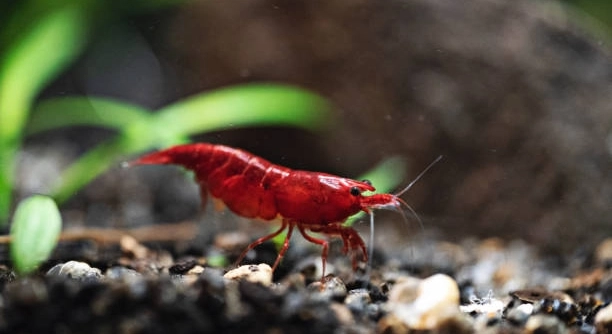
Shrimp are small but fascinating creatures that live in both freshwater and saltwater environments. They follow precise routines in their daily lives, especially when it comes to preparing for reproduction. Observing their behaviors can reveal hidden details.
Before shrimp lay eggs, they engage in specific behaviors that ensure the survival of their offspring. These actions include molting, selecting safe habitats, and synchronizing mating activities, all of which maximize reproductive success and protect the developing eggs.
Learning about these behaviors can help aquarists and marine enthusiasts better understand shrimp life cycles and support healthy breeding environments. The following details show the steps shrimp take before laying eggs.
Molting Before Mating
Before shrimp can lay eggs, they often go through a molting process. This is when they shed their old exoskeleton and form a new, softer one. Molting is essential because it allows females to grow and become physically ready for reproduction. During this stage, shrimp are more vulnerable, so they tend to hide among plants or rocks to avoid predators. Molting also signals readiness to nearby males, who may be more active in seeking out females. The new exoskeleton gives females flexibility to carry eggs comfortably, and it ensures their bodies are strong enough to survive the demands of egg-laying. Observing a molting shrimp requires patience because they move less and remain hidden. This quiet period is critical for their health, growth, and reproductive success. After molting, females are prepared to mate, making this stage one of the most important steps in the reproductive cycle.
Molting is a natural and frequent process that directly affects a shrimp’s ability to reproduce successfully.
Being aware of molting behaviors helps maintain shrimp tanks or natural habitats, ensuring females are safe and prepared for egg-laying. Recognizing these subtle cues can also indicate a healthy, thriving population, allowing for timely care, feeding adjustments, and minimal stress during this sensitive stage.
Selecting a Safe Habitat
Shrimp choose safe, sheltered areas before laying eggs to protect themselves and future offspring.
Finding the right habitat is critical because eggs and young shrimp are highly vulnerable to predators and environmental stress. Females often move to areas with dense vegetation, rocks, or crevices that provide both protection and stable conditions. Water quality, including temperature, salinity, and pH, also influences their selection. A safe habitat reduces risk during molting and egg-carrying periods, increasing survival chances. Males may follow females to the same location to ensure mating occurs in a secure space. In aquariums, providing hiding spots and maintaining clean water replicates these natural conditions. Observing shrimp moving deliberately toward these areas indicates readiness to reproduce. Safe habitats are not only about protection but also about convenience. Eggs remain attached to females until hatching, so being in a stable environment minimizes the chance of eggs being lost or damaged. Ensuring the habitat meets these conditions helps shrimp complete their reproductive process efficiently, supporting healthy populations.
Synchronizing Mating
Shrimp often coordinate their mating activities with environmental cues, like water temperature and light cycles. Timing is important to increase the chances of successful fertilization and ensure that eggs develop in favorable conditions.
This synchronization helps shrimp maximize reproductive success. Females release pheromones when they are ready, signaling males in the area. Males respond by increasing activity and seeking out receptive females. In nature, these cues align with seasonal changes, ensuring offspring hatch during periods with abundant food. In aquariums, consistent lighting and temperature can support this natural rhythm. Synchronization also reduces energy waste, as males do not pursue unreceptive females, and females can attract mates efficiently.
Coordinating mating behavior ensures eggs are fertilized under optimal conditions, giving young shrimp the best start. Timing, environmental stability, and chemical signals all play key roles in this precise process.
Cleaning and Preparing the Body
Before laying eggs, shrimp spend time cleaning themselves and arranging their limbs to hold eggs securely. Grooming ensures no debris interferes with egg attachment and development.
Shrimp often use their appendages to carefully remove dirt and algae from their bodies, focusing on areas where eggs will attach. This grooming is repeated frequently in the days before laying eggs. A clean body reduces the risk of fungal or bacterial infection on the eggs. Females also adjust the positioning of swimmerets, tiny limbs under the abdomen, to create a stable, ventilated area for egg attachment. Proper preparation supports oxygen flow around the eggs and keeps them safe from falling off.
This preparation period is critical because it directly affects the survival rate of the eggs. Cleanliness, correct limb positioning, and careful grooming ensure that eggs remain healthy throughout development. The effort shrimp put into this process highlights the importance of maternal investment in reproductive success.
Gathering Nutrients
Before laying eggs, shrimp increase their food intake to store energy for reproduction. They focus on nutrient-rich foods that support egg development and overall health.
This extra nourishment is crucial because producing eggs requires significant energy. Shrimp often eat algae, detritus, and small particles that provide proteins and minerals necessary for strong, healthy eggs.
Strengthening the Abdomen
Shrimp develop muscle tone and flexibility in their abdomen before carrying eggs. This allows them to hold eggs securely under their body without strain.
By moving and flexing their abdomen regularly, females ensure swimmerets are strong enough to ventilate eggs. Healthy abdominal muscles also improve mobility, helping them escape predators while carrying eggs.
Egg Attachment
Females carefully attach fertilized eggs to their swimmerets, ensuring they are secure and evenly spaced for optimal development.
Proper attachment prevents eggs from falling off and ensures each one receives sufficient oxygen through constant movement of the swimmerets.
How long does it take for shrimp to lay eggs after mating?
After mating, female shrimp usually begin carrying eggs within a few days, depending on the species and environmental conditions. Factors like water temperature, diet, and habitat safety can slightly accelerate or delay egg-laying. In ideal conditions, fertilized eggs are attached to the swimmerets and ready for development quickly.
Egg-laying is a delicate process. Females ensure their bodies are clean and prepared before starting. They position their abdomen correctly and carefully attach each egg to the swimmerets. Proper attachment ensures eggs stay secure during swimming and hiding, protecting them from predators and debris. Maintaining stable water conditions helps the process proceed smoothly, giving eggs the best chance of survival.
What do shrimp eat before laying eggs?
Before laying eggs, shrimp focus on nutrient-rich foods to build energy reserves. Algae, detritus, biofilm, and small particles of protein are commonly consumed. These foods provide vitamins and minerals essential for egg health and overall maternal strength.
Shrimp increase their food intake gradually, paying attention to sources that support reproduction. A well-fed female is better able to produce eggs that are viable and resilient. Clean water and adequate hiding spaces allow females to feed safely, without stress, ensuring energy is conserved for the demanding process of carrying eggs.
How can I tell if a female shrimp is ready to lay eggs?
Signs of readiness include molting, increased grooming, and more frequent visits to sheltered areas. Females may also show behavioral changes, such as increased activity when males are nearby or gentle swaying of the abdomen.
Physical signs include a soft exoskeleton after molting and clear, well-developed ovaries visible through the translucent body of some species. Females often clean their swimmerets in preparation for egg attachment. Observing these behaviors helps aquarists understand when the female is prepared, allowing better care and protection during the critical reproductive period.
Do all shrimp species lay eggs in the same way?
Not all shrimp species follow identical reproductive behaviors, but many share core steps. Most attach eggs to swimmerets and carry them until they hatch, while some species release eggs into the water column or bury them in sediment.
Environmental preferences and habitat safety influence these behaviors. Freshwater species may seek dense plant areas, while marine shrimp look for crevices or rocky shelters. Despite differences, the underlying goal is the same: protecting eggs and ensuring offspring survival. Observing species-specific patterns helps in maintaining proper habitats in tanks or natural environments.
How long do eggs take to hatch?
Hatching time depends on species, temperature, and water quality. Generally, eggs take from one to four weeks to develop. Warmer, stable conditions often accelerate hatching, while cooler temperatures slow the process.
Females constantly move their swimmerets to circulate water around the eggs, providing oxygen and reducing the risk of fungus. Proper care during this period ensures a higher survival rate. In aquariums, monitoring water parameters and keeping the habitat stress-free supports healthy development, allowing larvae to hatch successfully and begin their independent lives.
Can female shrimp lay multiple batches of eggs?
Yes, many female shrimp can produce multiple batches of eggs over their lifespan, often repeating the process every few weeks to months. Each batch requires careful preparation, molting, and nutrient buildup.
Continuous access to food and safe hiding spaces supports repeated reproduction. After hatching, females may take a short recovery period before preparing for the next batch. Observing natural behaviors like grooming, habitat selection, and abdominal flexing helps indicate when a female is ready to produce eggs again, ensuring each batch is healthy and well-developed.
What should I do to help my shrimp successfully lay eggs?
Provide clean water, stable temperature, nutrient-rich food, and plenty of hiding spaces. Avoid overcrowding and sudden changes in water quality, as stress can prevent egg-laying or damage attached eggs.
Regularly monitor females for molting, grooming, and egg attachment behaviors. Remove potential predators or aggressive tankmates. Ensuring consistent conditions, a proper diet, and secure habitats allows females to focus on reproduction naturally. Small adjustments, like adding plants or rocks, can make a noticeable difference in egg attachment success and overall shrimp health.
Are there common problems that affect shrimp egg-laying?
Problems include poor water quality, lack of nutrients, stress from predators, or inadequate hiding spaces. Eggs may fall off swimmerets or fail to develop under suboptimal conditions.
Monitoring tank conditions, feeding a balanced diet, and providing shelters can prevent most issues. Observing female behavior helps identify stress or health concerns early. Intervening when necessary, such as adjusting temperature or cleaning the habitat, supports successful egg-laying and healthy offspring. Prevention and attention to detail are key to avoiding common reproductive challenges in shrimp.
This FAQ provides practical insights into shrimp reproductive behavior and helps ensure the health of both females and their developing eggs. Proper care, observation, and habitat management make a measurable difference in successful egg-laying.
Word count: 507
Shrimp are fascinating creatures with carefully timed behaviors that prepare them for reproduction. From molting to gathering nutrients, each step serves a clear purpose. These behaviors are not random but carefully coordinated to give eggs the best chance of survival. Understanding these steps can make observing shrimp much more rewarding, whether in a natural habitat or an aquarium. Watching a female shrimp move to a sheltered area, clean herself, and flex her abdomen before laying eggs shows how precise and delicate this process is. It is easy to overlook how much effort goes into preparing for reproduction, but each action plays a role in ensuring that offspring survive. This careful preparation is a reminder that even small creatures like shrimp have complex lives that are worth noticing.
Providing the right conditions for shrimp is important if you are caring for them in an aquarium. Clean water, stable temperatures, and hiding spaces are all critical for supporting healthy egg-laying. A nutrient-rich diet helps females develop strong, viable eggs, while shelters protect them during vulnerable times like molting. Observing these behaviors gives insight into their needs and shows how the environment directly affects their reproductive success. A tank that mimics natural conditions allows shrimp to display these behaviors naturally, reducing stress and increasing the likelihood that eggs will survive and hatch successfully. Even small changes, like adding more plants or adjusting lighting, can have a noticeable effect on shrimp behavior and reproductive health.
Paying attention to shrimp behavior can also be educational and rewarding. By noticing molting, grooming, and egg attachment, it is possible to see how these animals invest effort into their next generation. Each step, from selecting a safe habitat to carefully securing eggs, demonstrates their instinctive drive to reproduce successfully. Whether in an aquarium or observing shrimp in the wild, understanding these patterns helps appreciate their life cycles. It also reinforces the importance of proper care and habitat management, showing how humans can support these natural processes. Recognizing these behaviors and providing the right environment ensures that shrimp can thrive and continue their reproductive cycle. Observing this small but intricate process highlights the balance of nature and the care required to support even the tiniest creatures.
Word count: 417

Hello,
If you enjoy the content that we create, please consider saying a "Thank You!" by leaving a tip.
Every little bit helps us continue crafting quality advice that supports the health, happiness, and well-being of pets around the world, for pets of all shapes, sizes, and species.
We really appreciate the kindness and support that you show us!