
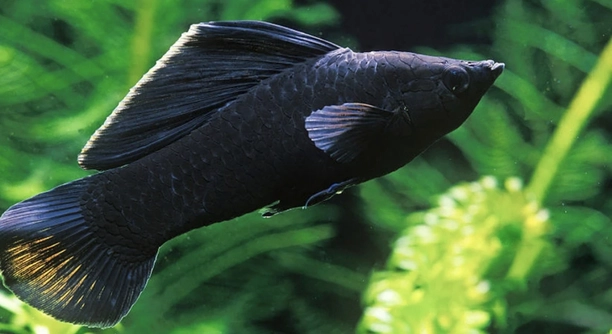
Black Mollies are small, lively fish that often capture attention in home aquariums. Many hobbyists notice them gathering near light sources during the evening or when the tank is illuminated. Their behavior can be both fascinating and puzzling.
Black Mollies are naturally drawn to light due to their feeding patterns and instinctual attraction to illuminated areas, which often indicate food presence or safer swimming zones. Light provides a consistent environmental cue guiding their movement and activity.
Observing their habits near light can reveal insights into their behavior and improve your approach to maintaining a healthy aquarium.
Why Black Mollies Are Attracted to Light
Black Mollies often swim near light because it simulates the conditions they naturally prefer. In the wild, they are accustomed to brighter areas where food is abundant, and they can see potential threats more clearly. In a tank, the light creates a safe zone and encourages exploration. The glow of aquarium lights highlights floating food particles, making it easier for them to locate meals. Over time, they learn to associate the illuminated areas with feeding times, which reinforces this behavior. Light also helps them maintain their circadian rhythm, regulating activity levels and rest periods.
Their attraction to light is mostly instinctual and linked to survival patterns.
Maintaining consistent lighting schedules and placing food strategically can help guide their movement. Observing where they gather helps you understand their preferences and provides insight into their health. Light placement also affects how comfortable they feel, as too dim or overly bright settings can stress them. Adjusting light intensity gradually allows them to acclimate, promoting natural swimming behavior and balanced activity.
How Lighting Affects Feeding and Activity
Light encourages active swimming near the surface.
Proper lighting stimulates feeding and social interaction among Black Mollies. It signals mealtime and helps fish locate food more efficiently. When lights are on, mollies are more alert, swimming in groups and interacting with their environment. Controlled light schedules prevent overfeeding and maintain natural activity cycles, reducing stress. Consistent illumination also allows observation of their health, as behavior changes become easier to notice. Too much light can cause them to hide or become restless, while too little may slow movement and feeding. Gradually adjusting intensity can balance activity and comfort.
Observing your Black Mollies under varying light conditions provides insights into their preferences and well-being. You can track patterns in swimming, feeding, and social behavior to ensure the tank environment supports their natural instincts. Using timed lighting or dimmable bulbs allows a balance between activity periods and rest, mimicking natural light changes. Strategic light placement near feeding areas encourages consistent movement while preventing stagnation in tank corners. Monitoring how they respond to changes helps refine care routines. Light also enhances the appearance of their black coloration, making them more vibrant. Proper lighting, combined with a clean tank and regular feeding, contributes to healthier and more active mollies overall.
Adjusting Tank Lighting for Black Mollies
Light placement affects where Black Mollies spend most of their time. Proper positioning ensures they swim comfortably and reach feeding areas easily. Bright lights near the surface encourage natural movement while shaded zones offer resting spaces. Gradual changes prevent stress and support normal behavior.
Using adjustable or dimmable lights helps mimic natural conditions. Black Mollies respond well to gradual shifts in brightness throughout the day, which can reduce anxiety and promote healthier activity levels. Combining brighter areas for feeding with gentle shadows for resting encourages balanced movement. Observing how they react allows you to refine light placement, keeping the tank environment comfortable and stimulating for them.
Consistent lighting schedules support their circadian rhythm and feeding habits. By providing both illuminated and calmer areas, you create a more natural setting that encourages exploration without overwhelming them. This approach reduces stress, keeps them active, and enhances overall well-being. Adjusting lighting based on their behavior also makes monitoring health easier, as changes in swimming or feeding patterns become noticeable. Thoughtful lighting creates a more dynamic and visually appealing tank while prioritizing their comfort.
Using Light to Encourage Healthy Behavior
Proper light encourages swimming and social interaction. Black Mollies are more active when illumination is consistent and appropriately positioned.
Light plays a key role in maintaining healthy behavior. Mollies use brightness to locate food and navigate their environment efficiently. When light is predictable, they develop routines that improve feeding and reduce stress. Overly dim or harsh lighting can disrupt activity, making fish either hide or become restless. Observing their responses helps identify ideal light levels and placement, ensuring their environment supports natural behaviors.
Consistent lighting also aids in monitoring their health. Changes in activity, color, or social interaction are easier to spot under stable illumination. Strategic light placement supports feeding schedules, encourages movement, and promotes social engagement among the fish. Adjustable lighting allows a balance between activity and rest, preventing fatigue or overstimulation. Proper light intensity enhances their natural coloration, making the tank visually appealing while supporting wellness. This thoughtful approach to illumination ultimately creates a healthier, more comfortable environment for Black Mollies.
Common Mistakes with Aquarium Lighting
Overly bright lights can stress Black Mollies, causing them to hide or swim erratically. Conversely, insufficient lighting may reduce activity and feeding response. Balancing brightness is essential for their comfort and natural behavior.
Placing lights too close to decorations or the tank surface can create sharp contrasts. Shadows and glare may confuse the fish, affecting movement and exploration. Gradually adjusting light intensity helps them adapt while maintaining normal routines. Observing their behavior under different setups ensures a more stable and healthy environment.
Feeding Patterns Near Light
Black Mollies often associate light with feeding times. Illuminated areas help them locate food faster, promoting regular and active eating habits.
Light Duration and Schedule
Keeping lights on for long periods can disturb their circadian rhythm. A consistent schedule with on and off periods supports natural activity cycles.
FAQ
Why do Black Mollies swim near the light?
Black Mollies are naturally drawn to illuminated areas because light signals food availability and safety. In a tank, light makes it easier for them to spot floating food and navigate their environment. They also instinctively use light to guide their movement and maintain normal activity levels.
Can too much light harm Black Mollies?
Yes, excessive brightness can stress Black Mollies, causing them to hide or swim frantically. Prolonged exposure may also disrupt their natural circadian rhythm, reducing activity and feeding. Adjusting light intensity and duration helps create a comfortable environment that supports normal behavior and overall health.
How long should aquarium lights stay on?
Lights should generally stay on for 8–12 hours a day, depending on tank setup and plant life. Maintaining a consistent schedule supports feeding patterns and circadian rhythm, while providing shaded areas allows mollies to rest. Gradual changes in light duration help prevent stress.
Does light affect their social behavior?
Yes, light encourages Black Mollies to swim actively and interact with tank mates. Proper illumination promotes group movement, feeding coordination, and exploration. Conversely, dim or inconsistent lighting can make them more withdrawn or lethargic, affecting social dynamics in the tank.
Should lights be placed near feeding areas?
Placing lights near feeding zones helps Black Mollies locate food more easily. It also trains them to associate illuminated spots with meals, encouraging movement and activity. Avoid overly bright or concentrated beams, as they may cause stress instead of guiding behavior.
Do Black Mollies prefer natural or artificial light?
They adapt well to artificial light as long as intensity and duration mimic natural conditions. Gradual changes in brightness and a mix of illuminated and shaded areas help simulate outdoor environments, keeping their behavior natural and stress-free.
Can light enhance their color?
Yes, proper lighting makes their black coloration appear more vibrant. Balanced illumination highlights their natural beauty while supporting healthy behavior and feeding patterns. Overly harsh or weak light, however, can dull colors and increase stress.
How do I know if the lighting is correct?
Observe their swimming, feeding, and resting behavior. Active swimming near light, regular feeding, and use of shaded areas indicate proper lighting. Signs of hiding, lethargy, or erratic movement suggest adjustments are needed. Gradual changes help them adapt without causing stress.
Is it necessary to have a timer for the lights?
Using a timer ensures consistency, maintaining their natural activity and feeding schedules. It prevents overexposure or irregular lighting that could disturb circadian rhythm. Timers also simplify tank maintenance, letting you focus on care without constant manual adjustments.
Do Black Mollies need different light at night?
They do not require bright lights at night. Darkness or dim ambient lighting supports rest and natural sleep cycles. Avoid sudden lighting changes, which can startle them and disrupt behavior. Gradual transitions between light and dark are ideal for their well-being.
Can changing the light type affect behavior?
Yes, switching between different bulbs or light spectrums may temporarily alter swimming and feeding behavior. Gradually introducing new lighting allows mollies to adapt, preventing stress and maintaining natural movement patterns. Observing their reactions helps determine the best light type.
Does light affect tank plants and environment?
Yes, lights that benefit plants also influence Black Mollies. Healthy plants provide hiding spots, oxygen, and natural boundaries. Choosing light that balances plant growth and fish comfort creates a harmonious environment supporting activity, health, and stress reduction.
How often should I adjust the lighting?
Adjust only when necessary, such as changes in tank setup, plant growth, or mollies’ behavior. Frequent adjustments can stress the fish. Gradual changes in placement or intensity are safest for maintaining consistent activity and feeding patterns.
Can lights help prevent aggression among mollies?
Indirectly, yes. Proper lighting promotes normal swimming and social behavior, reducing stress-related aggression. Fish that are comfortable and active are less likely to become territorial or display chasing behavior. Balanced light encourages group swimming and harmony within the tank.
What is the best way to combine lighting with feeding schedules?
Turn on lights shortly before feeding to encourage activity. Keep illumination consistent during meals so Black Mollies associate light with food. After feeding, maintain a moderate light period to allow exploration and digestion, then transition to shaded or dark periods for rest.
Do juvenile and adult Black Mollies respond differently to light?
Juveniles may gather closer to brighter areas for safety and easier food access, while adults are more experienced at navigating shaded zones. Adjust light placement to accommodate both age groups, providing a mix of bright feeding zones and calm resting areas.
Can light stress affect their health long-term?
Chronic stress from poor lighting can lead to reduced immunity, slower growth, and behavioral changes. Proper light intensity, duration, and placement support well-being, feeding habits, and overall longevity, ensuring mollies remain healthy and active.
How do I balance decorative lighting with their needs?
Decorative lights can enhance the tank’s look but should not compromise mollies’ comfort. Keep accent lighting moderate and maintain primary light for feeding and activity. Avoid flashing or intense colored lights that may confuse or stress them.
Is natural sunlight beneficial for Black Mollies?
Direct sunlight is not recommended as it can overheat the tank and encourage algae growth. Indirect natural light can complement artificial lighting if controlled carefully. Consistency in artificial light remains the priority for their comfort and behavior.
What signs indicate the lighting is too weak?
Reduced swimming, sluggish feeding, and staying in tank corners are common signs. Mollies may also appear less vibrant in color. Increasing light gradually or relocating bulbs can help restore activity and natural behavior.
How quickly do they adapt to new lighting?
Adaptation varies but typically takes a few days to a week. Gradual intensity changes, consistent schedules, and observation of behavior ensure a smooth transition and prevent stress during the adjustment period.
Can different colors of light affect them differently?
Yes, cooler white or daylight bulbs tend to encourage natural behavior and feeding. Colored or overly warm lights may reduce activity or cause stress. Observation helps determine which light spectrum best supports comfort and visibility.
Are there any special tips for nighttime lighting?
Dim ambient light can support observation without disturbing rest. Avoid turning lights on suddenly at night, and ensure gradual transitions between dark and light periods to maintain normal circadian rhythm.
Can light intensity affect tank temperature?
High-intensity lights can slightly raise water temperature. Monitoring temperature alongside light placement ensures mollies remain in a comfortable range. Using LED lights reduces heat production while maintaining adequate brightness.
Is it necessary to turn off lights during vacations?
Using a timer allows lights to remain on a regular schedule while you’re away. Sudden changes or leaving lights on continuously can stress the fish. Timers ensure consistent day-night cycles, feeding cues, and overall tank stability.
How important is light for observing health issues?
Proper lighting makes changes in swimming, coloration, and behavior easier to notice. Bright but balanced light helps detect illness or stress early, allowing intervention before problems worsen. It also makes monitoring social interactions more effective.
Can lights replace other enrichment?
No, light alone cannot replace plants, hiding spots, or proper tank setup. While it guides behavior, providing diverse spaces and stimulation ensures healthy movement, exploration, and social interaction for Black Mollies.
How often should bulbs be replaced?
LEDs last longer, but regular checks ensure consistent brightness. Replace bulbs showing dimming or color changes to maintain ideal lighting conditions and support natural behavior, feeding, and overall health.
Do Black Mollies prefer a gradual light change in the morning?
Yes, gradual light increases mimic sunrise, helping them wake naturally. Sudden bright lights can startle them, while slow transitions support calm and steady swimming, feeding, and interaction with tank mates.
Is it okay to combine multiple light sources?
Combining lights is fine if intensity is balanced and shadows are minimized. Use main lights for feeding and movement, and accent lighting for visual appeal. Ensure bright spots are not overwhelming, and shaded areas remain accessible for rest.
Can improper lighting affect breeding?
Yes, inconsistent or harsh lighting can disrupt spawning behavior. Proper day-night cycles, moderate brightness, and stable placement encourage natural mating patterns and healthier offspring. Gradual light transitions are particularly important during breeding periods.
Do Black Mollies sleep in the dark?
They rest in dim or dark areas, reducing activity while maintaining alertness. Providing shaded spaces or turning off lights during night hours supports their natural rest cycles and overall well-being.
How do I know if lighting changes are effective?
Monitor swimming patterns, feeding habits, social interaction, and color vibrancy. Improvements in activity, reduced hiding, and consistent behavior indicate that lighting adjustments are successful and support their comfort.
Can light help reduce algae issues?
Indirectly, yes. Controlled lighting schedules prevent excessive algae growth caused by overexposure to bright light. Balancing duration and intensity supports fish health and maintains a cleaner tank environment.
Is LED or fluorescent better for Black Mollies?
LEDs are generally preferred due to low heat output, energy efficiency, and adjustable brightness. Fluorescent lights are also suitable but may require more frequent replacement and careful positioning to avoid overheating or glare.
Can light intensity affect aggression during feeding?
Yes, overly bright spots may trigger competition or stress, increasing chasing behavior. Moderate, even illumination encourages calm feeding, balanced social interaction, and reduces stress-related aggression among tank mates.
How should I adjust lighting for mixed-species tanks?
Observe all species’ preferences and activity levels. Balance brightness to accommodate more sensitive fish while still providing adequate light for Black Mollies. Creating shaded areas and gradual transitions ensures all species can feed and rest comfortably.
Does tank size influence lighting needs?
Larger tanks may require more powerful or multiple light sources to ensure even coverage. Smaller tanks need moderate brightness to avoid stress. Adjust intensity and placement to match tank dimensions, ensuring comfortable and safe conditions for Black Mollies.
Can seasonal changes affect lighting needs?
Artificial lighting generally provides consistency year-round, but natural daylight variations may require adjustments. Maintain predictable schedules and gradual intensity changes to mimic natural conditions without disrupting their routine.
Is it necessary to adjust lighting for water clarity?
Yes, murky or tinted water reduces light penetration. Adjust intensity carefully to maintain visibility, support feeding, and prevent stress. Proper filtration also complements lighting for optimal tank conditions.
Do Black Mollies react to moving light or reflections?
Yes, moving or flickering light can cause stress or erratic swimming. Avoid reflective surfaces or fluctuating light sources, and use stable placement to maintain calm behavior and predictable movement patterns.
How important is consistency in lighting?
Consistency is crucial for activity, feeding, and social behavior. Irregular light schedules can stress Black Mollies, disrupt routines, and negatively impact health. Using timers and stable placement ensures predictable conditions and reduces stress.
Can lights improve visibility for tank maintenance?
Yes, proper illumination helps monitor water quality, health, and cleanliness. Bright but balanced lighting makes it easier to spot waste, algae, or changes in fish behavior, allowing timely maintenance and intervention.
Should lighting be adjusted for seasonal breeding?
Yes, replicating natural day length and gradual changes supports reproductive behavior. Stable light cycles combined with shaded areas encourage mating and improve the likelihood of healthy fry development.
Do Black Mollies prefer top or bottom lighting?
Top lighting is most effective, simulating natural sunlight and enhancing surface visibility. Bottom lighting may be useful for decorative purposes but does not replace the functional role of overhead illumination in feeding and movement.
Can lighting affect water temperature significantly?
High-intensity lights, especially older fluorescent bulbs, can slightly increase temperature. Monitoring and adjusting as needed prevents overheating, maintaining a stable environment suitable for Black Mollies’ comfort and health.
Are there signs that mollies are happy with the lighting?
Active swimming, regular feeding, use of both bright and shaded areas, and vibrant coloration indicate satisfaction. Calm social interaction and minimal hiding are also positive signs that lighting meets their needs.
Does aquarium background affect lighting impact?
Yes, dark backgrounds can enhance perceived brightness and reduce glare, while reflective surfaces may create confusing light spots. Choosing appropriate backgrounds supports consistent illumination and comfortable swimming areas.
Is it okay to combine natural and artificial lighting?
Yes, as long as intensity and timing are controlled. Artificial light should remain consistent, with natural light complementing without causing sudden brightness changes or overheating the tank.
How long does it take to see behavior changes after adjusting lighting?
Changes are usually noticeable within a few days to a week. Mollies gradually adapt to new brightness, placement, or schedules. Monitoring their activity, feeding, and social interaction helps confirm that adjustments are effective.
Can lighting affect their metabolism?
Indirectly, yes. Proper light supports regular feeding and activity patterns, which influence digestion and energy use. Inconsistent or extreme lighting may slow metabolism, affecting growth and overall health.
Do Black Mollies need special lighting for breeding tanks?
Moderate, stable lighting with gradual transitions supports natural breeding behavior. Avoid harsh or overly bright lights that may stress females or males, ensuring a calm environment conducive to spawning.
Can changing the light spectrum affect feeding?
Yes, certain spectrums highlight food particles better, encouraging active feeding. Observing their response helps determine which light color enhances visibility and promotes consistent eating habits.
Does lighting impact water evaporation?
High-intensity lighting can increase evaporation slightly. Monitoring water levels and maintaining proper top-up routines ensures stable conditions for Black Mollies.
Is it necessary to change lighting with seasonal algae growth?
Yes, adjusting duration and intensity helps prevent excessive algae while maintaining proper illumination for mollies. Balanced light schedules reduce algae proliferation and keep the tank visually appealing.
Can Black Mollies detect UV or infrared light?
They are not sensitive to UV or infrared in typical aquarium settings. Visible light is most effective for guiding behavior, feeding, and interaction with the environment.
Do they prefer gradual or sudden changes in light intensity?
Gradual changes are preferred. Sudden shifts can startle them, causing stress or erratic swimming. Slow adjustments allow adaptation while maintaining normal routines.
How do lights affect water plants in Black Molly tanks?
Healthy plants benefit from adequate light, which indirectly supports mollies by providing oxygen, shelter, and natural boundaries. Proper plant growth enhances the tank environment, encouraging exploration and reducing stress.
Should I adjust lighting for different tank depths?
Yes, deeper tanks may require stronger lights or multiple sources to ensure even illumination. Ensuring all levels receive sufficient light supports balanced swimming and feeding behavior.
Can lighting reduce hiding behavior?
Balanced illumination encourages mollies to explore open areas instead of staying hidden. Providing both bright zones and gentle shaded areas allows comfort while promoting active movement.
Do Black Mollies respond to reflective surfaces?
Yes, reflections can confuse or stress them. Avoid placing reflective backgrounds or using strong accent lighting that creates mirrored spots in the tank. Stable, diffused lighting is more effective.
Is it necessary to combine multiple light types?
Combining lights is optional but can enhance visibility and aesthetics. Ensure brightness is balanced, shadows are minimal, and the overall environment remains comfortable for Black Mollies.
How can I test if lighting changes are effective?
Observe swimming, feeding, color vibrancy, and social behavior. Positive changes indicate proper lighting. Continuous monitoring helps fine-tune intensity, placement, and schedules for optimal comfort and activity.
Does light influence Black Mollies’ mood?
Indirectly, yes. Comfortable lighting reduces stress, encourages activity, and promotes normal social behavior, contributing to calmer and healthier fish.
Should I adjust lighting for tank cleaning?
Temporary lighting changes are fine during maintenance. Ensure duration and intensity return to normal afterward to prevent stress and maintain regular routines.
Can long-term poor lighting affect reproduction?
Yes, improper light can reduce mating activity and affect fry health. Stable, moderate illumination with gradual transitions encourages natural reproductive behavior and supports overall health.
Is overhead lighting better than side lighting?
Yes, overhead lighting simulates natural sunlight, enhances visibility, and supports surface feeding. Side lighting may be used for aesthetics but is less effective in guiding behavior.
Do Black Mollies need brighter lights in planted tanks?
Moderate brightness that supports plant growth also benefits mollies. Avoid overly intense lights, which may stress the fish while promoting healthy plants and activity.
Can light affect water temperature fluctuations?
Yes, certain high-intensity bulbs can slightly increase temperature. Monitor water closely to ensure safe and stable conditions for Black Mollies.
How do I maintain a balance between aesthetics and functionality?
Prioritize mollies’ comfort with proper brightness, duration, and placement. Accent lighting or decorative colors can enhance appearance without compromising behavior, feeding, or stress levels.
Is it important to have shaded areas even with consistent lighting?
Yes, shaded zones allow rest and reduce stress. Providing both illuminated and calm areas ensures mollies can explore freely while maintaining natural resting behavior.
Can light impact how easily I spot health issues?
Balanced lighting improves visibility, making it easier to notice changes in swimming, color, or social interaction. Early detection allows timely intervention to maintain health.
Do Black Mollies react differently to LED versus fluorescent lights?
Yes, LEDs produce less heat and offer adjustable brightness, which mollies adapt to well. Fluorescent lights may require careful placement to avoid glare or uneven illumination.
Should lighting be reduced during illness?
Yes, dimmer light can reduce stress and allow mollies to rest while recovering. Gradually returning to normal illumination supports resumed activity and feeding.
Can light affect algae-eating behavior?
Indirectly, yes. Balanced light encourages natural exploration and interaction with plants or surfaces where algae may grow, supporting incidental consumption and maintaining tank cleanliness.
Does tank shape influence lighting setup?
Yes, wide or tall tanks may require multiple light sources for even coverage. Proper placement ensures Black Mollies can access illuminated areas without stress or overcrowding.
How can I create a natural day-night cycle?
Use timers to gradually transition lights on and off. Mimicking sunrise and sunset supports circadian rhythm, feeding schedules, and healthy swimming patterns.
Is it okay to leave lights on when away for a few days?
Timers allow consistent lighting while you’re away. Avoid leaving lights on continuously, as it can stress the fish and disrupt activity cycles.
How do I choose the best light spectrum for Black Mollies?
White or daylight-spectrum lights are most effective. They enhance visibility, natural coloration, and feeding behavior. Colored lights may reduce comfort or activity if too intense.
Can improper lighting affect tank water chemistry?
Indirectly, yes. Overly bright lights can promote algae growth, which may alter pH and oxygen levels. Balanced lighting helps maintain stable water conditions.
Do Black Mollies prefer moving or static light?
Static, stable lighting is preferred. Moving or flickering light can cause stress and erratic swimming. Gradual changes are safest.
**Can light influence how often they swim near the surface
Black Mollies are naturally attracted to light, and understanding this behavior helps create a healthier aquarium environment. Their instinctive response to illuminated areas guides feeding, swimming, and social interaction. In a well-lit tank, they can easily locate food, navigate the space, and maintain their normal activity patterns. Proper light placement also allows them to rest comfortably, providing shaded areas to reduce stress while still encouraging exploration. Observing where they gather and how they respond to light provides insight into their preferences and overall well-being. By paying attention to these details, tank owners can make small adjustments that have a significant impact on the fish’s daily routine and comfort.
Lighting plays a central role in maintaining the health and behavior of Black Mollies. Balanced intensity and consistent schedules support their circadian rhythm, helping regulate activity and rest. Overly bright or harsh light can stress them, while dim or insufficient lighting may slow feeding and movement. Gradual adjustments in intensity or duration allow mollies to adapt naturally without causing panic or hiding behavior. Using timers and dimmable bulbs can simplify this process, ensuring light patterns remain predictable. Proper illumination also enhances their natural coloration, making them more visually striking while reflecting a healthy state. Attention to these factors not only improves their appearance but also encourages regular activity and feeding habits.
Creating an appropriate lighting environment requires observing and understanding your Black Mollies’ responses. Different tanks, plant arrangements, and ages of fish may require slight variations in placement or intensity. Providing both bright and shaded areas allows the fish to choose where they feel most comfortable at any given time. Monitoring behavior, such as swimming patterns, feeding response, and social interaction, gives clear feedback on whether the lighting setup is effective. Thoughtful lighting supports overall well-being, reduces stress, and encourages natural behaviors. Maintaining these conditions ensures that Black Mollies remain healthy, active, and comfortable, contributing to a more balanced and enjoyable aquarium experience.

Hello,
If you enjoy the content that we create, please consider saying a "Thank You!" by leaving a tip.
Every little bit helps us continue crafting quality advice that supports the health, happiness, and well-being of pets around the world, for pets of all shapes, sizes, and species.
We really appreciate the kindness and support that you show us!