
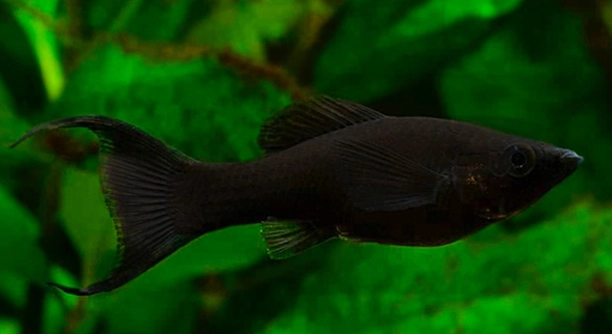
Have you ever noticed your Black Molly fish swimming together and wondered if their behavior changes when they are in a group of three? Watching them interact can be surprisingly engaging, even during a quiet afternoon at home.
Black Molly fish display distinct behavioral patterns when in groups of three. Their swimming becomes more synchronized, social interactions increase, and territorial behavior adjusts, indicating that group size directly influences their movement, feeding, and general activity levels.
Observing these patterns can help you better understand your fish and create a more harmonious tank environment for them.
Social Behavior in Groups of Three
When Black Mollies are in groups of three, their social dynamics shift noticeably. They swim more closely together and often mirror each other’s movements. This behavior is not random; it helps them feel secure and reduces stress. In larger groups, individual fish may hide or become less active, but in threes, each fish has enough space to explore while still maintaining contact with the others. You may notice playful chasing or gentle nudges as they establish their social hierarchy. Feeding times become more interactive as well, with the fish seeming to coordinate their movements to reach food efficiently. Watching them in a small group makes it easier to see subtle differences in personality and behavior. It also allows you to monitor health and activity levels more closely, ensuring that all three fish are thriving. Group size clearly has an impact on their social patterns and comfort.
Smaller groups of three tend to have less aggression and more consistent interaction, making the tank feel calmer overall.
The interactions among three Black Mollies also influence swimming patterns. They often form loose formations, circling the tank together, but rarely cluster too tightly. This balance prevents overcrowding stress and encourages exploration. Each fish appears to assert its own space without constant confrontation. Changes in light or decorations can slightly shift their formations, but the group usually adjusts quickly. This behavior demonstrates their ability to maintain social cohesion while staying flexible to their environment, which benefits both their physical and mental health over time.
Feeding and Territorial Adjustments
In groups of three, feeding becomes smoother and more predictable.
Black Mollies adapt their territorial behavior when they are in a trio. Each fish tends to claim a small area but allows shared spaces for swimming and eating. This reduces constant conflict and makes feeding time more efficient. In my experience, having three fish prevents one from being bullied or excluded, which can happen in larger groups. Territorial displays become shorter and less intense, and chasing is more about gentle nudges than aggressive attacks. This behavior creates a balance where each fish can access food and explore without constant stress. The trio also responds quickly to changes in the tank, like new plants or decorations, showing flexibility in their space management. Understanding these adjustments can help maintain a peaceful tank and ensure all three Mollies are healthy, active, and stress-free. Their interactions provide insight into how group size shapes daily routines, from swimming patterns to feeding and resting areas.
Tank Environment Impact
The tank setup affects how three Black Mollies behave. Plants, hiding spots, and swimming space influence how comfortable they feel and how they interact.
Black Mollies in a trio respond quickly to changes in their environment. Adding plants or rearranging decorations usually sparks a short period of exploration and curiosity. They often investigate new objects together, swimming around cautiously but staying within sight of each other. If the tank is too small, minor stress behaviors like darting or chasing can increase, but a well-organized space helps maintain calm, coordinated activity. Observing these responses helps me adjust their tank to support both social interaction and individual space.
Lighting also changes their behavior slightly. Brighter light encourages swimming and interaction, while dimmer areas provide resting zones. Each fish seems to pick a favorite spot, yet they still interact regularly. This balance between activity and rest is easier to notice in groups of three, showing how the environment directly impacts daily routines and comfort levels.
Health and Observation
Regular observation helps maintain the health of three Black Mollies. Stress or illness can be spotted earlier.
I watch them closely for changes in color, appetite, or swimming patterns. Minor shifts often indicate water quality issues, diet imbalances, or social stress. In a group of three, each fish’s behavior is more noticeable compared to larger groups. This allows timely interventions, whether adjusting feeding schedules, cleaning the tank, or monitoring interactions to prevent aggression. Consistent observation ensures that all three fish stay active, healthy, and comfortable in their shared environment.
Monitoring water parameters is crucial. Temperature, pH, and cleanliness directly affect their behavior and well-being. Small adjustments often improve activity levels and reduce stress. In a trio, I can clearly see which fish responds first to changes, making it easier to maintain stable conditions. Balanced feeding, proper tank layout, and attentive observation together create an environment where all three Mollies thrive, showing the strong link between careful care and group behavior.
Group Dynamics Over Time
Black Mollies in groups of three develop a routine quickly. They find a balance between swimming together and exploring individually.
Over time, their interactions become more predictable. Each fish knows its place in the small hierarchy, reducing conflicts and increasing peaceful coexistence within the tank.
Interaction with Other Species
In a mixed-species tank, three Black Mollies adjust their behavior depending on the other fish. They swim cautiously around faster or more aggressive tank mates while maintaining their own social cohesion. Observing these adjustments can help manage compatibility and ensure a calm environment for all species.
Breeding Considerations
Breeding behavior can change in a trio. Males may compete less intensely, and females appear less stressed when monitored in smaller groups.
Monitoring Individual Health
Even in a small group, it’s important to watch each fish. Subtle changes in color, appetite, or movement can indicate early health concerns.
FAQ
How do Black Mollies behave differently in groups of three compared to larger groups?
In groups of three, Black Mollies display more balanced social interactions. They maintain closer contact without overcrowding, which reduces stress and aggressive behavior. Larger groups can create competition for food and space, causing some fish to hide or act more aggressively. A trio allows each fish to establish its own area while still feeling part of a social unit. I’ve noticed that feeding times are smoother in a group of three, as each fish can access food without constant chasing or dominance struggles. Swimming patterns are also easier to observe, making it simpler to spot unusual behavior or early signs of stress.
Can three Black Mollies live happily in a small tank?
Yes, as long as the tank provides enough swimming space, hiding spots, and clean water. For a trio, a tank of at least 20 gallons is ideal. Plants, rocks, or decorations create areas for exploration and resting, helping reduce stress. I’ve kept three in smaller tanks temporarily, and they seemed fine, but they became more active and relaxed once they had more space. Limited room can lead to minor chasing, but in a properly set-up tank, three fish usually coexist peacefully.
Do Black Mollies become more active when in a trio?
Yes, they often swim more together and interact more frequently in smaller groups. The group size allows them to feel secure while still having room to explore. In my experience, they show subtle social behaviors like gentle nudging or synchronized swimming that are less noticeable in larger groups. Three fish often establish routines, including feeding times and preferred resting spots, creating predictable and calm activity patterns. This makes it easier to observe individual personalities and overall health.
Is aggression reduced in groups of three?
Generally, yes. In a trio, territorial disputes are less intense, and chasing is more about social interaction than dominance. I’ve observed that in larger groups, certain Mollies can dominate feeding areas or chase weaker fish, but a group of three balances interaction and space. Minor squabbles can happen, especially if a male is present, but they are usually brief and don’t result in lasting stress. Reducing aggression improves overall health and encourages more natural behavior.
How do three Black Mollies react to new tank decorations or plants?
They are cautious but curious. When I added new plants or rearranged rocks, they would explore together, often circling the new object while keeping an eye on each other. The trio provides comfort, allowing them to investigate without feeling threatened. After a short period, they usually integrate the changes into their swimming patterns, showing that they adapt well as a small group. Observing this behavior helps ensure changes are safe and do not disrupt their social balance.
Do three Black Mollies eat more efficiently than in larger groups?
Yes. Feeding is smoother because each fish can access food without competing excessively. In my experience, all three fish usually reach the food at the same time, reducing stress and preventing one from being left out. It also makes portion control easier, as I can monitor how much each fish is eating and adjust accordingly. Efficient feeding helps maintain health and reduces leftover food that can affect water quality.
Can a group of three help monitor health better?
Absolutely. With only three fish, subtle changes in color, behavior, or activity are easier to notice. In larger groups, a single fish may hide or its symptoms may be overlooked. I find it simpler to track eating habits, swimming patterns, and interaction levels with just three, which helps prevent minor issues from becoming serious. Early detection of illness or stress is key to maintaining a healthy tank, and a trio makes observation straightforward and practical.
Do Black Mollies bond more in smaller groups?
Yes, the trio seems more cohesive. They swim together more often and appear to recognize each other’s movements. In my experience, smaller groups encourage calmer and more predictable interactions. This cohesion supports their confidence, reduces stress, and enhances overall activity levels. Watching a trio interact can feel satisfying, as it’s easier to see their personalities and social connections clearly.
Are there risks to keeping only three Black Mollies?
The main risk is insufficient social interaction if the tank is too large or if the fish are stressed by water conditions. I’ve noticed that a properly sized tank with stable conditions keeps them active and happy. Ensuring balanced water parameters, adequate hiding spots, and proper feeding routines prevents boredom or stress in a small group. A trio works well if care is consistent and environmental needs are met.
Do Black Mollies reproduce differently in groups of three?
Breeding can be less competitive in smaller groups. Males may show less intense chasing, and females often experience lower stress. In my observations, a trio provides enough space for natural mating behavior while minimizing aggression. Monitoring these interactions helps maintain a healthy balance and supports successful reproduction without overexerting the fish.
How does light affect three Black Mollies?
Lighting influences activity. Brighter light encourages swimming and exploration, while shaded areas allow resting. I’ve found that a trio balances these behaviors well, with each fish choosing preferred spots while still interacting regularly. Proper lighting supports natural behavior, reduces stress, and helps regulate daily routines in the tank.
What is the best tank size for three Black Mollies?
At least 20 gallons is ideal. This allows room for swimming, feeding, and resting areas. In my experience, smaller tanks can work temporarily, but Mollies thrive in larger spaces where stress is minimized, and social behavior is fully expressed. Proper tank size is crucial for comfort and health.
Can I mix three Black Mollies with other fish?
Yes, if tank mates are peaceful and similar in size. In a trio, they maintain social cohesion while interacting cautiously with other species. I’ve observed that slow, calm fish work best, while aggressive or very fast fish can disrupt their routine. Proper monitoring ensures harmony in a mixed tank.
How often should I monitor a trio?
Daily observation is ideal. Checking swimming patterns, feeding behavior, and interactions ensures all three fish are healthy. In my routine, I also check water parameters frequently, which helps prevent stress and keeps the group active and balanced. Consistent care supports long-term health.
Do Black Mollies show personalities in small groups?
Yes, each fish develops noticeable traits. In a trio, differences in curiosity, activity, or preferred spots are easier to observe. I enjoy watching these personalities emerge, as it helps me provide better care and adapt the environment to suit each fish’s needs. Small groups highlight individuality while maintaining social balance.
How do I keep three Black Mollies active and healthy?
Provide proper tank size, clean water, regular feeding, and hiding spots. Observing interactions helps catch early signs of stress. In my experience, maintaining a balanced routine and monitoring daily behavior keeps all three fish active, healthy, and comfortable. Attention to their environment and social needs ensures long-term well-being.
Do three Black Mollies require different care than a single fish?
Yes, group care involves monitoring social interactions, managing feeding, and ensuring enough space for all three. In my experience, a trio requires slightly more attention to prevent conflicts and maintain a calm environment, but the benefits of social interaction make the extra care worthwhile.
Black Mollies are fascinating fish, and keeping them in groups of three brings out behaviors that are often less noticeable in larger schools. In my experience, a trio allows each fish to maintain its own space while still feeling part of a social group. They swim together, interact regularly, and explore their environment without excessive stress. Watching them settle into their routine shows how group size can influence comfort, activity, and social dynamics. Small groups like this make it easier to observe individual personalities and subtle behaviors, such as gentle nudges, synchronized swimming, or preferred resting areas. These details help me understand each fish better and provide care that meets their needs more effectively.
The tank environment plays a significant role in how three Black Mollies behave. Proper spacing, decorations, and plants help them feel secure while giving room to swim and explore. Lighting also affects activity levels, with brighter areas encouraging movement and dimmer zones providing rest. In a trio, these environmental factors become easier to manage. I can see clearly how each fish responds to new objects, water changes, or feeding schedules, and I can adjust their tank accordingly. A small, well-planned setup reduces stress, prevents conflicts, and encourages natural behavior. Maintaining clean water, balanced feeding, and regular observation ensures that all three Mollies stay healthy and active. Over time, these small adjustments make a noticeable difference in their overall well-being and happiness.
Group dynamics in a trio are calmer and more predictable than in larger groups. Aggression is minimized, feeding is smoother, and social hierarchies are easier to track. In my experience, this setup allows each fish to thrive while still engaging with the others. It also makes monitoring health simpler, as changes in color, appetite, or movement stand out more clearly. Breeding behavior is less stressful, and interactions with other species can be managed more effectively. Overall, keeping three Black Mollies provides a balanced environment where their social, physical, and mental needs are met. Observing them closely over time helps me create a tank that encourages natural behavior, reduces stress, and ensures that all three fish live active, healthy, and content lives.

Hello,
If you enjoy the content that we create, please consider saying a "Thank You!" by leaving a tip.
Every little bit helps us continue crafting quality advice that supports the health, happiness, and well-being of pets around the world, for pets of all shapes, sizes, and species.
We really appreciate the kindness and support that you show us!