
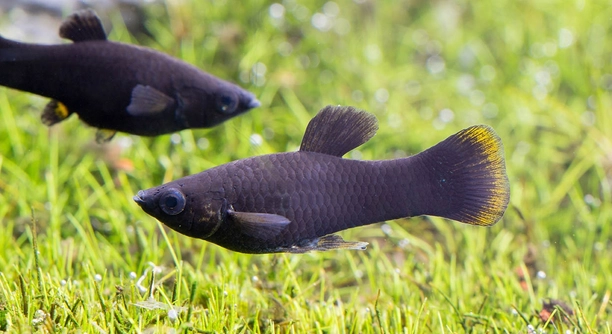
Black Mollies are lively fish that often swim together during the day, creating a tight, coordinated group. At night, their behavior can change as they move away from the main group, displaying a more solitary pattern.
Black Mollies separate from their group at night primarily due to instinctive predator avoidance and reduced light conditions. Solitary movement during nighttime allows them to find safer hiding spots, conserve energy, and maintain balance within their aquatic environment.
Observing their nocturnal behavior can provide insight into their natural instincts and help ensure their aquarium environment supports healthy routines.
Nighttime Separation Behavior
At night, Black Mollies often leave the main group to explore the tank quietly. Unlike their daytime activity, this behavior is calm and measured. They seek spots with more cover or near plants where they feel safer. Lighting plays a major role in this change, as reduced brightness triggers instincts to move cautiously. During the day, the group swims together for protection and social interaction, but nighttime shifts their priorities toward safety and rest. Observing them, I noticed some fish linger near hiding spaces while others patrol slowly. Even in a small tank, this separation is natural and healthy. It helps them avoid sudden movements that could cause stress. Providing plants, caves, and dim corners encourages this behavior without interference. Their night activity is minimal, yet purposeful. It’s part of their rhythm, reflecting how they adapt to changing conditions and maintain balance within their environment.
This behavior is normal and should not cause concern for their health or social dynamics.
Understanding their nightly habits can help you arrange the tank so each fish has enough safe space to feel secure and move comfortably.
Environmental Factors
Lighting and tank layout influence how Black Mollies behave after dark. They prefer dim areas and natural hiding spots.
Tank size, decorations, and plants all affect their nighttime movement. A crowded tank can limit their ability to spread out safely. Conversely, providing multiple hiding spots allows them to rest without feeling exposed. Observing these changes, I adjusted my own tank by adding taller plants and a few caves. The fish began moving more confidently, with each finding a preferred spot. Water conditions, including temperature and cleanliness, also play a role. Cooler water can make them less active, while stagnant or murky water increases stress and avoidance behavior. Feeding routines may influence their evening movement as well. Fish that are well-fed and comfortable in their surroundings tend to explore more calmly, while stressed or hungry fish may hide excessively. Monitoring these factors ensures a balanced tank environment, promoting natural nocturnal behavior and overall fish well-being.
Predatory Instincts
Black Mollies instinctively avoid potential threats at night. Moving away from the group allows them to reduce visibility and remain alert to any sudden movements around the tank. This separation is part of their natural defense mechanism.
I noticed that when the lights dim, my Black Mollies spread out slowly, each seeking a safe area near plants or decorations. They are cautious but not frantic, showing controlled movement that balances exploration with protection. Their instincts drive them to check the environment while staying prepared to retreat if needed. Observing this behavior helped me understand that it is a sign of healthy instincts rather than stress or illness. Each fish finds a comfortable zone, maintaining personal space while remaining aware of the surroundings.
Nighttime predator avoidance also influences their positioning. Some fish stay low near the substrate, while others hover mid-level near cover. This variation reduces competition and allows each fish to feel secure. Their behavior reflects a careful assessment of risk versus comfort, showing how they adapt to subtle changes in their environment.
Feeding and Activity Levels
Evening and nighttime activity can be influenced by feeding schedules and hunger. Fish may move away from the group to search for leftover food or smaller particles.
I observed that after an early evening feeding, my Black Mollies separated slightly less. They seemed content near their usual hiding spots but still moved cautiously through the tank. Those that had not eaten as much tended to explore further, seeking smaller bits of food near plants or decorations. Their movement is deliberate and measured, showing that even at night, their instincts guide them toward nourishment without exposing themselves unnecessarily. Balancing feeding times and portions helps reduce excessive nighttime wandering and keeps fish healthy.
Nighttime activity is also shaped by energy levels. Fish that are active during the day may slow down at night, while younger or more energetic mollies continue to explore. This natural variation ensures that each fish gets adequate rest while still performing necessary survival behaviors, including checking for food and maintaining awareness of their surroundings. Proper observation and tank management allow them to maintain these routines safely and comfortably.
Light Sensitivity
Black Mollies react strongly to changes in light. Dim lighting at night encourages them to seek shaded areas or corners of the tank. This behavior reduces stress and mimics their natural environment in the wild.
Even small shifts in brightness can trigger movement. I noticed my fish adjusting their positions whenever a light flickered or the tank became darker. They tend to move slowly toward plants or decorations, creating a sense of safety. This sensitivity ensures they remain alert while avoiding unnecessary exposure.
Social Dynamics
At night, social hierarchies influence which fish separate first. Dominant mollies may claim safer areas, while others follow cautiously or choose less conspicuous spots. This subtle ranking helps maintain balance within the group. Observing them, I noticed quieter fish tend to stay hidden until confident the environment is safe.
Tank Design Influence
The layout of the tank affects nighttime separation. Plants, caves, and hiding spots guide movement and allow each fish to find a comfortable area.
Providing varied structures ensures that all Black Mollies have access to shelter. It reduces stress, supports natural instincts, and allows the fish to navigate safely. I added tall plants and small caves, noticing how each fish quickly claimed a preferred spot. Proper tank design makes their nocturnal behavior smoother, giving them space to rest, explore, and maintain their instincts without crowding or conflict.
Why do Black Mollies separate from the group at night?
Black Mollies separate from the group primarily due to natural instincts. At night, reduced light triggers cautious behavior, prompting them to seek safer areas away from the main group. This separation allows them to hide near plants, rocks, or tank decorations while staying alert to potential threats. I noticed that my own mollies slowly drift toward corners or dense plant areas when the lights dim. This is completely normal and reflects their need for security rather than illness or stress. Each fish moves independently, but the separation is part of a balanced nocturnal routine.
Is it harmful if my Black Mollies spend most of the night alone?
It is not harmful for Black Mollies to be alone at night. Solitary nighttime behavior is instinctive and provides them with safety and rest. Fish in a group during the day rely on numbers for protection, but nighttime shifts priorities to personal security. I observed that even when some mollies separate more than others, they return to the main group during the day without issue. This behavior helps maintain healthy social dynamics and reduces stress. Ensuring your tank has hiding spots, plants, or caves allows all fish to engage in this natural routine comfortably.
Can tank lighting affect their nighttime separation?
Yes, lighting strongly influences nighttime behavior. Black Mollies are sensitive to light levels and will move toward shaded or dim areas as darkness falls. Sudden changes or flickering lights can startle them and increase separation. In my tank, installing a soft, consistent light cycle helped mollies adjust smoothly. Gradual dimming mimics natural sunset, encouraging calm movement. Overly bright lights at night can stress them, causing them to hide excessively or act restless. Proper lighting balance ensures they feel safe while maintaining normal nocturnal activity and instincts.
Does tank size impact how they separate at night?
Tank size directly affects their nighttime movement. Larger tanks provide more space and options for hiding, while smaller tanks may cause crowding and stress. I found that in my moderately sized tank, adding extra plants and decorations created enough space for each fish to find a comfortable area. When space is limited, some mollies may feel threatened or confined, increasing tension and unusual behavior. Proper tank dimensions combined with strategic placement of cover allows them to maintain safe separation while moving freely. This supports both physical and emotional well-being for the group.
Do other environmental factors influence this behavior?
Water temperature, quality, and cleanliness all affect nighttime separation. Cooler water can slow their movement, while warm, stable water keeps them active. I monitor temperature and maintain regular water changes to ensure comfort. Filtration and oxygenation are also important; stagnant water makes them more cautious and encourages hiding. The layout of plants, rocks, and caves further guides where each fish chooses to rest or patrol. Feeding schedule can also influence movement, as well-fed fish explore less aggressively. Balancing these factors ensures Black Mollies maintain natural nocturnal patterns without unnecessary stress.
Is it necessary to intervene when they separate at night?
Intervention is generally unnecessary unless unusual behavior appears, such as lethargy, frantic swimming, or signs of illness. I typically observe and let my mollies find their own preferred spots. Over-interference can cause stress or disrupt their natural instincts. Instead, ensuring a safe environment with adequate hiding places, proper lighting, and balanced feeding is enough to support their nighttime routine. This approach allows them to navigate the tank independently while maintaining health, energy, and social balance. Monitoring without disrupting gives the best results for both the fish and the tank environment.
Will separating at night affect their social behavior during the day?
No, nighttime separation does not negatively impact daytime social behavior. I noticed my mollies return to the group in the morning, resuming normal swimming patterns and interactions. Nighttime alone is part of their natural rhythm and does not reduce bonding, feeding behavior, or territorial instincts. Providing a supportive environment with space and hiding spots ensures that each fish can maintain both independent and group behaviors effectively. Their ability to balance social and solitary time reflects a healthy adaptation to the tank environment.
How can I encourage safe nighttime behavior?
Providing dim lighting, plenty of plants, and hiding spots encourages natural nighttime separation. I added tall plants, small caves, and gentle light control, which allowed each fish to find a secure area. Regular feeding ensures they are not overly hungry at night, reducing unnecessary movement. Observing patterns over several days helps adjust the tank setup to match their instincts. By creating a balanced, safe environment, Black Mollies can maintain healthy nocturnal behavior while staying comfortable and alert. This also reduces stress and improves overall well-being for the group.
Are there differences in nighttime separation between younger and older Mollies?
Yes, younger or more energetic Mollies tend to explore more at night, while older fish are slower and prefer closer hiding spots. In my tank, I noticed juvenile mollies swim cautiously but cover more distance, while adults settle near plants or decorations. Both behaviors are normal and reflect energy levels, experience, and instinctive caution. Providing varied hiding spots and accessible areas allows both young and older fish to feel secure, supporting healthy nocturnal routines. Observing these differences helps adjust tank setup to accommodate all ages safely.
Can this behavior indicate stress or illness?
Separation alone is usually normal and not a sign of illness. However, if combined with erratic swimming, loss of appetite, or unusual hiding patterns, it may indicate stress or health issues. I check water quality, temperature, and feeding habits to ensure conditions are optimal. Healthy nocturnal separation is purposeful and measured, while stress-induced hiding is frantic or prolonged. Keeping the tank clean, stable, and enriched helps maintain proper behavior. Understanding their natural instincts allows observation without unnecessary worry, ensuring they thrive in a safe and supportive environment.
This FAQ covers the main reasons and considerations for Black Mollies separating at night, addressing behavior, environment, health, and care strategies.
Black Mollies are fascinating fish, and observing their behavior can teach us a lot about their natural instincts. Their tendency to separate from the group at night is not unusual. It is a normal part of how they adapt to changing conditions in their environment. During the day, they swim together for protection and social interaction, but nighttime brings a shift in priorities. Darkness makes them more cautious, and they instinctively move toward areas that feel safe. Plants, rocks, and other tank decorations provide cover and give each fish a sense of security. In my experience, seeing them quietly explore or rest in different spots is a reassuring sign that they are comfortable and healthy. Their movements may seem slow or deliberate, but every action is purposeful, reflecting instincts that have been shaped over generations.
Nighttime separation also highlights the importance of the tank environment in supporting their natural behaviors. Lighting, water quality, tank size, and layout all play a role in how Black Mollies move and interact after dark. Soft, consistent lighting and gradual dimming help them adjust without stress, while hiding spots and plants allow them to maintain independence safely. I noticed that when the tank is well-structured, each fish finds a preferred area and returns to the group in the morning without difficulty. Feeding routines also contribute to how they behave at night. Well-fed fish are less likely to wander excessively, and a stable environment encourages calm, measured movement. These considerations are simple adjustments that make a significant difference in maintaining a healthy balance between their social and solitary tendencies.
Understanding this behavior is valuable for any aquarist, as it ensures the fish remain comfortable and stress-free. Nighttime separation is not a problem but a natural adaptation that allows Black Mollies to stay alert and safe while resting. Observing their habits gives insight into their instincts and helps us create an environment that meets their needs. Proper tank design, stable water conditions, and appropriate lighting all support healthy nocturnal patterns. By recognizing and respecting these behaviors, it becomes easier to maintain a harmonious aquarium where fish can thrive. Watching my mollies at night has shown me the subtle ways they balance safety, energy, and exploration, and it serves as a reminder that even small adjustments in their environment can have a meaningful impact on their well-being. A thoughtful approach ensures that Black Mollies remain active, healthy, and secure, both during the day and at night.

Hello,
If you enjoy the content that we create, please consider saying a "Thank You!" by leaving a tip.
Every little bit helps us continue crafting quality advice that supports the health, happiness, and well-being of pets around the world, for pets of all shapes, sizes, and species.
We really appreciate the kindness and support that you show us!