
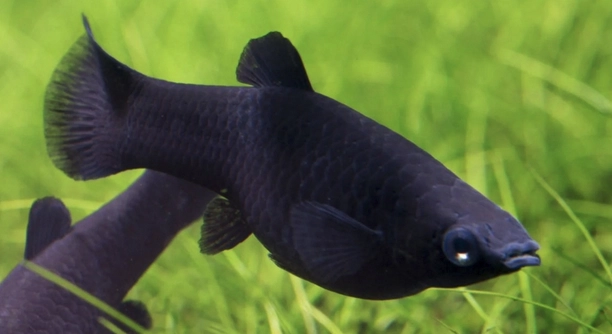
Black Mollies are lively fish that bring energy to any aquarium. Watching them swim together can be enjoyable, but sometimes their interactions turn aggressive. Understanding their behavior is important for a peaceful tank environment.
Black Mollies show signs of fighting through chasing, nipping, and flaring fins at each other. Aggression is usually brief but intense, often triggered by territory disputes or mating competition. Monitoring these behaviors helps maintain a healthy aquarium environment.
Recognizing these warning signs early can help you protect your fish and create a calmer, more harmonious tank atmosphere for everyone.
Recognizing Early Signs of Aggression
When Black Mollies start to fight, there are usually small but noticeable signs before things escalate. You may see them swimming faster than usual, circling each other, or nudging repeatedly. Their fins might spread wider than normal, and sudden darting movements across the tank can indicate rising tension. Sometimes, one fish will chase another around plants or decorations, which can be mistaken for playful behavior but is often territorial. Color changes may also occur, as stressed or aggressive Mollies can darken or show faded patches. It’s important to observe your fish daily, noting changes in patterns or interactions. Early recognition allows you to separate aggressive individuals before injuries happen. Adjusting tank layout, adding hiding spots, and ensuring adequate space can reduce fights. Consistent feeding schedules and monitoring water quality also help maintain calm behavior. Watching these signs closely ensures a healthier, safer environment for your fish to thrive naturally.
Monitoring subtle behavior changes helps prevent fights before they escalate.
Keeping Mollies calm requires careful observation and timely intervention to maintain a balanced tank ecosystem and reduce stress.
Common Triggers of Fighting
Territory and space are major triggers for fighting among Black Mollies.
Black Mollies are naturally social but can become aggressive when they feel crowded. In tanks that are too small, dominant individuals often chase others away from preferred areas. Breeding behavior also contributes, as males compete for attention from females. Changes in the environment, such as rearranged decorations or new tankmates, can increase stress and provoke fights. Overfeeding or feeding disputes can also spark minor confrontations. Ensuring a proper male-to-female ratio and providing plenty of hiding spots can reduce tension. Regular observation of interactions is essential to identify which fish are more dominant or aggressive. Adjusting the tank layout and introducing plants or caves helps diffuse conflict. Additionally, keeping water quality high and maintaining stable temperature and pH levels minimizes stress that can trigger aggression. By understanding these triggers, you can create a calmer, safer environment where all Mollies have enough space and security to coexist peacefully.
How to Separate Fighting Mollies
Separating aggressive Mollies quickly can prevent injuries. Use a divider or move the most aggressive fish to another tank. Provide hiding spaces to reduce stress and allow fish to calm down naturally.
Adding a temporary divider in the tank gives both aggressive and stressed Mollies space without removing them completely. This allows observation of behavior and helps prevent injury while you decide on a long-term solution. Rearranging decorations can also break up established territories, reducing tension. Make sure each fish has access to food and hiding spots to avoid further stress. Monitoring daily is crucial to ensure peace returns before reintroducing the fish.
If separating is not possible, creating multiple hiding spots throughout the tank can reduce direct confrontations. Plants, caves, and ornaments give Mollies areas to retreat. Splitting feeding locations can also minimize competition for food. Over time, aggressive behavior often diminishes when fish feel secure and have enough space to establish their own territories without constant threats. Consistent observation helps maintain a calmer tank environment.
Adjusting Tank Environment
Proper tank conditions significantly reduce fighting. Temperature, pH, and water quality affect mood and aggression levels in Mollies.
Ensuring the tank is spacious enough and decorated with hiding spots is essential. Overcrowding increases stress, which can lead to fights even among typically peaceful Mollies. Plants, rocks, and caves create natural barriers and separate territories. Maintaining a stable temperature and pH helps keep fish healthy and less prone to stress-induced aggression. Regular water changes and monitoring parameters also support a peaceful environment. Combining these adjustments with careful observation ensures Mollies coexist with minimal conflict.
Reducing Aggression Through Feeding
Feeding Mollies properly can lower fighting. Provide small, frequent meals instead of one large feeding. Spread food across the tank so all fish have access.
Avoid letting dominant fish eat all the food. Using multiple feeding spots or floating pellets helps ensure shy or weaker Mollies get enough nutrition, reducing competition and tension.
Using Tank Mates Wisely
Choosing compatible tank mates helps limit aggression. Avoid aggressive or very active fish that may provoke Mollies. Calm, peaceful species allow Mollies to establish their own hierarchy without constant stress. Introducing new fish gradually and monitoring interactions ensures harmony.
Monitoring Healing After Fights
Watch injured Mollies carefully. Keep an eye on fin damage or stress signs. Clean water and proper diet help recovery and prevent infections.
FAQ
How can I tell if Black Mollies are fighting or just playing?
Black Mollies often chase each other for play, but fighting is more intense and persistent. Look for repeated nipping, flared fins, and sudden bursts of speed toward another fish. Color changes or stress marks, such as darkened patches, can also indicate aggression rather than normal playful interaction.
What are the main reasons Black Mollies fight?
Fighting usually occurs because of territorial disputes, breeding competition, or overcrowding. Male Mollies may compete for females, and dominant fish can stress or injure others if the tank is too small. Environmental changes, such as new decorations or water parameter shifts, may also trigger aggressive behavior.
Can overcrowding cause fights?
Yes. Overcrowding increases stress and reduces available territory. Even peaceful Black Mollies may turn aggressive if there isn’t enough space to swim freely. Maintaining proper tank size and ensuring hiding spots are available helps prevent fights caused by limited space.
How do I safely separate fighting Mollies?
Using a tank divider or moving the aggressive fish to another tank temporarily is effective. Providing hiding spaces reduces tension. Monitoring interactions while separated ensures injured or stressed fish recover. Rearranging decorations can help break established territories, lowering aggression when reintroduced.
Do feeding habits affect aggression?
Yes. Unequal access to food often leads to fights. Feeding smaller portions more frequently and spreading food across the tank helps all fish eat. Floating pellets or multiple feeding spots reduce competition and allow shy or weaker Mollies to get nutrition safely.
Can tank mates influence Mollies’ behavior?
Definitely. Aggressive or overly active tank mates can provoke fights among Mollies. Choosing calm, peaceful species reduces stress and allows Black Mollies to establish their hierarchy without constant confrontation. Introducing new fish slowly helps maintain harmony.
How long does it take for Mollies to calm down after a fight?
Recovery time varies. Some fish settle within hours if given space and hiding spots, while others may need several days. Injuries or stress may prolong tension. Monitoring closely and ensuring proper care supports faster recovery and reduces further aggression.
How do I help injured Mollies heal?
Maintain clean water and stable parameters to prevent infection. Providing a nutritious diet supports recovery. Avoid reintroducing aggressive fish too soon. Observing healing fins and behavior ensures the injured Mollies regain strength and confidence without additional stress.
Does tank environment affect aggression levels?
Absolutely. Adequate space, plants, caves, and decorations reduce fights by breaking up territory and providing retreat areas. Stable temperature, pH, and water quality keep fish healthy and less prone to stress-induced aggression. Regular monitoring and adjustments create a calmer, safer tank.
Can breeding increase fighting?
Yes. Males compete for females, which can lead to chasing and nipping. Providing enough space, hiding spots, and a proper male-to-female ratio minimizes stress. Observing interactions and separating overly aggressive individuals helps maintain balance during breeding periods.
Is it normal for Mollies to chase each other sometimes?
Short bursts of chasing are normal, especially among males establishing dominance. Problems arise when chasing turns persistent, involves nipping, or causes visible injuries. Tracking patterns of behavior helps differentiate between natural activity and true aggression.
How do I prevent future fights?
Maintain a proper tank size, provide hiding spots, manage feeding, and monitor water quality. Introduce new fish gradually and observe behavior. Address early signs of aggression immediately to prevent escalation. Keeping a balanced environment reduces stress and ensures Mollies coexist peacefully.
What signs indicate persistent aggression?
Persistent aggression includes constant chasing, repeated nipping, torn fins, stress coloring, or hiding fish refusing to eat. Long-term tension can lead to injury or weakened immunity. Intervening quickly by separating fish, rearranging the tank, or adjusting environment is essential to prevent serious harm.
Can stress alone cause Mollies to fight?
Yes. Stress from water parameter changes, poor nutrition, or sudden environmental shifts can trigger aggression. Ensuring stable conditions, consistent feeding, and plenty of space reduces stress-induced conflicts and helps maintain a peaceful tank dynamic.
Are there signs that aggressive Mollies may calm down naturally?
Yes. Mollies often settle once territories are established or dominance hierarchies are clear. Signs include reduced chasing, normalized fin positions, regular feeding, and calmer swimming patterns. Observation is key to distinguishing temporary aggression from chronic issues.
How often should I monitor Mollies for fighting?
Daily observation is recommended. Spotting early signs such as flared fins, chasing, or color changes helps intervene before injuries occur. Consistent monitoring allows timely adjustments to feeding, tank layout, or separation measures to maintain a calm tank.
What adjustments can reduce fighting without separating fish?
Rearranging decorations, adding plants or caves, providing multiple feeding locations, and ensuring enough space are effective strategies. These measures reduce territorial disputes and allow fish to retreat and recover while staying in the same tank, minimizing stress for all Mollies.
Can male-to-female ratios affect aggression?
Yes. Too many males often increase competition and fights over females. A balanced ratio helps reduce territorial disputes and excessive chasing. Observing interactions and adjusting numbers or introducing hiding spots can stabilize behavior and maintain peace.
How do I know if a fight has caused serious harm?
Look for torn fins, open wounds, lethargy, or refusal to eat. Persistent stress signs such as hiding or rapid breathing indicate a need for immediate intervention. Treat injuries promptly and ensure a clean, safe environment to prevent infections.
Are there long-term effects of frequent fighting?
Frequent fighting can weaken immunity, cause chronic stress, and reduce lifespan. Injured fish may develop infections, and dominance hierarchies can disrupt normal tank behavior. Preventing recurring fights is essential for the health and longevity of all Mollies.
Can changes in lighting or noise trigger aggression?
Sudden changes in lighting, vibrations, or loud noises can startle Mollies and provoke fights. Maintaining consistent conditions and minimizing disruptions reduces stress-induced aggression and helps fish feel secure in their environment.
Do younger Mollies fight differently than adults?
Juveniles may chase each other in playful ways, but adult Mollies show more structured aggression. Adult males are more likely to establish dominance, leading to nipping, chasing, and territorial disputes. Monitoring age-specific behavior ensures proper intervention and tank balance.
Is it necessary to quarantine new Mollies?
Yes. Quarantining new fish prevents disease introduction and allows observation of potential aggression. Gradual introduction and careful monitoring reduce stress and minimize fights once they join the main tank.
How can I maintain peace long-term?
Provide adequate space, hiding spots, stable water parameters, balanced feeding, and compatible tank mates. Monitor behavior regularly, address early aggression signs, and make adjustments as needed. Long-term care ensures Mollies coexist harmoniously with minimal stress and conflict.
What role does water quality play in aggression?
Poor water quality stresses Mollies, which can lead to more frequent or severe fights. Maintaining clean water, stable temperature, and proper pH reduces stress and keeps fish healthier, calmer, and less prone to aggressive behavior.
Can separating one aggressive fish permanently help?
Yes, sometimes permanent separation is necessary if a fish repeatedly injures others or cannot coexist peacefully. Providing a separate tank or permanent divider ensures safety while maintaining overall tank harmony.
How do I know when it’s safe to reintroduce separated Mollies?
Wait until both fish show calm behavior, eat normally, and have healed from any injuries. Gradual reintroduction with monitoring and sufficient hiding spaces reduces the chance of renewed aggression and supports a stable tank environment.
Are some Black Mollies naturally more aggressive?
Yes. Individual temperament varies. Some males are more dominant or territorial, while others remain calm. Recognizing these differences helps in tank planning, providing sufficient space, and ensuring peaceful cohabitation for all Mollies.
Can seasonal changes affect aggression?
Yes. Temperature fluctuations and daylight changes can influence breeding behavior or stress levels, triggering temporary aggression. Maintaining consistent conditions helps reduce seasonal spikes in fighting.
Do Mollies show signs of stress before fighting?
Yes. Hiding, rapid breathing, fin clamping, and erratic swimming are early stress indicators. Addressing these signs by adjusting environment, feeding, or tank layout can prevent escalation into fights.
Is it necessary to treat minor injuries after a fight?
Yes. Even small wounds can become infected. Clean water, proper diet, and monitoring healing prevent infections and support recovery. Treating injuries promptly ensures the overall health of the tank.
How do hiding spots reduce aggression?
Hiding spots provide Mollies safe areas to retreat, reducing direct confrontations. Plants, caves, and ornaments break up territories and allow stressed or weaker fish to recover without continued harassment.
Can aggression affect feeding behavior?
Yes. Shy or stressed fish may avoid food if dominant individuals chase them away. Spreading food and creating multiple feeding zones ensures all fish get enough nutrition while reducing competition-driven aggression.
How do I differentiate between dominance and harmful aggression?
Short chasing or fin displays are normal dominance behavior. Persistent chasing, nipping, color fading, or injuries indicate harmful aggression that requires intervention. Observing patterns over time helps distinguish normal hierarchy from dangerous conflicts.
Are there any signs that aggression is decreasing naturally?
Reduced chasing, calmer swimming, normalized fin positions, and regular feeding indicate Mollies are settling. Providing sufficient space and hiding spots encourages natural calming over time without intervention.
What’s the best long-term strategy for a peaceful tank?
Maintain proper tank size, stable water conditions, balanced male-to-female ratios, adequate hiding spots, and consistent feeding. Regular observation and early intervention when aggression arises prevent escalation. Combining these practices ensures Black Mollies coexist safely and remain healthy.
Black Mollies are lively and social fish, but their interactions can sometimes lead to aggression. Understanding their behavior is essential for keeping a peaceful aquarium. Aggression often occurs because of territorial disputes, breeding competition, overcrowding, or stress caused by environmental changes. Early signs include chasing, nipping, flared fins, and color changes. Observing these behaviors closely allows you to intervene before injuries occur. Providing adequate space, hiding spots, and a stable environment helps prevent fights and reduces stress among the fish. Monitoring feeding patterns and tank interactions regularly ensures that no single fish dominates or becomes overly aggressive, which is key to maintaining a balanced community.
When fights do occur, it is important to act quickly and calmly. Temporary separation using a tank divider or another tank can give both aggressive and stressed fish the space they need to recover. Rearranging decorations or adding plants can also break up territories and reduce tension. Ensuring proper nutrition and feeding strategies, such as using multiple feeding spots, prevents competition over food. Recovery after fights requires clean water, stable parameters, and attentive observation of any injuries. Even minor wounds should be monitored, as untreated injuries can lead to infections and longer-term stress. By addressing aggression promptly, you protect the health and well-being of all your Mollies while keeping the tank environment safe.
Long-term care is just as important as immediate intervention. Maintaining a proper male-to-female ratio, compatible tank mates, and sufficient space prevents repeated aggression. Stable water quality, temperature, and pH levels reduce stress and minimize triggers for fights. Observing the individual temperaments of your Mollies helps identify which fish may be naturally more aggressive or dominant. Providing multiple hiding places and spreading out food ensures all fish feel secure and have access to resources. With consistent monitoring and careful adjustments, you can create a calmer and safer environment. Over time, these practices allow Mollies to coexist peacefully, display natural behavior, and thrive in a healthy aquarium setting. By combining early observation, proper care, and thoughtful management, keeping a harmonious tank with Black Mollies becomes much easier and more rewarding.

Hello,
If you enjoy the content that we create, please consider saying a "Thank You!" by leaving a tip.
Every little bit helps us continue crafting quality advice that supports the health, happiness, and well-being of pets around the world, for pets of all shapes, sizes, and species.
We really appreciate the kindness and support that you show us!