
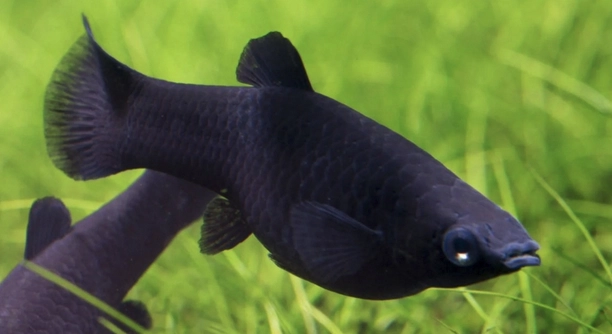
Black Mollies are popular aquarium fish known for their peaceful nature and striking black color. They thrive in well-planned tanks that balance open swimming areas with hiding spots, helping them feel secure and healthy.
The best tank layouts for Black Mollies combine live plants, smooth substrate, moderate decorations, and open swimming space. Proper filtration, water flow, and compatible tank mates ensure a stable environment that promotes natural behavior and reduces stress.
Choosing the right layout can improve your fish’s health and make your aquarium more enjoyable to observe and maintain over time.
Natural Plant Layout
A tank filled with natural plants creates a calming environment for Black Mollies. Plants like Java fern, Anubias, and Amazon sword provide hiding spots and grazing areas, helping mollies feel secure. Floating plants can reduce light intensity and create shaded areas, which they enjoy. The substrate should be soft and smooth to avoid injuring delicate fins. Placing taller plants at the back and sides creates depth and allows open swimming space in the center. Live plants also improve water quality by absorbing nitrates and offering oxygen. Regular trimming and maintenance prevent overcrowding while keeping the tank visually appealing. Adding small driftwood or rocks enhances natural texture without restricting movement. Black Mollies often explore plants and decorations, which stimulates natural behaviors. Consistent water conditions and gentle filtration support healthy plant growth and keep the mollies comfortable. This layout combines aesthetics with practical benefits, ensuring both the fish and the tank thrive harmoniously.
Natural plant layouts provide security, oxygen, and grazing opportunities for Black Mollies while maintaining open swimming space for healthy movement.
Maintaining this type of layout requires attention to plant health and water parameters. Mollies prefer slightly alkaline water, so monitoring pH is important. Removing decaying leaves promptly prevents spikes in ammonia. Fertilizers can be used carefully to support plant growth, but excess can harm fish. Floating plants need occasional trimming to prevent complete shading. Driftwood and rocks should be rinsed and possibly boiled to avoid introducing pathogens. A gentle filter prevents strong currents that could stress mollies. Regular water changes of 20-30% weekly help maintain stability. Observing how mollies interact with plants gives insight into their comfort level. If they hide too much or seem lethargic, adjustments to plant density or tank layout may be needed. Balancing open swimming space with plant coverage encourages natural exploration and feeding behavior. A natural plant setup, when managed properly, offers long-term benefits for both fish health and tank aesthetics.
Open Space Layout
Open swimming areas let Black Mollies move freely and exercise, promoting strong fins and overall health.
An open space layout focuses on minimal decorations and wide swimming paths. Rocks and driftwood are placed sparingly, leaving the center mostly clear. This allows mollies to interact naturally, chase each other gently, and establish territories. Using a fine gravel or sand substrate avoids injuries when they forage along the bottom. Filtration should maintain clean water without creating strong currents that disrupt swimming patterns. Live or artificial plants can be limited to corners, offering hiding spots without restricting movement. Lighting should be moderate, avoiding intense brightness that can stress fish in open tanks. Regular maintenance ensures water parameters remain stable. Black Mollies are social, so keeping them in small groups encourages natural schooling behavior. Open layouts are particularly effective for observing behaviors, as nothing blocks the view of their interactions. Combining simplicity with thoughtful decoration balances aesthetics and fish comfort. Careful planning ensures the open tank remains visually appealing while supporting healthy, active mollies.
Driftwood and Rock Layout
Driftwood and rocks create natural hiding spots and territorial markers for Black Mollies. Proper placement ensures open swimming areas remain while giving fish spaces to retreat, reducing stress and promoting natural behavior in the tank.
Using driftwood and rocks requires careful cleaning before adding them to the tank. These decorations offer texture and visual interest while providing shelter for shy mollies. Position larger pieces at the back or sides to avoid blocking light or restricting movement. Smooth surfaces prevent fin damage, and hollow sections or crevices create cozy retreats. Combining these elements with a soft substrate and minimal plants maintains open swimming space. Driftwood can slightly lower water pH, so monitor parameters regularly. Mollies often explore decorations, nibbling on algae or resting nearby. This layout supports both visual appeal and fish well-being.
Driftwood and rocks can also act as anchors for small plants or moss, adding subtle greenery without overcrowding the tank. These natural elements create vertical interest, giving mollies areas to explore at different levels. Observing fish behavior helps determine if adjustments are needed, like repositioning rocks or adding extra hiding spots. Open swimming areas should remain central, with decorations framing the space rather than dominating it. A well-balanced arrangement encourages activity while providing security, making the aquarium environment both functional and visually pleasing for Black Mollies.
Minimalist Layout
A minimalist layout keeps decorations low and emphasizes open swimming space with just a few functional elements. This style promotes active behavior and easier maintenance.
Minimalist tanks reduce clutter, making water changes and cleaning simpler. A soft substrate, a small number of plants or moss, and a few rocks or driftwood pieces are sufficient. Mollies benefit from clear swimming paths while still having small areas for hiding. Filtration should be efficient but gentle, maintaining clean water without creating strong currents. Lighting can be natural or moderate artificial, highlighting fish colors without causing stress. Minimalist tanks suit owners who prefer simplicity while ensuring the fish remain healthy and active. Observation is easier, allowing you to monitor mollies for signs of stress or disease.
This layout also emphasizes balance, requiring careful spacing of each element. Hiding spots should be placed strategically, preventing territorial conflicts among mollies. Even with minimal decorations, water quality management is crucial. Regular testing of ammonia, nitrites, and nitrates ensures a safe environment. Adding live plants, even sparingly, improves oxygen levels and offers grazing opportunities. The minimalist approach combines practicality with aesthetics, letting the natural behavior of Black Mollies shine. By maintaining open areas alongside a few key features, the tank remains visually appealing while meeting the fish’s biological needs.
Community Tank Layout
Community tanks allow Black Mollies to coexist with peaceful species, creating a lively and diverse environment. Proper spacing of plants and decorations helps reduce stress and prevents territorial disputes, ensuring harmony among tank mates.
Choosing compatible fish is crucial. Avoid aggressive or fin-nipping species. Open swimming areas help mollies interact safely, while small hiding spots provide retreats. Maintaining stable water parameters supports the health of all inhabitants, allowing the tank to flourish as a balanced ecosystem.
Floating Plant Layout
Floating plants like duckweed, water lettuce, and frogbit provide shade and shelter for Black Mollies. They help control light intensity and create natural cover, which mollies use to feel secure.
Floating plants also absorb excess nutrients, helping reduce algae growth. Position them carefully to avoid overcrowding the surface, ensuring mollies still have plenty of swimming space beneath.
Corner Hideout Layout
Placing decorations, plants, or rocks in corners creates secluded hideouts for Black Mollies. These spots reduce stress and allow shy fish to retreat temporarily.
Corner hideouts maximize tank space, combining security with open swimming areas in the center. Properly arranged corners help maintain natural behavior while keeping the aquarium organized and visually appealing.
FAQ
How many Black Mollies should I keep in one tank?
Black Mollies are social fish and do best in small groups. Keeping at least three to five together allows them to interact naturally and reduces stress. Overcrowding can lead to aggression and poor water quality, so tank size should match the number of fish.
What is the ideal water condition for Black Mollies?
Black Mollies prefer slightly alkaline water with a pH between 7.5 and 8.5. Temperature should range from 24°C to 28°C. Consistent water changes, gentle filtration, and monitoring ammonia, nitrite, and nitrate levels help maintain a stable environment. They tolerate brackish water, which can be added gradually if desired.
Do Black Mollies need live plants in the tank?
Live plants are not strictly required but provide multiple benefits. They create hiding spots, improve water quality by absorbing nitrates, and allow mollies to graze naturally. Floating plants also reduce light intensity and offer shaded areas, which mollies enjoy. Artificial plants can be used, but they do not offer the same biological benefits.
Can Black Mollies live with other fish?
Yes, Black Mollies are peaceful and can coexist with other non-aggressive species such as guppies, platies, and tetras. Avoid aggressive or fin-nipping fish that can stress or injure them. Providing open swimming space and small hiding areas helps all species maintain comfort and natural behavior.
How often should I clean a Black Molly tank?
Regular maintenance is essential for healthy mollies. Partial water changes of 20-30% weekly help remove excess nutrients and maintain water clarity. Cleaning substrate, removing debris, and trimming live plants prevents decay. Filters should be cleaned or replaced as needed, ensuring proper water flow without creating strong currents.
Do Black Mollies need a special diet?
Black Mollies are omnivores and thrive on a varied diet. High-quality flake or pellet food should be supplemented with live, frozen, or freeze-dried foods like brine shrimp, daphnia, and bloodworms. Occasional vegetables, such as zucchini or spinach, support nutrition. A balanced diet promotes color, growth, and reproduction.
Why are my Black Mollies hiding constantly?
Excessive hiding often indicates stress. Causes include poor water quality, strong currents, overcrowding, or aggressive tank mates. Providing sufficient hiding spots, maintaining stable water parameters, and monitoring behavior helps mollies feel secure. They may also hide during molting or after being introduced to a new tank.
How can I prevent my Black Mollies from breeding excessively?
Black Mollies breed readily in favorable conditions. Controlling population can involve separating males and females, maintaining lower water temperatures, or limiting feeding frequency. Providing plenty of hiding spots for fry can reduce immediate predation, but controlling breeding usually requires careful monitoring and planning.
Do Black Mollies need special lighting?
Moderate lighting is sufficient for Black Mollies. Too bright light can stress fish and encourage excessive algae growth, while low light may reduce plant health. A balance between natural or artificial light helps maintain plant growth, enhances fish coloration, and creates a comfortable environment.
How long do Black Mollies typically live?
With proper care, Black Mollies can live between three to five years. Longevity depends on water quality, diet, and tank conditions. Regular maintenance, proper nutrition, and avoiding overcrowding contribute significantly to a longer, healthier life for these fish.
Can Black Mollies tolerate brackish water?
Yes, Black Mollies can adapt to slightly brackish water. Gradually introducing a small amount of salt helps them acclimate without causing stress. Brackish conditions can improve coloration and overall health, but sudden changes should be avoided. Proper monitoring of water parameters is essential when adjusting salinity.
What are common signs of illness in Black Mollies?
Signs include clamped fins, lethargy, loss of appetite, white spots, or abnormal swimming. Prompt action, such as testing water parameters and isolating affected fish, is essential. Maintaining a clean tank, balanced diet, and stable environment reduces the risk of disease and promotes recovery if issues arise.
How should I arrange tank decorations for Black Mollies?
Decorations should provide hiding spots while leaving ample open swimming areas. Using driftwood, rocks, and plants strategically prevents territorial disputes and encourages natural behavior. Floating plants can shade the tank, while corner hideouts offer security. Overcrowding decorations reduces swimming space and increases stress.
Is it necessary to monitor water hardness for Black Mollies?
Yes, Black Mollies thrive in moderately hard water. General hardness (GH) between 12-25 dGH supports health, bone development, and reproduction. Maintaining stable hardness levels through water testing ensures mollies remain active and reduces stress caused by sudden changes in water chemistry.
Can I keep Black Mollies in a small tank?
Small tanks under 20 gallons are generally not ideal due to water stability issues. Larger tanks provide more swimming space, stable water parameters, and room for multiple mollies. If space is limited, fewer fish, frequent water changes, and careful monitoring can make smaller tanks manageable.
How do I introduce new Black Mollies to an established tank?
Acclimate new mollies slowly to prevent shock. Float the bag in the tank for 15-20 minutes, gradually mixing tank water. Monitor behavior closely for signs of stress or aggression. Providing additional hiding spots during introduction reduces tension and helps all fish adapt safely.
Do Black Mollies need a filter with strong water flow?
No, strong currents can stress Black Mollies. Gentle filtration maintains clean water while allowing comfortable swimming. Sponge filters or adjustable flow filters work well. Placement should ensure water circulates evenly without creating turbulent areas that disrupt fish behavior.
Can I keep Black Mollies with live plants that require high light?
Yes, but balance is key. Black Mollies prefer moderate lighting, so plants requiring high light may need supplemental lighting in specific areas. Floating plants or shaded spots help mollies avoid overly bright regions while still supporting plant growth. Observing fish behavior ensures comfort alongside plant health.
How do I prevent algae growth in a Black Molly tank?
Regular water changes, controlled feeding, and proper lighting reduce algae. Live plants compete for nutrients, limiting algae spread. Avoid placing the tank in direct sunlight, and remove excess organic matter. Balancing light, nutrients, and water flow keeps algae manageable without harming mollies.
Can I keep male and female Black Mollies together?
Yes, but males can constantly chase females, which may cause stress. Providing plenty of hiding spots, plants, and open swimming areas helps reduce aggression. Monitoring behavior ensures females are not over-stressed, and adjusting the male-to-female ratio can create a more harmonious tank environment.
Black Mollies are adaptable and visually striking fish that can thrive in a variety of tank layouts. Their peaceful temperament makes them suitable for community tanks, but providing enough space and hiding spots is essential for their comfort. Whether you choose a natural plant setup, a minimalist design, or a tank with driftwood and rocks, the key is balancing open swimming areas with secure spaces. Black Mollies enjoy exploring their environment, grazing on plants, and resting in shaded or secluded corners. Observing how they interact with the tank elements gives insight into their preferences and helps guide any adjustments to the layout. Ensuring water quality remains stable, along with maintaining proper temperature and pH, is just as important as arranging decorations, as it directly affects their health and behavior.
A well-planned tank layout contributes to both the physical and psychological well-being of Black Mollies. Open swimming spaces allow them to exercise, strengthen fins, and display natural schooling behavior. Hiding spots, whether created with plants, driftwood, or rocks, help reduce stress and provide a safe retreat when they feel threatened. Floating plants can create shaded areas that mollies seem to prefer, while also helping maintain water quality by absorbing excess nutrients. Minimalist tanks, with fewer decorations, can make maintenance easier and allow clear observation of fish behavior, while still offering small retreats for shy individuals. By combining these elements thoughtfully, a tank can support natural behavior, encourage activity, and create an aesthetically pleasing environment that is enjoyable for both the fish and the owner.
Proper care and attention to tank layout go hand in hand with maintaining a healthy diet, regular water changes, and compatible tank mates. Black Mollies respond well to balanced feeding, including high-quality flake or pellet food and occasional live or frozen supplements. Monitoring water parameters and performing routine maintenance ensures long-term stability and prevents stress-related issues. Choosing a tank setup that matches the needs of the fish encourages natural activity and supports reproduction if desired. Over time, observing how mollies interact with decorations, plants, and other fish allows small adjustments that can significantly improve their well-being. Overall, a thoughtful approach to tank design, combined with consistent care, creates an environment where Black Mollies can thrive, remain active, and display their full, vibrant colors while keeping the aquarium visually appealing and functional.

Hello,
If you enjoy the content that we create, please consider saying a "Thank You!" by leaving a tip.
Every little bit helps us continue crafting quality advice that supports the health, happiness, and well-being of pets around the world, for pets of all shapes, sizes, and species.
We really appreciate the kindness and support that you show us!