
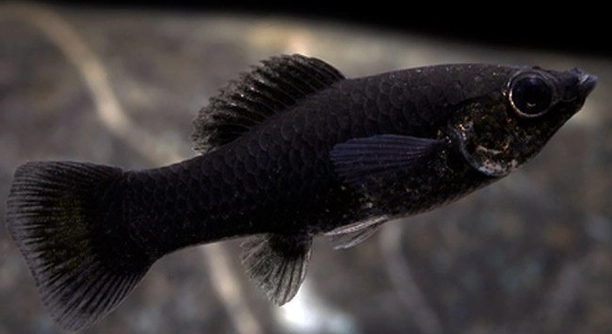
Have you ever noticed white patches or fuzzy growths on your Black Molly and wondered what causes them? These infections can appear quickly and affect your fish’s overall health if not managed properly. Understanding prevention is important.
Preventing fungal infections in Black Molly requires maintaining clean water, proper temperature, balanced nutrition, and minimizing stress. Regular tank maintenance, quarantining new fish, and monitoring for early signs of infection are essential measures to ensure your fish stay healthy and disease-free.
Keeping your Black Molly safe from infections is easier when you know the key steps. These simple habits can make a big difference in your fish’s wellbeing.
Keep the Tank Clean
Keeping the tank clean is one of the simplest ways to prevent fungal infections in Black Mollies. I always make sure to remove uneaten food and debris daily, as decaying matter can quickly lead to poor water quality. A weekly partial water change of about 25-30 percent helps keep ammonia and nitrate levels low, which reduces stress for the fish. Cleaning the filter regularly ensures proper water flow and keeps harmful microorganisms at bay. I also gently scrub algae from decorations and glass, which can harbor spores. Avoid overfeeding, as leftover food can settle at the bottom and decompose, creating an environment where fungi thrive. Maintaining clean substrate and checking water parameters often makes a noticeable difference in fish health. Even small habits, like rinsing nets and equipment before use, contribute to a safer tank. The effort is consistent but pays off with healthier, more vibrant Black Mollies.
A clean tank minimizes fungal spores and prevents infections by maintaining stable water quality, reducing stress, and providing a healthier environment for Black Mollies.
Regular cleaning also helps me notice changes in my fish early. Watching them daily lets me spot discoloration or clamped fins before a minor issue becomes serious. It builds confidence in keeping the tank healthy and avoids costly treatments later.
Maintain Proper Water Temperature
Black Mollies are sensitive to temperature fluctuations. Keeping water at a stable 75-80°F ensures their immune system stays strong. Sudden drops can weaken them, making infections more likely.
Maintaining consistent warmth involves using a reliable heater and checking it regularly. I monitor temperature daily, especially during seasonal changes. Water that’s too cold slows metabolism, reducing the fish’s ability to fight off fungal spores. Avoid placing the tank near drafts, air conditioners, or windows that let in cold air. Gradual temperature adjustments are key when introducing new fish. A stable environment reduces stress and promotes active, healthy behavior. I also pair temperature control with proper aeration, since well-oxygenated water supports recovery and resilience. Overheating should be avoided as well, because excessively warm water encourages rapid fungal growth. Balancing temperature, filtration, and aeration keeps the tank environment predictable, which Black Mollies respond to positively. Even small lapses in monitoring can have a noticeable impact, so I make it part of my routine to check water conditions multiple times per week. Regular maintenance and observation together create the best defense against fungal infections.
Provide Balanced Nutrition
Feeding Black Mollies a varied diet strengthens their immune system. I mix high-quality flakes, frozen foods, and occasional vegetables to ensure they get all necessary nutrients. Overfeeding is avoided to prevent water contamination and reduce the risk of fungal infections.
A proper diet directly affects how well Black Mollies resist diseases. I make sure to include protein-rich foods like brine shrimp or bloodworms a few times a week, which support growth and vitality. Vegetables such as blanched spinach or zucchini provide essential vitamins and fiber. I avoid low-quality, filler-heavy foods because they can compromise immunity and pollute the tank quickly. Portion control is important—feeding small amounts twice a day prevents leftover food from decomposing and encouraging fungal growth. Combining variety with careful feeding habits keeps the fish healthy, active, and more resistant to infections. Watching them eat also helps me notice changes in appetite, an early sign of health problems.
Consistency in feeding schedule matters as much as food quality. I stick to regular times every day, which reduces stress and helps maintain predictable water conditions. Predictable routines improve overall health, making Black Mollies more resilient. I also supplement occasionally with vitamin-enriched foods to boost immunity during seasonal changes. Over time, this approach has shown clear results, with stronger, more vibrant fish and fewer health issues. By keeping nutrition balanced and routines consistent, I see less fungal development and better recovery if minor infections appear.
Quarantine New Fish
Introducing new fish without quarantine can bring infections into an established tank. I always isolate newcomers for two weeks before mixing them with existing Mollies.
Quarantine allows observation of behavior, appetite, and any visible signs of disease. During this period, I monitor water quality carefully and provide a slightly warmer temperature to encourage immunity. Treating new fish for parasites or minor infections before adding them protects the main tank. It also prevents accidental introduction of fungal spores that may not be obvious at first. I make sure the quarantine tank has similar conditions to the main tank, so the fish don’t experience shock when moved. Keeping nets, siphons, and equipment separate between tanks further reduces cross-contamination risks.
This method has saved my tank multiple times. Even fish that appear healthy can carry pathogens, and early detection prevents outbreaks. I usually feed them the same diet as the main tank to maintain immune strength. Observing new fish closely gives me confidence they are ready to join the others safely. Over time, quarantining has become a standard habit that keeps my Black Mollies healthy and stress-free, with minimal fungal issues.
Reduce Stress
Stress weakens a Black Molly’s immune system, making infections more likely. I make sure the tank has hiding spots, gentle water flow, and minimal sudden disturbances to keep stress levels low.
Maintaining a calm environment also means avoiding overcrowding. I carefully monitor tank population, ensuring each fish has enough space. Consistent lighting and predictable feeding schedules contribute to a stable routine, which Mollies respond well to.
Regular Observation
Watching Black Mollies daily helps catch infections early. I check for discoloration, frayed fins, or unusual behavior.
Early detection allows prompt treatment and prevents fungal growth from spreading. I note any changes in appetite or activity levels, which often indicate stress or infection.
Use Antifungal Treatments
I keep antifungal medication on hand to treat minor infections quickly. Prompt action prevents more serious health problems.
Maintain Proper pH
Balanced pH levels support immune function. I test the water regularly to keep it slightly alkaline, which Mollies prefer.
What are the first signs of a fungal infection in Black Mollies?
The earliest signs often include small white or grayish patches on the skin, fins, or gills. I usually notice a cotton-like texture forming around injured areas or places where scales look slightly raised. Sometimes, the fish may start scratching against decorations or the tank walls, which is my first hint that something is wrong. Clamped fins, lethargy, or a loss of appetite can also accompany these early signs. Observing fish behavior daily has helped me catch infections before they spread, allowing for quicker treatment and less stress on the tank population.
How quickly can fungal infections spread?
Fungal infections can spread surprisingly fast if the water conditions are poor. I’ve seen small patches grow noticeably within just a few days, especially when water is warm or contains excess organic waste. Stress or injury can accelerate the process because the fish’s immune system is compromised. Sharing nets, siphons, or decorations between tanks without disinfecting them can also transfer spores easily. Early isolation and treatment are key to stopping fungal growth before it affects the entire tank. I always act immediately when I see the first signs, as waiting even a day can make the problem worse.
Can diet really prevent fungal infections?
Yes, diet plays an important role. Feeding Black Mollies high-quality flakes, frozen protein-rich foods, and occasional vegetables strengthens their immune system. I make sure to avoid overfeeding because leftover food can decay and encourage fungal growth. Providing variety ensures fish get the nutrients needed to stay healthy. I’ve noticed that Mollies with consistent, balanced diets recover faster from minor infections and are less likely to develop new ones. Supplements like vitamin-enriched foods can also help during stressful periods or seasonal changes. A strong immune system combined with proper tank care makes fungal infections far less common.
Is quarantining new fish really necessary?
Quarantining is essential. I never add new fish to the main tank without at least a two-week isolation period. Even fish that look perfectly healthy can carry fungal spores or other pathogens. During quarantine, I monitor behavior, appetite, and physical condition closely. I also use this time to treat minor issues before they reach the main tank. Quarantine tanks should mimic the main tank’s temperature, pH, and lighting to reduce stress. Separating equipment like nets and siphons between tanks further prevents accidental transfer of spores. Quarantining has saved me from multiple potential outbreaks and keeps the established population safe.
How often should I check water quality to prevent fungal infections?
Regular monitoring is crucial. I test water parameters at least twice a week, checking temperature, pH, ammonia, nitrite, and nitrate levels. Stable water conditions reduce stress and prevent fungal growth. I also do partial water changes weekly to maintain balance. Keeping a consistent routine helps me spot small fluctuations before they become dangerous. Even minor shifts in water quality can weaken fish immunity and make them more susceptible to infections. I keep a log of readings, which helps me notice trends and adjust care as needed. Clean water is one of the most effective preventive measures.
Can stress cause fungal infections in Black Mollies?
Absolutely. Stress is a major factor. I always make sure there are hiding spots, gentle water flow, and minimal disturbances. Overcrowding or sudden changes in environment can trigger stress responses, which lower immunity. Stress also makes fish more likely to injure themselves, and open wounds are a prime entry point for fungi. Maintaining a predictable feeding and lighting schedule helps Mollies feel secure. When I notice restless behavior or clamped fins, I take steps to reduce stress immediately, such as moving decorations or adjusting water conditions. A calm tank is far less prone to fungal outbreaks.
Are antifungal medications safe for regular use?
Antifungal treatments are safe when used correctly. I only use them when early signs of infection appear and follow dosage instructions carefully. Overuse can stress fish or disrupt beneficial bacteria in the tank. I prefer treating isolated or affected fish first, then observing the entire tank for any additional signs. Combining medication with proper water maintenance and diet usually resolves the issue without repeated treatments. I keep antifungal medications on hand for emergencies, but consistent preventive care reduces the need for them. Proper application prevents worsening of infections and keeps the tank ecosystem stable.
Can tank decorations contribute to fungal infections?
Yes, decorations can harbor spores if not cleaned regularly. I scrub ornaments, rocks, and plants during weekly maintenance. Artificial plants can hide debris, while porous surfaces may retain spores longer. Using separate cleaning tools and avoiding harsh chemicals ensures decorations are safe for fish. Even driftwood or rocks from natural sources should be disinfected before being added. Clean decorations reduce the chance of fungal growth and create a healthier environment. I’ve found that consistent attention to every surface in the tank significantly lowers infection risks and keeps Black Mollies thriving.
How long does it take for a fungal infection to heal?
Healing time varies depending on severity, water quality, and treatment speed. Mild infections can clear in a week or two, while more severe cases may take a month. I continue monitoring fish closely even after symptoms disappear, as spores can linger. Consistent water care, proper diet, and antifungal treatment speed recovery. Removing infected fish from the main tank during treatment helps prevent recurrence. Patience is important—rushing treatment or changing conditions too quickly can stress fish and prolong healing. Observing recovery daily gives confidence that the infection is fully resolved.
Can minor injuries lead to fungal infections?
Yes, even small scrapes or fin nips can become entry points for fungi. I check Mollies carefully after adding new tankmates or rearranging decorations. Treating minor wounds with clean water and, if needed, antifungal medication prevents infections from developing. Maintaining good water quality and minimizing stress also reduces risk. I’ve learned that catching injuries early prevents serious health problems. Regular observation and quick intervention are key to keeping Black Mollies safe from fungal infections. Minor injuries may seem harmless, but they can escalate quickly without proper care.
What is the best way to prevent fungal infections long-term?
The best approach is consistent preventive care. I combine clean water, proper diet, stress reduction, quarantine for new fish, regular observation, and antifungal treatments only when necessary. Monitoring water parameters and keeping decorations clean support overall health. Preventive habits reduce infections and keep Mollies active. A steady routine and attention to detail are the most effective ways I’ve found to maintain a healthy, thriving tank over time.
Keeping Black Mollies healthy and free from fungal infections is not as difficult as it might seem. Over the years, I have found that the key is consistent care and attention. Regular tank maintenance, clean water, and balanced feeding are the foundation of a strong immune system for these fish. Even small habits, like removing uneaten food daily or checking water parameters a few times a week, can make a noticeable difference. It may seem repetitive at first, but once it becomes part of the routine, it feels natural. I also make sure that decorations, nets, and any tools I use are clean, which prevents harmful spores from spreading. Paying attention to the little things helps avoid bigger problems down the line.
Stress management is another important aspect of keeping Mollies healthy. Fish that are stressed are more likely to develop infections, so I always provide hiding spots, moderate water flow, and a stable environment. Consistent lighting and feeding schedules help reduce surprises that can cause stress. Overcrowding is avoided, and I make sure each fish has enough space to swim freely. Even small changes, like adjusting the position of a decoration or monitoring temperature closely, can reduce stress levels significantly. I have noticed that Mollies in a calm environment tend to be more active, eat better, and recover faster if minor health issues arise. Creating a stable, predictable environment is just as important as clean water and good nutrition.
Finally, early detection and timely action are critical. Watching fish daily helps me notice changes in behavior, appearance, or appetite before infections get out of hand. When I see minor signs, I isolate affected fish if necessary and take steps to correct water conditions or provide treatment. Quarantining new fish before introducing them to the main tank has prevented many potential problems. Combining observation, preventive care, and prompt action ensures that Black Mollies stay healthy over the long term. Over time, these practices have become second nature, and I rarely face serious fungal outbreaks. The effort is steady, but it results in strong, vibrant fish that thrive in their tank. By staying consistent and attentive, it is possible to prevent fungal infections and support the overall wellbeing of your Black Mollies.

Hello,
If you enjoy the content that we create, please consider saying a "Thank You!" by leaving a tip.
Every little bit helps us continue crafting quality advice that supports the health, happiness, and well-being of pets around the world, for pets of all shapes, sizes, and species.
We really appreciate the kindness and support that you show us!