
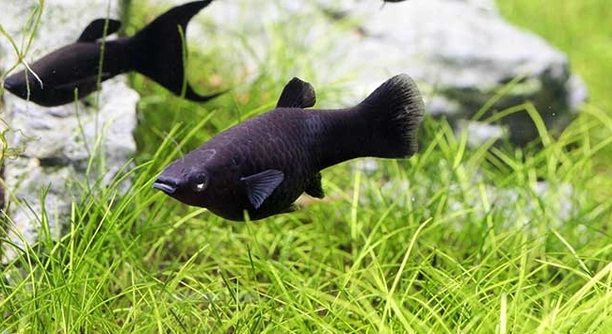
Black mollies are popular aquarium fish admired for their sleek black color and active personalities. Sometimes, you may notice them circling one spot repeatedly, which can be puzzling for aquarium owners observing their behavior.
The primary reason black mollies circle in one spot repeatedly is often related to territorial behavior or mating instincts. Stress, poor water quality, or limited space can also trigger this repetitive swimming pattern in a confined environment.
Observing your black molly’s movements closely can reveal subtle signs of stress or environmental needs that are important to address.
Common Reasons for Circling Behavior
Black mollies often circle in one spot due to environmental or social factors. Overcrowding can make them feel stressed, prompting repetitive swimming as a way to assert space. Water quality also plays a major role; high ammonia, nitrate, or low oxygen levels can create discomfort, causing them to focus on one area. Temperature fluctuations may disrupt their normal behavior patterns, making them more active in unusual ways.
Territorial disputes among tank mates can also trigger this behavior.
Mollies are naturally curious and social, but stress manifests in repetitive actions. Observing tank setup, water parameters, and interactions can help identify the source. Providing hiding spaces, proper filtration, and maintaining stable temperature can reduce this behavior. Adjustments to diet and monitoring compatibility with other fish also help ensure a calm environment, preventing excessive circling while supporting their overall well-being.
Health and Stress Indicators
Circling behavior can signal stress or health issues in black mollies.
Frequent circling may indicate parasites, infections, or swim bladder problems. Stress from sudden changes in environment or aggressive tank mates can exacerbate these health concerns. Monitoring their appearance, appetite, and interaction with other fish is essential. Regular water testing and gentle observation help detect early signs. Maintaining clean water, balanced nutrition, and minimizing disturbances are key to keeping mollies healthy.
Tank Environment Adjustments
Improving tank conditions can reduce circling behavior. Ensure the tank is spacious, properly filtered, and temperature-stable. Hiding spots and decorations give mollies areas to retreat, reducing stress and repetitive swimming.
Proper water parameters are essential for black mollies. Regular testing for pH, ammonia, nitrate, and nitrite levels prevents stress-related behavior. Adding plants and gentle water flow can mimic natural conditions, keeping them comfortable. Overcrowding should be avoided, as limited space encourages territorial behavior. Rearranging decorations periodically can reduce boredom and repetitive patterns, while maintaining consistent lighting helps regulate natural activity cycles.
Feeding routines also impact behavior. Providing a balanced diet and avoiding overfeeding ensures healthy energy levels. Removing leftover food prevents water quality issues, which can stress mollies. Observing their interaction with tank mates and adjusting the environment based on behavior ensures a more peaceful, active aquarium.
Observing Behavioral Patterns
Tracking your molly’s behavior helps identify triggers for circling. Note the frequency, duration, and specific locations of their movements within the tank.
Behavioral logs can reveal patterns related to feeding times, tank interactions, or environmental changes. Stress from aggressive fish or sudden temperature shifts often coincides with increased circling. Regular observation also helps detect early signs of illness, like changes in appetite, coloration, or swimming ability. Adjustments to diet, tank layout, and social groupings can be guided by these patterns. Monitoring behavior consistently allows you to maintain a stable, healthy environment for black mollies, preventing unnecessary stress and supporting their well-being over time.
Feeding and Diet Considerations
A balanced diet can influence black molly behavior. Providing high-quality flakes, pellets, and occasional live or frozen foods ensures proper nutrition, reducing stress-related circling.
Overfeeding or irregular feeding schedules can worsen repetitive swimming. Consistent portions and timing help mollies feel secure and maintain steady energy levels throughout the day.
Tank Mates and Social Interaction
Compatibility with other fish is crucial. Aggressive or overly active tank mates can stress black mollies, prompting them to circle repeatedly. Observing social interactions allows you to adjust groupings, ensuring peaceful coexistence.
Lighting and Activity Cycles
Consistent lighting regulates activity patterns. Too bright or irregular light can increase stress and repetitive behavior. Maintaining a natural day-night cycle helps mollies feel comfortable, reducing circling tendencies.
Signs of Reproductive Behavior
Circling can indicate mating readiness. Males may swim in tight circles to display dominance or attract females, which is normal if the tank environment is otherwise stable.
FAQ
Why does my black molly keep circling in one spot?
Circling in one spot is usually caused by stress, territorial behavior, or mating instincts. Environmental factors like poor water quality, overcrowding, or sudden changes in temperature can also trigger this repetitive swimming. Monitoring water parameters and providing enough space often reduces this behavior.
Is it normal for black mollies to circle frequently?
Occasional circling is normal, especially during feeding or social interactions. However, constant circling can indicate stress or health issues. Regular observation of your mollies’ behavior, along with a stable tank environment, helps distinguish normal activity from concerning patterns.
Can tank size affect circling behavior?
Yes, insufficient space can increase repetitive circling. Black mollies need room to swim and establish territories. Overcrowded tanks can lead to stress, aggression, and frequent circling. Ensuring proper stocking levels and providing hiding spots supports calmer behavior and overall well-being.
Does water quality impact their swimming patterns?
Absolutely. High ammonia, nitrate, or nitrite levels and sudden pH changes can make black mollies uncomfortable, causing them to swim repeatedly in one spot. Regular testing, water changes, and proper filtration prevent these issues and promote natural swimming behavior.
Could this behavior indicate illness?
Yes, repetitive circling can signal health problems such as parasites, infections, or swim bladder issues. Watch for changes in appetite, color, or buoyancy. Prompt attention to water quality and veterinary advice may be necessary to address any underlying medical concerns.
Do black mollies circle more during mating season?
Males often circle to display dominance or attract females. This is normal reproductive behavior if the tank environment is stable and stress-free. Providing adequate space and hiding areas for females can prevent stress during these periods.
Will adding plants or decorations help?
Yes, plants and decorations create hiding spots and break up open areas, reducing stress and boredom. Rearranging tank elements occasionally can also prevent repetitive swimming, keeping your black mollies engaged and comfortable.
Can diet influence circling behavior?
A balanced diet supports energy levels and reduces stress. Overfeeding or irregular feeding schedules may contribute to repetitive swimming. Consistent feeding routines with high-quality flakes, pellets, and occasional live or frozen foods encourage normal activity patterns.
Should I separate aggressive tank mates?
Yes, aggressive or overly active fish can trigger stress in black mollies, leading to repeated circling. Observing interactions and separating incompatible species helps maintain a peaceful environment, reducing stress-related behaviors.
How long does it take for behavior to improve after changes?
Improvement depends on the cause. Environmental adjustments like proper water quality, space, and compatible tank mates can show results within days to weeks. Health-related issues may require treatment, and behavior may gradually normalize once the underlying problem is addressed.
Is constant circling harmful to black mollies?
Chronic stress from repeated circling can weaken their immune system and affect growth. Addressing environmental factors, diet, and social interactions is essential to prevent long-term negative effects and maintain their health and activity levels.
Can lighting changes affect their behavior?
Yes, irregular or overly bright lighting can increase stress, prompting repetitive circling. Maintaining a natural day-night cycle with consistent lighting supports normal activity patterns and reduces stress-related behaviors.
How do I know if circling is caused by boredom?
Boredom often shows as repetitive, unvarying swimming without obvious stress triggers or aggression. Adding enrichment like plants, decorations, and varied swimming areas can reduce this type of behavior, keeping mollies engaged and comfortable.
Should I consult a vet if circling persists?
Persistent circling, especially with other symptoms like loss of appetite, abnormal buoyancy, or color changes, warrants professional advice. A vet can help identify underlying health issues and recommend treatments or environmental adjustments.
What preventive measures can I take?
Maintain stable water quality, provide adequate space, offer hiding spots, monitor social interactions, and feed a balanced diet. Regular observation and proactive adjustments prevent stress, health problems, and excessive circling.
This FAQ section covers common concerns about black mollies circling repeatedly and provides practical steps to ensure their health and comfort.
Black mollies are lively, attractive fish, and understanding their behavior helps create a calmer, healthier tank environment. Circling in one spot is often a response to stress, environmental conditions, or natural instincts like mating or establishing territory. Observing your fish closely allows you to identify patterns and determine whether the behavior is temporary or a sign of an underlying issue. Factors such as tank size, water quality, temperature stability, and social interactions all influence how mollies behave. By addressing these areas, you can reduce stress and encourage more natural swimming patterns.
Providing the right environment is key to preventing repetitive circling. A spacious tank with proper filtration and consistent temperature allows mollies to move freely without feeling confined. Including plants, decorations, or hiding spaces offers security and helps break up open areas, which can reduce stress and boredom. Tank mates also play a significant role in behavior. Aggressive or incompatible fish may provoke circling, while peaceful companions support a stable social structure. A balanced diet and regular feeding schedule contribute to overall health, keeping energy levels steady and minimizing behavior caused by hunger or overfeeding.
Monitoring behavior over time ensures that you can address problems early. Circling can indicate stress, minor environmental issues, or health concerns like parasites or swim bladder problems. Maintaining clean water, a stable temperature, and a calm tank environment promotes well-being. Adjustments to tank layout, diet, and social dynamics can help mollies feel secure and reduce repetitive actions. Patience and observation are essential because changes may take time to show results. Understanding your black molly’s behavior allows you to create a supportive habitat that encourages healthy, natural activity, ensuring they thrive in your aquarium.

Hello,
If you enjoy the content that we create, please consider saying a "Thank You!" by leaving a tip.
Every little bit helps us continue crafting quality advice that supports the health, happiness, and well-being of pets around the world, for pets of all shapes, sizes, and species.
We really appreciate the kindness and support that you show us!